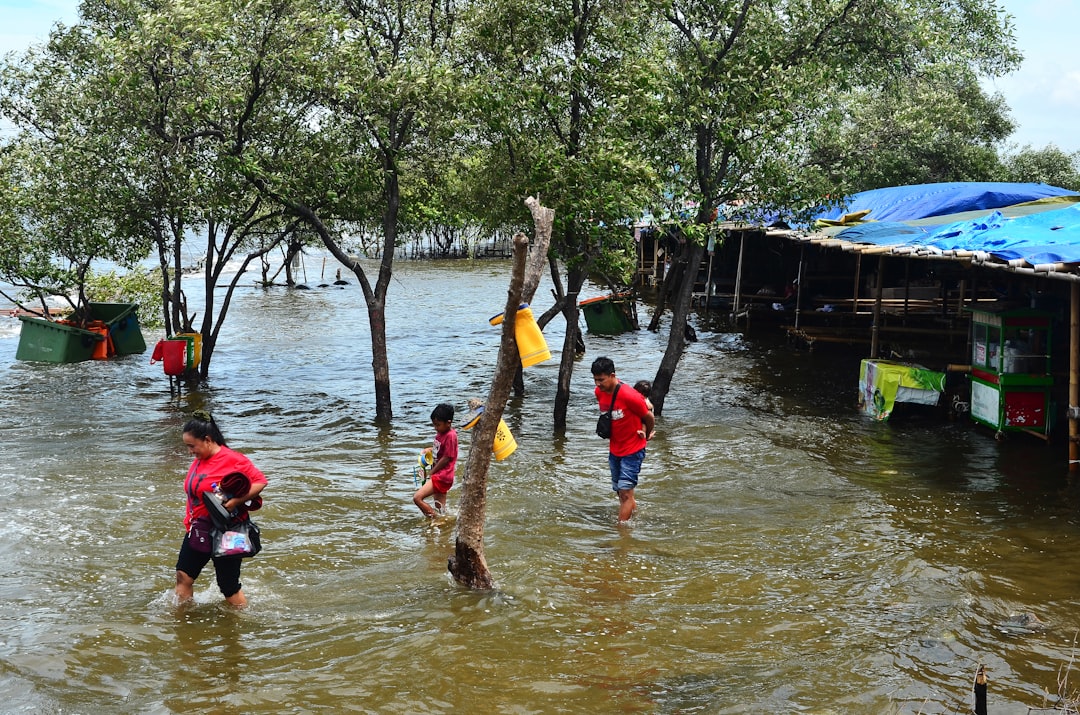
Norfolk, Virginia, a city renowned for its deep-water harbor and its crucial role as the home to America’s largest naval base, stands at a critical juncture. The city grapples with the existential threat of sea level rise, a challenge exacerbated by a phenomenon far removed from its immediate shores: the health of the Atlantic Meridional Overturning Circulation (AMOC). This intricate system of ocean currents, often described as the “global conveyor belt,” plays a profound role in Earth’s climate, and its potential weakening or collapse carries significant implications for coastal communities worldwide, with Norfolk facing a particularly acute vulnerability.
Norfolk is no stranger to the impacts of rising waters. The city experiences some of the fastest rates of relative sea level rise on the U.S. East Coast, a consequence of both global thermal expansion of ocean water and the melting of ice sheets, compounded by regional land subsidence. However, the influence of AMOC introduces another layer of complexity and concern.
Global Factors and Local Impacts
Global sea level rise, driven primarily by the thermal expansion of seawater as it warms and the melting of glaciers and ice sheets, is a well-documented phenomenon. These global trends contribute significantly to the increased frequency and severity of nuisance flooding and storm surges that residents of Norfolk increasingly experience.
The Role of Land Subsidence
Beneath Norfolk’s seemingly stable foundation lies a geological reality that exacerbates the problem. The Chesapeake Bay region, where Norfolk is situated, is undergoing a process of land subsidence. Ancient glaciers that once covered large parts of North America depressed the land, and as these glaciers receded, the land slowly began to rebound. However, regions peripheral to the glaciated areas, including Norfolk, are experiencing a sinking motion, effectively increasing relative sea level rise. This slow but steady geological process, in conjunction with groundwater extraction, amplifies the impact of oceanic changes.
In recent discussions about the impacts of climate change, the rising sea levels in Norfolk, Virginia, have become a pressing concern, particularly in relation to the Atlantic Meridional Overturning Circulation (AMOC). A related article that delves into the scientific implications of these changes can be found at Freaky Science. This resource provides valuable insights into how shifts in ocean currents are influencing coastal communities and their vulnerability to flooding and erosion.
Understanding the Atlantic Meridional Overturning Circulation (AMOC)
The Atlantic Meridional Overturning Circulation (AMOC) is a complex system of ocean currents characterized by a northward flow of warm, salty water in the upper layers of the Atlantic Ocean and a southward flow of colder, denser water in the deep ocean. This circulation acts as a colossal heat pump, distributing heat from the tropics towards the North Atlantic, profoundly influencing weather patterns and ocean levels.
The Dynamics of AMOC
At its core, AMOC is driven by differences in water density. As warm tropical waters flow northward, they gradually cool and evaporate, becoming saltier and denser. In the subpolar North Atlantic, particularly around Greenland and the Nordic Seas, this dense water sinks to the abyssal depths. This sinking water then flows southward as a deep current, eventually upwelling in other parts of the world’s oceans, completing the loop. This continuous turnover plays a vital role in regulating global climate.
AMOC’s Impact on Regional Sea Levels
A key aspect of AMOC’s influence on sea levels is related to the distribution of water masses. The circulation creates a slight “bulge” of water in the North Atlantic. If AMOC weakens, this bulge could relax, causing a local redistribution of water and accelerating sea level rise along the U.S. East Coast, including Norfolk. This effect, though regional, could add significant increments to already rising local sea levels.
Evidence of AMOC Weakening
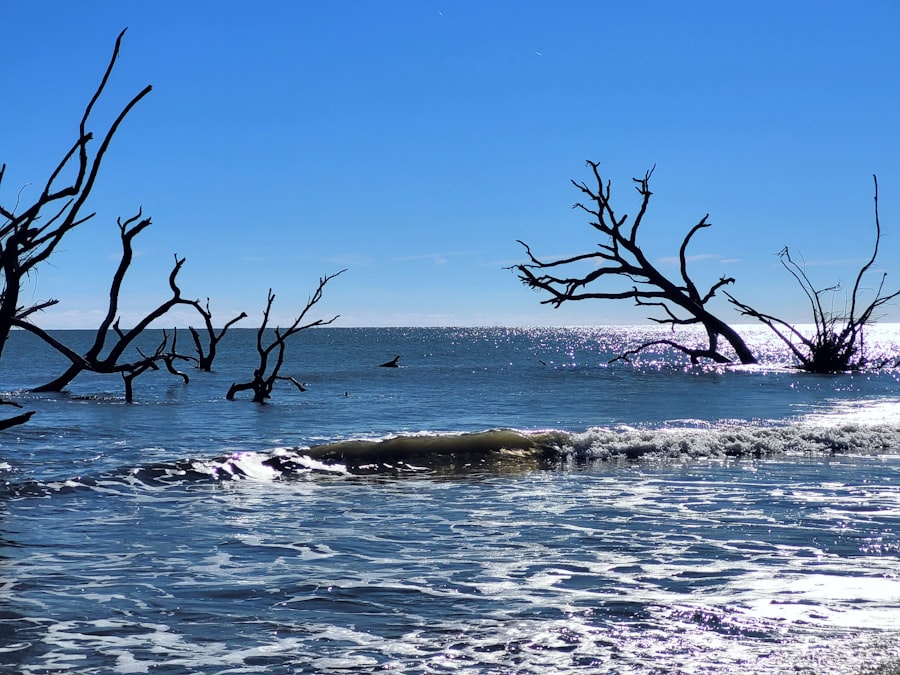
Scientific studies, drawing on various observational data and climate models, suggest that AMOC has been weakening over the past few decades. This weakening is attributed to several factors associated with anthropogenic climate change.
Observational Data and Paleoclimate Records
Researchers utilize a variety of methods to monitor AMOC’s strength, including arrays of oceanographic instruments that measure current speeds, temperatures, and salinities across key transects in the Atlantic. These modern observations, while relatively short-term, indicate a discernible slowdown. Furthermore, paleoclimate data, derived from ocean sediments and ice cores, provide a longer-term perspective, suggesting that the current weakening is unprecedented in at least the last millennium.
The Role of Freshwater Input
A primary driver of AMOC weakening is the increased influx of freshwater into the North Atlantic, predominantly from the melting Greenland ice sheet and Arctic sea ice. This freshwater is less dense than saline ocean water. When it enters the surface waters of the North Atlantic, it reduces the overall density of the water, hindering the sinking process that drives the AMOC. This disruption to the delicate balance of density differences poses a significant threat to the circulation’s stability.
Implications for Future Climate Scenarios
Climate models overwhelmingly project a further weakening of AMOC under continued global warming scenarios. While a complete collapse of AMOC within the 21st century is considered less likely by many models, a substantial slowdown could still trigger significant climate shifts, including altered precipitation patterns, more extreme weather events, and, critically for Norfolk, accelerated regional sea level rise.
The Specific Vulnerabilities of Norfolk to AMOC Decline
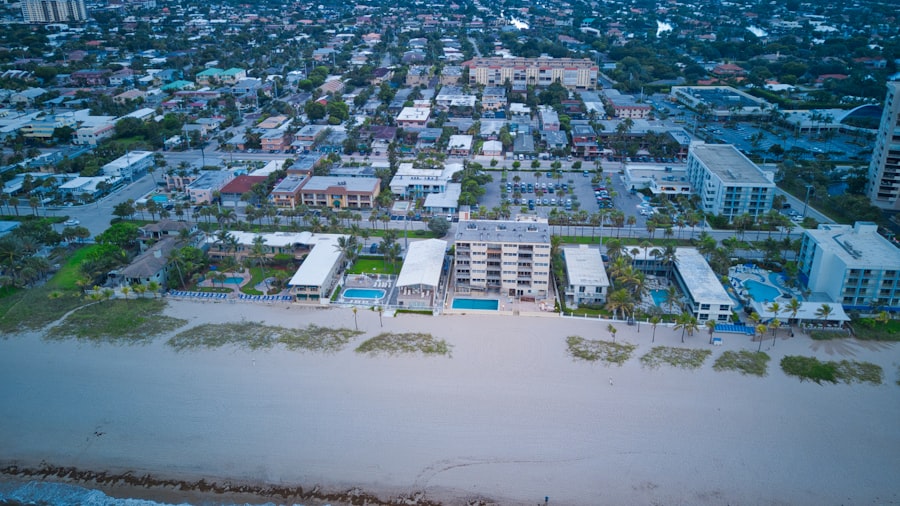
Norfolk’s geographical position and the nature of its urban development render it particularly susceptible to the consequences of a weakening AMOC. The combined effect of global sea level rise, regional subsidence, and the AMOC-induced redistribution of ocean mass creates a triple threat.
Increased Rate of Relative Sea Level Rise
A weakening AMOC is projected to lead to an additional several inches to a foot of sea level rise along the U.S. East Coast by 2100, above and beyond global mean sea level rise. For Norfolk, already contending with high rates of relative sea level rise, this extra increment could push the city into an even more precarious position, increasing the frequency and extent of flooding.
Compounding Flooding Events
The additional sea level rise attributed to a weakening AMOC would significantly exacerbate the existing problem of recurrent flooding in Norfolk. Nuisance flooding, also known as “sunny day flooding,” which already disrupts daily life, would become more frequent, intense, and widespread. Storm surges from hurricanes and nor’easters, rather than being contained, would reach further inland and cause more severe damage to infrastructure and property.
Impacts on Critical Infrastructure
Norfolk is home to Naval Station Norfolk, the world’s largest naval base, a sprawling complex of piers, airfields, and support facilities. The base’s vital role in national security and its significant economic contribution to the region make its vulnerability to sea level rise a matter of national concern. A weakening AMOC could accelerate the onset of conditions that threaten operational readiness, requiring substantial and costly adaptations to protect assets and maintain functionality. Beyond the naval base, the city’s port facilities, roadways, hospitals, and residential areas are all at risk.
In recent discussions about the impacts of climate change on coastal cities, Norfolk, Virginia, has emerged as a significant case study, particularly concerning sea level rise and its connection to the Atlantic Meridional Overturning Circulation (AMOC). A related article explores these pressing issues and highlights how changes in AMOC could exacerbate flooding in Norfolk, making it essential for residents and policymakers to understand the potential consequences. For more insights on this topic, you can read the full article here.
Adaptation and Mitigation Strategies for Norfolk
| Metric | Value | Unit | Notes |
|---|---|---|---|
| Sea Level Rise Rate (Norfolk, VA) | 4.5 | mm/year | Average rate over the past 30 years |
| Total Sea Level Rise Since 1900 | 30 | cm | Measured at Sewell’s Point tide gauge |
| AMOC Strength | 16 | Sv (Sverdrups) | Estimated current Atlantic Meridional Overturning Circulation strength |
| AMOC Decline Rate | 1-3 | Sv per decade | Observed weakening trend over recent decades |
| Contribution of AMOC Weakening to Sea Level Rise | ~0.5 | mm/year | Estimated additional sea level rise in mid-Atlantic coast |
| Projected Sea Level Rise by 2100 (Norfolk) | 0.6 – 1.2 | meters | Range depending on emission scenarios and AMOC changes |
Recognizing the severity of the threat, Norfolk has begun to implement a range of adaptation and mitigation strategies. These efforts are crucial, but the scale of the challenge demands continued innovation, investment, and a comprehensive, long-term vision.
Infrastructure Hardening and Resilience Measures
Norfolk is investing in a variety of infrastructure hardening projects. This includes constructing higher seawalls, raising critical roads, installing backflow preventers in drainage systems, and developing pump stations to manage stormwater. Projects such as the Ohio Creek Watershed Project aim to integrate flood protection with community development, employing strategies like elevating homes and creating green infrastructure to absorb water.
Natural and Nature-Based Solutions
Beyond traditional “gray” infrastructure, Norfolk is also exploring “green” or nature-based solutions. Restoring oyster reefs, which can dampen wave energy and filter water, and expanding wetlands, which act as natural sponges, are examples of such initiatives. These approaches not only provide protection against rising waters but also offer ecological benefits, such as enhanced biodiversity and improved water quality.
Community Engagement and Planning
Effective adaptation requires robust community engagement and comprehensive urban planning. Norfolk’s city planners are working to incorporate sea level rise projections into zoning regulations, building codes, and future development plans. This includes discouraging new construction in highly vulnerable areas and promoting resilient design principles for new and existing structures. Educating residents about the risks and involving them in decision-making processes are crucial steps toward building a climate-resilient community.
Call for National and International Action
While local efforts are vital, the underlying causes of sea level rise and AMOC weakening are global. Norfolk, along with other vulnerable coastal communities, advocates for stronger national and international commitments to reduce greenhouse gas emissions. Addressing the root causes of climate change through stringent emissions reductions is the most fundamental mitigation strategy, significantly impacting the long-term trajectory of phenomena like AMOC. Without global action, local adaptation efforts will increasingly resemble a losing battle against an ever-rising tide. The city’s future, and indeed the future of countless coastal cities worldwide, hinges on our collective ability to respond to this planetary challenge.
In conclusion, Norfolk, Virginia, faces a multifaceted and escalating threat from sea level rise, with the Atlantic Meridional Overturning Circulation emerging as a significant, though distant, complicator. The city’s ongoing efforts to adapt are commendable and necessary, but they represent only one part of the solution. The interdependencies of global climate systems underscore the imperative for comprehensive, internationally coordinated action to mitigate climate change. For the citizens of Norfolk, understanding these complex interactions is not merely an academic exercise; it is a fundamental aspect of securing their future.

WARNING: The Ocean Conveyor Belt Is Already Collapsing
FAQs
What is sea level rise and how does it affect Norfolk, Virginia?
Sea level rise refers to the increase in the average level of the world’s oceans due to factors such as melting ice caps and thermal expansion of seawater. Norfolk, Virginia, is particularly vulnerable to sea level rise because it is a low-lying coastal city with extensive tidal wetlands and a high population density near the waterfront. Rising sea levels increase the risk of flooding, storm surges, and erosion in the area.
What is the Atlantic Meridional Overturning Circulation (AMOC)?
The Atlantic Meridional Overturning Circulation (AMOC) is a large system of ocean currents in the Atlantic Ocean that includes the Gulf Stream. It plays a crucial role in regulating climate by transporting warm water from the tropics to the North Atlantic and returning colder water southward at depth. Changes in the AMOC can influence weather patterns and sea levels along the U.S. East Coast, including Norfolk.
How does the AMOC impact sea level rise in Norfolk?
A weakening or slowdown of the AMOC can cause sea levels to rise faster along the U.S. East Coast, including Norfolk. This happens because the reduced northward flow of warm water causes water to “pile up” along the coast, increasing local sea levels beyond the global average. This effect exacerbates flooding risks and coastal erosion in Norfolk.
What are the main causes of sea level rise in the Norfolk area?
Sea level rise in Norfolk is driven by a combination of global factors such as melting glaciers and thermal expansion of seawater, as well as regional factors like land subsidence (the gradual sinking of land) and changes in ocean circulation patterns including the AMOC. Human activities such as groundwater extraction and urban development also contribute to land subsidence, worsening the impact of rising seas.
What measures are being taken to address sea level rise in Norfolk, Virginia?
Norfolk has implemented several strategies to address sea level rise, including building seawalls and flood barriers, improving stormwater management systems, elevating roads and buildings, and restoring natural wetlands to act as buffers. The city also participates in regional planning efforts to monitor changes in sea level and ocean circulation, including the AMOC, to better prepare for future impacts.