
Neurons: The Language of Communication
You are a marvel of biological engineering, a walking, talking, thinking organism. But have you ever stopped to consider the incredible orchestra of microscopic activity that makes all of this possible? At the heart of your being, a vast and intricate network hums with constant communication, a silent, rapid-fire exchange of signals that translates into your every sensation, thought, and action. This network is built by neurons, the fundamental building blocks of your nervous system, and they speak a language all their own – a language of electrical and chemical pulses that orchestrates the symphony of your life.
To truly appreciate the language of communication, you must first understand the architect of that communication. Your neurons, though remarkably diverse in shape and function, share a common structural blueprint that allows them to perform their vital roles. Imagine a tiny, highly specialized cell, unlike any other in your body, designed for the singular purpose of transmitting information.
The Cell Body: The Central Command Center
At the core of every neuron lies the cell body, also known as the soma. Think of this as the neuron’s headquarters, housing the nucleus, which contains your genetic material, and other essential organelles like mitochondria, responsible for generating energy. The cell body is where the neuron processes incoming information and decides whether or not to pass it along. It’s the hub of metabolic activity, ensuring the neuron has the resources to perform its demanding tasks. Without a healthy cell body, the neuron simply cannot function. This is where proteins are synthesized, and where the cell’s life support systems are maintained.
Dendrites: The Receivers of the Message
Branching out from the cell body are dendrites, which often resemble the intricate branches of a tree. These are the primary receivers of information, extending numerous microscopic tendrils to make connections with other neurons. Each dendrite is studded with tiny protrusions called dendritic spines, which further increase the surface area available for receiving signals. Think of dendrites as your neuron’s ears, constantly listening for incoming signals from its neighbors. These signals, when strong enough, will travel down the dendrite towards the cell body. The number and complexity of dendrites a neuron possesses can significantly influence its ability to integrate information and contribute to complex cognitive functions.
The Axon: The Transmitter of the Signal
Extending from the cell body is a single, long projection called the axon. This is the neuron’s messenger, responsible for transmitting signals away from the cell body to other neurons, muscles, or glands. The axon can be incredibly long, sometimes stretching for over a meter, allowing neurons to communicate across considerable distances within your body. Imagine the axon as a telegraph wire, carrying the vital message from its origin to its destination. This is a critical component, as it facilitates the long-range communication that underpins your entire nervous system.
Myelin Sheath: The Insulator for Speedy Transmission
Many axons are coated in a fatty substance called myelin, forming a protective sheath. This myelin sheath isn’t continuous; it’s interrupted by small gaps called nodes of Ranvier. Myelin acts as an electrical insulator, preventing signals from leaking out of the axon. More importantly, it dramatically speeds up the transmission of nerve impulses. Instead of flowing smoothly down the entire length of the axon, the electrical signal “jumps” from one node of Ranvier to the next, a process known as saltatory conduction. This is akin to having superhighways for your nerve signals, allowing for incredibly rapid communication. Without myelin, nerve impulses would be significantly slower, impacting everything from your reaction time to your ability to process complex thoughts.
The Synapse: The Junction of Connection
At the very end of the axon, it branches out into multiple axon terminals. These terminals don’t directly touch the next neuron; instead, there’s a tiny gap between them called the synapse. This is the crucial junction where neurons communicate with each other, or with their target cells. The synapse is where the magic of neural communication truly unfolds, bridging the gap between the electrical world of one neuron and the chemical world of the next. It’s the point of transfer, ensuring the message is relayed accurately and efficiently.
Neurons communicate through a complex process involving electrical impulses and chemical signals, which is essential for the functioning of the nervous system. For a deeper understanding of this fascinating topic, you can read more about it in the related article found here: How Neurons Communicate. This article explores the mechanisms of synaptic transmission and the role of neurotransmitters in facilitating communication between neurons.
The Language of Signals: Electrical and Chemical Transmission
The communication between neurons isn’t a simple spoken word or a written letter. It’s a sophisticated interplay of electrical charges and chemical messengers. This dynamic process allows for the rapid and precise transmission of information throughout your nervous system.
The Electrical Pulse: The Action Potential
When a neuron receives sufficient stimulation from its dendrites, it generates an electrical impulse known as an action potential. This is a brief, all-or-nothing electrical event that travels down the axon. Imagine a wave of electrical charge propagating down a wire. The strength of the stimulus doesn’t change the size of the action potential; it either fires or it doesn’t. This “all-or-nothing” principle ensures reliable signal transmission. The creation of an action potential involves the rapid movement of ions across the neuron’s membrane, altering its electrical potential.
Resting Potential: The Neuron at Rest
Before an action potential is generated, the neuron exists in a state of resting potential. This is a steady electrical charge difference across its membrane, with the inside of the neuron being negatively charged relative to the outside. This resting potential is maintained by ion pumps that actively transport ions, such as sodium (Na+) and potassium (K+), across the membrane. This stored electrical energy is crucial, like a charged battery, ready to be discharged when a signal arrives.
Depolarization and Repolarization: The Wave of Charge
When a stimulus causes the neuron’s membrane to become less negative (depolarization), voltage-gated ion channels open, allowing positively charged ions to flood into the cell. This influx of positive charge rapidly reverses the membrane potential, creating the rising phase of the action potential. Immediately following this, other ion channels open to allow positive ions to exit the neuron (repolarization), restoring the negative charge inside the cell. This rapid cycle of depolarization and repolarization creates the traveling wave of electrical activity that is the action potential.
Chemical Messengers: Neurotransmitters at the Synapse
Upon reaching the axon terminal, the electrical signal of the action potential triggers the release of chemical messengers called neurotransmitters into the synaptic gap. These neurotransmitters are stored in small vesicles within the axon terminal. When an action potential arrives, these vesicles fuse with the terminal membrane and release their contents into the synapse. Think of neurotransmitters as tiny keys, each designed to fit specific locks on the next neuron.
Excitation and Inhibition: The Push and Pull of Communication
Neurotransmitters can have either an excitatory or inhibitory effect on the postsynaptic neuron. Excitatory neurotransmitters, such as glutamate, cause the postsynaptic neuron to become more likely to fire an action potential, effectively pushing the signal forward. Inhibitory neurotransmitters, like GABA, make it less likely for the postsynaptic neuron to fire, acting as a brake on the communication. This delicate balance of excitation and inhibition allows for precise control over neural activity. Your brain constantly weighs these competing influences to make decisions and execute actions.
Neurotransmitter Receptors: The Locks and Keys
On the dendrites of the postsynaptic neuron are specialized proteins called receptors. These receptors act like locks, and only specific neurotransmitters (the keys) can bind to them. When a neurotransmitter binds to its appropriate receptor, it causes a change in the postsynaptic neuron’s membrane, either making it more positive (excitatory) or more negative (inhibitory). The diversity of neurotransmitters and their corresponding receptors allows for an astonishing range of communication and functional specialization within your nervous system.
The Symphony of Networks: How Neurons Collaborate

Neurons rarely work in isolation. Your ability to think, feel, and act arises from the collective collaboration of billions of neurons organized into intricate networks. These networks are not static; they are constantly being formed, strengthened, and modified, a process fundamental to learning and memory.
Neural Circuits: The Pathways of Information
Neurons are organized into functional groups called neural circuits. These circuits are the fundamental pathways through which information flows in your nervous system. Imagine a complex wiring diagram, where specific neurons are connected in precise sequences to perform particular tasks. Simple circuits might mediate a reflex, while complex circuits underpin higher cognitive functions like language and decision-making. The precise connections within these circuits are what give your nervous system its remarkable capabilities.
Reflex Arcs: The Simplest Circuits
The most basic neural circuits are reflex arcs, which mediate involuntary responses to stimuli. For example, when you touch a hot stove, a reflex arc allows you to quickly withdraw your hand before you even consciously feel the pain. These circuits often involve a sensory neuron, an interneuron (a neuron that connects other neurons), and a motor neuron that signals a muscle to contract. They are a testament to the efficiency and speed of neural communication.
Neural Networks: The Interconnected Web
Beyond simple circuits, neurons form vast and interconnected neural networks. These networks are the basis of your cognitive abilities. For instance, networks of neurons are responsible for processing visual information, understanding language, or retrieving memories. The strength of the connections between neurons within these networks can change over time, a phenomenon known as synaptic plasticity, which is the cellular basis of learning and memory.
Synaptic Plasticity: The Foundation of Learning
When you learn something new, for example, a new fact or a new skill, the connections between neurons in relevant networks are altered. Repeated activation of a particular pathway can strengthen the synapses involved, making it easier for the signal to travel that pathway in the future. This is analogous to creating well-worn paths in a forest; the more you travel them, the easier they become to traverse. Conversely, connections that are not used can weaken, a process known as long-term depression. This dynamic adaptability of neural networks is what allows you to acquire new knowledge and skills throughout your life.
Glial Cells: The Unsung Heroes of the Network
While neurons are the stars of the show when it comes to communication, they are not alone. Supporting them are glial cells, a diverse group of cells that play crucial roles in maintaining the health and function of your nervous system. Though they don’t directly transmit electrical signals, they are indispensable collaborators.
Astrocytes: The Supportive Structure
Astrocytes are star-shaped glial cells that provide structural support to neurons and help regulate the chemical environment around them. They regulate the concentration of ions and neurotransmitters in the synaptic cleft, ensuring optimal conditions for neural signaling. They also play a role in forming the blood-brain barrier, protecting your brain from harmful substances.
Oligodendrocytes and Schwann Cells: The Myelin Makers
These types of glial cells are responsible for producing the myelin sheath that insulates axons. Oligodendrocytes produce myelin in the central nervous system (brain and spinal cord), while Schwann cells do so in the peripheral nervous system. Without their diligent work, your neural communication would be significantly slower and less efficient.
The Ever-Evolving Language: Neuroplasticity and Adaptation
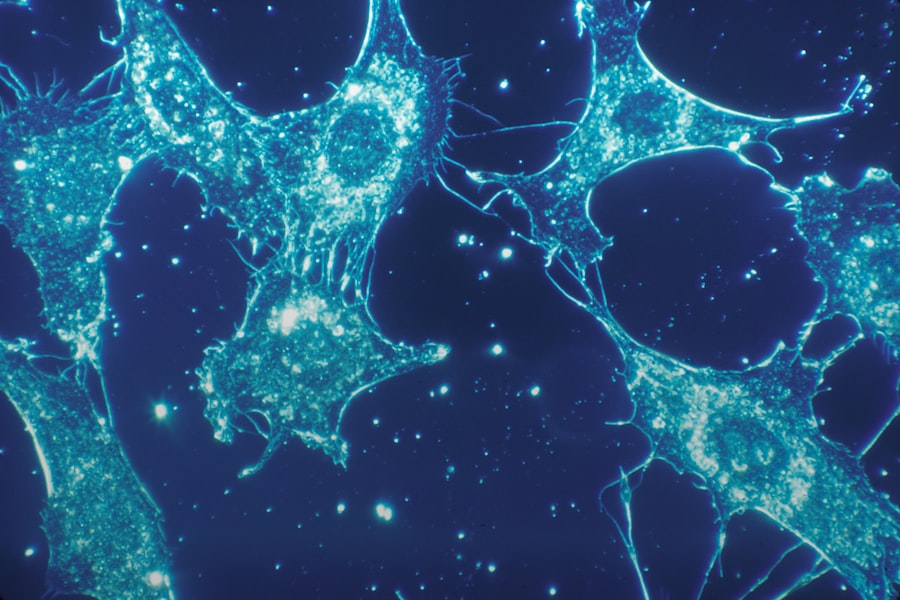
Your nervous system is not a static entity. It’s a dynamic, ever-changing landscape, constantly adapting and reorganizing in response to your experiences. This remarkable ability is known as neuroplasticity, and it’s a testament to the resilience and adaptability of your neural language.
Reorganization of Neural Pathways: Adapting to Change
Neuroplasticity allows your brain to reorganize its neural pathways. If a part of your brain is damaged, other areas can sometimes take over its functions. This is particularly evident in recovery from stroke or injury. Healthy neurons can sprout new connections and form new circuits, attempting to compensate for the lost function. This highlights the flexibility of the neural language, capable of finding new ways to express itself.
Learning New Skills: Building New Connections
When you learn a new skill, whether it’s playing a musical instrument, speaking a new language, or mastering a complex mathematical concept, you are actively engaging in neuroplasticity. New neural connections are formed, existing ones are strengthened, and pathways are optimized. This is why dedicated practice is so crucial; it’s essentially training your neurons to speak the language of that skill fluently.
Experience-Dependent Changes: Shaping Your Brain
Your experiences, both positive and negative, directly shape the structure and function of your brain. The sensory input you receive, the information you process, and the emotions you feel all contribute to the ongoing remodeling of your neural networks. This means that your environment and your interactions with the world are constantly influencing how your neurons communicate and, consequently, who you become.
Memory Formation and Retrieval: The Lingering Echoes of Experience
The formation and retrieval of memories are prime examples of neuroplasticity in action. When you form a new memory, specific patterns of neural activity are established and strengthened. When you recall that memory, those same pathways are reactivated, allowing you to access the stored information. This intricate process of encoding, storage, and retrieval is a fundamental aspect of your neural language, allowing you to learn from the past and inform your future.
Neurons communicate through a complex process involving electrical impulses and chemical signals, which is essential for the functioning of the nervous system. For those interested in exploring this fascinating topic further, you can read an insightful article on the mechanisms of neuronal communication at Freaky Science. Understanding how these signals are transmitted not only sheds light on basic brain functions but also has implications for various neurological disorders.
The Impact of This Language: From Thoughts to Actions
| Communication Method | Description |
|---|---|
| Chemical Synaptic Transmission | Neurons communicate through the release of neurotransmitters into the synaptic cleft, which then bind to receptors on the postsynaptic neuron. |
| Electrical Synaptic Transmission | Neurons can also communicate through gap junctions, allowing for direct electrical communication between cells. |
| Neurotransmitters | These are chemical messengers that transmit signals across the synapse from one neuron to another. |
| Action Potential | Neurons communicate through the generation and propagation of electrical impulses along their axons. |
The intricate dance of neurons and their communication determines every aspect of your existence. From the most fleeting thought to the most complex decision, all are orchestrated by this fundamental language.
Consciousness and Cognition: The Pinnacle of Neural Activity
Your ability to be aware of yourself and your surroundings, to think, reason, and solve problems – your consciousness and cognitive abilities – are the direct result of the complex interplay of billions of neurons communicating across vast networks. The efficiency and sophistication of this communication underpin all your higher mental functions. The emergent properties of this colossal network give rise to your subjective experience of the world.
Decision-Making: Weighing the Neural Signals
When you make a decision, your brain is essentially weighing and integrating a multitude of signals from different neural pathways. Some pathways might represent emotional responses, others might be based on logic and past experiences, and still others might involve assessing potential risks and rewards. The dominant signals, interpreted through the collaborative effort of your neural networks, ultimately lead to your choice.
Motor Control and Physical Actions: The Command for Movement
Every movement you make, from a subtle twitch of your finger to a complex athletic maneuver, is initiated and controlled by motor neurons. Signals originating in your brain and spinal cord travel down these neurons to activate your muscles. The precision and coordination of these actions are a testament to the finely tuned communication pathways within your nervous system. You don’t consciously think about each individual muscle firing; your neural language handles that intricate choreography automatically.
Sensory Perception: Translating the World into Neural Signals
Your senses – sight, sound, touch, taste, and smell – are the gateways through which you experience the world. Sensory receptors in your body detect stimuli and convert them into electrical signals that are transmitted by sensory neurons to your brain. Here, these signals are interpreted and processed, allowing you to perceive the vibrant colors of a sunset, the melody of a song, or the warmth of a loved one’s embrace. This translation of external stimuli into neural language is fundamental to your understanding of reality.
In essence, you are a living testament to the power of neural communication. The language of neurons, a symphony of electrical and chemical signals, is the silent architect of your thoughts, your feelings, and your actions. By understanding this fundamental language, you gain a deeper appreciation for the intricate marvel that you are, and the incredible biological machinery that makes every moment of your existence possible.

Why Paper Cuts Hurt (It’s Not What You Think)
FAQs
What are neurons?
Neurons are specialized cells in the nervous system that transmit information through electrical and chemical signals. They are the basic building blocks of the nervous system and are responsible for processing and transmitting information.
How do neurons communicate?
Neurons communicate with each other through a process called synaptic transmission. When an electrical signal, known as an action potential, reaches the end of a neuron, it triggers the release of neurotransmitters into the synapse. These neurotransmitters then bind to receptors on the neighboring neuron, causing a new electrical signal to be generated.
What are neurotransmitters?
Neurotransmitters are chemical messengers that transmit signals across the synapse between neurons. They are released from the presynaptic neuron and bind to receptors on the postsynaptic neuron, leading to the transmission of the signal.
What is the role of synapses in neuronal communication?
Synapses are the junctions between neurons where communication occurs. They allow for the transmission of signals from one neuron to another, and play a crucial role in the processing and integration of information in the nervous system.
What are some disorders related to neuronal communication?
Disorders related to neuronal communication include Alzheimer’s disease, Parkinson’s disease, and schizophrenia, among others. These disorders can result from abnormalities in neurotransmitter function, synaptic transmission, or neuronal connectivity.