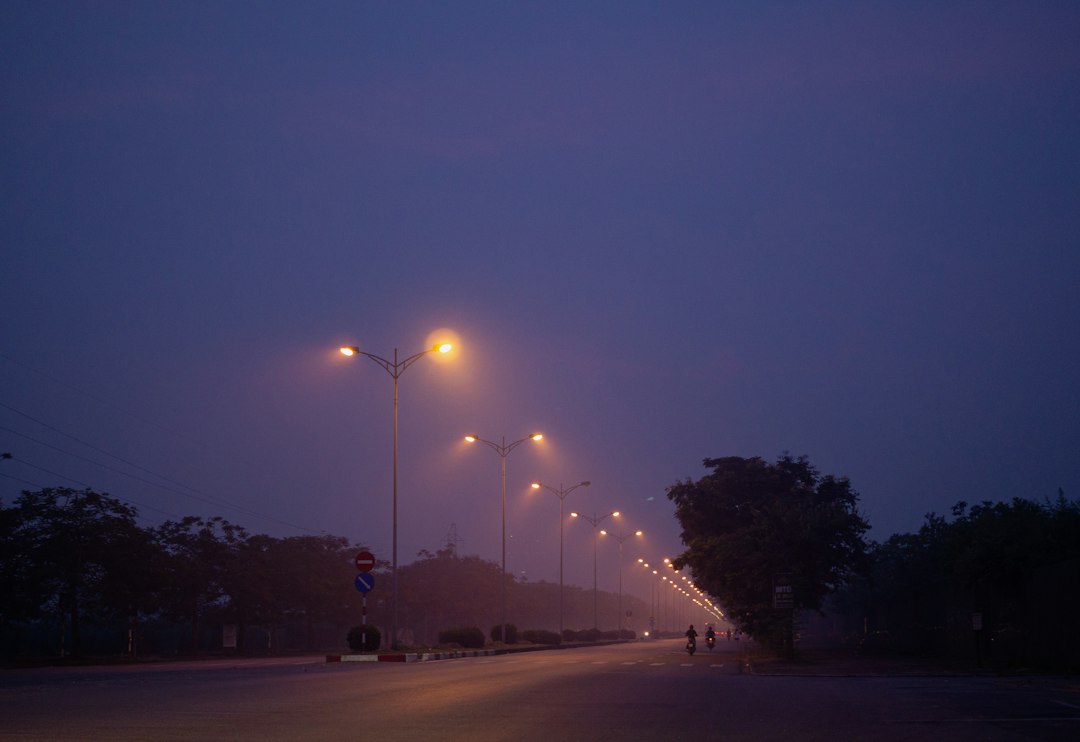
So, your streetlights have gone psychedelic overnight, and you’re wondering what’s up with the purple glow? It’s a pretty common question when a familiar fixture suddenly takes on an unexpected hue. Usually, a streetlight turning purple isn’t a sign of an impending alien invasion or a neighborhood-wide cosmic event. More often than not, it’s a technical glitch, a deliberate change by the utility company, or even a quirk of the bulb technology itself. Let’s dive into the likely reasons why your streetlights might be sporting a new, vibrant color.
The Science Behind the Shift: Why Streetlights Turn Purple
Streetlights aren’t just randomly colored; their illumination is a result of specific scientific processes. The color we perceive is determined by the type of light source and the materials used to create it. Understanding these basics is the first step to unraveling the purple mystery.
Incandescent Bulbs: A Fading Classic
Older street lighting systems might still use incandescent bulbs. These work by heating a filament until it glows. While they produce a warm, yellowish light, they’re not very energy-efficient and have a shorter lifespan compared to modern alternatives. Over time, the filament can degrade, and the glass envelope can become discolored, leading to a shift in the emitted light. A slight yellowish tint is common, but a significant color change, especially to purple, is less likely to be solely from a standard incandescent bulb’s aging process. If it’s a distinctly purple hue, it’s probably not these.
Mercury Vapor Lamps: The Common Culprit
Historically, mercury vapor lamps were a popular choice for street lighting due to their efficiency and long life. These bulbs produce light by passing an electric arc through mercury vapor. The arc excites the mercury atoms, which then emit ultraviolet (UV) light. This UV light then strikes a phosphor coating on the inside of the bulb, causing it to fluoresce and emit visible light. The phosphor mix dictates the color. Older mercury vapor lamps often produced a bluish-white light. However, as these bulbs age, the phosphor coating can degrade. This degradation can alter the way the phosphors react to the UV light, sometimes leading to a shift in the perceived color. A purple or purplish-blue cast is a known phenomenon with aging mercury vapor lamps. The internal chemistry changes, and the light output becomes uneven, with certain wavelengths becoming more prominent, hence the purple effect.
Metal Halide Lamps: A Brighter, Whiter Alternative
Metal halide lamps are another type of high-intensity discharge (HID) lamp. They operate similarly to mercury vapor lamps but include metal halide salts and sometimes mercury. These lamps are known for producing a brighter, whiter light, which is often preferred for street lighting because it renders colors more accurately. The color of light emitted by metal halide lamps can vary depending on the specific metal halide salts used. They can range from a warm white to a cool white or even a slightly bluish tint. While they are generally more stable in color than mercury vapor lamps, aging can still affect their performance and color output. Degradation of the arc tube or changes in the chemical composition can sometimes lead to a shift towards the violet or purple end of the spectrum, though this is usually more subtle than what’s seen with failing mercury vapor lamps.
LED Technology: The New Kid on the Block
Light Emitting Diodes (LEDs) are the modern standard for street lighting, and for good reason. They are highly energy-efficient, have incredibly long lifespans, and offer excellent control over color temperature. Standard white LEDs are typically created by using a blue LED chip and coating it with a yellow phosphor. This phosphor absorbs some of the blue light and re-emits it as yellow, mixing with the remaining blue to create white light.
However, the “white” light from LEDs isn’t always a pure white. It can lean towards cooler, bluer tones or warmer, yellower tones depending on the phosphor blend. The purple appearance in LED streetlights is often a result of the phosphor coating degrading over time. As the phosphor ages or is exposed to heat and UV radiation, it can lose its ability to convert blue light efficiently into yellow. This means more of the original blue light from the LED chip is allowed to pass through, and less yellow light is produced. The combination of a dominant blue light with the residual yellowing of the phosphor can result in a distinct purple or violet hue. This is a known issue with certain types of LED technology and phosphor blends.
Recently, a streetlight in a local neighborhood turned purple overnight, sparking curiosity and speculation among residents. This unusual phenomenon has drawn attention to the potential causes behind such color changes in streetlights, ranging from technical malfunctions to intentional artistic installations. For those interested in exploring similar intriguing occurrences, you can read more about bizarre scientific events in this related article on Freaky Science: Freaky Science.
Investigating the Source: Who’s Responsible for the Lights?
When you notice a change like this, the first practical step is to figure out who’s actually in charge of those streetlights. It’s not usually a neighborhood committee decision.
The Local Municipality: Often the Owner
In most towns and cities, the local municipal government, or a specific department within it (like public works or transportation), owns and maintains the streetlights. They are responsible for everything from installing new ones to replacing bulbs and repairing outages. If your streetlights have turned purple uniformly across several blocks, it’s highly probable that the municipality is involved, either through a planned upgrade or an issue with their installed infrastructure. They’ll have contracts with utility companies for maintenance and energy supply, so they are the primary point of contact.
The Utility Company: Powering the Lights
While the municipality might own the physical lights, the local electric utility company is usually responsible for the power supply and often for the maintenance and repair of the poles and fixtures themselves. They are the ones who send out the crews to change bulbs or fix electrical issues. If the purple lights are a widespread problem across multiple neighborhoods serviced by the same utility, it could point to an issue with their equipment or a batch of bulbs they’ve supplied. They are essentially the backbone of the lighting system.
Private Ownership: Less Common, but Possible
In some specific instances, streetlights might be privately owned. This is less common for standard street lighting but can occur in areas like private residential communities, large commercial developments, or industrial parks. If your neighborhood falls into one of these categories, the property owner or a homeowners’ association would be the entity responsible. This scenario is less likely for a sudden, widespread color change unless it’s part of a planned renovation or a specific technological choice made by the owner.
Decoding the Hue: What Exactly is “Purple”?
The term “purple” can be a bit subjective. Is it a vibrant royal purple, a soft lavender, or more of a bluish-purple? Pinpointing the shade can offer clues about the underlying technology and the nature of the problem.
Blue-Dominant Light: The Primary Driver
The most common reason for a purple tint in streetlights, especially with LED technology, is an imbalance in the light spectrum. The desired “white” light is a mix of colors. When the blue component of that mix becomes disproportionately strong, and the other colors (like yellow and red) are reduced or distorted, the human eye perceives it as leaning towards purple. This is because purple is located at the extreme end of the visible spectrum, adjacent to blue.
Phosphor Degradation in LEDs: A Deeper Dive
As mentioned earlier, in white LEDs, a blue LED chip is typically coated with a phosphor material. This phosphor absorbs some of the blue light and re-emits it as yellow or green. The combination of the remaining blue light and the re-emitted yellow/green light creates what we perceive as white. When the phosphor degrades, it becomes less efficient at converting blue light. This means more blue light escapes the bulb without being converted, and the yellow/green emission might also change or diminish. The result is a light source that is heavily skewed towards blue, with a secondary effect that can create the purple appearance. Think of it like a filter that’s starting to break down, allowing only certain colors to pass through more strongly.
Aging of Mercury Vapor Lamps: A Different Mechanism
For older mercury vapor lamps, the purple shift is often due to the changes in the gas discharge and the phosphor coating. The mercury vapor produces a spectrum of light that includes UV. This UV light then excites the phosphors. Over many hours of operation, the chemical composition within the bulb can change. The phosphors themselves can break down, or the electrical discharge might shift, leading to a different distribution of emitted wavelengths. In failing mercury vapor lamps, the characteristic bluish-white light can become distorted, with the violet and blue wavelengths becoming more pronounced, giving that distinct purple cast.
Potential Causes: From Glitches to Upgrades
Once we understand the science and who’s responsible, we can start to piece together the specific reasons why your streetlights might have changed color. It’s rarely just one thing.
Bulb Technology Failure: The Most Frequent Suspect
This is often the most straightforward explanation. Bulbs, whether they are older mercury vapor or newer LEDs, have a finite lifespan. As they age, their performance degrades. For LEDs, this typically means the phosphor coating can break down, leading to the blue-dominant light and the purple hue. For mercury vapor lamps, it’s a similar aging process within the bulb that alters the light spectrum. A batch of bulbs installed at the same time and in similar environmental conditions might all start to fail in a similar way, leading to a widespread purple phenomenon.
Incompatible or Faulty Replacements: A Mix-Up Happens
Sometimes, the issue isn’t with the original bulbs but with replacements. If a utility company or municipality uses a new type of bulb, or if there’s a manufacturing defect in a batch of replacement bulbs, this could lead to unexpected color changes. For instance, if a batch of LEDs intended for a warmer white temperature were accidentally manufactured with a phosphor blend that leans too blue, or if the phosphor is inherently prone to early degradation, you’d see a uniform purple across affected fixtures. It’s like a domino effect if the wrong parts are put into the system.
Intentional Color Changes: A Less Common, but Possible Scenario
While less likely for a sudden, overnight change without notice, it’s worth considering that the purple hue might be intentional. Some municipalities experiment with different lighting colors for various reasons. Purple or other colored lighting can sometimes be used to deter certain types of insects, reduce light pollution in specific ways, or even for aesthetic purposes in certain areas. However, a sudden, widespread shift to purple without any prior announcement would be unusual for this explanation. If it is intentional, it’s usually part of a larger, communicated project.
Environmental Factors: Heat, Humidity, and Time
The environment in which streetlights operate can significantly impact their lifespan and performance. Extreme temperatures (both hot and cold), high humidity, and even exposure to certain pollutants can accelerate the degradation of bulb components, particularly the phosphor coatings in LEDs. If your neighborhood experiences a unique set of environmental conditions, it might contribute to the premature failure of the bulbs and the resulting color shift. This is especially true if it’s a widespread issue across an entire street or a few connected streets that share similar environmental exposures.
Recently, a streetlight in a small town turned purple overnight, sparking curiosity and speculation among residents. This unusual phenomenon has drawn attention not only for its striking appearance but also for the potential explanations behind it. For those interested in exploring similar intriguing occurrences, you can read more about fascinating scientific anomalies in this related article. Check it out here to delve deeper into the world of unexpected events.
What to Do Next: Reporting the Phenomenon
| Metric | Value | Details |
|---|---|---|
| Location | Main Street, Downtown | Exact street where the purple streetlight was observed |
| Date Observed | 2024-06-15 | The night the streetlight changed color |
| Time Noticed | 10:30 PM | Approximate time when the purple light was first seen |
| Original Light Color | White | Color of the streetlight before turning purple |
| Duration of Purple Light | Unknown | Time the light remained purple (still ongoing or unknown) |
| Possible Causes | Electrical fault, LED malfunction, Vandalism | Hypothesized reasons for the color change |
| Reported To | City Maintenance Department | Authority notified about the issue |
| Response Time | Pending | Time taken for maintenance to respond |
| Safety Concerns | Low | Potential impact on visibility and public safety |
Seeing your streetlights change color can be a bit disorienting, and you might want to know what’s going on. Here’s a practical approach to getting answers and potentially getting things resolved.
Document the Change: Snap a Few Photos
Before you do anything else, take some clear photos or short videos of the purple streetlights. Capture the color accurately, and try to get shots that show the extent of the problem – are all the lights on your street purple, or just a few? Include context if possible, like recognizable street signs or house numbers, so it’s clear where the photos were taken. This documentation will be invaluable when you report the issue.
Contact Your Local Municipality: The First Official Step
Your first official point of contact should be your local city or town hall. Look for the public works department, the department of transportation, or a general citizen services line. Explain what you’ve observed: the streetlights have turned purple overnight. Provide your address or the specific streets affected. They are the ones who manage the lighting infrastructure and will know if it’s a known issue, a planned project, or something they need to investigate.
Reach Out to Your Electric Utility Company: The Power Behind the Lights
If the municipality directs you to, or if you’re unsure who owns the lights, contact your local electric utility company. They are responsible for the electrical supply and often the physical maintenance of the poles and fixtures. They can check their records for any reported outages or maintenance in your area and can dispatch crews to inspect the lights if necessary. Provide them with the same information you gave the municipality.
Check Online Community Forums or Social Media: Local Buzz
Often, if something unusual is happening in a neighborhood, it will be discussed online. Check local community Facebook groups, Nextdoor, or other neighborhood forums. See if other residents have noticed the purple lights and are discussing it. You might find that someone else has already reported it or has information about why it’s happening. This can also help you gauge the scale of the problem.
Follow Up: Persistence is Key
If you don’t hear back after a reasonable amount of time (a few days to a week), follow up on your report. Keep records of who you spoke to, when, and what was said. Polite persistence can often ensure that your concern is addressed. It might take a little time for the issue to be investigated and resolved, especially if it involves a larger infrastructure problem or the ordering of replacement parts. Knowing the potential causes helps in understanding the timeline for resolution.
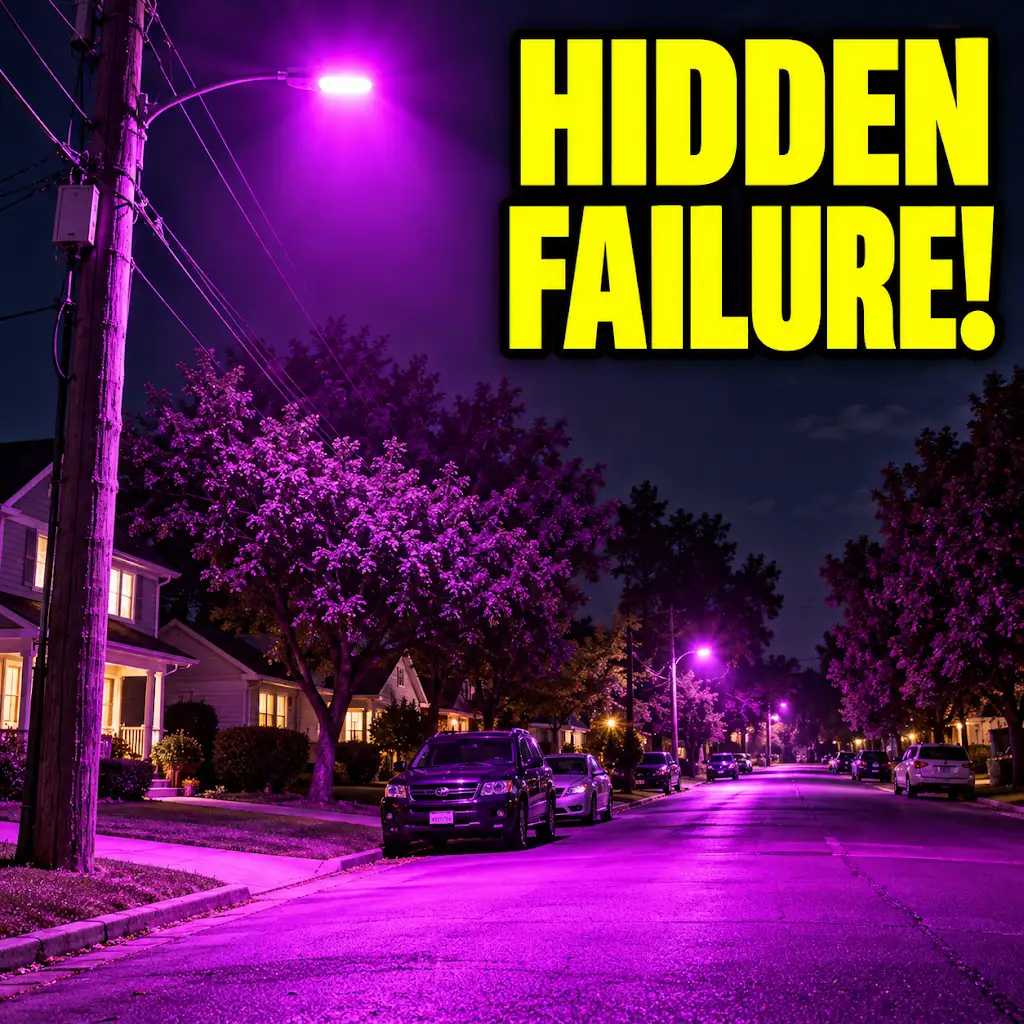
Why The Streetlights Are Turning Purple
FAQs
Why did the streetlight turn purple overnight?
The streetlight turned purple overnight due to a malfunction in the lighting system, causing it to emit a different color than usual.
Is the purple streetlight a safety hazard?
The purple streetlight may not necessarily be a safety hazard, but it could potentially confuse drivers and pedestrians who are used to the standard white or yellow lighting.
Will the purple streetlight be fixed soon?
City officials are aware of the purple streetlight and are working to fix the issue promptly to restore the normal lighting color in the area.
Could the purple streetlight be a result of vandalism?
While it is possible that the purple streetlight was caused by vandalism, it is more likely that it is a technical issue with the lighting system that needs to be addressed.
Are there any benefits to having a purple streetlight?
Having a purple streetlight could potentially raise awareness for certain causes or events, but in most cases, it is important to maintain consistent lighting for safety and visibility reasons.