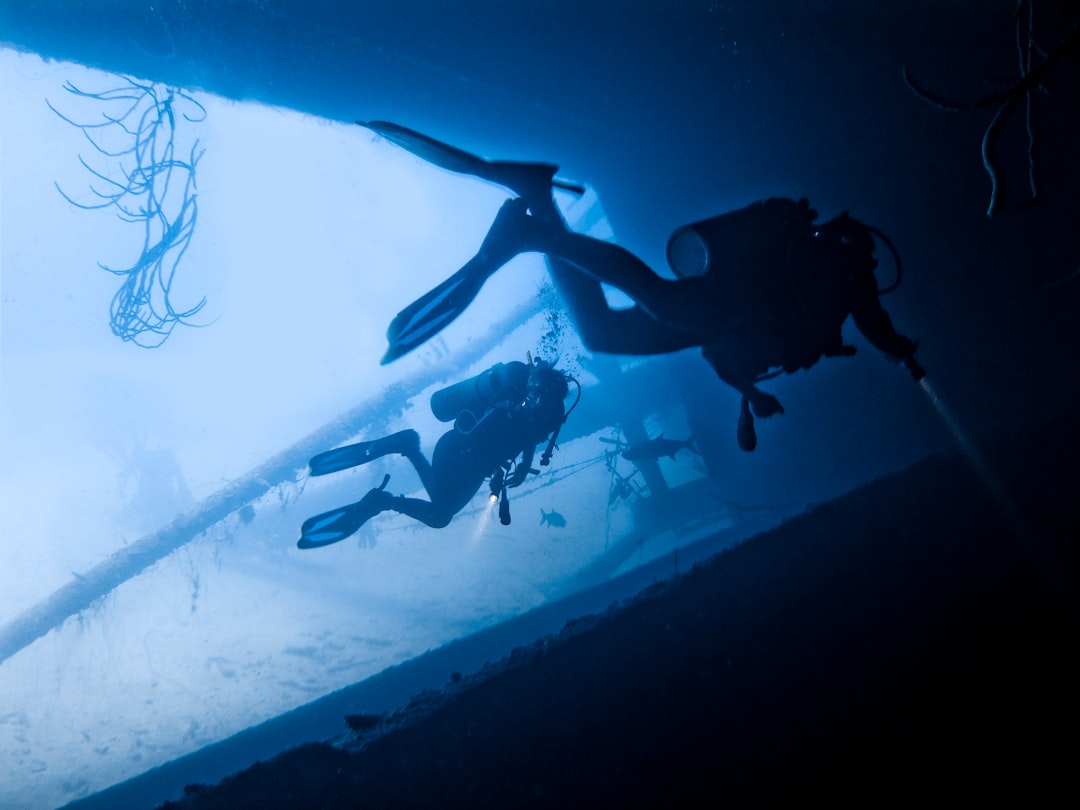
The screen flickered to life, a deep indigo bleeding into absolute black. A hushed anticipation settled over the audience as the narrator’s voice, a calm, resonant baritone, filled the darkened theater. “Welcome to the abyss,” it began, “a realm untouched by the sun, a world of alien landscapes and creatures that defy imagination. Tonight, we embark on a journey into the Mysteries of the Abyss: Deep Sea Exploration Documentary.” The opening shots, a breathtaking panorama of the ocean’s surface giving way to an ever-descending descent, hinted at the profound depths yet to be unveiled. This documentary wasn’t merely a collection of stunning visuals; it was a testament to human curiosity, technological prowess, and the enduring allure of the unknown.
The deep sea represents humanity’s last true frontier. While we have mapped the surface of our planet and even ventured to the moon, the vast majority of our own oceans remain an enigma. The pressure increases exponentially with depth, rendering much of our existing technology obsolete and making exploration a formidable challenge. Yet, it is precisely this inhospitality that guards its secrets, fostering an environment where life has evolved in ways unlike anywhere else on Earth. The documentary eloquently captures this dichotomy: the immense power and pressure of the abyss, and the fragile, yet resilient, life that thrives within it.
The Tyranny of Pressure: A Realm of Extreme Conditions
The sheer physical forces at play in the deep sea are almost incomprehensible. For every 10 meters of depth, the pressure increases by one atmosphere. By the time one reaches the abyssal plains, thousands of meters down, the pressure is hundreds of times greater than at sea level. This immense force can crush conventional submersibles and human bodies alike. The film showcases the ingenious engineering required to overcome these challenges, from the reinforced hulls of deep-sea submersibles to the specialized equipment designed to withstand these crushing forces. The visuals of a submersible’s metal groaning under pressure, or the delicate ballet of robotic arms performing intricate tasks, underscore the constant battle against this elemental foe.
Engineering Marvels: Submersibles and ROVs
The documentary dedicates significant segments to the technological marvels that make deep-sea exploration possible. The development of manned submersibles, like the Trieste and the Alvin, are highlighted as pivotal moments in our understanding of the deep. These vessels, essentially miniature submarines, have allowed humans to directly witness the wonders of the abyss. However, the increasing reliance on Remotely Operated Vehicles (ROVs) and Autonomous Underwater Vehicles (AUVs) is also a central theme. These untethered machines, controlled from the surface or programmed to navigate independently, offer greater flexibility and access to even more extreme environments. The intricate dance between human operators and their robotic extensions is a mesmerizing display of precision and remote control.
Deep sea exploration has always captivated the imagination, revealing the mysteries of the ocean’s depths and the unique life forms that inhabit them. For those interested in learning more about this fascinating subject, a related article can be found at Freaky Science, which delves into the latest advancements in underwater technology and the significance of deep sea research. This documentary not only highlights the challenges faced by explorers but also emphasizes the importance of preserving our oceans for future generations.
The Dance of Darkness: Adapting to an Eternal Night
The absence of sunlight in the deep sea has led to some of the most extraordinary adaptations observed in the natural world. Life here operates under a perpetual twilight, or in regions of absolute darkness, where light is generated solely by the organisms themselves. This bioluminescence, a common phenomenon in the abyss, is explored in captivating detail. The documentary presents a mesmerizing spectacle of glowing creatures, their internal lights serving purposes from attracting prey to warding off predators, and even for communication. The sheer diversity of these light-producing mechanisms is astonishing, painting a picture of an alien world lit from within.
Bioluminescence: Nature’s Own Light Show
The exploration of bioluminescence is a visual feast. From the faint glow of bacteria to the dazzling flashes of deep-sea fish, the documentary captures the ethereal beauty of these living lights. The narrator explains the chemical processes behind bioluminescence, often involving luciferin and luciferase, and delves into the evolutionary advantages these adaptations provide. Viewers are treated to sequences of anglerfish with their bioluminescent lures, viperfish with their glowing fangs, and gelatinous creatures that emit pulsating light in a silent language of the deep. This section truly brings the “mysteries” of the abyss to life, revealing a hidden universe of light and shadow.
Life Against All Odds: The Resilience of the Extremophiles
The deep sea is a harsh environment, characterized by extreme pressure, low temperatures, and a scarcity of nutrients. Yet, life not only survives but thrives in these conditions. The documentary introduces the concept of extremophiles, organisms that have evolved to exist in environments previously thought to be uninhabitable. These creatures, often microbial but also including larger invertebrates and fish, offer invaluable insights into the potential for life on other planets and the fundamental resilience of biological systems. The exploration of hydrothermal vents, in particular, is a highlight, showcasing ecosystems fueled not by sunlight but by chemosynthesis.
Hydrothermal Vents: Oases in the Deep
The discovery of hydrothermal vents in the late 1970s revolutionized our understanding of deep-sea ecosystems. These fissures in the ocean floor release superheated, mineral-rich water, creating oases where life flourishes in the absence of sunlight. The documentary vividly depicts these vibrant communities, teeming with giant tube worms, bizarre crustaceans, and unique species of fish, all of which have adapted to the toxic chemical environment. The contrast between the barren seafloor and the bustling life around the vents is striking, demonstrating the power of adaptation and the ability of life to find a foothold in even the most inhospitable conditions.
The Chemistry of Life: Chemoautotrophs at Work
A crucial aspect of the hydrothermal vent ecosystem is the role of chemosynthesis. The documentary explains how certain bacteria and archaea, the chemosynthetic microbes, form the base of the food web by deriving energy from chemical reactions involving sulfur compounds and other minerals released by the vents. These microbes then support larger organisms that graze on them or host them symbiotically. This process, distinct from photosynthesis, highlights a fundamental alternative pathway for life’s sustenance, expanding our definition of what is possible.
Unveiling the Secrets: Scientific Discovery and Future Potential
The Mysteries of the Abyss is not just about showcasing the wonders of the deep; it is also about the scientific pursuit of knowledge. The documentary interviews leading marine biologists, oceanographers, and engineers, who share their passion for exploration and the ongoing quest to understand this vast and largely unexplored domain. The film highlights significant discoveries, such as the identification of new species, the understanding of deep-sea currents and their impact on global climate, and the potential for novel biochemical compounds with medicinal properties.
The Ongoing Quest for Knowledge: New Species and Ecosystems
Each expedition into the deep sea has the potential to reveal something entirely new. The documentary features footage of scientists excitedly identifying previously unknown species, their faces alight with the thrill of discovery. From the bizarre gulper eel with its disproportionately large mouth to the translucent ghost fish, these encounters underscore how much of Earth’s biodiversity remains hidden. The film emphasizes that the deep sea is not a static environment but a dynamic and evolving one, with ongoing processes shaping its unique ecosystems.
Medicinal Marvels: The Pharmaceutical Promise of the Abyss
Beyond the biological and geological wonders, the deep sea holds immense promise for human benefit. The documentary touches upon the research into deep-sea organisms for potential pharmaceutical applications. Many of these extremophiles have developed unique biochemical pathways to survive their harsh environment, leading to the production of novel compounds with anti-cancer, anti-viral, and antibiotic properties. This aspect of deep-sea exploration underscores its practical importance and its potential to contribute to human health and well-being.
Deep sea exploration has captivated scientists and adventurers alike, revealing the mysteries of the ocean’s depths and the unique ecosystems that thrive there. For those interested in learning more about this fascinating subject, a related article can be found on Freaky Science, which delves into the latest advancements in underwater technology and the discoveries that are reshaping our understanding of marine life. You can read more about these groundbreaking explorations in the article available here.
The Future of Exploration: Technologies and Challenges Ahead
As the documentary draws to a close, it turns its gaze towards the future. The advancements in technology are opening up new possibilities for deeper and more extensive exploration. Concepts like advanced AI-powered AUVs, sophisticated sampling techniques, and even the potential for human habitation in the deep are hinted at. However, the challenges remain immense. The vastness of the ocean, the extreme conditions, and the significant financial investment required for deep-sea expeditions mean that our exploration is still in its infancy.
Innovations in Deep-Sea Technology: Pushing the Boundaries
The film showcases the cutting edge of deep-sea technology, from advanced sonar systems capable of mapping the seafloor in unprecedented detail to sophisticated robotic manipulators that can perform complex surgical procedures on fragile organisms. The development of even more robust and autonomous vehicles promises to unlock new frontiers. The documentary inspires a sense of awe at what has been achieved and ignites a spark for what is yet to come, hinting at a future where the mysteries of the abyss are slowly but surely brought to light.
Conservation Imperatives: Protecting the Unseen World
A critical message woven throughout the documentary is the importance of conservation. As we gain greater access to the deep sea, it is imperative that we do so responsibly. The film highlights the potential threats posed by deep-sea mining, pollution, and climate change to these fragile ecosystems. The creatures of the abyss, adapted to millennia of stable conditions, are particularly vulnerable to rapid environmental shifts. The documentary serves as a powerful call to action, urging viewers to appreciate and protect this last bastion of natural wonder before it is irrevocably altered.
The final images fade to black, leaving the audience with a profound sense of wonder and a renewed appreciation for the vast, unexplored depths of our own planet. “The Mysteries of the Abyss: Deep Sea Exploration Documentary” is more than just a film; it is an invitation to continue the journey, to support scientific inquiry, and to become stewards of the incredible, alien world that lies beneath the waves. The abyss, with its darkness, its pressure, and its extraordinary inhabitants, remains a powerful symbol of the enduring mysteries that continue to beckon humanity forward.

The Deeper You Go, the Less Life Looks Like Life
FAQs
What is a deep sea exploration documentary?
A deep sea exploration documentary is a film or video production that showcases the exploration and study of the deep sea, typically featuring footage of underwater ecosystems, marine life, and scientific research conducted in the ocean’s depths.
What are the main objectives of deep sea exploration documentaries?
The main objectives of deep sea exploration documentaries are to educate and inform viewers about the mysteries of the deep sea, raise awareness about the importance of ocean conservation, and highlight the groundbreaking scientific discoveries and technological advancements in deep sea exploration.
What can viewers expect to see in a deep sea exploration documentary?
Viewers can expect to see stunning underwater footage of deep sea creatures, unique ecosystems, and geological formations, as well as interviews with scientists, explorers, and researchers who are at the forefront of deep sea exploration. The documentaries may also feature discussions about the challenges and risks associated with exploring the deep sea.
How are deep sea exploration documentaries filmed?
Deep sea exploration documentaries are typically filmed using specialized underwater cameras, remotely operated vehicles (ROVs), and submersibles equipped with high-definition cameras and lighting systems. These tools allow filmmakers to capture clear and detailed footage of the deep sea environment.
Where can one watch deep sea exploration documentaries?
Deep sea exploration documentaries can be found on various streaming platforms, such as Netflix, Amazon Prime Video, and National Geographic, as well as on television channels dedicated to nature and science programming. Additionally, some documentaries may be available for purchase or rental on DVD or Blu-ray.