The ocean’s depths hold an enduring mystique, and nowhere is this more profound than in the Midnight Zone. Extending from 1,000 to 4,000 meters (3,300 to 13,100 feet) below the surface, this vast expanse of perpetual darkness is a realm where sunlight never penetrates. It is a world defined by extreme pressure, frigid temperatures, and a scarcity of food, yet it teems with life, harboring creatures of incredible adaptation and bizarre beauty. These are the denizens of the deep, the silent inhabitants of the Midnight Zone, whose existence continues to captivate and challenge our understanding of life on Earth.
The Midnight Zone, also known as the aphotic zone, is characterized by its complete absence of light. This profound darkness shapes every aspect of life within it, dictating the sensory adaptations, feeding strategies, and reproductive behaviors of its inhabitants. Understanding these unique environmental conditions is crucial to appreciating the marvels that have evolved to survive in such a challenging habitat.
Extreme Pressure: A Crushing Reality
As one descends into the ocean, the weight of the water column above exerts immense pressure. In the Midnight Zone, this pressure is staggering, reaching hundreds of atmospheres. For any organism to survive, it must possess specialized biological mechanisms to withstand these forces.
Cellular Adaptations to Pressure
- Protein Stabilization: Many deep-sea organisms have evolved proteins that are more stable under high pressure, preventing them from denaturing or losing their function. This often involves changes in the amino acid composition of these proteins.
- Membrane Fluidity: Cell membranes, essential for regulating the passage of substances, can become rigid under extreme pressure. Deep-sea creatures often have cell membranes with higher proportions of unsaturated fatty acids, which maintain fluidity even in the extreme cold and pressure.
- Osmotic Regulation: Maintaining the correct balance of water and salts within cells is critical. Organisms in the Midnight Zone have developed sophisticated systems to manage osmotic pressure, preventing their cells from being crushed or bursting.
Structural Adaptations to Pressure
- Reduced Gas Spaces: Many deep-sea animals have minimal or no air-filled spaces within their bodies. These spaces would be highly susceptible to collapse under pressure. Instead, they often have more water-filled tissues, which are less compressible.
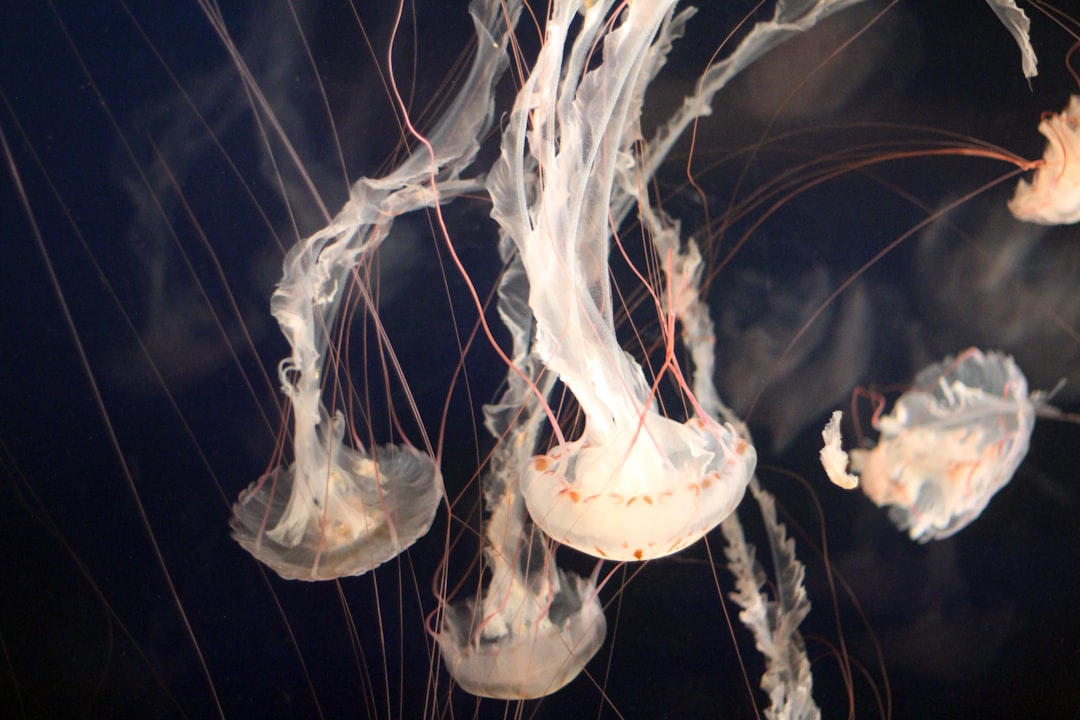
- Gelatinous Bodies: Some of the most iconic deep-sea creatures, like jellyfish and certain types of squid, have soft, gelatinous bodies. This composition allows them to absorb and distribute pressure more evenly, making them more resilient.
- Strong but Flexible Skeletons: While some deep-sea fish have reduced bone structures, those that do possess them often have bone that is less mineralized and more cartilaginous, providing flexibility rather than rigidity.
Frigid Temperatures: A Perpetual Chill
The Midnight Zone is also characterized by consistently low temperatures, typically ranging from 2 to 4 degrees Celsius (36 to 39 degrees Fahrenheit). This frigid environment demands a slow metabolism and specialized adaptations to conserve energy and maintain essential biological processes.
Metabolic Adaptations
- Slowed Metabolism: To conserve energy in a food-scarce environment, most Midnight Zone creatures have very slow metabolic rates. This means they grow, move, and reproduce much slower than their shallow-water counterparts.
- Efficient Energy Utilization: Every calorie counts in the deep sea. Organisms have evolved highly efficient ways to extract energy from the limited food they consume.
Physiological Adaptations to Cold
- Antifreeze Proteins: Some species have evolved proteins that act as natural antifreeze, preventing ice crystals from forming within their cells and tissues, which could be lethal.
- Biochemical Adaptations: Cellular processes themselves have adapted to function optimally at low temperatures, often involving different enzyme configurations or metabolic pathways.
The Absence of Light: A World of Darkness
The defining feature of the Midnight Zone is its absolute darkness. This lack of light has led to a remarkable array of sensory and biological adaptations, profoundly influencing the evolution of its inhabitants.
Sensory Adaptations for Darkness
- Bioluminescence: A Living Light Show: The most striking adaptation to darkness is the widespread use of bioluminescence – the ability to produce light through chemical reactions. This serves a multitude of purposes, from attracting prey to communication and defense.
- Enhanced Hearing and Chemoreception: With vision rendered useless, many deep-sea creatures rely on highly developed senses of hearing and smell (chemoreception) to navigate, find food, and detect predators. Lateral line systems in fish are often highly developed, sensing vibrations and pressure changes in the water.
- Reduced or Modified Eyesight: While many Midnight Zone creatures have lost their eyes altogether, others have developed specialized eyes to detect the faint bioluminescent flashes of other organisms. These eyes might be incredibly large and sensitive or have unique structures for detecting specific wavelengths of light.
Feeding Strategies in the Dark
- Ambush Predators: With limited visibility, many predators adopt an ambush strategy, waiting patiently for prey to come within striking distance. They often have large mouths and extendable jaws to quickly capture any passing meal.
- Luring Prey: Bioluminescence is frequently used as a lure. Anglerfish, for example, possess a fleshy appendage that dangles in front of their mouths, often tipped with bioluminescent bacteria, mimicking small prey to attract unsuspecting victims.
- Scavengers and Detritivores: Given the scarcity of live prey, a significant portion of the Midnight Zone ecosystem relies on organic matter that drifts down from the upper layers of the ocean. This “marine snow” – dead organisms, fecal pellets, and other organic debris – forms the base of the food web for many species.
The fascinating world of midnight zone ocean creatures is explored in depth in a related article that delves into the unique adaptations and survival strategies of these enigmatic beings. For those interested in learning more about the mysterious life forms that inhabit the depths of the ocean, you can read the article here: Midnight Zone Ocean Creatures. This resource provides insights into the extreme conditions these creatures endure and how they thrive in one of the least explored environments on our planet.
Masters of the Dark: Iconic Midnight Zone Creatures
The Midnight Zone is home to some of the most extraordinary and peculiar creatures on Earth. These animals have evolved in isolation, adapting to their extreme environment in ways that challenge our imaginations.
The Anglerfish: A Terrifying Lure
The anglerfish are perhaps the most famous inhabitants of the Midnight Zone, instantly recognizable by their grotesque appearance and predatory prowess.
The Lure of the Anglerfish
- The Eska: The defining feature of female anglerfish is the eska, a modified dorsal fin spine that extends forward over their heads. This eska is tipped with a bioluminescent esca, a glowing lure that contains symbiotic bacteria.
- Attracting Prey: The glowing esca pulsates and moves, mimicking small, tantalizing prey. Unsuspecting fish and invertebrates are drawn to this light, only to be swiftly engulfed by the anglerfish’s enormous mouth.
- Sexual Dimorphism: A fascinating aspect of anglerfish biology is their extreme sexual dimorphism. The males are often tiny, parasitic creatures that attach themselves to the much larger females. They fuse their bloodstreams, becoming essentially a mobile sperm source for the female, a testament to the challenges of finding mates in the vast, dark ocean.
Adaptations for Predation
- Vast Mouth and Teeth: Anglerfish possess enormous mouths lined with needle-sharp, backward-pointing teeth. This anatomy ensures that once prey is captured, it has little chance of escape.
- Distensible Stomach: Their stomachs are highly distensible, allowing them to swallow prey much larger than their own heads, a crucial adaptation in an environment where meals are infrequent.
- Camouflage: Despite their fearsome appearance, many anglerfish have dark, mottled skin that helps them blend into the dark background, further enhancing their ambush capabilities.
The Vampire Squid: A Living Legend
The “vampire squid from hell” ( _Vampyroteuthis infernalis_ ) is not a true squid or octopus but belongs to its own unique order. Its name, derived from its dark coloration and the webbing between its arms, hints at its mysterious nature.
Unique Defensive Mechanisms
- The “Cloak of Invisibility”: When threatened, the vampire squid can invert its webbed arms over its body, creating a cape-like structure that conceals its bright red eyes. This dark, rounded form makes it less conspicuous to predators.
- Bioluminescent “Ink”: Instead of expelling dark ink like its cephalopod relatives, the vampire squid ejects a cloud of bioluminescent mucus. This dazzling display can startle and disorient predators, allowing the squid to escape into the darkness.
- Filaments for Sensing: It possesses two long, retractable sensory filaments, extending far beyond its arms, which are used to detect food particles in the water. These filaments are coated with sticky mucus, trapping small organisms.
Diet and Lifestyle
- Detritivore Feeding: Unlike most cephalopods that are active predators, the vampire squid is primarily a detritivore, feeding on “marine snow” and other organic debris that settles in the deep ocean. It uses its filaments to collect these food particles.
- Low Metabolic Rate: Its diet and lifestyle are supported by an exceptionally low metabolic rate, allowing it to survive on the scarce resources available in its environment.
The Viperfish: A Mouth Full of Needles
The viperfish are another group of formidable predators found in the Midnight Zone, characterized by their terrifyingly large fangs.
The Fearsome Dentition
- Oversized Teeth: Viperfish have disproportionately long, needle-like teeth that are so large they cannot fully fit into their mouths, giving them a perpetually menacing grin. These teeth are essential for impaling and holding onto prey.
- Jaw Structure: Their jaws are highly protrusible, allowing them to extend their mouths forward to capture passing prey.
Hunting and Survival
- Bioluminescent Organs (Photophores): Viperfish possess rows of photophores along their bodies, which are thought to be used for communication, species recognition, and possibly to attract prey.
- Dietary Habits: They feed on smaller fish and crustaceans, which they ambush and then secure with their formidable teeth. Like other deep-sea predators, they have distensible stomachs to accommodate infrequent large meals.
The Blobfish: A Misunderstood Marvel
Often appearing in “ugliest animal” lists, the blobfish (_Psychrolutes marcidus_) is a creature whose appearance is dramatically altered by its removal from the extreme pressure of its natural habitat.
Life Under Pressure
- Gelatinous Body: In its natural environment, the blobfish’s gelatinous body, which has a density slightly less than water, allows it to float just above the seafloor without expending much energy. This gelatinous mass is its key to buoyancy.
- Lack of Musculature: It has very little muscle, as it doesn’t need to swim actively. Instead, it drifts along, consuming small invertebrates and organic matter that floats by.
The Transformation
- Surface Disorientation: When brought to the surface by fishing nets, the extreme drop in pressure causes the blobfish’s body to lose its structural integrity, leading to its characteristic “melted” appearance.
- Adaptation to Scarcity: Its sedentary lifestyle and gelatinous form are perfect adaptations for a low-energy, food-scarce environment, making it a true survivor of the deep.
The Mysteries of Reproduction in the Dark
Finding a mate in the vast, dark expanse of the Midnight Zone presents a significant challenge. This has led to a remarkable array of reproductive strategies, often involving bioluminescence and specialized adaptations.
The Challenge of Finding a Partner
- Low Population Density: The deep sea is sparsely populated, making chance encounters with potential mates rare.
- Limited Sensory Input: The absence of light and the vast distances involved make visual cues for mate attraction unreliable.
Strategies for Reproduction
- Bioluminescent Signals: Many species use their bioluminescent patterns to attract mates. Specific flashes, colors, or sequences of light can signal readiness to reproduce and attract members of the same species.
- Chemical Cues (Pheromones): The release of chemical signals, or pheromones, into the water is another common method for attracting mates over long distances.
- Hermaphroditism: Some deep-sea creatures are hermaphrodites, possessing both male and female reproductive organs. This allows any encountered individual to be a potential mate.
- Parasitic Mating: As seen in anglerfish, some males are tiny and fuse with females, becoming essentially an appendage that provides sperm when needed. This ensures fertilization in a world where encounters are infrequent.
- Large, Egg-Laying: Many deep-sea fish produce large numbers of eggs, increasing the chances of at least some offspring surviving to adulthood.
The Importance of the Midnight Zone Ecosystem
While often overlooked, the Midnight Zone plays a vital role in the global ocean ecosystem. Its inhabitants are integral to the flow of nutrients and energy, and their existence holds significant scientific value.
Nutrient Cycling and Carbon Sequestration
- “Marine Snow” Production: The organisms living in the Midnight Zone contribute to the creation of “marine snow” through their waste products and decaying bodies. This organic matter sinks to the seafloor, providing food for benthic communities.
- Carbon Sink: The deep ocean is a significant carbon sink, and the processes occurring in the Midnight Zone, including the consumption and respiration of organic matter, are part of this global carbon cycle.
Biodiversity and Scientific Discovery
- Untapped Reservoir of Life: The Midnight Zone remains largely unexplored, with vast numbers of species yet to be discovered. Each new discovery offers insights into the incredible adaptability of life.
- Biomedical Potential: Compounds derived from deep-sea organisms have shown promise in medical research, including anti-cancer drugs and antibiotics. The unique biochemical adaptations of these creatures make them a valuable resource.
The fascinating world of midnight zone ocean creatures reveals a myriad of adaptations that allow them to thrive in complete darkness and extreme pressure. For those interested in exploring this mysterious environment further, a related article can provide deeper insights into the unique characteristics of these organisms. You can read more about it in this intriguing piece on marine life at Freaky Science, where the wonders of the ocean’s depths are brought to light.
Exploring the Abyss: Challenges and Future Prospects
| Species | Size | Depth | Adaptations |
|---|---|---|---|
| Giant Squid | Up to 43 feet | 3,000 feet | Bioluminescent organs, large eyes |
| Viperfish | Up to 12 inches | 13,000 feet | Long teeth, hinged lower jaw |
| Gulper Eel | Up to 2.5 feet | 10,000 feet | Large mouth, expandable stomach |
| Fangtooth Fish | Up to 6 inches | 16,000 feet | Sharp teeth, large mouth |
The exploration of the Midnight Zone presents immense technological and logistical challenges. However, ongoing advancements in deep-sea technology promise to unveil more of this enigmatic realm.
The Technological Frontier
- Remotely Operated Vehicles (ROVs) and Autonomous Underwater Vehicles (AUVs): These robotic vehicles equipped with cameras, lights, and sampling equipment are essential tools for exploring the extreme depths.
- Submersibles: Manned submersibles offer direct human observation but are expensive and require significant support.
- Advanced Sonar and Imaging: New technologies are being developed to map the seafloor and detect life in the darkness without the need for extensive lighting.
Future Research and Conservation
- Mapping and Biodiversity Surveys: Continued efforts are needed to map the seafloor and conduct comprehensive biodiversity surveys to understand the distribution and abundance of Midnight Zone life.
- Understanding Ecosystem Dynamics: Further research is required to unravel the complex food webs and ecological interactions within this environment.
- Conservation Efforts: As human activities, such as deep-sea mining, begin to impact these remote areas, understanding the fragility of the Midnight Zone ecosystem is crucial for developing effective conservation strategies.
The Midnight Zone, with its perpetual darkness, crushing pressure, and frigid temperatures, is a testament to the resilience and ingenuity of life. The creatures that inhabit this mysterious realm are not merely strange curiosities but vital components of our planet’s intricate web of life. As technology advances, our ability to explore and understand these profound depths will continue to grow, revealing more of the awe-inspiring wonders that lie hidden in the heart of the ocean. The silent, unseen world of the Midnight Zone continues to beckon, promising further revelations and a deeper appreciation for the extraordinary biodiversity our planet harbors.

The Deeper You Go, the Less Life Looks Like Life
FAQs
What is the midnight zone in the ocean?
The midnight zone, also known as the aphotic zone, is the deepest part of the ocean where sunlight cannot penetrate. It starts at a depth of about 3,280 feet (1,000 meters) and extends to the ocean floor, which can be as deep as 19,685 feet (6,000 meters).
What kind of creatures live in the midnight zone?
The creatures that live in the midnight zone are specially adapted to survive in extreme conditions of high pressure, cold temperatures, and complete darkness. Some examples of these creatures include anglerfish, gulper eels, vampire squid, and deep-sea jellyfish.
How do creatures in the midnight zone survive without sunlight?
Creatures in the midnight zone have adapted to survive without sunlight by developing bioluminescent features, such as glowing body parts and light-producing organs. They also rely on other senses, such as touch and smell, to navigate and find food in the darkness.
What are some unique adaptations of creatures in the midnight zone?
Creatures in the midnight zone have unique adaptations such as transparent bodies, large mouths and stomachs to consume any available food, and the ability to withstand extreme pressure. Some also have elongated bodies and appendages to conserve energy in the low-food environment.
Why is the study of midnight zone creatures important?
Studying midnight zone creatures is important because it helps us understand how life can thrive in extreme environments. It also provides insights into potential medical and technological advancements, as well as the impact of human activities on deep-sea ecosystems.