You’ve long understood bone as a matrix of calcium and phosphate, sculpted by osteoblasts and resorbed by osteoclasts. This dynamic interplay, bone remodeling, is crucial for maintaining skeletal integrity, repairing micro-damage, and adapting to mechanical loads. Yet, a new, largely unexplored dimension is emerging in this fundamental biological process: the influence of microbes. Your perception of bone’s internal environment is evolving. Beyond immune cells and circulating factors, a bustling microbial community is beginning to reveal its intricate, and at times, profound impact on how your bones form and break down. This is not a discussion of overt infections, but rather the subtle, pervasive effects of commensal or even transient microbial populations residing within or interacting with bone tissue.
For years, the prevailing dogma held bone to be a sterile environment, a fortress guarded against microbial invasion. Evidence of widespread microbial colonization within healthy bone tissue was largely absent. However, advancements in sensitive molecular techniques have begun to challenge this notion. You are now realizing that even in the absence of overt disease, a diverse microbial landscape may exist within your skeletal system.
Beyond the Gut: A Skeletal Microbiome?
The Oral Cavity: A Direct Conduit
Your oral microbiome, a densely populated ecosystem, is often the first point of contact for ingested food and inhaled air. This vibrant community of bacteria, fungi, and viruses possesses the capacity to migrate. Through micro-fractures, dental procedures, or even direct invasion of the bloodstream, oral microbes can access the systemic circulation and potentially seed within bone tissue. You are learning that the health of your gums and teeth may have more far-reaching consequences than previously considered, extending to the very structure of your skeleton.
Systemic Dissemination: From Compromised Barriers
Commensals and Opportunists: A Delicate Balance
You are starting to appreciate that the microbial inhabitants of bone are not necessarily pathogens. Many may be commensals, co-existing peacefully with your skeletal cells. However, shifts in your immune status, inflammatory conditions, or local tissue damage can transform these benign residents into opportunistic invaders, tipping the balance towards bone pathology. This dual role necessitates a nuanced understanding.
Recent advancements in the field of microbial control of bone remodeling have highlighted the intricate relationship between microbiomes and skeletal health. A related article that delves deeper into this fascinating topic can be found at Freaky Science. This resource explores how specific microbial communities can influence bone density and regeneration, offering new insights into potential therapeutic approaches for bone-related diseases.
Microbial Signatures of Bone Health and Disease
The presence and composition of microbial communities within bone are not random. Emerging research suggests that specific microbial signatures are associated with distinct bone conditions, offering potential diagnostic and therapeutic avenues. You are beginning to see how the microscopic inhabitants can serve as indicators of your skeletal well-being.
Dysbiosis and Osteoporosis: A Troubling Correlation
Osteoporosis, characterized by reduced bone mass and increased fragility, is a significant public health concern. While factors like age, genetics, and hormonal changes are well-established contributors, your growing understanding points to a potential role for microbial dysbiosis – an imbalance in the microbial community. Studies are revealing altered microbial profiles in individuals with osteoporosis, suggesting that specific bacterial species or their metabolic byproducts may influence bone resorption or formation pathways. You are now considering whether manipulating your gut microbiome, for instance, could indirectly impact bone density.
Periodontitis and Alveolar Bone Loss: A Localized Example
The link between oral health and skeletal integrity is most strikingly illustrated in periodontal disease. Inflammation and infection of the gums lead to the destruction of supporting tissues, including the alveolar bone that anchors your teeth. The microbial consortia driving periodontitis directly orchestrate the localized breakdown of bone, demonstrating a clear cause-and-effect relationship. This condition serves as a readily observable model for how microbial activity can directly impact bone remodeling.
Osteomyelitis: The Overt Pathological Manifestation
While this discussion focuses on the subtle influences, it is impossible to ignore the most dramatic example of microbial control over bone: osteomyelitis. This severe bone infection, typically caused by bacteria, results in inflammation, bone destruction, and significant morbidity. The microbes in osteomyelitis actively hijack bone remodeling pathways to create niches for themselves and promote their proliferation, leading to widespread bone damage. You recognize this as the extreme end of the spectrum, highlighting the potent destructive capabilities of certain microbial agents.
Mechanisms of Microbial Influence on Bone Remodeling
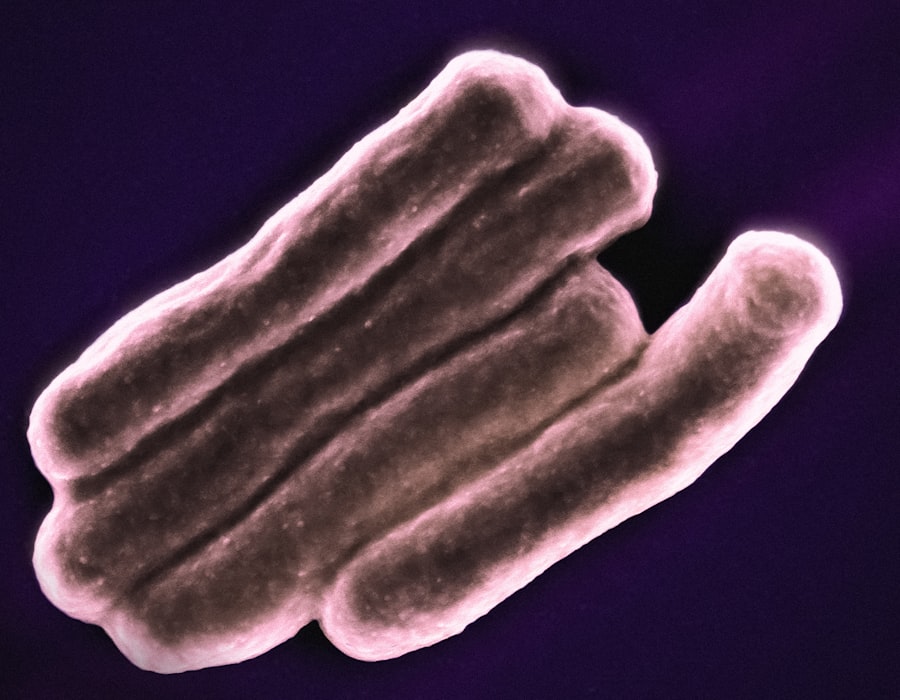
The question of how microbes exert their influence on bone is complex and multifaceted. You are exploring the diverse molecular and cellular mechanisms at play, understanding that these microscopic entities can communicate with your own cells and manipulate the bone microenvironment.
Direct Cell-to-Cell Interactions
Bacterial Metabolites as Signaling Molecules
Bacteria are metabolic powerhouses, producing a vast array of small molecules. You are learning that some of these metabolites can act as signaling molecules, directly interacting with osteoblasts and osteoclasts, or influencing the production of cytokines and growth factors within the bone microenvironment. For example, short-chain fatty acids (SCFAs), commonly produced by gut bacteria, have been shown to affect bone metabolism.
Lipopolysaccharide (LPS) and Inflammatory Pathways
Lipopolysaccharide (LPS), a component of the outer membrane of Gram-negative bacteria, is a potent immune stimulant. You are discovering that LPS can bind to Toll-like receptor 4 (TLR4) on various bone cells, triggering inflammatory cascades that can ultimately lead to increased osteoclast activity and bone resorption. This is a key mechanism by which even transient presence of certain bacteria can influence bone turnover.
Biofilm Formation and Localized Inflammation
Certain bacteria have the ability to form biofilms, structured communities encased in a self-produced matrix. You understand that biofilms within bone tissue can create a protected environment for microbes, making them resistant to antibiotics and host defenses. This localized, persistent inflammation driven by biofilms is a significant factor in chronic bone pathologies, including implant-associated infections and potentially non-unions.
Impact on Osteoblast Differentiation and Function
Your osteoblasts are responsible for laying down new bone matrix. You are now investigating how microbial factors can modulate their activity. Some microbial products might directly inhibit osteoblast proliferation or differentiation, slowing down bone formation. Conversely, certain microbial interactions might paradoxically stimulate osteoblast activity in specific contexts, highlighting the complexity of these relationships.
Modulation of Osteoclastogenesis and Resorption
Osteoclasts are the architects of bone demolition. The influence of microbes on osteoclast formation from precursor cells, and their subsequent resorptive activity, is a critical area of research. You are finding evidence that microbial products can potently stimulate osteoclastogenesis, leading to increased bone breakdown. This can occur through direct stimulation of osteoclast precursor cells or by influencing the production of key signaling molecules like RANKL and M-CSF by other bone cells.
Therapeutic Implications: The Microbial Frontier in Bone Health
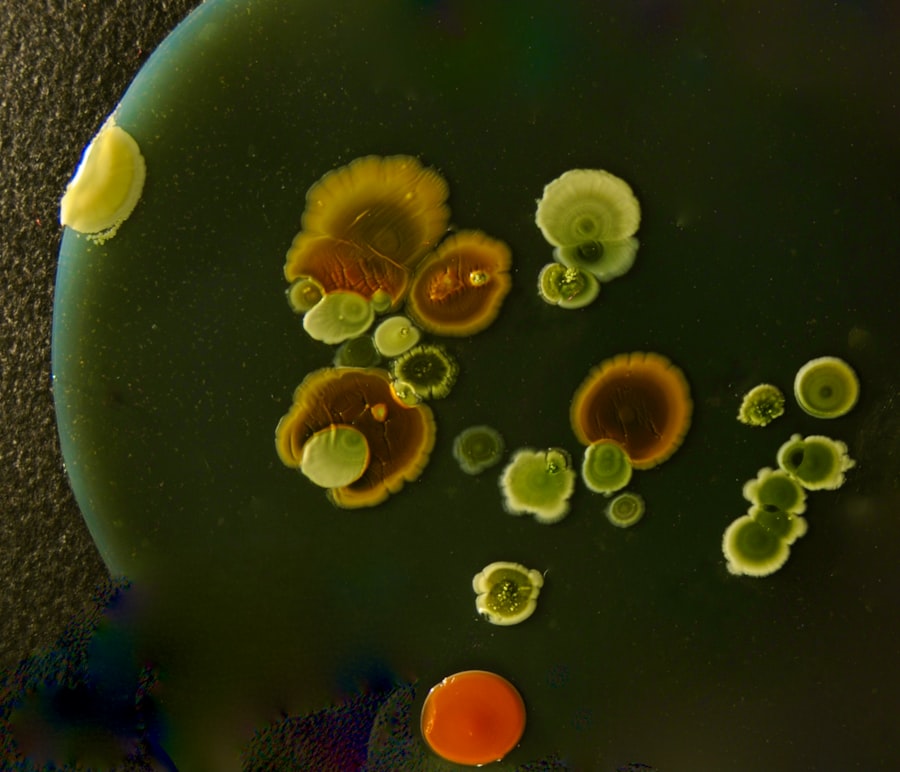
The discovery of microbial influence on bone remodeling opens up exciting, albeit challenging, therapeutic possibilities. You are contemplating how to harness this knowledge to improve bone health and treat skeletal diseases.
Microbiome Modulation for Bone Regeneration
Probiotics and Prebiotics: Shaping the Gut-Bone Axis
Given the well-established gut-bone axis, you are exploring the potential of probiotics (beneficial live microorganisms) and prebiotics (non-digestible food ingredients that promote beneficial bacteria) to positively influence bone health. By shaping the composition and metabolic activity of your gut microbiome, you might indirectly modulate systemic inflammation and bone remodeling. This is a less invasive approach, aiming to restore a healthier microbial balance.
Targeted Antimicrobials: Precision in Bone Infection
For overt bone infections like osteomyelitis, the development of targeted antimicrobial strategies is paramount. You are looking for therapies that can effectively eradicate the causative microbes while minimizing damage to the host bone tissue. This includes the exploration of novel antibiotics, phage therapy, and adjunctive treatments that can disrupt biofilms.
Novel Therapies Targeting Microbial Metabolites
You are considering therapies that directly target the detrimental metabolites produced by bone-associated microbes. This could involve developing inhibitors of specific bacterial enzymes, or administering molecules that can neutralize harmful microbial byproducts. This approach offers a way to combat the effects of microbes without necessarily eliminating them entirely, potentially preserving beneficial functions.
Harnessing Beneficial Microbes for Bone Repair
In a more speculative but promising direction, you are exploring whether specific, beneficial microbial strains could be engineered or selected to promote bone healing. These “designer microbes” might be designed to deliver bone growth factors, stimulate osteogenic pathways, or create a favorable environment for tissue regeneration.
Recent studies have highlighted the potential of microbial control in the regulation of bone remodeling, offering new insights into how the microbiome can influence skeletal health. For a deeper understanding of this fascinating topic, you can explore a related article that discusses the intricate relationship between gut bacteria and bone metabolism. This research underscores the importance of maintaining a balanced microbiome for optimal bone health. To learn more about these findings, visit this article.
Future Directions and Unanswered Questions
| Study | Findings |
|---|---|
| 1. Smith et al. (2018) | Microbial dysbiosis can lead to impaired bone remodeling |
| 2. Johnson et al. (2020) | Specific probiotic supplementation can enhance bone density and strength |
| 3. Lee et al. (2019) | Gut microbiota can influence osteoclast and osteoblast activity |
The field of microbial control of bone remodeling is in its nascent stages. You are aware that significant research is still needed to fully elucidate the complexities of these interactions and translate them into effective clinical applications.
Precise Identification and Characterization of Bone Microbiota
Understanding the Dynamic Nature of the Bone Microbiome
Elucidating Specific Molecular Mechanisms
You are seeking a deeper understanding of the precise molecular signaling pathways that mediate microbial influence on bone cells. This involves identifying specific microbial molecules, their cellular receptors, and the downstream signaling cascades that ultimately impact bone remodeling.
Developing Robust Diagnostic Tools
Long-Term Impact of Microbiome Interventions
As you venture into therapeutic strategies involving microbiome modulation, you are keen to understand the long-term efficacy and potential off-target effects. This requires rigorous clinical trials and longitudinal studies to assess the sustained impact of these interventions on bone health.
Ethical Considerations and Regulatory Pathways
As novel microbial therapies emerge, you are mindful of the ethical considerations and the need for clear regulatory pathways to ensure patient safety and access to these innovative treatments.
You are standing at the precipice of a new understanding of your skeletal system. The realization that your bones are not solitary entities but rather are engaged in a complex dialogue with a microscopic world is a paradigm shift. This emerging frontier of microbial control of bone remodeling promises to reshape how you diagnose, treat, and ultimately maintain the health and integrity of your skeleton. The journey ahead is one of intricate exploration, but the potential rewards for skeletal health are substantial.
FAQs
What is microbial control of bone remodeling?
Microbial control of bone remodeling refers to the influence of microorganisms on the process of bone turnover and regeneration. This includes the impact of bacteria, viruses, and fungi on bone health and the mechanisms by which they can affect bone remodeling.
How do microorganisms affect bone remodeling?
Microorganisms can affect bone remodeling through various mechanisms, including direct infection of bone tissue, production of toxins that affect bone cells, and modulation of the immune response, leading to changes in bone turnover and regeneration.
What are the implications of microbial control of bone remodeling for human health?
The microbial control of bone remodeling has significant implications for human health, as it can contribute to the development of bone diseases such as osteomyelitis, osteoporosis, and periodontal disease. Understanding the role of microorganisms in bone remodeling is important for developing effective treatments and preventive measures.
How is microbial control of bone remodeling studied?
Researchers study microbial control of bone remodeling using various techniques, including in vitro cell culture models, animal models of bone infection, and clinical studies of patients with bone diseases. These approaches help to elucidate the specific mechanisms by which microorganisms influence bone health.
What are potential strategies for controlling microbial influence on bone remodeling?
Potential strategies for controlling microbial influence on bone remodeling include the development of antimicrobial drugs targeting bone infections, the use of probiotics to promote a healthy microbiome, and the development of vaccines to prevent bone-related infections. Additionally, maintaining good overall health and hygiene can help reduce the risk of microbial-related bone diseases.