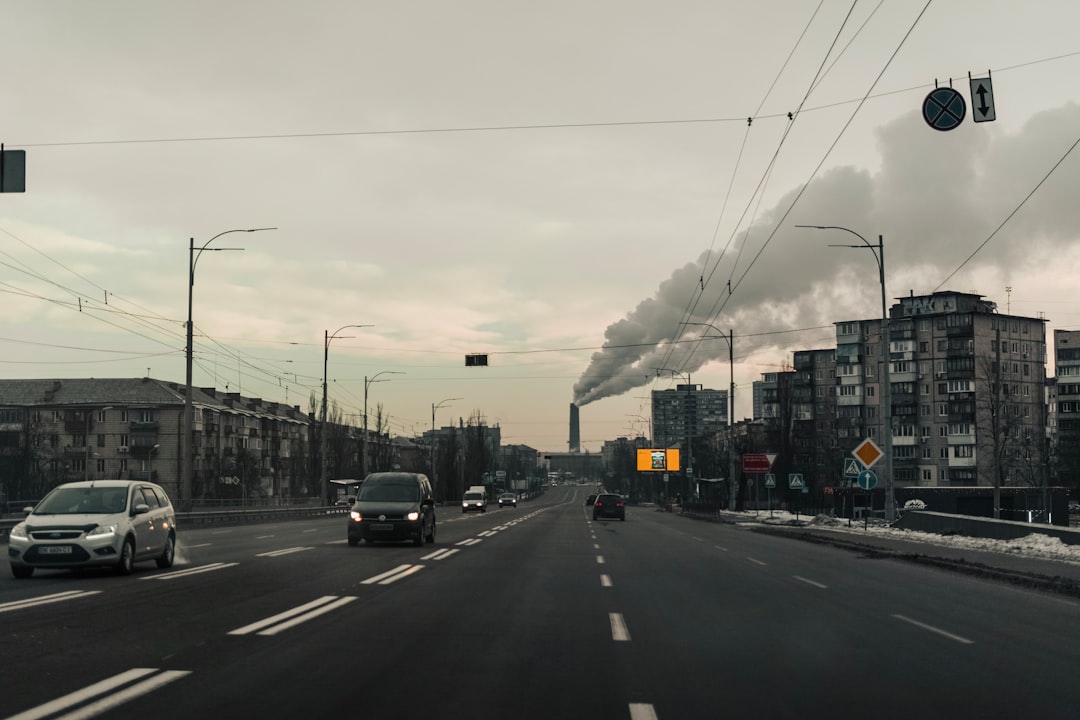
The global community grapples with the escalating threat of climate change, a complex tapestry woven with many threads. While the persistent rise of carbon dioxide ($CO_2$) from burning fossil fuels often dominates headlines and policy discussions, another greenhouse gas, methane ($CH_4$), plays a crucial, and perhaps more urgent, role in shaping our planet’s near-term temperature trajectory. Methane, a gas often described as a “silent killer” due to its less visible but potent impact, represents a significant and immediate challenge to efforts aimed at mitigating the worst effects of global warming. Understanding its sources, its atmospheric behavior, and the pathways to its reduction is paramount if humanity is to navigate the critical decades ahead.
The Potent Punch of Methane
Methane’s Atmospheric Lifetime and Global Warming Potential
While $CO_2$ is the undisputed king of greenhouse gases in terms of its cumulative atmospheric concentration and long-term warming effect, methane wields a significantly more powerful punch in the short to medium term. Think of it like this: $CO_2$ is a slow-burning, ever-growing ember that consistently radiates heat over centuries. Methane, on the other hand, is a wildfire – its immediate heat output is enormous, but it burns itself out much faster.
- Short-Lived, Potent Warming: Methane has an atmospheric lifetime of approximately 12 years. This might seem short compared to $CO_2$’s centuries-long persistence. However, over a 20-year period, methane traps about 84 times more heat than an equivalent mass of $CO_2$. When considering a 100-year timeframe, its warming potential, known as its Global Warming Potential (GWP), drops to around 28-34 times that of $CO_2$. This shorter, intensified warming effect makes methane emissions a critical lever for immediate climate action. Reducing methane today can yield noticeable temperature benefits within a decade, offering a vital breathing room for tackling longer-lived emissions.
- Beyond the Direct Effect: The impact of methane doesn’t end with its direct heat-trapping ability. In the atmosphere, methane oxidizes, primarily forming $CO_2$ after a period of about a decade. While this conversion reduces its immediate warming impact, the resulting $CO_2$ still contributes to the long-term warming of the planet. Furthermore, methane can influence atmospheric chemistry in ways that indirectly affect climate. For instance, it can lead to the formation of tropospheric ozone, another potent greenhouse gas, particularly in the lower atmosphere.
Quantifying the Methane Threat
The Scale of Methane Emissions
The substantial warming potential of methane, coupled with significant and in some cases growing global emissions, translates into a substantial contribution to current warming trends. Scientific assessments consistently highlight methane as a critical factor for understanding near-term climate change.
- A Significant Chunk of the Warming Pie: The Intergovernmental Panel on Climate Change (IPCC) reports have consistently identified methane as the second-largest contributor to anthropogenic (human-caused) warming after $CO_2$. Estimates suggest that methane from human activities has contributed approximately 30% of the total warming experienced since the pre-industrial era. This is a substantial figure, underscoring the importance of addressing methane as a priority alongside $CO_2$.
- Uncertainty in the Sources: While the overall impact of methane is clear, precisely quantifying emissions from all sources remains a significant scientific challenge. Natural processes, such as the decomposition of organic matter in wetlands and the digestion of food by ruminant animals, are significant natural sources. However, human activities have dramatically amplified these natural emissions and introduced entirely new pathways. The precise magnitude of each human-driven source, and the potential for mitigation within them, is an active area of research. This uncertainty, however, should not be an excuse for inaction but rather a call for more robust monitoring and research.
Human-Caused Methane: The Major Culprits
Fossil Fuels: A Double Whammy
The extraction, processing, and transportation of fossil fuels are major sources of methane emissions, creating a pernicious cycle for climate change. This is not just about the burning of these fuels for energy but also the inherent leakage associated with their production.
- Natural Gas Systems: The Leaky Pipelines: A significant portion of anthropogenic methane emissions stems from the oil and natural gas industry. This includes leaks from wells, pipelines, processing plants, and storage facilities. Natural gas is primarily composed of methane, and even small leaks can release substantial quantities of this potent greenhouse gas into the atmosphere. The infrastructure for delivering natural gas to homes and industries has, in many regions, aged and is prone to leaks. These are often accidental but can also be a result of routine operations such as venting and flaring.
- Coal Mining: A Buried Threat: Coal mines, particularly underground mines, are also significant sources of methane. Methane is often trapped within coal seams and is released during the mining process. While regulations and technologies have improved in some areas to capture or mitigate these emissions, coal mining remains a substantial contributor to global methane levels.
Agriculture: Feeding the World, Fuelling the Warming
The agricultural sector, while essential for human survival, is an undeniable engine of methane emissions. This is a complex challenge, as it is intrinsically linked to global food security.
- Enteric Fermentation: The Bovine Burden: Ruminant livestock, such as cattle, sheep, and goats, produce methane as a byproduct of their digestive process, a phenomenon known as enteric fermentation. Microbes in their stomachs break down plant matter, releasing methane. As global demand for meat and dairy products continues to rise, so too does the size of the global livestock population, leading to a significant increase in methane emissions from this source.
- Manure Management: A Methane Soup: The decomposition of animal manure in the absence of oxygen, a process called anaerobic digestion, also releases substantial amounts of methane. The way manure is stored and managed—whether in lagoons, piles, or spread on fields—can significantly influence the amount of methane released. Inadequate storage practices are a prime culprit.
- Rice Cultivation: Waterlogged Paddies: Flooded rice paddies create anaerobic conditions in the soil, ideal for methane-producing microbes. As rice is a staple food for a large portion of the world’s population, rice cultivation constitutes a significant anthropogenic source of methane, particularly in Asia. The practice of continuously flooding rice fields for extended periods contributes to this issue.
Waste Management: A Decomposing Problem
The way societies manage their waste provides another fertile ground for methane generation. Landfills, in particular, are notorious emitters.
- Landfills: Anaerobic Decomposition Hotspots: When organic waste decomposes in landfills under anaerobic conditions, it produces landfill gas, which is approximately 50% methane. As more waste is generated and the number and size of landfills increase, so too do methane emissions. Much of this waste is comprised of food scraps, yard trimmings, and paper products, all readily biodegradable.
- Wastewater Treatment: A Necessary Evil?: Wastewater treatment plants, while essential for public health, can also be sources of methane. The anaerobic digestion of sludge that occurs during the treatment process releases methane. While some facilities aim to capture this methane for energy, widespread efficient capture is not yet the norm.
The Climate Feedback Loop: A Vicious Cycle
The existence of methane emissions is not a static problem; it can actively exacerbate climate change through feedback mechanisms, accelerating the warming trend.
- Warming Oceans and Methane Hydrates: The oceans store vast quantities of methane trapped in ice-like structures called methane hydrates, primarily on continental shelves. As ocean temperatures rise due to global warming, there is a theoretical concern that these hydrates could destabilize and release significant amounts of methane into the atmosphere. While the precise scale and timing of this potential feedback are uncertain, it represents a potentially catastrophic amplification of warming. This is a concern for the long term, but the initial warming that could trigger it is happening now.
- Thawing Permafrost: Releasing Ancient Stores: Vast areas of permafrost in the Arctic regions contain enormous reserves of organic carbon accumulated over millennia. As the planet warms, this permafrost is thawing, allowing microbes to decompose the organic matter and release both methane and $CO_2$ into the atmosphere. This is a significant positive feedback loop, meaning that the warming caused by human activities is, in turn, triggering processes that release more greenhouse gases, leading to further warming. The Arctic is warming at a rate considerably faster than the global average, making permafrost thaw a particularly worrying concern.
Untangling the Solutions: Mitigation Strategies
Addressing the methane challenge requires a multi-faceted approach, targeting each of the major emission sectors. Fortunately, many of these solutions are readily available and can offer economic co-benefits.
- Fossil Fuels: Plugging the Leaks and Beyond: The oil and gas industry has a clear imperative to reduce methane leaks through improved infrastructure maintenance, leak detection and repair programs, and the adoption of best practices in operations. Regulations and international agreements are vital to drive this change. Furthermore, a transition towards renewable energy sources will, by its nature, reduce the demand for fossil fuels and thus their associated methane emissions. Technologies for capturing methane from coal mines and utilizing it for energy are also crucial.
- Agriculture: Innovation for a Greener Plate: In agriculture, reducing methane from livestock can involve improved feed management, dietary supplements that inhibit methane production in the rumen, and enhanced manure management practices. For rice cultivation, adopting water-saving techniques such as alternate wetting and drying can significantly reduce methane emissions. Research into more climate-resilient and lower-emission rice varieties is also ongoing.
- Waste Management: Turning Waste into Resource: Diverting organic waste from landfills through composting and anaerobic digestion can transform a methane source into a valuable resource. Anaerobic digesters can capture methane and use it to produce biogas, which can be used for heat and electricity. Capturing methane from existing landfills, even if waste is still being deposited, is also a crucial step. Improved waste segregation at the source can facilitate these more sustainable processes.
The Urgency of Action: A Window of Opportunity
The high potency of methane over shorter timescales presents a unique and compelling opportunity for rapid climate action. Reducing methane emissions can deliver swift and substantial benefits, providing a valuable buffer as the world transitions away from carbon-intensive economies.
- Near-Term Temperature Impact: Unlike the slow and persistent warming from $CO_2$, reductions in methane emissions can lead to a noticeable decrease in the rate of global warming within a decade. This is a critical advantage, as it can help slow the progression of potentially irreversible climate impacts like sea-level rise, extreme weather events, and biodiversity loss. Every tenth of a degree of warming avoided, especially in the near term, matters.
- A Complementary Strategy: Addressing methane emissions should not be seen as an alternative to decarbonizing the energy sector but as a vital complement. It offers a powerful way to achieve significant near-term climate benefits that can buy time and build momentum for the longer-term transition away from fossil fuels. The technologies and policies to reduce methane are often mature and cost-effective, making ambitious targets achievable.
The stealthy assassin that is methane poses a clear and present danger to our climate. Its potent warming power and widespread human-driven sources demand urgent attention. By understanding its role, identifying its origins, and implementing targeted mitigation strategies, humanity can begin to neutralize this immediate threat and pave the way for a more stable and sustainable future. The time to act is now, before the embers of methane-driven warming ignite a truly unmanageable inferno.

WARNING: The Ocean Conveyor Belt Is Already Collapsing
FAQs

What is methane and why is it important in the context of climate change?
Methane is a potent greenhouse gas that is released during the production and transport of coal, oil, and natural gas. It is important because it has a much higher global warming potential than carbon dioxide over a short time frame, contributing significantly to near-term warming.
How do methane leaks contribute to near-term global warming?
Methane leaks release methane directly into the atmosphere, where it traps heat more effectively than carbon dioxide in the short term. This accelerates the rate of global warming, especially over the next few decades.
What are the main sources of methane leaks?
The main sources of methane leaks include natural gas infrastructure such as pipelines, storage facilities, and production sites, as well as agricultural activities, landfills, and wetlands.
Can reducing methane leaks help slow down climate change?
Yes, reducing methane leaks can have a rapid and significant impact on slowing near-term warming because methane has a relatively short atmospheric lifetime. Cutting emissions can quickly reduce the amount of methane in the atmosphere.
What measures are being taken to detect and prevent methane leaks?
Measures include improved monitoring technologies like satellite and aerial surveillance, stricter regulations on methane emissions, better maintenance of natural gas infrastructure, and the development of leak detection and repair programs.