You’ve probably heard it a million times: never put metal in the microwave. It’s a warning ingrained in us from childhood, a culinary red flag that conjures images of sparks and potential fires. But have you ever stopped to wonder why? Is it truly a catastrophic danger, or just an overblown myth? As you stand there, contemplating nuking that leftover foil-wrapped deliciousness, let’s dive deep into the fascinating (and sometimes fiery) world of metal and microwaves.
Before we can understand why metal is a problem, you need to grasp how your microwave oven actually cooks your food. It’s not about radiant heat like your oven or stovetop. Instead, your microwave uses a special component called a magnetron to generate electromagnetic waves, specifically microwaves. These waves are a form of non-ionizing radiation, meaning they don’t have enough energy to alter atoms or molecules in a way that could cause cancer. Their power lies in their ability to interact with certain molecules, most notably water.
The Magnetron: The Heart of the Microwave
Think of the magnetron as the engine of your microwave. It takes electrical energy and converts it into high-frequency radio waves. These waves are then directed into the cooking chamber, where they bounce around.
How Microwaves Heat Food
The magic happens when these microwaves encounter the food. Water molecules, fat molecules, and sugar molecules are polar, meaning they have a positive and a negative end, much like tiny magnets. When the microwaves pass through the food, their oscillating electric field causes these polar molecules to rapidly rotate back and forth, trying to align themselves with the changing field. This rapid movement creates friction between the molecules, which in turn generates heat, cooking your food from the inside out. It’s this very process that makes microwaves so efficient at reheating leftovers and cooking certain dishes quickly.
Frequency and Wavelength: The Technical Details
Microwave ovens typically operate at a frequency of around 2.45 gigahertz (GHz). This corresponds to a wavelength of about 12.2 centimeters. This specific frequency is chosen because it’s very good at exciting water molecules, but also because it’s not used for broadcasting, making it safe for widespread use in homes. The waves are channeled into the oven cavity and reflect off the metal walls, creating a complex pattern of electromagnetic energy that penetrates the food.
When considering the safety of using metal in a microwave, it’s important to understand the potential risks and guidelines associated with this practice. For a deeper exploration of this topic, you can refer to a related article that discusses the various materials suitable for microwave use and the science behind microwave radiation. To read more about this, visit this article.
The Interaction: Why Metal Misbehaves in Microwaves
Now, let’s talk about the troublemaker: metal. When you introduce metal into a microwave, things get complicated. Unlike the relatively benign interaction with water molecules, metal reacts very differently to the high-frequency electromagnetic waves. The key difference lies in the conductivity of metal.
Electrical Conductivity: A Double-Edged Sword
Metals are excellent conductors of electricity. This means that electrons in the metal are free to move around. When microwaves hit the metal surface, they induce electric currents within the metal. These currents then generate their own electromagnetic fields, which interact with the microwave field in the oven.
Reflections and Standing Waves
The smooth, conductive surface of most metals acts like a mirror for microwaves. Instead of allowing the waves to penetrate and heat the food, the metal reflects them. This reflection can cause the microwaves to bounce back and forth erratically within the oven cavity, creating areas of intense energy concentration known as standing waves. These hot spots can lead to uneven cooking or, in more extreme cases, damage to the microwave itself.
Induced Currents and Potential for Arcing
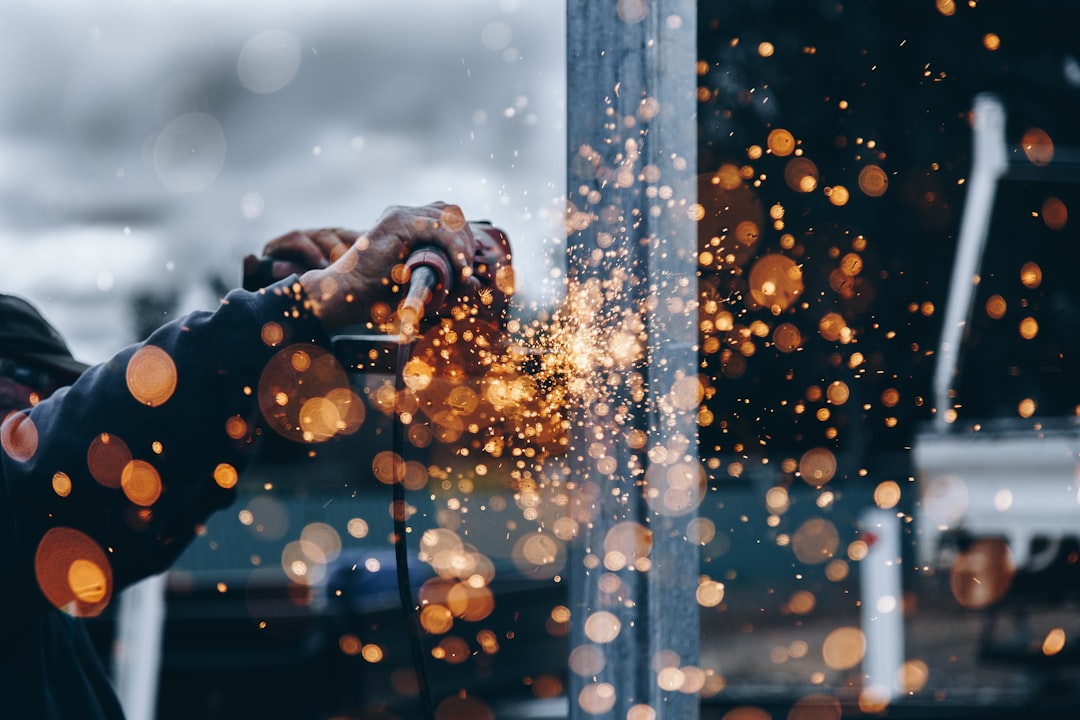
The induced currents in the metal can become quite significant, especially if the metal has sharp edges, points, or is thin. When these currents become too strong, they can cause electrons to jump from one part of the metal to another, or even from the metal to the oven walls. This discharge of electrical energy is what we call arcing, and it’s the source of those dramatic sparks and flashes you might have seen or heard about.
The Shape and Type of Metal Matter
It’s not just any metal that will cause immediate chaos. The shape, thickness, and composition of the metal all play a role in how it interacts with microwaves.
Thin Foil and Wrinkles: A Recipe for Disaster
Thin, crinkled aluminum foil is particularly problematic. The sharp edges and irregular surfaces provide numerous points where electric fields can concentrate, leading to increased chances of arcing. Think of a tightly crumpled piece of foil – it has countless points and edges where electrons can accumulate and jump. This is why using small pieces of foil to shield parts of food is often advised against, or at least requires extreme caution.
Smooth, Thick Metal: A Different Kind of Problem
While smooth, thick metal objects might not immediately arc, they can still cause issues. They will reflect microwaves, leading to uneven cooking. In some cases, a large metal object might even absorb enough energy to become very hot, posing a burn risk. However, the immediate spark-inducing danger is typically associated with thinner, more irregularly shaped metals.
Metal Trim on Dishes: The Silent Culprit
You know those fancy gold or silver bands around the rim of some ceramic plates or mugs? Those are often made of metal paint. When these come into contact with the microwaves, they can also reflect the energy and, due to their thinness and the way they are applied, are prone to arcing, especially at the corners or edges. This is a common reason why certain decorative dishes are not microwave-safe.
The Dangers: What Can Actually Happen?

So, what are the actual risks associated with putting metal in the microwave? While the dramatic imagery of a microwave exploding might be rare, the potential for damage and harm is very real.
Arcing and Sparks: The Immediate Visual Threat
As we’ve discussed, arcing is the most visually striking consequence. It’s a vivid demonstration of the electrical energy being released. These sparks can be alarming and may cause you to panic and pull the plug, which is generally the right instinct.
Fire Hazard: A Real Possibility
While not every spark will lead to a fire, the heat generated by arcing can ignite food particles or packaging materials within the microwave. This is especially true if you’re microwaving something that’s already dry or has flammable components. A small fire inside the microwave can quickly escalate and become dangerous.
Damage to the Microwave Oven: A Costly Consequence
The intense electrical discharges from arcing can damage the internal components of your microwave. The magnetron, in particular, is sensitive to these energy surges. Repeatedly microwaving metal can weaken or even destroy the magnetron, rendering your microwave useless and requiring an expensive repair or replacement.
Micro-perforations: Subtle but Damaging
Even if you don’t see dramatic sparks, the constant bombardment of reflected microwaves can cause tiny pinpricks or micro-perforations in the food or packaging. While not immediately dangerous, this can degrade the quality of your food and potentially release unwanted substances.
Uneven Cooking and Reduced Efficiency: The Less Dramatic, But Annoying Problems
Beyond the immediate dangers, metal can simply make your microwave less effective. The reflective properties of metal mean that the microwaves aren’t reaching the food efficiently. This leads to uneven cooking, with some parts of your meal being scorching hot while others remain cold. This is not only frustrating but can also be a food safety concern, as undercooked areas may not reach temperatures high enough to kill harmful bacteria.
When Metal is (Relatively) Safe: The Exceptions and Nuances
You might be thinking, “But I’ve seen microwaves with metal racks inside!” or “What about the metal on the outside of the microwave?” This is where things get a bit nuanced. Not all metal is created equal, and the context in which it’s used matters.
Microwave Ovens Themselves: Engineered for Safety
The outer casing of your microwave is made of metal. This is intentional. The metal enclosure is designed to contain the microwaves within the cooking cavity, preventing them from escaping into your kitchen. The doors have a special metal mesh or reflective coating that allows you to see inside but blocks the microwaves. These are engineered safety features.
The Faraday Cage Effect: Keeping the Waves In
The metal casing of your microwave acts as a Faraday cage. A Faraday cage is an enclosure made of conductive material that blocks external electromagnetic fields. In the case of a microwave oven, it prevents the internal microwaves from leaking out. The door seals are critical for maintaining this cage effect.
Designed Microwave Accessories: The Engineered Exceptions
Some microwave ovens come with specially designed metal racks or turntables. These are engineered to be used within that specific microwave model and are typically positioned in a way that minimizes the risk of arcing. They often have rounded edges and are designed to allow microwaves to pass through them or to elevate food in a way that doesn’t interfere with the wave distribution.
Understanding the Design Intent
These accessories are not just random metal pieces. They are carefully designed to complement the microwave’s internal wave patterns. They might be intended to allow for better multi-level cooking or to facilitate the circulation of microwaves. Always follow the manufacturer’s instructions when using these accessories.
Small Amounts of Metal in Packaging: The Grey Areas
Some microwaveable food packaging may contain small amounts of metal, such as a susceptor in a popcorn bag. These susceptors are designed to heat up and help crisp the popcorn. They are carefully engineered to work within the microwave environment without causing significant arcing or damage.
The Role of Susceptors
Susceptors are typically made of a thin layer of metal like aluminum, bonded to a paper or cardboard substrate. They are designed to absorb microwave energy and convert it into heat through resistive heating. Their design and placement are crucial for safe and effective operation.
Navigating Food Packaging Warnings
Always read the packaging instructions carefully. If a food product is designed for microwave use and contains metal elements, it will usually state that and provide specific instructions. If you’re unsure, it’s always better to err on the side of caution and remove any potentially problematic metal.
When considering the safety of using metal in a microwave, it’s important to understand the potential risks involved. Many people wonder if all metal is dangerous in a microwave, and exploring this topic can provide valuable insights. For a deeper dive into the science behind microwaves and metal, you might find this article helpful. It discusses various materials and their interactions with microwave radiation, which can help clarify any misconceptions. You can read more about it in this related article.
Safe Practices: What You Should Do
| Metal Type | Danger Level |
|---|---|
| Aluminum foil | Highly dangerous, can cause sparks and fire |
| Stainless steel | Can cause sparks and damage to microwave |
| Other metals | Can cause sparks and damage to microwave |
Given the potential dangers, it’s crucial to adopt safe practices when using your microwave. Understanding these guidelines will help you avoid mishaps and prolong the life of your appliance.
Read Your Microwave’s Manual: The Ultimate Guide
The user manual that came with your microwave oven is your best friend. It contains specific safety warnings and operating instructions for your particular model. Don’t just toss it in a drawer; take a few minutes to familiarize yourself with its contents.
Model-Specific Safety Features
Each microwave model has unique safety features and limitations. Your manual will detail what is and isn’t safe to use. Pay close attention to any sections on prohibited materials.
What to Avoid: The Absolute No-Gos
There are certain items that should never go into your microwave, regardless of what you might have heard or seen.
The Cardinal Sin: Leaving Foil Wrappers On
Never put a foil-wrapped item into the microwave unless the packaging specifically states it is safe to do so (which is exceptionally rare for general food items). Even if you think you’ve removed all the foil, a tiny remnant can still cause problems.
Metal Utensils: Forks, Spoons, Knives – All Out
Do not microwave metal utensils. They are prime candidates for arcing and can cause significant damage.
Styrofoam with Metal Traces: The Hidden Danger
Some Styrofoam containers have metalized coatings or reinforcement. Unless explicitly stated as microwave-safe, avoid putting them in.
What to Use Instead: Microwave-Safe Alternatives
Fortunately, there are plenty of safe and effective alternatives to using metal in your microwave.
Glass and Ceramic: Your Go-To Materials
Most glass and ceramic dishes are microwave-safe. Look for the microwave-safe symbol on the bottom of your dishes.
Microwave-Safe Plastics: Check for the Label
Many plastic containers are designed for microwave use, but it’s essential to check for the microwave-safe label. Not all plastics are created equal, and some can melt or leach chemicals into your food when heated.
Paper Products: With Caution
Plain white paper plates or towels are generally safe for short periods of reheating. However, avoid paper products with metallic inks or coatings.
Reheating Strategically: Tips for Better Results
Even when using microwave-safe materials, there are ways to improve your reheating experience.
Stirring and Rotating: For Even Heating
For more even cooking, stir your food halfway through the heating process or rotate the dish. This helps distribute the heat more uniformly.
Covering Your Food: Trapping Moisture
Covering your food with a microwave-safe lid or plastic wrap (vented to allow steam to escape) can help trap moisture, preventing food from drying out and promoting more even heating.
Using Lower Power Settings: Gentle Heating
For delicate foods or to prevent overcooking, consider using a lower power setting on your microwave and heating for a longer duration.
The Verdict: Trust the Warnings
So, is putting metal in the microwave dangerous? The answer is a resounding yes, in most circumstances. While there are specific engineered exceptions, the general rule of thumb – do not put metal in the microwave – is based on sound scientific principles and the potential for significant damage and safety hazards. The flashy sparks and potential for fire are not just movie magic; they are real consequences of violating the fundamental physics of microwave operation. By understanding how microwaves work and the specific reactions of metal to these electromagnetic waves, you can make informed decisions in your kitchen, ensuring your meals are cooked safely and your appliances remain in good working order. When in doubt, always err on the side of caution and choose microwave-safe materials. Your microwave, your food, and your safety will thank you for it.

A Fork and a Spoon React Differently in a Microwave. Why?
FAQs
What types of metal are safe to use in a microwave?
Not all metal is dangerous in a microwave. It is safe to use microwave-safe metal, such as aluminum foil, metal skewers, and metal pans specifically labeled as microwave-safe.
Why is it dangerous to put certain types of metal in a microwave?
Certain types of metal, such as aluminum foil or metal with sharp edges, can cause sparks or fires in a microwave. This is because metal reflects the microwaves, causing electrical currents to build up and potentially leading to a fire hazard.
Can metal containers be used in a microwave?
Metal containers should not be used in a microwave unless they are specifically labeled as microwave-safe. It is important to follow the manufacturer’s instructions to ensure safety.
What are the risks of putting metal in a microwave?
The risks of putting metal in a microwave include sparking, arcing, and potential fire hazards. Additionally, metal can cause damage to the microwave itself and may void the warranty.
How can I safely use metal in a microwave?
To safely use metal in a microwave, use only microwave-safe metal containers and utensils. Follow the manufacturer’s instructions and avoid using metal with sharp edges or crumpled aluminum foil. Always use caution and common sense when using metal in a microwave.