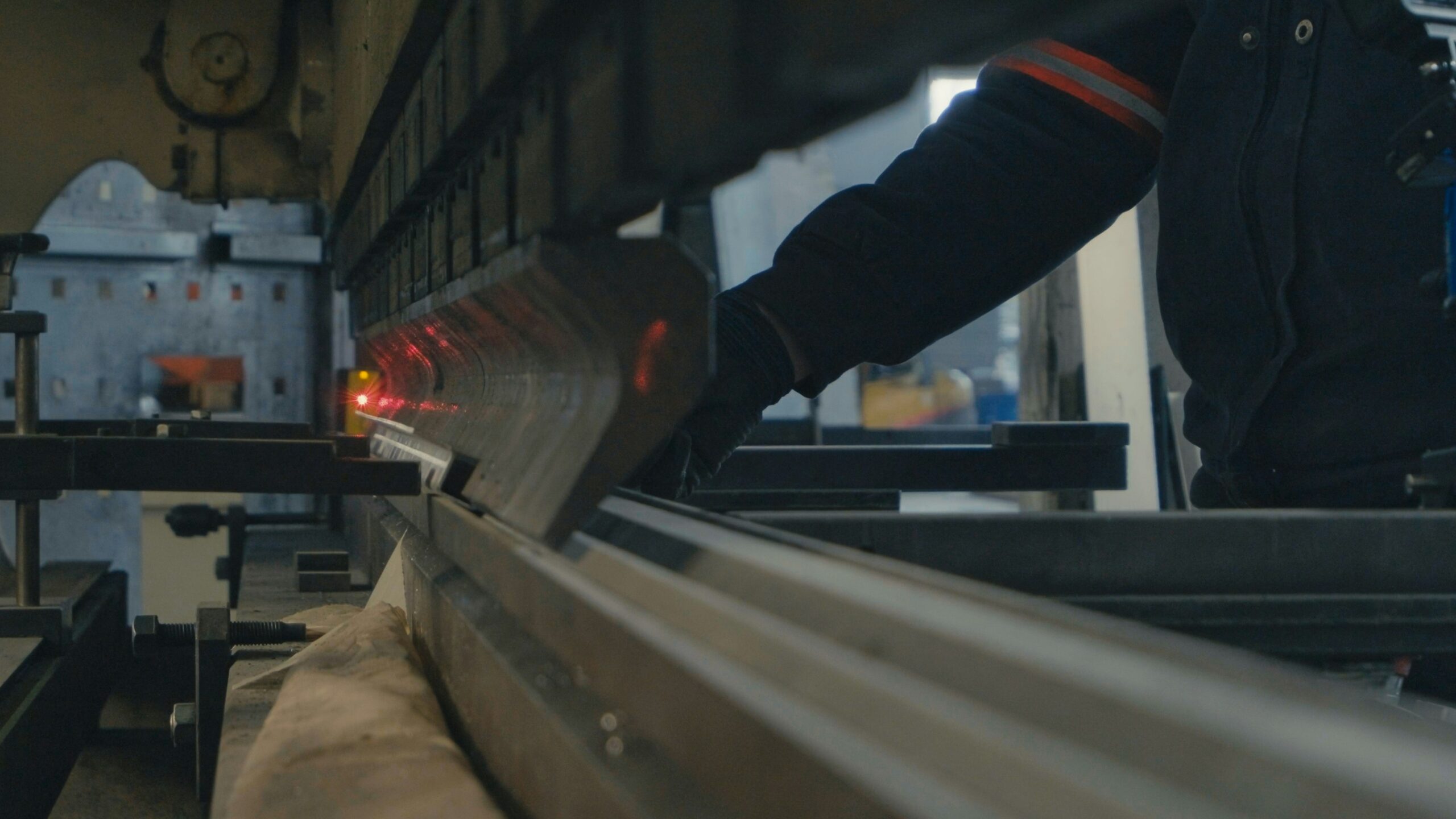
Metal, a material synonymous with strength and resilience, possesses a remarkable characteristic: its malleability is not a constant. When subjected to the transformative power of heat, its very structure yields, allowing it to be shaped and molded in ways that might seem impossible at room temperature. This phenomenon, known as thermally induced forming, is a cornerstone of numerous industrial processes, from the intricate crafting of jewelry to the robust construction of aerospace components. Understanding how heat influences the behavior of metals is crucial for anyone involved in manufacturing, design, or engineering, as it unlocks a world of possibilities for creating complex and functional parts. This guide delves into the fascinating realm of thermally induced forming, exploring the underlying principles, the various techniques employed, and the wide-ranging applications that shape our modern world.
At its core, thermally induced forming relies on the principle that the atomic structure of metals changes with temperature. Metals are crystalline solids, meaning their atoms are arranged in a regular, repeating lattice. As heat is applied, these atoms vibrate with increasing energy. This increased vibrational energy can overcome the forces that hold the atoms in their fixed positions, leading to changes in the material’s properties.
Atomic Mobility and Diffusion
When a metal is heated, the kinetic energy of its atoms increases. This enhanced atomic motion allows atoms to move more freely within the crystal lattice. At sufficiently high temperatures, known as the homologous temperature (a temperature relative to the melting point of the material), this atomic mobility becomes significant enough to facilitate diffusion. Diffusion is the process by which atoms move from regions of high concentration to regions of low concentration. In the context of metal forming, diffusion enables the material to deform plastically under applied stress. The hotter the metal, the faster the diffusion, and consequently, the easier it is to deform. This is why processes like hot rolling or forging are conducted at elevated temperatures.
Dislocation Movement and Plastic Deformation
Plastic deformation, the permanent change in shape that occurs when a material is stressed beyond its elastic limit, is fundamentally linked to the movement of dislocations. Dislocations are line defects within the crystal lattice. When a stress is applied, these dislocations can move, allowing the atoms to rearrange themselves and the material to deform. Heat plays a vital role in facilitating this dislocation movement.
The Role of Temperature in Dislocation Mobility
At lower temperatures, dislocation movement can be impeded by various obstacles, such as grain boundaries, other dislocations, or interstitial atoms. However, as temperature increases, these obstacles become less effective barriers. Atoms have more energy to “jump” over these obstacles, or they can move around them more easily through a process called climb. This increased mobility of dislocations means that less stress is required to initiate and sustain plastic deformation. Therefore, heating a metal not only increases atomic mobility but also significantly enhances the ease with which dislocations can move, leading to a dramatic reduction in the yield strength and an increase in ductility.
Microstructural Changes and Recrystallization
Beyond the atomic and dislocation level, heat can also induce significant changes in the microstructure of a metal. Microstructure refers to the arrangement and characteristics of the grains (individual crystalline regions) within the metal.
Annealing and Grain Refinement
Heating a metal to a sufficiently high temperature and holding it for a period can lead to annealing. Annealing processes aim to relieve internal stresses, improve ductility, and refine the grain structure. During annealing, new, strain-free grains can nucleate and grow, replacing the deformed grains. This recrystallization process is a direct result of the enhanced atomic mobility at elevated temperatures and is a key mechanism in restoring ductility to heavily deformed metals.
Grain Growth and its Implications
While recrystallization can be beneficial, excessive heating or prolonged holding times can lead to grain growth. Larger grains generally result in lower strength and hardness but can improve ductility and toughness. The optimal temperature and time for annealing or other thermal forming processes are carefully controlled to achieve the desired microstructural characteristics and, consequently, the desired mechanical properties.
In the study of metal bends and their behavior when subjected to heat, it is essential to understand the principles of thermal expansion and contraction. A related article that delves deeper into these concepts can be found at Freaky Science, where the effects of temperature on various metals are explored in detail. This resource provides valuable insights into how heat treatment can influence the mechanical properties of metals, including their ability to bend and return to their original shape.
Common Thermally Induced Forming Techniques
The principles of thermally induced forming are applied across a diverse range of manufacturing processes. Each technique leverages the temperature-dependent properties of metals to achieve specific shaping objectives.
Hot Working Processes
Hot working encompasses a suite of processes where metal is deformed at temperatures above its recrystallization temperature. This allows for significant shaping with relatively low forces and can produce components with excellent ductility and surface finish.
Hot Rolling
Hot rolling is a fundamental process in metal manufacturing, used to reduce the thickness of metal slabs or billets and to impart specific shapes. The metal is heated to temperatures typically between 800°C and 1200°C, depending on the alloy, and then passed through a series of rollers. The heat allows the metal to flow easily under the pressure of the rollers, enabling significant reductions in cross-sectional area with each pass. Hot-rolled products often have a characteristic scale on their surface, which is an oxide layer formed during heating.
Forging
Forging involves shaping metal by applying compressive forces, usually through hammering or pressing. Both hot forging and cold forging exist, but hot forging is widely used for producing complex shapes with superior mechanical properties. The metal is heated to temperatures above its recrystallization point, making it highly ductile. This allows for intricate forms to be created without significant risk of cracking or fracturing. Examples include crankshafts, connecting rods, and various structural components.
Hot Extrusion
Hot extrusion is a process used to create long, continuous profiles with complex cross-sections. The metal billet is heated to a high temperature and then forced through a die of the desired shape under immense pressure. This process is ideal for producing components like aluminum window frames, automotive parts, and tubes. The elevated temperature ensures good flowability of the metal and minimizes die wear.
Heat Treatment for Forming Purposes
While not strictly forming processes themselves, certain heat treatments are integral to enabling or enhancing thermally induced forming operations. These treatments modify the metal’s properties to make it more amenable to shaping.
Annealing for Softening and Ductility
As discussed earlier, annealing is a heat treatment that softens metals and increases their ductility. Before a severe forming operation, a metal might be annealed to make it easier to shape. This is particularly important for metals that work-harden rapidly, meaning they become harder and less ductile with deformation. Annealing “resets” the material’s properties, allowing for further deformation without failure.
Normalizing
Normalizing is another heat treatment that refines the grain structure of steel and improves its mechanical properties, making it more uniform. It involves heating the steel to a specific temperature above its critical temperature and then cooling it in still air. This process can improve the toughness and ductility of steel, preparing it for subsequent forming operations.
Advanced Thermal Forming Technologies
Beyond traditional methods, modern manufacturing has seen the development of advanced thermal forming technologies that offer greater precision and the ability to work with more challenging materials.
Superplastic Forming (SPF)
Superplastic forming is a remarkable process that exploits the phenomenon of superplasticity, where certain metallic alloys can be stretched to extremely large elongations (hundreds or even thousands of percent) at elevated temperatures, typically just below their melting point. In SPF, a sheet of metal is heated, and a gas pressure is applied to one side, causing it to bulge and conform to the shape of a die. The low yield strength and high ductility at superplastic temperatures allow for the creation of complex, one-piece components that would be impossible to fabricate using conventional methods. This is widely used in the aerospace industry for creating intricate fuselage panels and structural elements.
Diffusion Bonding
Diffusion bonding is a solid-state joining process that occurs at elevated temperatures, where two or more surfaces are brought into intimate contact under pressure, allowing atoms to diffuse across the interfaces and form a continuous bond. While primarily a joining technique, it can also be considered a form of thermal forming as it involves material flow and integration at the atomic level under heat and pressure. This is crucial for creating complex multi-material components or for consolidating porous structures.
The Influence of Temperature on Material Properties
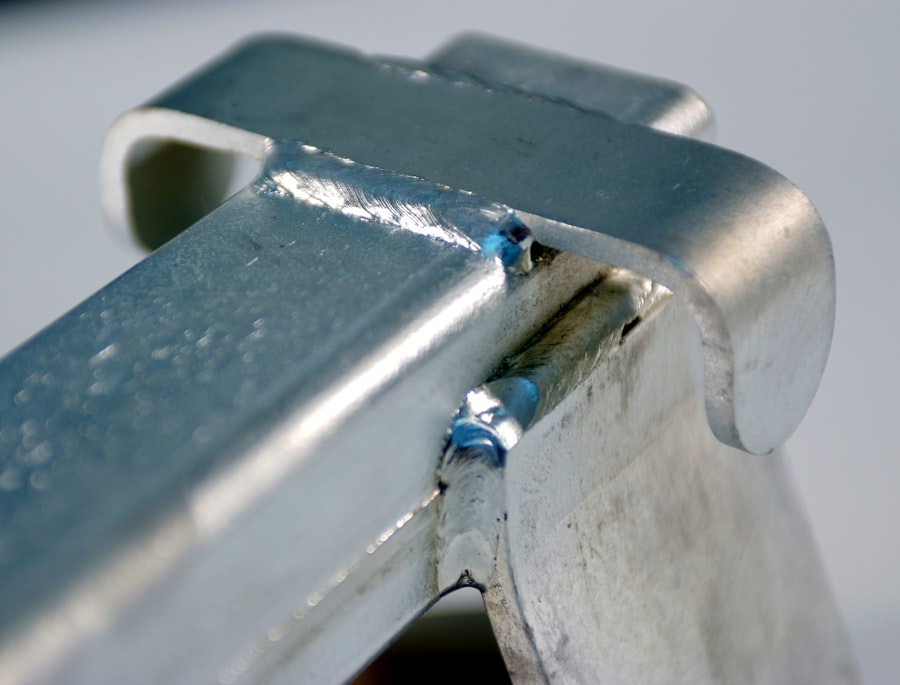
The effect of heat on metals is not a uniform phenomenon. Different metals and alloys respond differently to thermal treatment, and the specific temperature applied has a profound impact on their behavior.
Yield Strength and Tensile Strength
As temperature increases, the yield strength and tensile strength of most metals decrease significantly. Yield strength is the stress at which a material begins to deform plastically. The reduction in yield strength at elevated temperatures is a primary reason why hot working is so effective. Atoms have more energy to overcome the internal forces resisting deformation. Tensile strength, the maximum stress a material can withstand before breaking, also generally decreases with increasing temperature.
Ductility and Toughness
Conversely, ductility and toughness generally increase with temperature. Ductility is the ability of a material to deform plastically without fracturing. As metals become hotter, they become more ductile and can undergo much larger deformations before fracture. Toughness, the ability of a material to absorb energy and deform plastically before fracturing, is also enhanced at higher temperatures. This is due to the increased capacity for plastic deformation, which allows the material to dissipate more energy.
Strain Rate Sensitivity
The rate at which a material is deformed also plays a crucial role, especially at elevated temperatures. Strain rate sensitivity refers to how much the material’s strength and deformation behavior change with the speed of deformation. At high temperatures, many metals exhibit a reduced strain rate sensitivity, meaning their resistance to deformation changes less dramatically with variations in the speed of forming. However, some phenomena, like superplasticity, are highly dependent on specific strain rates.
Factors Influencing Thermally Induced Forming
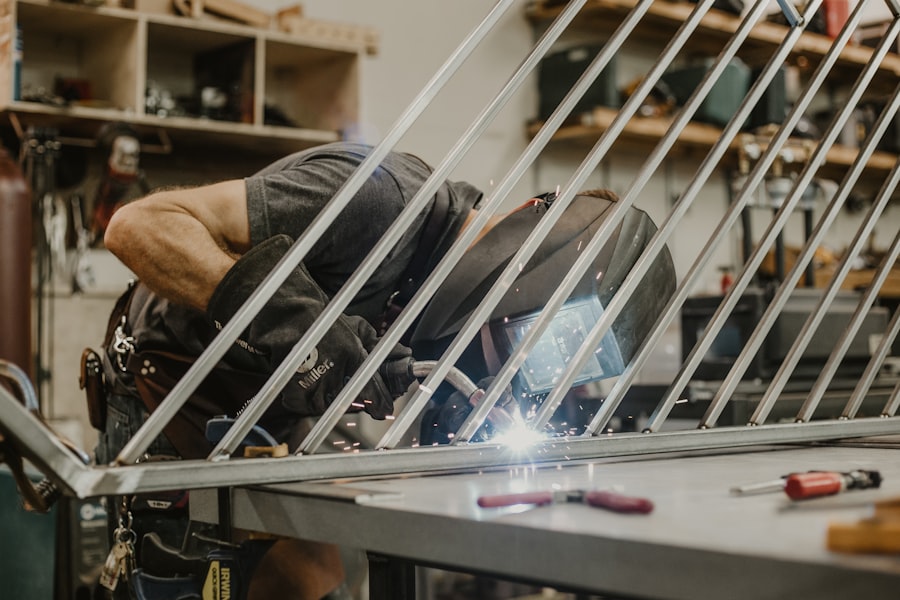
Successfully implementing thermally induced forming requires careful consideration of several critical factors. Ignoring these can lead to material defects, process inefficiencies, and ultimately, a compromised final product.
Material Selection and Alloy Properties
The choice of metal or alloy is paramount. Different metals have vastly different melting points, recrystallization temperatures, and susceptibility to thermal effects. For example, aluminum alloys readily form at lower temperatures than steels. Exotic alloys used in aerospace or high-temperature applications may require specialized forming techniques and precise temperature control. Understanding the specific phase diagrams and thermal properties of the chosen material is essential.
Heating Methods and Temperature Control
The method used to heat the metal significantly impacts the process. Common heating methods include:
Induction Heating
Induction heating uses electromagnetic induction to generate heat directly within the workpiece. This method is known for its speed and precise temperature control, making it ideal for localized heating or rapid heating of small parts.
Furnace Heating
Batch furnaces or continuous furnaces are used for heating larger quantities of material or for achieving uniform heating throughout a workpiece. While often slower than induction heating, furnaces provide consistent and controllable temperatures for large-scale operations.
Flame Heating
Oxy-acetylene or other gas flames can be used for localized heating, particularly in repair or small-scale fabrication. However, precise temperature control can be challenging with flame heating.
The ability to accurately control the heating temperature and the duration of the heating period is critical for achieving the desired material transformation and preventing unwanted side effects like oxidation or grain coarsening.
Die Design and Lubrication
The design of the dies or tooling used to shape the metal is crucial. Dies must be robust enough to withstand the forces involved and precisely shaped to achieve the desired final form. At elevated temperatures, die wear can be a significant concern, so materials with high hot hardness and wear resistance are often used for dies.
Lubrication is also vital in hot working processes. Lubricants help to reduce friction between the workpiece and the die, which in turn reduces die wear, improves surface finish, and facilitates material flow. Specialized high-temperature lubricants are often employed.
Cooling Rate and Subsequent Treatments
The rate at which a formed part is cooled can have a significant impact on its final microstructure and mechanical properties. Rapid cooling (quenching) can lead to hardening in some alloys, while slower cooling might be necessary to achieve specific ductility or toughness. Subsequent heat treatments, such as tempering, might be required after forming to achieve the optimal balance of strength and ductility.
In the fascinating world of metalworking, the process of bending metal and then returning it to its original shape with the application of heat is a technique that showcases the unique properties of materials. This method, often referred to as heat treatment, allows for the manipulation of metal’s structural integrity and flexibility. For those interested in exploring more about the science behind these processes, you can read a related article that delves deeper into the principles of metal manipulation and its applications in various industries. To learn more, visit this insightful article that expands on the topic.
Applications of Thermally Induced Forming
| Metal Bends | Returns with Heat |
|---|---|
| Steel | Yes |
| Aluminum | No |
| Copper | Yes |
The versatility of thermally induced forming makes it indispensable in a wide array of industries, driving innovation and enabling the creation of essential products.
Aerospace Industry
The aerospace sector relies heavily on thermally induced forming for producing lightweight, strong, and complex components. Superplastic forming is particularly prevalent for creating intricate fuselage panels, wing structures, and engine components. Hot forming also plays a role in forging high-strength alloy parts for critical structural applications.
Automotive Industry
In the automotive industry, thermally induced forming is used to produce a vast range of parts, including engine components, chassis elements, exhaust systems, and body panels. Hot forging of crankshafts and connecting rods ensures their durability and strength. Hot stamping of high-strength steel panels is increasingly used for passenger safety.
Manufacturing and General Engineering
From everyday consumer goods to heavy industrial machinery, thermally induced forming is a workhorse. It’s used in the production of tools, fasteners, pipes, structural beams, and countless other manufactured items. The ability to efficiently shape metal at elevated temperatures allows for cost-effective production of high-quality components.
Jewelry and Art
Even in the realm of art and fine craftsmanship, heat plays a role. Jewelers use techniques like annealing to soften metals for intricate shaping and soldering. Metalsmiths employ various heating and forming methods to create unique sculptures and decorative pieces.
Conclusion
Thermally induced forming is a testament to the remarkable adaptability of metals. By understanding and controlling the influence of heat on atomic structure, dislocation mobility, and microstructural evolution, engineers and manufacturers can unlock the full potential of these versatile materials. From the massive scale of industrial production to the delicate precision of specialized applications, the principles of thermal forming continue to shape our world, enabling the creation of products that are stronger, lighter, more complex, and more functional than ever before. As materials science advances, so too will the techniques and applications of thermally induced forming, promising even greater innovations in the years to come.

This Metal Remembers What It Used to Be
FAQs
What is the phenomenon of metal bending and returning with heat?
Metal bending and returning with heat is a phenomenon where certain metals, such as shape memory alloys, exhibit the ability to return to their original shape after being deformed when exposed to heat.
How does the process of metal bending and returning with heat work?
This process is typically achieved through the use of shape memory alloys, which have the ability to “remember” their original shape and return to it when heated above a certain temperature, known as the transformation temperature.
What are some common applications of metal bending and returning with heat?
Shape memory alloys are used in a variety of applications, including medical devices such as stents and orthodontic wires, as well as in industries such as aerospace and automotive for components that require precise and reversible deformation.
What are the advantages of using metals that bend and return with heat?
The ability of these metals to return to their original shape allows for the creation of self-repairing and adaptive structures, as well as the development of innovative products with unique mechanical properties.
Are there any limitations or considerations when using metals that bend and return with heat?
While shape memory alloys offer unique properties, they can be more expensive than traditional metals and require careful consideration of the transformation temperature and mechanical properties for specific applications. Additionally, the cyclic nature of the deformation and recovery process can lead to material fatigue over time.