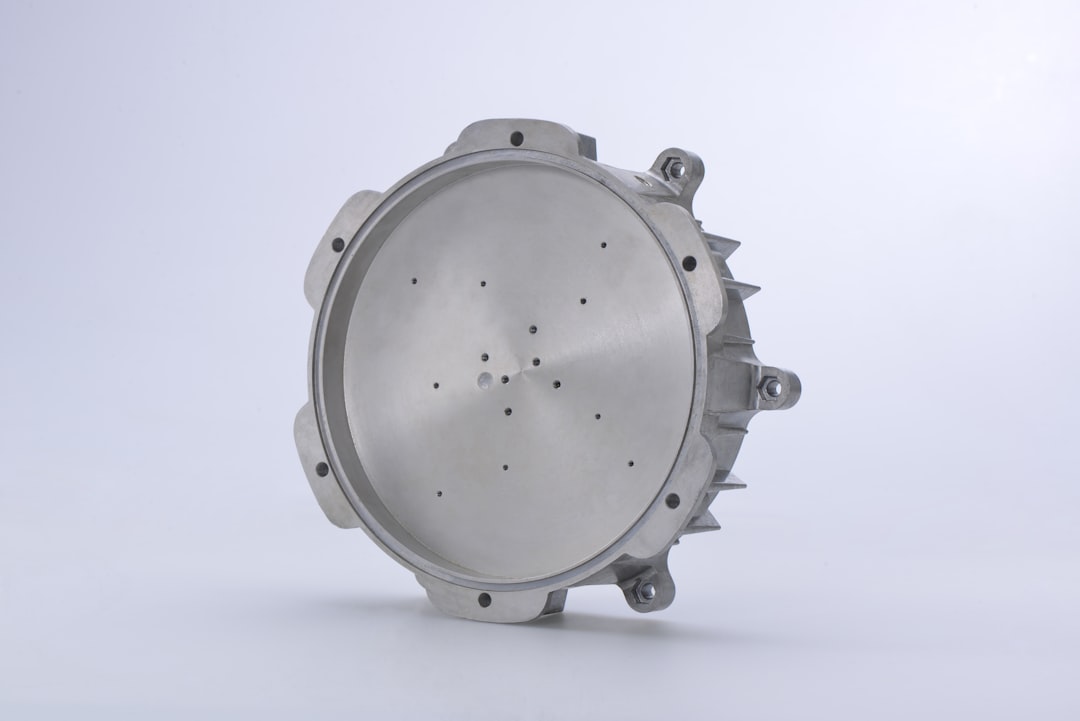
The world of engineering and design is constantly seeking innovative solutions to power and control mechanisms. For centuries, the reliance on electric motors has been a cornerstone of motion generation, offering precision, power, and adaptability. However, the pursuit of greater efficiency, sustainability, and entirely new functionalities has spurred exploration into alternative actuation methods. Among these, the concept of the “Metal Actuator: Motorless Motion” emerges as a fascinating and potentially revolutionary paradigm. This article delves into the intricacies of this emerging field, exploring its principles, potential applications, advantages, challenges, and the future it promises.
In recent advancements in actuator technology, researchers have been exploring the potential of metal actuators that operate without traditional motors, leveraging alternative mechanisms for movement. For a deeper understanding of this innovative approach, you can read more in the related article found here: Metal Actuators Without Motors. This article delves into the principles behind these actuators and their applications in various fields, highlighting the benefits of reduced complexity and enhanced efficiency.
Understanding the Core Principles
The fundamental premise behind motorless motion actuators lies in harnessing physical phenomena and material properties to generate linear or rotational movement without the need for traditional electrical input. Unlike electric motors that convert electrical energy into mechanical energy via electromagnetic forces, these actuators leverage a range of principles, often involving material transformations, stored energy release, or carefully engineered mechanical designs.
Thermally Induced Actuation
One of the most prominent avenues within motorless motion is thermal actuation. This involves materials that change their shape or volume in response to temperature variations.
Shape Memory Alloys (SMAs)
Shape Memory Alloys are perhaps the most well-known class of materials exhibiting thermally induced actuation. These unique alloys, such as Nickel-Titanium (NiTi), possess the remarkable ability to “remember” their original shape and return to it when heated above a specific transition temperature. This transformation occurs through a change in their crystal structure, known as a martensitic-austenitic phase transformation. When cooled below this temperature, the material deforms, and upon reheating, it reverts to its original, pre-programmed shape, effectively generating linear motion. The force generated by SMAs can be substantial, making them suitable for a variety of applications. The precise transition temperatures and the extent of deformation can be tailored through alloy composition and processing, allowing for fine-tuning of their performance.
Electro-Active Polymers (EAPs)
While not purely metallic, Electro-Active Polymers are often considered in the broader context of motorless actuation due to their ability to deform in response to an electric field, without significant resistive heating that characterizes traditional electro-mechanical devices. However, in the realm of purely metallic systems, we focus on thermally driven metallic components.
Piezoelectric Actuation (Indirect Metallic Involvement)
While piezoelectric materials themselves are not metals, they are often integrated with metallic components to create actuators. Piezoelectric materials generate an electric charge when subjected to mechanical stress, and conversely, they deform when an electric field is applied. This deformation, though often small, can be amplified through clever mechanical linkages and designs to produce significant motion. In some metallic actuator designs, piezoelectric elements might be used to trigger or control a larger, purely metallic actuation mechanism, bridging the gap between electrical control and motorless mechanical action.
Mechanical Energy Storage and Release
Another significant category of motorless actuators involves the controlled storage and release of mechanical energy.
Spring-Based Mechanisms
Simple yet effective, spring-based mechanisms can store potential energy when compressed or stretched and release it to generate motion. While not inherently “motorless” in the sense of a single active component, advanced spring systems, when integrated with cleverly designed triggers or latches, can provide pulsed or continuous motion without continuous external power. The “motorless” aspect here refers to the absence of a continuous energy input to drive the motion itself, relying instead on a pre-stored energy source.
Pneumatic and Hydraulic Actuation (with Mechanical Pre-charging)
While typically powered by external pumps, pneumatic and hydraulic systems can be designed with integrated mechanical energy storage. Imagine a compressed air cylinder that is mechanically charged (e.g., by a manual pump or a stored spring force) and then released to drive a piston. This allows for powerful, albeit often less precise, actuation without a continuous electrical supply to a pump or motor.
Diverse Applications Across Industries
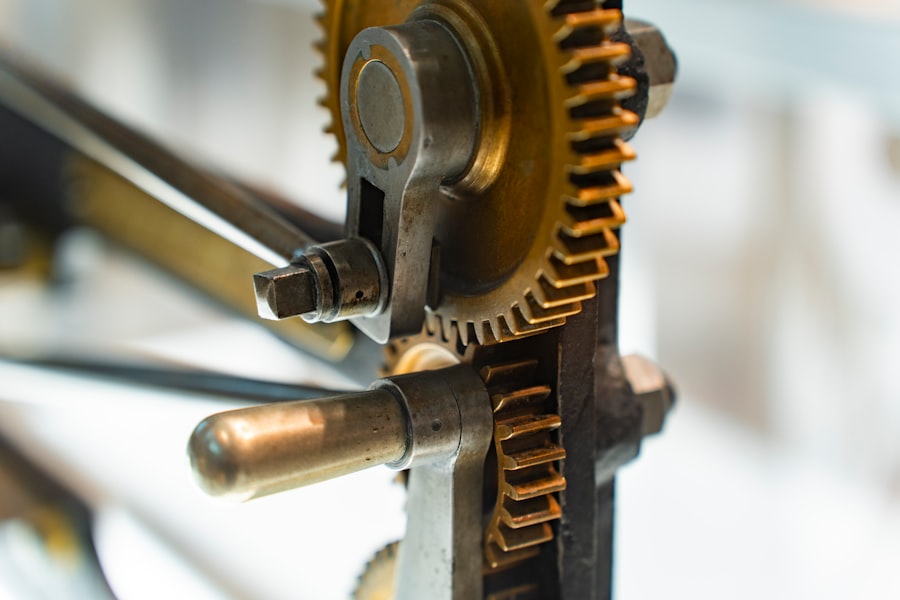
The potential for motorless motion actuators is vast, offering solutions in areas where traditional motorization presents limitations or inefficiencies.
Robotics and Automation
The integration of motorless actuators into robotics can lead to lighter, more energy-efficient, and potentially more bio-inspired robots.
Soft Robotics
In the burgeoning field of soft robotics, where compliant and flexible materials are paramount, motorless actuators can offer a unique advantage. Thermally actuated SMAs, for instance, can provide gentle yet precise movements in artificial muscles or manipulators, enabling delicate interactions with environments and objects. Imagine a robotic gripper that can conform to the shape of an object without complex motor arrays.
Gripper and End-Effector Design
For robotic grippers, motorless actuators can simplify design and reduce weight. A thermally actuated metallic finger could be programmed to open or close at specific temperatures, controlled by a localized heating element or even ambient temperature changes. This is particularly beneficial in applications where space and weight are critical, such as in unmanned aerial vehicles (UAVs) or surgical robots.
Micro-Robotics
At the micro-scale, traditional motors become prohibitively complex and inefficient. Motorless actuators, particularly those leveraging SMAs or piezoelectric effects amplified by micro-mechanics, can provide the necessary motion for micro-robots used in medical procedures, environmental monitoring, or micro-assembly.
Aerospace and Defense
The demand for lightweight, reliable, and energy-efficient systems in aerospace and defense is immense.
Deployable Structures
In space applications, where power is often at a premium and deployment must be robust, motorless actuators offer compelling advantages. SMA wires can be used to trigger the deployment of solar panels, antennas, or other structures upon reaching a specific temperature, eliminating the need for power-hungry motors and complex control systems. This is crucial for long-duration missions where energy conservation is paramount.
Actuation in Extreme Environments
Motorless actuators, particularly those relying on inherent material properties rather than external power sources, can be more resilient to extreme temperatures, radiation, or vacuum conditions often encountered in space or military applications. Their inherent robustness can be a significant advantage in harsh operational settings.
Camouflage and Stealth Technologies
The ability to rapidly and silently change the configuration of surfaces is crucial for camouflage and stealth. Motorless actuators could be integrated into adaptive camouflage systems, altering surface texture or color in response to environmental cues, all without the acoustic signature of traditional motors.
Medical Devices and Implants
The miniaturization and biocompatibility requirements of medical devices open up exciting possibilities for motorless actuation.
Minimally Invasive Surgery
In minimally invasive surgical tools, space is extremely limited. Motorless actuators can provide precise, controlled movements within the body without bulky motor components. Imagine a catheter that can navigate through blood vessels, guided by thermal cues and actuated by integrated SMAs.
Drug Delivery Systems
Implantable drug delivery systems could benefit from motorless actuators for controlled release. A temperature-sensitive SMA could be programmed to release a therapeutic agent at a specific physiological temperature or in response to an external thermal stimulus. This offers a non-invasive and precise method of drug administration.
Prosthetics and Orthotics
The development of more natural and responsive prosthetic limbs and orthotic devices can be advanced by motorless actuation. SMAs could mimic the action of biological muscles, providing smooth and efficient movement, while their quiet operation would enhance user comfort and social acceptance.
Consumer Electronics and Appliances
Even in everyday devices, motorless actuators can offer subtle yet significant improvements.
Smart Home Devices
Imagine curtains that automatically adjust to sunlight based on temperature, or appliances with self-adjusting components that optimize performance based on their operating conditions, all without the constant hum of small electric motors.
Automotive Applications
In automotive systems, motorless actuators could be used for variable ventilation systems, adaptive seating, or even deployable aerodynamic components that respond to environmental factors, leading to improved fuel efficiency and driver comfort.
Advantages of Motorless Actuation
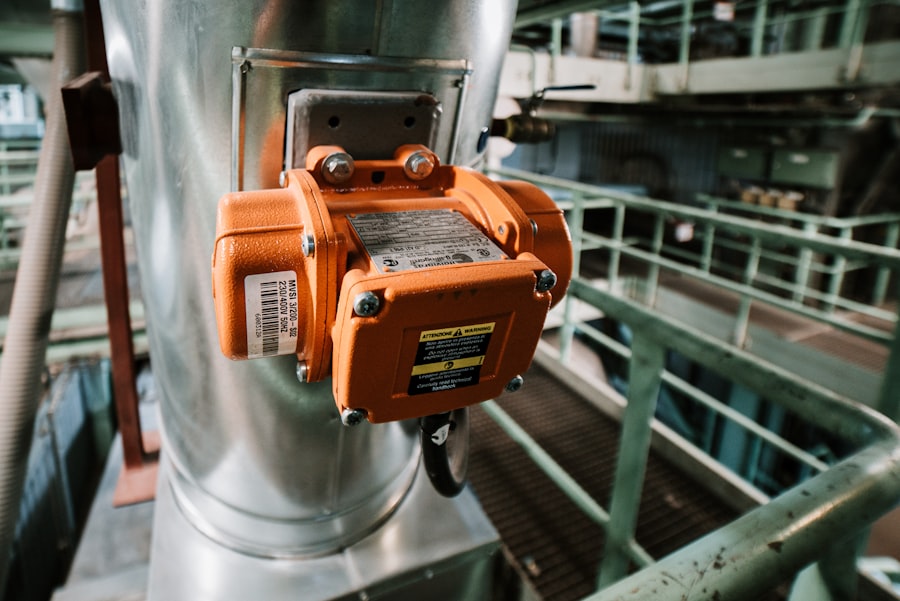
The exploration of motorless actuators is driven by a compelling set of advantages that address some of the inherent limitations of traditional motor-driven systems.
Energy Efficiency and Sustainability
One of the most significant benefits is the potential for vastly improved energy efficiency. By relying on stored energy, ambient conditions, or material properties, motorless actuators can reduce or eliminate the continuous energy draw associated with electric motors. This is particularly relevant in battery-powered devices and sustainable engineering initiatives.
Simplicity and Reliability
The absence of complex electrical components, brushes, gears, and intricate control circuitry often leads to simpler designs. This inherent simplicity can translate into increased reliability, reduced maintenance requirements, and lower manufacturing costs. Fewer failure points mean a more robust and dependable system.
Miniaturization and Lightweight Design
Motorless actuators can be significantly smaller and lighter than their motor-driven counterparts. This is crucial for applications where space and weight are at a premium, such as in micro-robotics, aerospace, and portable medical devices.
Silent Operation
Many motorless actuation mechanisms, particularly those based on thermal or material phase changes, operate silently. This is a significant advantage in applications where noise pollution is a concern, such as in medical devices, consumer electronics, or even quiet environments for sensitive tasks.
Novel Functionalities and Bio-Mimicry
Motorless actuators can enable functionalities that are difficult or impossible to achieve with traditional motors. Their ability to exhibit smooth, continuous, or bio-inspired movements can lead to more natural and responsive artificial systems.
In the realm of innovative engineering solutions, the concept of a metal actuator without a motor has gained significant attention for its potential applications in various fields. This technology leverages alternative mechanisms to achieve movement and control, making it a fascinating subject for researchers and industry professionals alike. For those interested in exploring more about this topic, a related article can be found at Freaky Science, where you can discover insights into the latest advancements and practical implementations of such actuators.
Challenges and Future Directions
| Attribute | Value |
|---|---|
| Material | Metal |
| Actuator Type | Without a motor |
| Size | Varies |
| Weight | Varies |
| Usage | Industrial applications |
Despite their promising advantages, the widespread adoption of motorless motion actuators faces several challenges that are currently being addressed by ongoing research and development.
Control Precision and Speed
Achieving the same level of precise control and rapid response as electric motors can be a significant challenge for some motorless actuator technologies. For instance, the rate of temperature change in SMAs can limit the speed of actuation, and controlling the exact position of a thermally driven actuator can be more complex.
Force and Stroke Limitations
While some motorless actuators, like SMAs, can generate substantial force, others may have limitations in terms of the total displacement or “stroke” they can achieve. Overcoming these limitations often requires clever mechanical amplification or innovative material combinations.
Durability and Fatigue
The long-term durability and fatigue life of motorless actuators, especially under repeated actuation cycles, need thorough investigation. Materials undergoing phase transformations or significant stress can experience degradation over time, which must be addressed through material science advancements and robust design.
Cost of Materials and Manufacturing
Some advanced materials used in motorless actuators, such as certain Shape Memory Alloys, can be expensive to produce. Developing cost-effective manufacturing processes and exploring more abundant materials are crucial for widespread commercialization.
Integration with Existing Systems
Integrating motorless actuators seamlessly into existing systems, which are often designed around conventional motor technology, requires careful engineering and standardization. This includes developing compatible interfaces and control strategies.
Future Research and Development
The future of motorless motion actuators lies in continued innovation in materials science, engineering design, and control systems.
Advanced Material Development
The discovery and development of new materials with enhanced actuation properties, faster response times, greater force generation, and improved durability will be critical. This includes exploring novel alloys, composite materials, and advanced polymers.
Hybrid Actuation Systems
Combining different motorless actuation principles or integrating them with minimal electrical components could lead to hybrid systems that leverage the strengths of each technology to overcome individual limitations.
Advanced Modeling and Simulation
Sophisticated modeling and simulation tools will be essential for predicting the behavior of motorless actuators, optimizing their design, and developing precise control algorithms.
Standardization and Interoperability
As the field matures, establishing industry standards for motorless actuator performance, interfaces, and control protocols will be vital for facilitating interoperability and widespread adoption.
Conclusion
The concept of “Metal Actuator: Motorless Motion” represents a significant paradigm shift in the field of actuation. By moving beyond the confines of traditional electric motors, engineers and designers are unlocking new possibilities for efficiency, sustainability, and functionality. From the subtle yet powerful transformations of Shape Memory Alloys to the controlled release of stored mechanical energy, these innovative actuators are poised to revolutionize industries ranging from robotics and aerospace to medicine and consumer electronics. While challenges remain in areas such as control precision and cost, ongoing research and development are steadily paving the way for a future where motorless motion is not just a concept, but a ubiquitous and transformative reality. The pursuit of motorless motion is a testament to human ingenuity, a relentless drive to find smarter, more elegant, and more sustainable ways to imbue the inanimate world with purposeful movement.

This Metal Remembers What It Used to Be
FAQs
What is a metal actuator without a motor?
A metal actuator without a motor is a device that converts energy into mechanical motion without the use of an electric motor. It typically uses a metal component to generate force and movement.
How does a metal actuator without a motor work?
A metal actuator without a motor works by utilizing various energy sources such as hydraulic, pneumatic, or magnetic forces to create mechanical motion. These energy sources are converted into linear or rotary motion through the use of metal components.
What are the advantages of using a metal actuator without a motor?
Some advantages of using a metal actuator without a motor include simplicity, reliability, and the ability to operate in harsh environments. These actuators are often more durable and require less maintenance compared to motorized actuators.
Where are metal actuators without motors commonly used?
Metal actuators without motors are commonly used in industrial applications such as manufacturing, automation, and robotics. They are also used in aerospace, automotive, and marine industries due to their ability to withstand extreme conditions.
What are some examples of metal actuators without motors?
Examples of metal actuators without motors include hydraulic cylinders, pneumatic actuators, and magnetic actuators. These devices are used for tasks such as lifting, pushing, pulling, and rotating in various industrial and commercial applications.