Managing Energy Grid Stability During Cold Snaps
A sudden, prolonged plunge in temperature, a cold snap, presents a formidable challenge to the electrical grid. This is a period when demand for electricity, driven by heating needs, surges to its peak, while the very infrastructure responsible for generating and delivering that power can be pushed to its limits, or even beyond. Ensuring the stability of the energy grid during these critical times is not merely an operational concern; it is a public safety imperative, vital for keeping homes warm, hospitals functioning, and essential services running. The resilience of the grid during a cold snap is a testament to the complex interplay of generation, transmission, distribution, and the diligent efforts of grid operators.
The impact of a cold snap on energy demand is multifaceted and profound, creating a perfect storm for grid operators. As temperatures plummet, the primary driver becomes heating.
The Surge in Residential Heating Demand
When outside temperatures drop significantly, the thermostat inside a home becomes the most active appliance. Space heaters, furnaces, and boilers all ramp up their consumption, creating sustained, high-level electricity demand across vast geographical areas. This is not a fleeting spike; it is prolonged consumption that strains the system over hours, and even days, as heat loss from buildings becomes a constant battle against the frigid air outside. Imagine a collective sigh of relief from millions of households as they crank up their heating, a sound that translates directly into an immense load on the power grid.
The Impact on Commercial and Industrial Loads
Commercial buildings, such as offices, retail spaces, and schools, also experience significantly increased heating requirements. While some may have natural gas heating, a substantial portion relies on electricity. Industrial facilities, especially those involved in manufacturing processes that require temperature control, can also see their energy consumption rise. This adds another layer to the already soaring demand, transforming the grid into a vast, interconnected network that is working overtime to satisfy an insatiable appetite for warmth.
The Interconnectedness of Demand
It is crucial to recognize that the demand for electricity during a cold snap is not isolated. A widespread cold snap means that cities, towns, and rural areas across a region, or even multiple regions, are simultaneously experiencing similar heating needs, leading to a synchronized and massive increase in aggregate demand. This creates a ripple effect, where the actions of individual consumers contribute to a collective strain that the grid must be meticulously prepared to handle.
Extreme cold snaps can significantly impact energy grid stability, as highlighted in the article on energy resilience during harsh weather conditions. The challenges posed by sudden drops in temperature can lead to increased demand for heating and strain on energy resources. For more insights on this topic, you can read the related article at Freaky Science, which discusses the importance of preparing our energy infrastructure for extreme weather events.
Vulnerabilities in Power Generation
While demand escalates, the ability of the grid to meet that demand can be paradoxically diminished by the very conditions that cause the surge. Extreme cold weather can significantly disrupt various forms of power generation, creating a deficit that grid operators must actively manage.
The Effect on Thermal Power Plants
Thermal power plants, which rely on burning fossil fuels like natural gas, coal, or oil to heat water and create steam to drive turbines, are particularly susceptible.
Fuel Supply Disruptions
One of the most significant vulnerabilities lies in the supply chain for these fuels. Frozen pipelines and iced-over transportation routes can impede the delivery of natural gas and other fuels to power plants. If a plant cannot receive its fuel, it cannot generate electricity, akin to a cook being unable to light the stove because the gas line is shut off. This can lead to derating (reducing output) or complete shutdowns of entire generating units.
Equipment Freezing and Malfunctions
The extreme cold itself can affect the operation of plant equipment. Water intake pipes for cooling systems can freeze, leading to operational problems. Lubricants can thicken, and metal components can become brittle and more prone to failure. Even routine maintenance can become hazardous and time-consuming in sub-zero temperatures.
Challenges for Renewable Energy Sources
Renewable energy sources, often seen as the future of power generation, also face challenges during cold snaps.
Reduced Solar Power Output
Solar panels are significantly less efficient in cold, cloudy weather, which often accompanies winter storms. Snow and ice accumulation on the panels further reduces their ability to capture sunlight. While cold temperatures can, in theory, improve solar panel efficiency, the lack of sunlight during extended periods of cloud cover associated with cold snaps is the dominant factor in reduced output.
Wind Turbine Performance Limitations
Wind turbines, while capable of generating electricity in cold weather, can be impacted by icing on their blades. Ice buildup can disrupt the aerodynamic balance of the blades, forcing turbines to shut down to prevent damage. In some cases, extreme cold can also affect the lubrication systems of the turbines, leading to operational issues. Despite their potential for generation, wind resources can become unreliable when Mother Nature’s icy grip tightens.
The Importance of Diversified Generation Mix
The challenges faced by individual generation sources underscore the critical importance of a diverse energy portfolio. A grid heavily reliant on a single fuel source or technology is inherently more vulnerable to disruptions. A mix of generation types, including baseload power from nuclear and hydro, along with the flexibility offered by natural gas and the intermittent but growing potential of renewables, provides a buffer against such vulnerabilities.
Transmission and Distribution Network Stress
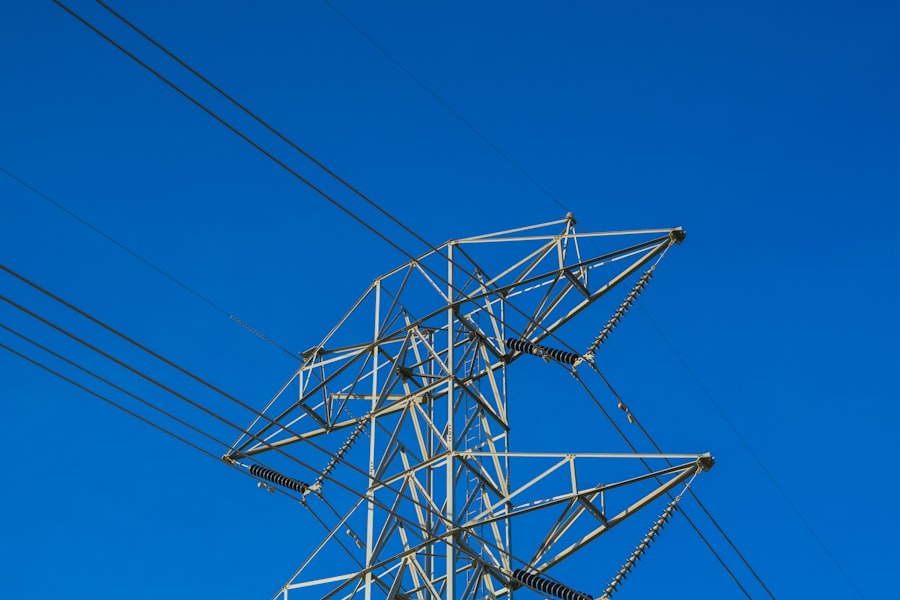
The physical pathways that carry electricity from power plants to consumers – the transmission and distribution lines – are also put under immense strain during cold snaps.
The Weight of Ice and Snow
A common culprit for transmission line failures during cold weather events is the accumulation of ice and snow. These heavy deposits can weigh down power lines, causing them to sag significantly. When lines sag too much, they can come into contact with each other, or with trees and other structures, leading to short circuits and widespread outages. Imagine a tightrope walker burdened with heavy weights; the risk of falling increases dramatically.
The Impact of High Winds
Cold snaps are often accompanied by strong winds. While wind can be a source of power for turbines, it can also be a destructive force for overhead transmission lines. High winds can cause lines to sway and whip, increasing the risk of them breaking or causing damage to supporting structures like towers and poles. Falling trees, weakened by ice and snow and then buffeted by wind, become projectiles that can topple power poles.
Reduced Efficiency in Conductors
Extremely low temperatures can also affect the electrical resistance of transmission lines. While colder temperatures generally decrease resistance (a good thing), the overall impact during a cold snap is often dominated by the physical stresses on the lines and the reduced generation capacity. Furthermore, the increased demand necessitates the lines operating at higher capacities, which generates more heat, and this heat can lead to thermal expansion and sag, exacerbating the problem of ice accumulation.
Distribution System Vulnerabilities
The distribution network, which delivers electricity from substations to individual homes and businesses, is often a web of overhead lines, making it particularly susceptible to damage from ice, snow, and falling debris. Damage to a single distribution line can affect hundreds or even thousands of customers, leading to localized but widespread outages.
Grid Management Strategies for Cold Snaps
To counteract these challenges, grid operators employ a robust set of strategies, often rehearsed and refined through years of experience and technological advancements. These strategies aim to prevent instability and ensure the continued flow of electricity.
Load Forecasting and Demand-Side Management
Accurate prediction of electricity demand is the bedrock of grid management.
Sophisticated Forecasting Models
Grid operators utilize complex meteorological forecasts and historical data to predict how much electricity will be needed at any given time. These models consider factors like temperature, wind chill, the duration of the cold, and the time of day. It’s like a chef meticulously planning an elaborate meal, knowing exactly how many guests will attend and what dishes they will prefer.
Demand Response Programs
Demand-side management, often referred to as demand response, is a crucial tool. This involves incentivizing consumers to voluntarily reduce their electricity usage during peak demand periods. Utilities offer financial incentives for customers to dim lights, adjust thermostats, or postpone the use of high-draw appliances. Think of it as an organized orchestra collectively lowering their volume for a moment to allow a solo instrument to be heard clearly.
Maintaining Generation Reserves
Ensuring sufficient generation capacity beyond the expected demand is paramount.
Spinning Reserves
Spinning reserves are generating units that are already synchronized to the grid and ready to ramp up production almost instantaneously. They are kept at a lower output level, essentially idling, so they can be activated quickly if demand surges unexpectedly.
Non-Spinning Reserves
Non-spinning reserves are generating units that can be brought online within a longer timeframe, typically minutes to an hour. These are often fossil fuel-fired plants that can be quickly started up.
Strategic Fuel Stockpiling
For thermal power plants, maintaining adequate fuel reserves on-site is a critical part of ensuring reliability. This buffer helps to mitigate the risks of supply chain disruptions.
Grid Hardening and Infrastructure Investment
Long-term investments in grid infrastructure are essential for improving resilience.
Overhead Line Upgrades
This can include replacing older poles and lines with more robust materials, installing stronger insulators, and trimming trees more aggressively in rights-of-way to reduce the risk of damage from falling limbs.
Undergrounding power lines
While significantly more expensive, burying power lines can make them impervious to many forms of weather-related damage. This is a long-term solution that enhances reliability in vulnerable areas.
Advanced Monitoring and Control Systems
The deployment of smart grid technologies allows for real-time monitoring of grid conditions, enabling operators to detect and respond to issues more quickly.
As extreme cold snaps become more frequent due to climate change, the stability of energy grids is increasingly at risk. A recent article discusses how these harsh weather conditions can lead to significant challenges in maintaining a reliable power supply. For a deeper understanding of the implications of these cold events on energy infrastructure, you can read more in this insightful piece on energy grid stability. To explore the topic further, check out the article here.
Incident Response and Restoration Protocols
| Metric | Description | Typical Range | Impact During Extreme Cold Snaps |
|---|---|---|---|
| Grid Frequency (Hz) | Measures the balance between electricity supply and demand | 59.8 – 60.2 Hz | Frequency may drop below 59.8 Hz due to increased demand and generation shortfalls |
| Peak Load (MW) | Maximum electricity demand on the grid | Varies by region; e.g., 10,000 – 50,000 MW | Can increase by 20-40% during extreme cold snaps due to heating needs |
| Reserve Margin (%) | Extra available capacity above peak load | 10-20% | May decrease as generation units trip or fuel supply is constrained |
| Forced Outage Rate (%) | Percentage of generation capacity unexpectedly offline | 5-10% | Can rise to 15-25% due to equipment failures in cold conditions |
| Transmission Line Availability (%) | Percentage of transmission lines operational | 95-99% | May drop due to ice accumulation and weather-related faults |
| Voltage Stability (p.u.) | Per unit voltage level indicating grid voltage health | 0.95 – 1.05 p.u. | Voltage may fluctuate outside normal range due to load imbalances |
| Energy Storage Utilization (%) | Percentage of stored energy used to support grid | Varies widely | Increases significantly to manage peak demand and stabilize frequency |
Despite all preventive measures, outages can still occur. Having well-defined and practiced incident response protocols is vital for minimizing the duration and impact of power disruptions.
Emergency Response Teams
Utilities maintain dedicated crews trained to respond to line breaks, equipment failures, and other emergencies. These teams are often deployed in advance to areas identified as being at higher risk during a cold snap.
Prioritization of Restoration Efforts
During widespread outages, restoration efforts are often prioritized based on critical infrastructure. This typically includes hospitals, emergency services, water treatment plants, and other essential facilities. The goal is to restore power to the largest number of customers as quickly and safely as possible.
Public Communication and Information Dissemination
During an outage, clear and timely communication with the public is essential. This includes informing customers about the estimated restoration times, providing safety tips, and offering alternative resources if needed. Maintaining a steady stream of information helps to manage public anxiety and ensure safety.
Inter-Utility Cooperation and Mutual Aid
In severe events, utilities may request assistance from neighboring utilities through mutual aid agreements. This allows for the sharing of crews, equipment, and expertise to accelerate restoration efforts. It is a demonstration of the industry’s collective commitment to keeping the lights on.
The management of energy grid stability during cold snaps is a continuous, evolving process. It requires vigilance, foresight, robust infrastructure, and the dedicated efforts of countless individuals. As weather patterns become more volatile and demand for electricity continues to grow, the ability of the grid to withstand these extreme events will remain a paramount concern, a constant challenge to be met with innovation and unwavering commitment.
FAQs
What challenges do extreme cold snaps pose to energy grid stability?
Extreme cold snaps increase energy demand for heating while simultaneously causing equipment failures and fuel supply disruptions, which can strain the energy grid and risk outages.
How does increased energy demand during cold snaps affect the grid?
During extreme cold, heating needs surge, leading to higher electricity and natural gas consumption. This spike can overload the grid if supply cannot keep pace, potentially causing blackouts.
What measures can be taken to improve grid resilience during extreme cold weather?
Measures include winterizing infrastructure, diversifying energy sources, increasing reserve capacity, implementing demand response programs, and enhancing real-time grid monitoring.
Why is fuel supply reliability important for grid stability in cold weather?
Fuel supply disruptions, such as frozen natural gas pipelines or limited coal deliveries, can reduce power plant output, making it difficult to meet high demand and maintain grid stability.
How do energy providers prepare for extreme cold events to prevent outages?
Providers conduct regular maintenance, perform stress tests, coordinate with fuel suppliers, communicate with customers about conservation, and develop emergency response plans to ensure reliable service during cold snaps.