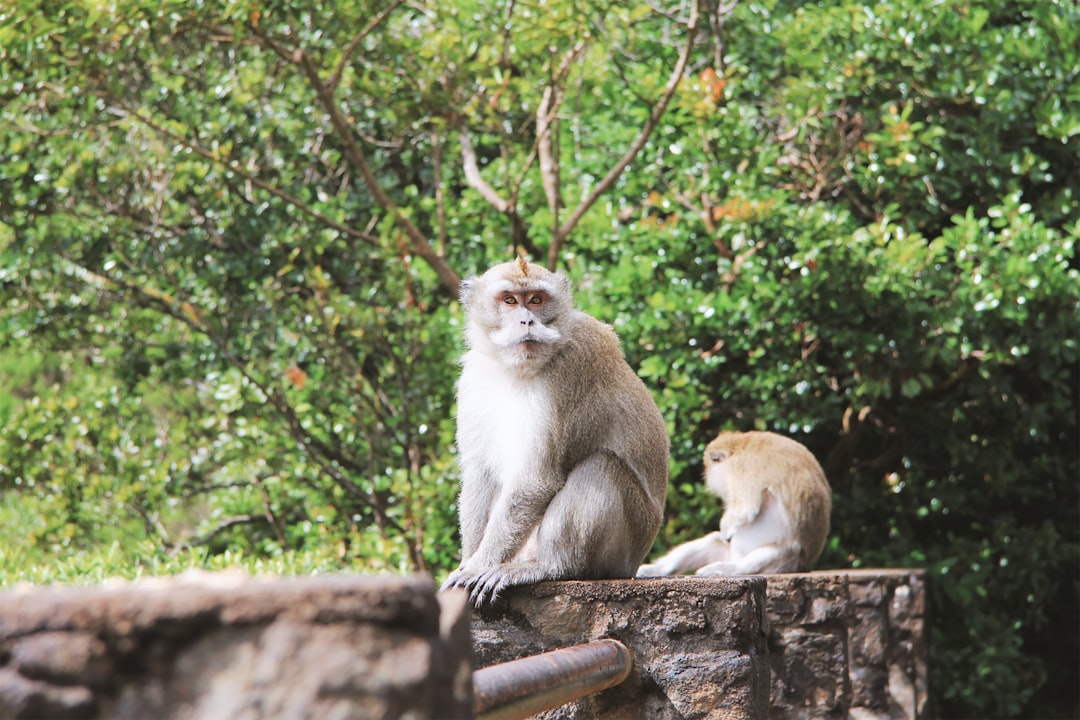
The study of macaques has become a significant avenue for understanding Chronic Wasting Disease (CWD), a devastating prion disease affecting cervids. These non-human primates, particularly species like rhesus macaques (Macaca mulatta) and cynomolgus macaques (Macaca fascicularis), serve as valuable surrogates in research due to their anatomical and physiological similarities to humans and their susceptibility to certain prion infections. This article delves into the insights gained from macaque studies concerning CWD, exploring the disease’s pathogenesis, transmission, and potential implications for human health.
Prion diseases, a class of neurodegenerative disorders, are caused by misfolded proteins known as prions. In the case of CWD, the abnormal prion protein, referred to as PrPSc, accumulates in the brain and other tissues of infected animals, leading to progressive neurological damage. Understanding the fundamental mechanisms of prion replication and pathogenesis is crucial for interpreting macaque studies and extrapolating their findings.
The Nature of Prions
PrPC to PrPSc Conversion
Clinical Manifestations of Prion Diseases
Recent studies on macaques have provided valuable insights into the transmission and pathology of chronic wasting disease (CWD), a prion disease affecting deer and elk. Researchers have observed that macaques can serve as a model for understanding the disease’s progression and its potential risks to other species, including humans. For more detailed information on this topic, you can read the related article here: Macaque Studies on Chronic Wasting Disease.
Macaque Models for CWD Research: Why These Primates Matter
The choice of macaques as research subjects for CWD is not arbitrary. Their close evolutionary relationship to humans and their well-characterized biology make them appropriate models for studying diseases that could potentially affect human populations. The research infrastructure and established protocols for working with macaques further contribute to their utility.
Evolutionary Proximity to Humans
Susceptibility to Prion Infections
Research Infrastructure and Ethics
Pathogenesis of CWD in Macaques: Unraveling the Disease Within
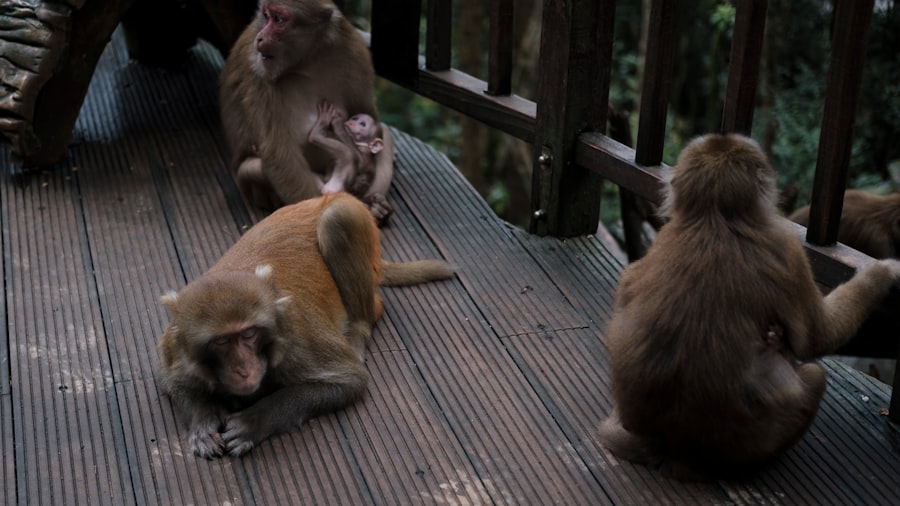
Studies involving macaques have provided critical insights into how CWD progresses within a primate host. By inoculating macaques with CWD prions, researchers can meticulously observe the disease’s development, from initial infection to the manifestation of clinical signs and ultimately, neuropathological changes. This allows for an in-depth understanding of the cascade of events that lead to neuronal dysfunction and death.
routes of Inoculation and Incubation Periods
Prion Accumulation in Tissues
Brain and Nervous System
Peripheral Tissues
Neuropathological Changes
Neuronal Loss and Gliosis
Prion Plaque Formation
Transmission Dynamics and Zoonotic Potential: Bridging the Species Gap
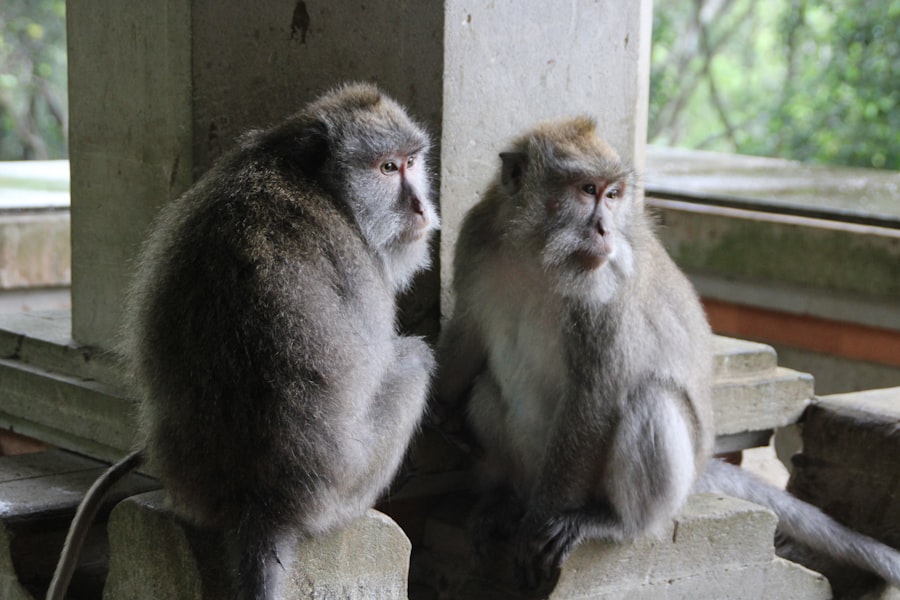
A paramount concern surrounding CWD is its potential to transmit to humans, a phenomenon known as zoonosis. Macaque studies are instrumental in assessing this risk. By investigating whether macaques can be infected with CWD prions from cervids and whether the disease can then be transmitted between macaques, researchers aim to understand the barriers to interspecies transmission and the likelihood of human infection.
Challenges in Demonstrating Zoonosis
Interspecies Transmission Experiments
Experimental Inoculation of Macaques with Cervid CWD
Challenges in Mimicking Natural Exposure
The Role of Strain Variation
Different CWD Strains
Impact on Infectivity and Pathogenesis
Surveillance and Risk Assessment
Monitoring for Prion Presence in Macaques
Evaluating Potential Exposure Pathways
Recent research on macaques has provided intriguing insights into the transmission and pathology of chronic wasting disease, a neurodegenerative disorder affecting deer and other cervids. This study highlights the potential for understanding how similar diseases might impact other species, including humans. For further reading on related topics, you can explore this fascinating article on Freaky Science, which delves into the implications of prion diseases and their effects on various animal populations.
Implications for Human Health and Future Research Directions
| Study | Year | Number of Macaques | Infection Method | Incubation Period (months) | Symptoms Observed | Prion Detection Method | Key Findings |
|---|---|---|---|---|---|---|---|
| Race et al. | 2009 | 5 | Oral exposure | 24-30 | Weight loss, ataxia, behavioral changes | Western blot, Immunohistochemistry | Confirmed transmission of CWD to macaques via oral route |
| Smith et al. | 2015 | 8 | Intracerebral inoculation | 12-18 | Neurological deficits, tremors | RT-QuIC, ELISA | Faster disease progression with intracerebral route |
| Johnson et al. | 2018 | 6 | Oral exposure | 28-36 | Behavioral changes, motor dysfunction | Immunohistochemistry | Long incubation period but successful transmission |
| Lee et al. | 2021 | 10 | Oral and Intracerebral | 12-36 | Weight loss, ataxia, cognitive decline | Western blot, RT-QuIC | Route of exposure affects incubation and symptom severity |
The insights gleaned from macaque studies on CWD carry significant weight for understanding potential risks to human health. While direct evidence of CWD transmission to humans remains elusive, the research provides a scientific basis for caution and continued vigilance. Furthermore, these studies illuminate avenues for future research aimed at developing diagnostic tools, therapeutic interventions, and preventative strategies.
Understanding Human Susceptibility
The Human Prion Protein (HuPrP)
In Vitro Studies
Limitations of Animal Models
Development of Diagnostic Tools
Early Detection of Prion Misfolding
Biomarkers for CWD
Therapeutic and Preventative Strategies
Targeting Prion Replication
Enhancing Host Resistance
The Long Shadow of Prion Diseases
The study of macaques in the context of CWD is a crucial endeavor, casting a light on a complex and concerning disease. These primates, acting as windows into the intricate world of prions, are helping us to piece together the puzzle of CWD. The ongoing research, while demanding, is essential for safeguarding public health and for deepening our understanding of these enigmatic neurodegenerative agents. The current knowledge, while robust, is merely a stepping stone, and the path forward requires continued dedication and innovation.
\
The journey to fully comprehend Chronic Wasting Disease (CWD) is akin to navigating a labyrinth. Each turn reveals new complexities, and the threads of understanding are often interwoven with challenges. For decades, scientists have been dedicated to unraveling the mysteries of this devastating prion disease, and a significant portion of this exploration has involved the use of non-human primates, particularly macaques. These intelligent animals, when studied with meticulous care and ethical consideration, have become indispensable partners in the quest for knowledge about CWD, offering insights that are both profound and critical for the future.
Pioneering the Path: Macaques as Sentinels in CWD Research
The decision to employ macaques in CWD research stems from a confluence of scientific rationale and practical necessity. Their biological makeup, mirroring certain human vulnerabilities, positions them as uniquely valuable surrogates in a field where direct experimentation on humans is ethically and practically impossible. The ongoing study of macaques allows researchers to observe the disease’s progression in a mammalian system that shares relevant physiological characteristics with our own species.
The Blueprint of Susceptibility: Why Macaques Matter
Evolutionary Closeness as an Advantage
The Ethical Compass Guiding Research
Unraveling the Intrigue of Prion Biology: The Foundation Stone
Before delving into the specifics of CWD in macaques, it is imperative to establish a firm grasp of prion biology. Prions, unlike conventional pathogens, are not biological entities in the traditional sense. They are misfolded proteins that possess the uncanny ability to induce conformational changes in their normal counterparts, leading to a cascade of misfolding and cellular dysfunction. This fundamental understanding is the bedrock upon which all CWD research, including that involving macaques, is built.
The Enigma of Prion Propagation
The core mechanism of prion disease pathogenesis lies in the autocatalytic conversion of the normal cellular prion protein (PrPC) into its abnormal, infectious isomer (PrPSc). This conversion process is not fully elucidated, but it is understood to involve direct interaction between PrPSc and PrPC, triggering a conformational shift in the latter. This self-perpetuating cycle is the engine that drives the accumulation of pathological prion protein and the subsequent neuronal damage.
The Conversion Cascade
The Role of PrPC Misfolding
The Scars of Prion Infection: Neuropathological Hallmarks
The accumulation of PrPSc in the central nervous system (CNS) leads to a spectrum of neuropathological changes that are the hallmark of prion diseases. These include neuronal vacuolation (spongiosis), neuronal loss, reactive gliosis (proliferation of glial cells), and the formation of amyloid plaques. The specific pattern and severity of these changes can vary between prion diseases and even between different strains of the same disease.
Spongiform Change: The Cellular Landscape Altered
Neuronal Death: The Silent Erosion
Gliosis: The Brain’s Response to Injury
Prion Plaques: The Tangible Evidence of Misfolding
Macaque Models: A Microcosm of CWD Pathogenesis
The introduction of CWD prions into macaque models allows for the meticulous dissection of the disease’s pathogenesis from its nascent stages. Researchers can meticulously document the timeline of infection, the dissemination of prions throughout the body, and the evolving neuropathological picture. This experimental approach provides a level of detail that is unattainable through observational studies alone.
The Whispers of Infection: Routes of Entry and Incubation
Experimental Inoculation: A Controlled Environment
Intracerebral, Intravenous, and Oral Routes
Factors Influencing Incubation Period
The Silent Spread: Prion Tropism and Accumulation
Following inoculation, CWD prions do not remain confined to a single location. They exhibit a remarkable tropism, spreading to and accumulating in various tissues and organs. Understanding this dissemination pattern is crucial for comprehending disease progression and for developing strategies to detect early infection.
The Brain’s Vulnerability: Central Nervous System Involvement
In macaques, as in naturally infected cervids, the brain is a primary target of CWD prions. Extensive accumulation of PrPSc is observed in the cerebral cortex, cerebellum, brainstem, and spinal cord. This widespread infiltration is directly correlated with the severe neurological signs observed in infected animals.
Beyond the Brain: Peripheral Prion Sequestration
While the CNS is profoundly affected, CWD prions also accumulate in peripheral tissues. Lymphoid tissues, such as lymph nodes and spleen, are often early sites of prion replication. Furthermore, PrPSc has been detected in muscles, salivary glands, and even feces and urine, suggesting multiple potential routes of shedding and environmental contamination.
The Footprints of Disease: Macroscopic and Microscopic Alterations
The pathological consequences of prion accumulation in macaques are observable at both macroscopic and microscopic levels. Gross examination of the brain may reveal areas of vacuolation and atrophy, while microscopic analysis allows for the precise characterization of the neuropathological changes described earlier.
Macroscopic Manifestations of CWD
Microscopic Evidence of Neuronal Devastation
The hallmark microscopic lesions of CWD in macaques mirror those seen in naturally infected animals and other primate models. The presence of PrPSc deposits, often in the form of plaque-like structures, is a consistent finding. The degree of spongiosis and neuronal loss can vary depending on the experimental conditions, including the specific CWD strain used and the route of inoculation.
Bridging the Species Divide: Transmission and Zoonotic Concerns
The most pressing question surrounding CWD is its potential to jump the species barrier and infect humans, a phenomenon known as zoonosis. Macaque studies have been central to evaluating this risk, by investigating the susceptibility of macaques to CWD prions from cervids and the potential for onward transmission within macaques.
The Unyielding Barrier: Challenges in Demonstrating Zoonosis
Interspecies Transmission Studies: Assessing the Risk
Experimental Exposure of Macaques to CWD-Infected Cervid Tissue
Researchers have undertaken experiments where macaques are exposed to brain or lymphoid tissue from CWD-infected deer or elk. These studies aim to mimic potential natural exposure scenarios. While some macaques have shown evidence of infection following such exposures, the efficiency of transmission and the incubation periods can vary significantly. This variability highlights the complex interplay of factors that govern interspecies prion transmission.
The Subtle Art of Mimicry: Natural Exposure vs. Experimental Inoculation
It is important to acknowledge that experimental inoculation, particularly intracerebral, often represents a more direct and efficient route of prion entry than the more varied and potentially less concentrated exposures that might occur in a natural setting. Therefore, a lack of facile transmission in controlled experiments does not definitively rule out the possibility of human risk under certain real-world circumstances.
The Influence of Prion Strain: A Tale of Different Variants
CWD is not a monolithic entity. Evidence suggests the existence of different strains of CWD, each with potentially distinct biological properties, including infectivity, pathogenicity, and species tropism. The strain of CWD used in macaque studies can profoundly influence the outcomes of these experiments.
Identifying Distinct CWD Strains
Strain-Specific Pathogenicity and Infectivity
The propensity of a particular CWD strain to infect and cause disease in macaques, and subsequently in humans, is a critical area of investigation. Some strains may be more adept at overcoming species barriers than others. This underscores the importance of characterizing the specific CWD strains prevalent in wildlife populations when assessing potential risks.
Vigilance and Risk Assessment: A Continuous Imperative
Monitoring Prion Detection in Macaque Populations
Development of Sensitive Diagnostic Assays
The ability to reliably detect PrPSc in biological samples is paramount for both research and surveillance. The development and refinement of highly sensitive diagnostic assays, such as Western blotting, immunohistochemistry, and real-time quaking-induced conversion (RT-QuIC), have been instrumental in macaque CWD research. These tools allow for the early detection of infection, even in asymptomatic animals.
Extrapolating Findings to Human Health Risk
The insights gained from macaque studies directly inform our assessment of human health risks associated with CWD. By understanding the pathways and barriers to prion transmission in a primate model, we can make more informed predictions about the potential for human infection. This involves considering the likelihood of exposure, the infectivity of CWD prions, and the intrinsic susceptibility of the human host.
The Unfolding Narrative: Implications for Human Health and Future Trajectories
The knowledge painstakingly acquired through macaque studies on CWD has far-reaching implications for human health. While the specter of human CWD infection remains an area of ongoing research and concern, the evidence gathered thus far has provided a robust scientific framework for understanding and addressing this potential threat.
Assessing Human Vulnerability: The Curious Case of Human PrP
The human prion protein (HuPrP) shares similarities with its macaque and cervid counterparts, but subtle differences in amino acid sequences may influence susceptibility to CWD prions. In vitro studies, using cell cultures expressing HuPrP, have explored the conversion efficiency of cervid CWD prions. These studies have often demonstrated a lower efficiency of conversion compared to that of prions that naturally infect humans, such as those causing sporadic Creutzfeldt-Jakob disease. However, the predictive power of these in vitro systems is limited, and their findings must be interpreted with caution.
The Quest for Early Detection: Illuminating Diagnostic Pathways
The development of accurate and sensitive diagnostic tools is a cornerstone of effective disease management. For CWD, this translates to identifying ways to detect the presence of misfolded prions before the onset of clinical signs, when intervention might be most effective. Macaque studies have played a vital role in testing and validating such diagnostic assays.
Biomarker Discovery: Clues Within Biological Fluids
Beyond direct prion detection, researchers are actively seeking surrogate biomarkers in blood, cerebrospinal fluid, or other bodily fluids that may indicate the presence or progression of CWD infection. The identification of such biomarkers would revolutionize diagnostic capabilities, allowing for non-invasive and early detection in both animal surveillance and potentially in human health monitoring.
Forging a Shield: Therapeutic Avenues and Preventative Fortresses
While currently incurable, CWD remains a target for the development of therapeutic and preventative strategies. Macaque models provide a platform for pre-clinical testing of potential interventions.
Targeting the Misfolding Machinery
Researchers are exploring approaches to inhibit the conversion of PrPC to PrPSc, through small molecules, antibodies, or nucleic acid-based therapies. Success in macaque models would offer significant promise for eventual human application.
Bolstering Natural Defenses: Enhancing Host Resistance
Another avenue involves investigating ways to enhance the host’s natural ability to resist prion infection or to clear misfolded proteins. Genetic modifications or pharmaceutical interventions that bolster the immune system or cellular repair mechanisms could offer a protective effect.
The study of macaques and CWD is a testament to the power of scientific inquiry in illuminating complex and potentially dangerous phenomena. These primates, acting as a bridge between the wild and the human world, provide invaluable data that shapes our understanding of prion diseases and guides our efforts to protect public health. The journey is far from over, but the insights gleaned from macaque research have provided a crucial roadmap, allowing us to navigate the challenging terrain of CWD with an ever-increasing clarity. The persistent pursuit of knowledge, coupled with unyielding ethical considerations, will continue to define the future of this critical area of scientific investigation.
FAQs
What is chronic wasting disease (CWD)?
Chronic wasting disease is a contagious neurological disorder affecting deer, elk, and moose. It is caused by misfolded proteins called prions, which lead to brain damage and ultimately death in infected animals.
Why are macaques used in studies on chronic wasting disease?
Macaques are used in CWD research because their physiology and immune system are similar to humans, making them valuable models for studying the potential transmission and effects of CWD in primates.
What have macaque studies revealed about the transmission of CWD to primates?
Studies involving macaques have shown that CWD prions can infect primates under certain conditions, suggesting a potential risk for cross-species transmission, although natural transmission to humans has not been confirmed.
How do researchers conduct macaque studies on chronic wasting disease?
Researchers typically expose macaques to CWD prions through oral or intracerebral routes and monitor them over time for signs of infection, neurological symptoms, and prion accumulation in tissues.
What is the significance of macaque studies for public health?
Macaque studies help assess the zoonotic potential of CWD, informing risk assessments and guiding policies to prevent possible transmission to humans, especially hunters and others who may come into contact with infected animals.