
So, what makes those silicone seals on LED streetlights go bad, and what can we do about it? In a nutshell, silicone degradation in LED streetlights primarily happens due to a combination of environmental factors like UV radiation and heat, but it’s also influenced by the specific chemical composition of the silicone and how the light fixture is designed. Good news is, understanding these causes opens up practical ways to prevent or at least slow down this process, ultimately extending the life of our streetlights.
The Science Behind Silicone’s Breakdown
Silicone, often lauded for its flexibility and resilience, isn’t entirely immune to the relentless forces of nature. When it’s used in outdoor applications like LED streetlights, it’s constantly exposed to elements that can, over time, compromise its integrity. It’s not a sudden, catastrophic failure, but rather a gradual weakening.
Ultraviolet Radiation’s Unseen Assault
Think of UV radiation from the sun as a slow-motion molecular sculptor. Even though glass and some plastics can block a good chunk of it, some UV rays still penetrate, especially those with shorter wavelengths. When these UV photons hit the silicone’s molecular bonds, they have enough energy to break them. This breaking process doesn’t happen all at once. Instead, it’s a continuous chipping away.
As these bonds break, the silicone starts to lose its characteristic properties. It might become less flexible, more brittle, and its ability to repel water can diminish. This is a key reason why older silicone seals might look cracked or chalky. The original chemical structure is being altered at a fundamental level by this constant bombardment.
The Dual Threat of Heat and Cold Cycles
Heat is a major accelerator for many chemical reactions, and silicone degradation is no exception. When LED streetlights are in operation, they generate heat. This internal heat, combined with external temperatures, especially during hot summer days, can push the silicone to its thermal limits. High temperatures can increase the rate at which UV-induced bond breaking occurs and can also lead to other degradation mechanisms.
Conversely, extreme cold can also play a role. While it might seem counterintuitive, the repeated expansion and contraction of materials during freeze-thaw cycles can create micro-stresses within the silicone. These stresses, though small, can exacerbate existing weaknesses or create new ones, making the material more susceptible to other forms of degradation. The constant cycle of heating up during the day and cooling down at night, or the harshness of winter, puts a physical strain on the material.
Chemical Reactions Within the Silicone Itself
Beyond external factors, the internal chemistry of the silicone itself matters. Silicones are polymers, meaning they are made up of long chains of repeating molecular units. The specific types of chemical bonds within these chains, and how they are cross-linked (connected to other chains), determine the silicone’s performance and longevity.
Some additives or fillers used in the silicone formulation might be more susceptible to degradation than the base silicone polymer. For example, if certain plasticizers are used to improve flexibility, they might leach out over time, especially when exposed to heat and UV, leaving the silicone harder and more prone to cracking. Similarly, the curing process itself can leave residual byproducts that might react with the environment over time. The quality and type of silicone formulation are therefore critical.
Recent studies have highlighted concerns regarding the silicone degradation in LED streetlights, which can significantly impact their longevity and performance. For a deeper understanding of this issue, you can refer to a related article that discusses the implications of material degradation in urban lighting systems. This article provides valuable insights into the challenges faced by municipalities in maintaining effective street lighting. For more information, visit this article.
Identifying the Signs of Trouble
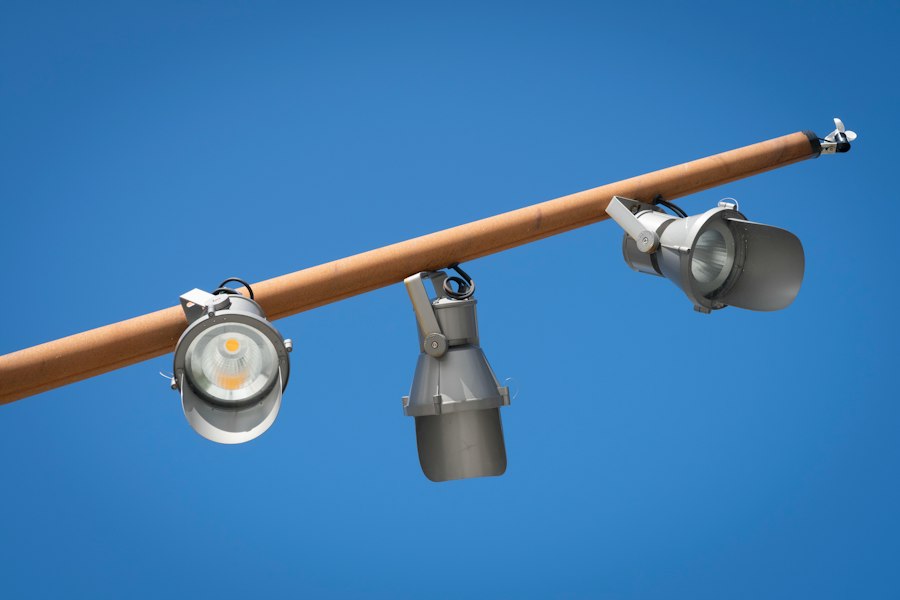
Spotting silicone degradation early can save a lot of headaches and prevent more serious issues down the line. It’s not always obvious, but a few key indicators can help you assess the condition of your streetlights. Think of it like checking the health of any other piece of equipment; a visual inspection goes a long way.
Visual Clues: Cracking, Discoloration, and Hardening
The most apparent signs are usually visual. You might notice fine cracks appearing on the surface of the silicone seal. These cracks can start small but, with continued exposure, they will grow larger and deeper. This indicates that the material has lost its elasticity and is becoming brittle.
Discoloration is another common sign. Silicone can change color from its original clear or opaque state to a yellowish, brownish, or even a chalky white hue. This discoloration is often a result of UV exposure breaking down the organic components within the silicone, or reactions with airborne pollutants.
If you can physically touch the silicone (when the light is off and cool, of course!), you might notice it feels harder and less pliable than it should. It might even feel somewhat powdery or chalky to the touch, a clear sign that the material is breaking down.
Performance Impacts: Water Ingress and Reduced Sealing
The primary job of the silicone seal is to keep moisture and contaminants out of the sensitive electronics within the LED streetlight. When the silicone degrades, its sealing capabilities are compromised. This means that water, dust, and other debris can more easily find their way into the fixture.
Water ingress is particularly problematic. It can lead to corrosion of internal components, short circuits, and ultimately, premature failure of the LED module or the driver. You might observe water stains or condensation inside the fixture if the seal has failed. The reduced ability to repel water also means the surface might appear perpetually wet or develop water spots that are difficult to clean.
Electrical Performance Drop-offs (Indirect Signs)
While not a direct sign of silicone degradation itself, you might observe indirect effects on the streetlight’s performance. For instance, if moisture has entered the fixture due to a failed seal, you might notice flickering lights, intermittent operation, or a dimming of the light output. These are often the first functional indicators that something is wrong internally, and a degraded silicone seal is a very common culprit for such moisture-related problems.
Strategies for Prevention and Mitigation
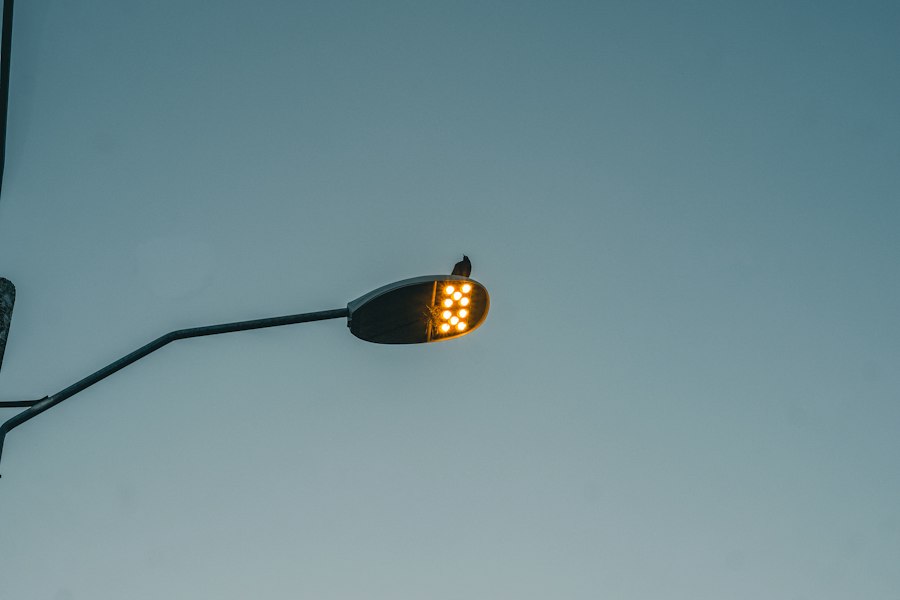
Preventing silicone degradation isn’t about magic bullets, but rather a combination of smart material selection, thoughtful design, and proper installation. By being proactive, we can significantly extend the lifespan of LED streetlights and reduce maintenance costs.
Choosing the Right Silicone Formulations
Not all silicones are created equal. The formulation of the silicone used in LED streetlights is crucial for its longevity. Manufacturers have several options when it comes to silicone types, and some are inherently more resistant to environmental stressors than others.
High-Performance Silicones
Look for silicones that are specifically designed for outdoor and high-temperature applications. These often contain advanced UV stabilizers and antioxidants that help to protect the polymer chains from breakdown. Silicones with a higher percentage of siloxane backbone (the Si-O-Si chain) tend to be more stable. Addition curing silicones are generally more stable and resistant to heat and UV compared to condensation curing silicones, which can sometimes release byproducts.
UV Resistance Additives
The inclusion of specific additives that absorb or block UV radiation is a key factor. These additives act like a sunscreen for the silicone, preventing the UV photons from reaching and damaging the polymer chains. The type and concentration of these additives can make a significant difference in how well the silicone holds up over time.
Careful Fixture Design Considerations
The way the streetlight fixture is designed plays a huge role in how the silicone seal is stressed and protected. A well-designed fixture minimizes direct exposure and thermal stress on the sealant.
Shielding and Ventilation
Designing fixtures that shield the silicone from direct, prolonged sunlight is effective. This could involve overhangs or strategically placed shrouds. Proper ventilation is also important. While it seems counterintuitive, allowing some air circulation can help dissipate heat generated by the LEDs, preventing the silicone from reaching excessively high temperatures. Overheating is a major enemy of silicone.
Minimizing Thermal Bridging
Thermal bridging occurs when heat can easily transfer from a hot component (like the LED module) to the sealing material. Fixture designs that minimize direct contact between the heat-generating elements and the silicone seal, or that incorporate thermal breaks, can reduce the overall temperature experienced by the silicone.
The Art of Proper Installation
Even the best silicone and the most well-designed fixture can fail if the seal isn’t applied or installed correctly. This is often where practical issues arise.
Clean Surfaces are Paramount
Before applying any sealant, the surfaces it will adhere to must be meticulously clean and free from dust, grease, oil, or any other contaminants. These contaminants can prevent proper adhesion, creating weak spots where moisture can later ingress. The silicone needs a clean, dry surface to bond effectively.
Adequate Bead Size and Coverage
The amount of silicone applied and how it’s applied are also critical. The sealant needs to be applied in a continuous bead of sufficient size to create a robust barrier. If the bead is too small, it won’t effectively bridge any gaps. Uneven application or gaps in the bead will create pathways for water to penetrate. Ensuring full, uninterrupted contact is key.
Correct Curing Conditions
Silicones require specific environmental conditions to cure properly. This includes temperature and humidity. If the silicone is applied and then immediately exposed to extreme temperatures or moisture before it has had a chance to cure fully, its long-term performance will be compromised. Following the manufacturer’s recommendations for application and curing is non-negotiable.
Long-Term Maintenance and Monitoring
Once a streetlight is installed, the job isn’t quite done. Regular inspection and maintenance can help catch degradation early and address issues before they become costly problems. It’s a proactive approach that pays dividends.
Scheduled Visual Inspections
Routine visual inspections of LED streetlights should be part of any maintenance schedule. This doesn’t require specialized equipment, just a trained eye. During these inspections, look for the tell-tale signs of silicone degradation: cracking, discoloration, chalkiness, or any signs of water ingress within the fixture.
Cleaning and Debris Removal
Over time, dirt, grime, and even bird droppings can accumulate on the exterior of the streetlight. If these materials trap moisture against the silicone seal, they can accelerate degradation. Regular cleaning of the fixture surfaces, particularly around the seal, can help prevent this. Removing any accumulated debris that might be holding moisture is a simple yet effective preventative measure.
Assessing Sealant Integrity in the Field
For more critical infrastructure, or if signs of degradation are observed, more in-depth assessments might be necessary. This could involve using specialized tools to measure surface hardness or performing a wetness check for water intrusion. In some cases, it might be prudent to sample the silicone for laboratory analysis to understand the specific degradation mechanisms at play, especially if a particular batch or design consistently shows premature failure.
Proactive Replacement Strategies
Based on the findings from inspections and assessments, a proactive replacement strategy for silicone seals can be developed. Instead of waiting for a failure, if a seal is showing significant signs of wear and tear, it might be more cost-effective to replace it proactively, especially if the cost of replacing the entire fixture or dealing with an electrical failure is significantly higher. This is particularly relevant for critical lighting installations where reliability is paramount.
Recent studies have highlighted concerns regarding the degradation of silicone used in LED streetlights, which can significantly impact their longevity and performance. For a deeper understanding of the materials involved and their potential vulnerabilities, you can explore a related article that discusses various factors affecting LED technology. This insightful piece can be found at Freaky Science, where you will discover more about the challenges and advancements in street lighting solutions.
The Role of Environmental Factors and Their Impact
| Parameter | Measurement | Unit | Impact on LED Streetlight | Notes |
|---|---|---|---|---|
| Silicone Hardness (Shore A) | 25 – 35 | Shore A | Decrease indicates degradation | Measured before and after 2 years outdoor exposure |
| Yellowing Index | 5 – 20 | Unitless | Higher values indicate UV degradation | Increased yellowing reduces light transmission |
| Tensile Strength | 3 – 1.5 | MPa | Reduction shows material embrittlement | Measured after accelerated aging |
| Elongation at Break | 300 – 150 | % | Lower values indicate loss of flexibility | Important for mechanical durability |
| Water Absorption | 0.1 – 0.5 | % by weight | Increase can lead to electrical failures | Measured after 1000 hours humidity exposure |
| Surface Cracking | None to Moderate | Qualitative | Cracks allow moisture ingress | Visual inspection after 3 years outdoor use |
| Light Transmission | 90 – 70 | % | Decrease reduces LED efficiency | Measured at 450 nm wavelength |
The environment where a streetlight is installed is a significant determinant of how quickly its silicone components will degrade. There’s no one-size-fits-all answer to silicone longevity; it’s heavily influenced by the local conditions.
Geographic Location and Climate Influence
Coastal areas, for example, present a unique set of challenges. The presence of salt in the air can contribute to corrosion and can also interact with the silicone, potentially accelerating degradation. High humidity environments can lead to increased moisture ingress if the seals are not perfect. Conversely, extremely dry climates with intense sunlight will put a greater emphasis on UV resistance.
Industrial and Polluted Environments
In areas with high levels of industrial activity or significant air pollution, the silicone is exposed to a cocktail of chemicals. Certain airborne pollutants can react with the silicone, causing chemical degradation that is distinct from UV or thermal breakdown. Acidic rain, for instance, can etch and weaken the surface. Particulate matter can abrade the surface over time.
Direct Sunlight Exposure and Orientation
The amount of direct sunlight a streetlight receives is a primary driver of UV and thermal degradation. Streetlights installed on south-facing poles in the Northern Hemisphere, or north-facing in the Southern Hemisphere, will receive more intense and prolonged direct sunlight. The orientation of the fixture itself also matters; if the silicone seal is consistently exposed to the harshest angle of the sun, it will degrade faster than one that is partially shaded or oriented away from direct sun. This is why understanding the sun’s path throughout the day and year is important in fixture placement and design.
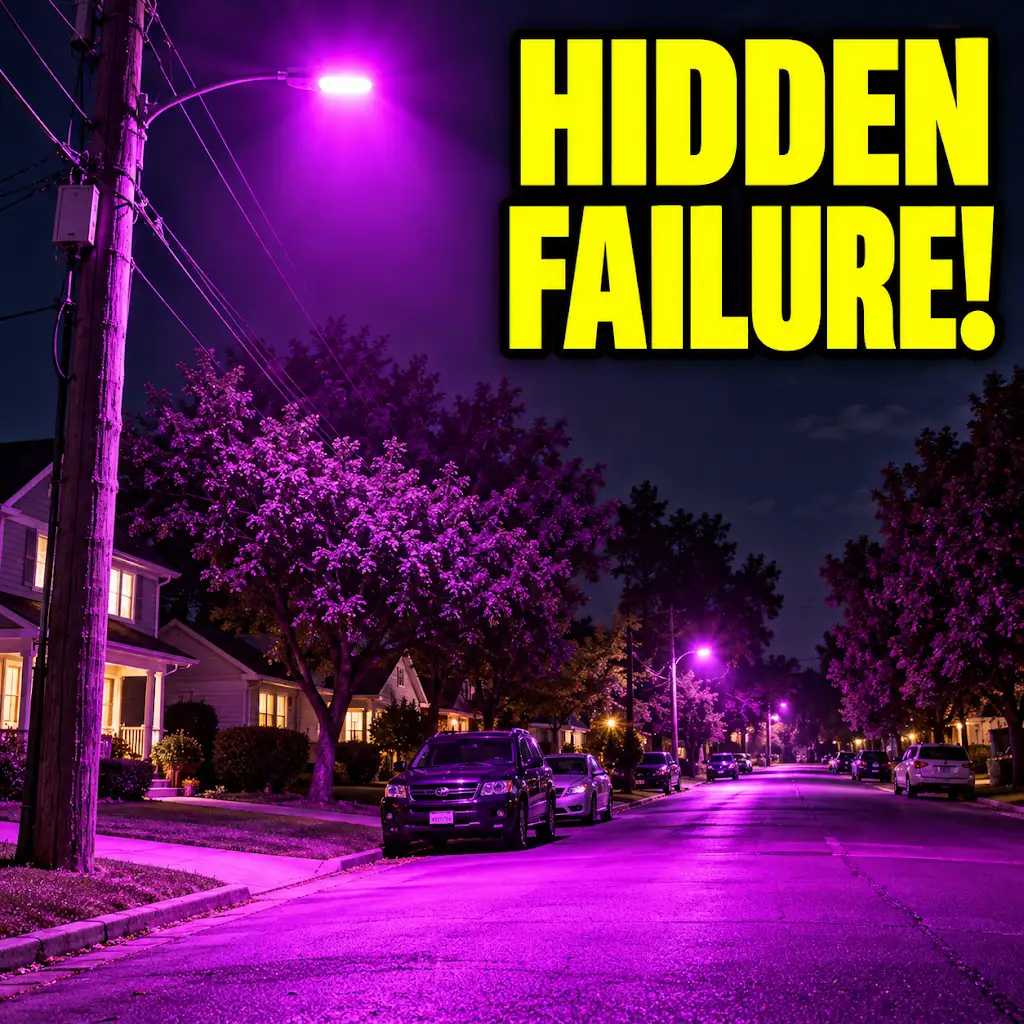
Why The Streetlights Are Turning Purple
FAQs
What causes silicone degradation in LED streetlights?
Silicone degradation in LED streetlights is primarily caused by exposure to UV radiation, high temperatures, and environmental pollutants.
How does silicone degradation affect the performance of LED streetlights?
As silicone degrades in LED streetlights, it can lead to discoloration, reduced light output, and even failure of the lighting system. This can result in decreased visibility and safety concerns on the streets.
Can silicone degradation be prevented in LED streetlights?
Silicone degradation in LED streetlights can be mitigated by using high-quality silicone materials that are specifically designed to withstand UV exposure and harsh environmental conditions. Regular maintenance and cleaning can also help prolong the lifespan of the silicone components.
What are the signs of silicone degradation in LED streetlights?
Signs of silicone degradation in LED streetlights include yellowing or darkening of the silicone material, reduced brightness of the light output, and visible cracks or deterioration on the surface of the silicone components.
How long does silicone typically last in LED streetlights before degradation occurs?
The lifespan of silicone in LED streetlights can vary depending on the quality of the material and the environmental conditions it is exposed to. On average, silicone in LED streetlights can last anywhere from 5 to 10 years before signs of degradation start to appear.