When we talk about LED streetlights failing, it’s usually because something in their materials just couldn’t keep up with the demands of being out in the elements 24/7. Think of it like this: these lights are working overtime, exposed to sun, rain, heat, cold, and even vibrations, all while trying to be super reliable. So, when a part gives out, it’s often a material issue that’s to blame.
The good news is that understanding these material failure points is the first step to preventing them. It’s not about magic; it’s about smart design, choosing the right stuff, and looking after them properly. This guide dives into what commonly goes wrong and how we can keep those lights shining bright for longer.
The Usual Suspects: Common Material Failures in LED Streetlights
LED streetlights are pretty robust these days, but like anything left outside, they can still run into problems. These issues often stem from the materials used in their construction and how they interact with the environment. It’s not usually one single thing, but a combination of factors that lead to a breakdown.
Degraded Thermal Management Materials
Heat is the sworn enemy of LEDs. They generate it, and if it’s not managed effectively, it can drastically shorten their lifespan. The materials responsible for wicking away this heat are critical.
Insufficient Heat Sink Performance
The heat sink is the big metal finned part that’s supposed to dissipate heat away from the LED chips. If the material itself is a poor conductor of heat, or if the contact points between the LED module and the heat sink aren’t good, heat builds up. This can be due to the alloy used not being optimal, or even the thermal interface material (TIM) – the paste or pad that fills microscopic gaps – drying out or cracking over time. When the heat sink can’t do its job, the LED junction temperature rises, leading to premature degradation.
Corrosion of Heat Sink Components
Many heat sinks are made from aluminum alloys. While generally good, if the protective coating is compromised (think scratches from installation or environmental damage), or if the alloy isn’t sufficiently corrosion-resistant, it can start to oxidize. This corrosion can reduce the surface area available for heat dissipation and, in severe cases, weaken the structural integrity of the heat sink. Salty air near coastal areas or chemicals from de-icing salts in colder climates can accelerate this process.
Compromised Optical Components
The “L” in LED stands for light, and the components that shape and direct that light are just as important as the LEDs themselves. If these parts degrade, the light output diminishes, or the light distribution pattern changes, making the streetlight less effective.
Yellowing and Hazing of the Light Cover
The clear lens or diffuser on the front of the streetlight is typically made from polycarbonate or acrylic. Over time, exposure to UV radiation from sunlight, combined with heat cycles, can cause these plastics to yellow and become hazy. This isn’t just an aesthetic issue; it significantly reduces the amount of light that can escape the fixture, making the street dimmer. Think of it like looking through dirty sunglasses.
Sealant Degradation and Water Ingress
The seals around the optical cover and the housing are crucial for keeping moisture and dust out. If the sealant material (often silicone-based) degrades due to UV exposure or temperature extremes, it can crack or lose its adhesive properties. This allows water to seep into the luminaire. Once inside, moisture can cause corrosion on electrical components, short circuits, and further degradation of optical surfaces, leading to fogging or mildew growth.
Electrical Component Vulnerabilities
While the LEDs themselves are pretty durable, the accompanying electronics – the driver, connectors, and power supply components – are susceptible to material-related failures, especially when dealing with power surges and environmental stresses.
Failure of Capacitors and Other Electronic Components
The LED driver is essentially a small power supply. It contains components like capacitors, which are particularly sensitive to heat and voltage fluctuations. If the materials used in the capacitors (like the dielectric film) are of lower quality or are exposed to excessive heat or voltage spikes, they can fail prematurely. This often leads to the entire driver failing, rendering the streetlight inoperable.
Corrosion of Electrical Connections
Connectors, terminals, and wiring inside the streetlight need to maintain good electrical contact. If these materials are not properly chosen or protected, they can corrode. Factors like moisture ingress, salt spray, or even airborne pollutants can attack the conductive surfaces (often copper or brass alloys). Corrosion increases electrical resistance, leading to overheating at the connection point, intermittent faults, or complete failure of the electrical circuit.
Recent concerns regarding LED streetlight material failure have been highlighted in various studies, emphasizing the importance of selecting durable materials to ensure longevity and efficiency. For further insights on this topic, you can read a related article that discusses the advancements in streetlight technology and the challenges faced in material selection by visiting Freaky Science. This resource provides valuable information on how material failures can impact urban lighting systems and potential solutions to enhance their performance.
Environmental Stressors: How the Outside World Wears Things Down
Streetlights are hardy, but they’re not indestructible. The constant bombardment from the environment is what really tests the limits of the materials used in their construction. Understanding these stresses is key to picking materials that can handle the abuse.
Thermal Cycling and Material Fatigue
The daily and seasonal temperature swings are a major culprit. Materials expand when they get hot and contract when they cool down. This constant stretching and squeezing, known as thermal cycling, puts stress on the materials.
Expansion and Contraction Issues
Different materials expand and contract at different rates. When a streetlight is made of multiple materials – like a metal housing, a plastic lens, and ceramic LED substrates – these differing expansion rates can create internal stresses. Over many cycles, these stresses can lead to micro-cracks forming in the materials, particularly at solder joints or interfaces, weakening the overall structure.
Accelerated Degradation from Extreme Temperatures
Prolonged exposure to very high temperatures (think scorching summer days) can bake out volatile components from plastics and sealants, making them brittle. Conversely, extreme cold can make some materials stiff and prone to cracking when subjected to shock or vibration. If the design doesn’t account for these extremes, material fatigue happens faster.
Moisture and Chemical Attack
Water is insidious. It can get into places it shouldn’t and, when combined with other elements, can become quite corrosive.
Salt Corrosion in Coastal and Winter Environments
In areas near the coast, the salt in the air is a constant threat. In colder climates, de-icing salts used on roads can be splashed onto streetlights. These salts, especially when combined with moisture, can aggressively attack metal components like aluminum housings and electrical connectors, leading to rapid corrosion and degradation.
Acid Rain and Industrial Pollutants
Airborne pollutants, including sulfur dioxide and nitrogen oxides, can react with moisture in the atmosphere to form acid rain. This acidic water can etch and degrade protective coatings on metal parts and even attack certain types of plastics over time, weakening their structural integrity and optical clarity.
UV Radiation and Photodegradation
Sunlight, particularly its ultraviolet (UV) component, is a powerful aging agent for many materials, especially plastics.
Brittleness and Loss of Mechanical Strength
UV radiation breaks down the long molecular chains in polymers like polycarbonate and acrylic. This process, known as photodegradation, makes the plastic brittle, more susceptible to cracking from impact or thermal stress, and can lead to a loss of its overall mechanical strength.
Fading and Discoloration
Beyond making plastics brittle, UV radiation can also cause dyes and pigments within materials to break down, leading to fading or discoloration. This is why untreated plastics left in the sun for too long can turn yellow or brown. For optical covers, this leads to reduced light transmission.
Vibration and Mechanical Stress
Streetlights are not static objects. They can be subjected to vibrations from traffic, wind, or even the electrical components themselves.
Loosening of Components and Connections
Continuous vibration can cause mechanical fasteners, like screws and bolts, to gradually loosen. This can lead to parts becoming misaligned, electrical connections becoming intermittent, and even structural components shifting, which can stress other materials and lead to failure.
Fatigue Cracking in Metal Structures
For metal parts, repeated vibration can lead to metal fatigue, where microscopic cracks start to form and propagate. Eventually, these cracks can grow large enough to cause a catastrophic failure of the component. This is especially a concern for mounting brackets and housing structures.
Prevention Strategies: Building Them Tougher, Keeping Them Running

So, we know what goes wrong. Now, how do we stop it from happening in the first place, or at least slow it down significantly? It boils down to smart material selection, thoughtful design, and a bit of ongoing care.
Intelligent Material Selection and Specification
The first line of defense is choosing materials that are inherently suited to the harsh environment a streetlight lives in. This means being specific and not just accepting generic offerings.
High-Performance Polymers for Optics and Housings
When selecting plastics for optical covers, opting for UV-stabilized polycarbonate or acrylic grades is essential. These materials have additives that absorb or block UV radiation, preventing photodegradation. For housings and internal components, using robust, weather-resistant polymers like high-grade ABS or PBT can offer better durability against impact and chemical exposure than standard plastics.
Corrosion-Resistant Metals and Coatings
For metal parts, especially heat sinks and housings, selecting corrosion-resistant aluminum alloys (e.g., those with higher magnesium and silicon content) is a good start. Furthermore, applying high-quality protective coatings is crucial. This can include anodizing for aluminum, powder coating for housings, or specialized marine-grade paints that offer superior resistance to salt and chemical attack.
Advanced Thermal Interface Materials (TIMs)
The connection between the LED module and the heat sink is vital. Using high-performance TIMs, such as phase change materials or specialized thermal pastes with excellent longevity and thermal conductivity, ensures efficient heat transfer. These materials should be selected for their resistance to drying out or cracking under thermal cycling.
Design for Durability and Environmental Resistance
It’s not just about the materials themselves, but how they’re put together. Good design anticipates the challenges the fixture will face.
Robust Sealing and Gasketing Techniques
Effective sealing is paramount to keeping moisture out. This involves using high-quality, UV-resistant silicone or EPDM rubber gaskets that are properly compressed and seated. The design should also consider drainage paths to prevent water from pooling on seals. For critical enclosures, achieving an IP66 or IP67 rating (indicating dust-tightness and protection against water jets or immersion) is a standard to aim for.
Optimized Thermal Management Systems
A well-designed heat sink is more than just a block of metal. It needs to be shaped and positioned to maximize airflow and heat dissipation. This might involve computational fluid dynamics (CFD) analysis during the design phase to ensure optimal fin spacing, surface area, and mounting configurations. Incorporating active cooling (though less common in standard streetlights due to reliability concerns) or using advanced heat pipe technology can also be considered for very high-power applications.
Strain Relief for Electrical Connections
To combat vibration-induced failures, electrical connections should incorporate strain relief. This means ensuring that wires are not pulled or stressed at connection points, which can prevent them from loosening or breaking. Using robust terminal blocks and well-secured wiring harnesses is part of this.
Proactive Maintenance and Monitoring
Even the best-designed and manufactured streetlights can benefit from regular checks and upkeep. This isn’t about replacing everything annually, but about targeted interventions.
Regular Visual Inspections
Simple visual checks can catch problems early. Looking for signs of corrosion on metal parts, cracks or hazing on optical covers, or any physical damage to the housing can alert maintenance crews to potential issues before they lead to complete failure. This can be integrated into routine patrol routes.
Cleaning of Optical Surfaces and Heat Sinks
Over time, dust, dirt, and pollution can accumulate on the optical cover, reducing light output. Similarly, debris can clog heat sink fins, hindering thermal dissipation. Periodic cleaning of these surfaces, especially in heavily polluted areas, can significantly extend the life and performance of the streetlight.
Thermal Imaging and Performance Monitoring
More advanced approaches involve using thermal cameras to inspect operating streetlights for signs of overheating, which can indicate a failing driver or poor thermal management. Monitoring energy consumption can also reveal anomalies; a sudden increase might point to an inefficient driver, while a decrease could suggest a failing LED array. Some smart city systems can also provide data on light output degradation.
Testing and Quality Control: Ensuring the Materials Meet the Mark
Before any streetlight even gets installed, the materials that go into it need to be thoroughly tested. This isn’t just a tick-box exercise; it’s about ensuring everything will stand up to the job.
Material Characterization and Verification
When specifying materials, it’s important to get detailed specifications from the manufacturer. This includes chemical composition, mechanical properties, thermal conductivity, and UV resistance ratings.
Incoming Material Inspections
Once materials arrive at the manufacturing facility, they should be subject to a verification process. This might involve random sampling for basic tests like dimensional checks, visual inspection for defects, or more sophisticated analysis like spectroscopy to confirm the material composition. This helps catch counterfeit or substandard materials early.
Accelerated Aging Tests
To predict how materials will perform over years of outdoor exposure, manufacturers often use accelerated aging tests. These tests bombard samples with intense UV light, high temperatures, humidity, and salt spray in a controlled laboratory setting to simulate decades of real-world weathering in a matter of weeks or months. This helps identify materials that are likely to degrade quickly.
Fixture Performance and Durability Testing
It’s not enough for individual materials to pass tests; the complete luminaire needs to prove its worth under simulated harsh conditions.
Environmental Stress Testing
Complete streetlight units can be subjected to rigorous environmental testing. This includes cycling them through extreme temperature ranges, exposing them to high levels of humidity and salt mist, and vibrating them to simulate road traffic. The goal is to see if any failures occur in the integrated system.
Photometric and Electrical Performance Checks
Throughout the testing process, the light output (photometrics) and electrical efficiency of the streetlight are monitored. A significant drop in light output or a surge in power consumption during or after environmental testing can indicate material degradation or component failure within the fixture. This ensures that the light quality and energy efficiency promised are maintained.
Long-Term Field Trials
Before widespread adoption, many manufacturers will conduct long-term field trials of their streetlights in various geographical locations. These trials, often lasting several years, provide real-world data on how the fixtures and their materials perform under actual operating conditions, complementing laboratory tests.
Recent studies have highlighted the issue of material failure in LED streetlights, raising concerns about their longevity and reliability. For a deeper understanding of the factors contributing to these failures, you can refer to a related article that discusses the underlying causes and potential solutions. This article provides valuable insights into how environmental conditions and manufacturing processes can impact the performance of LED streetlights. To explore this topic further, visit this informative article.
The Future of LED Streetlight Materials: Towards Greater Resilience
| Failure Mode | Material Involved | Common Cause | Failure Rate (%) | Average Time to Failure (hours) | Mitigation Strategy |
|---|---|---|---|---|---|
| Corrosion | Aluminum Housing | Exposure to moisture and pollutants | 12 | 18,000 | Use of corrosion-resistant coatings |
| Thermal Degradation | LED PCB and Solder Joints | Excessive heat buildup | 20 | 15,000 | Improved heat sinks and thermal management |
| UV Degradation | Polycarbonate Lens | Prolonged UV exposure | 8 | 22,000 | Use of UV-stabilized materials |
| Electrical Failure | Driver Components | Voltage surges and poor insulation | 15 | 16,000 | Surge protection and quality components |
| Mechanical Fatigue | Mounting Brackets | Wind and vibration stress | 5 | 20,000 | Reinforced bracket design |
The drive for more durable and sustainable LED streetlights is leading to some exciting developments in materials science. The focus is on creating components that are not only tougher but also more environmentally friendly.
Advanced Material Innovations
Researchers and manufacturers are constantly exploring new and improved materials.
Self-Healing Polymers
Imagine plastics that can repair minor scratches or cracks on their own. This technology is emerging and could significantly extend the lifespan of optical covers and housings, reducing the need for replacements. These polymers contain microcapsules that release a healing agent when a crack forms.
Nanomaterials for Enhanced Properties
The use of nanomaterials, such as graphene or carbon nanotubes, is being investigated to improve the thermal conductivity of heat sinks or the UV resistance of optical plastics. These materials can enhance the performance of traditional materials at the molecular level, leading to more efficient and durable components.
Eco-Friendly and Recyclable Materials
There’s a growing emphasis on using materials that are more sustainable. This includes developing biodegradable or easily recyclable polymers for housings and exploring alternatives to certain metals. The aim is to reduce the environmental footprint of street lighting throughout its lifecycle, from manufacturing to disposal.
Smart Materials and Integrated Sensing
The trend towards “smart cities” means streetlights are becoming more than just light sources.
Integrated Sensors for Environmental Monitoring
Future streetlights might incorporate sensors to monitor air quality, traffic flow, or even structural integrity. The materials used for these sensors and their housings need to be robust enough to withstand continuous operation in outdoor conditions without degrading.
Materials with Embedded Diagnostics
The concept of “smart materials” also extends to materials that can signal their own condition. For example, coatings that change color or exhibit electrical property changes when they are nearing failure could provide early warnings, allowing for preventative maintenance before a critical component gives out.
By focusing on robust material selection, thoughtful design, rigorous testing, and embracing new innovations, we can ensure that our LED streetlights become even more reliable and long-lasting, providing safe and efficient illumination for our communities for years to come.
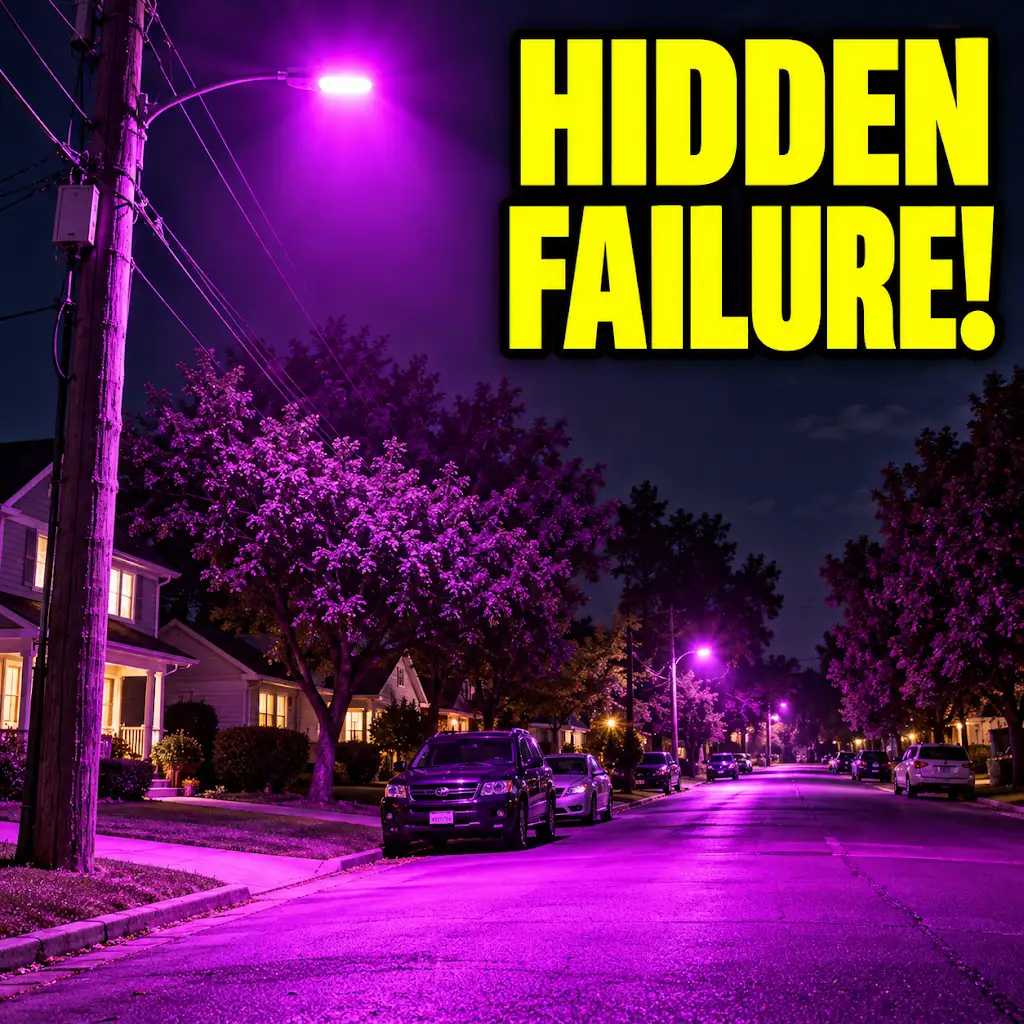
Why The Streetlights Are Turning Purple
FAQs
What are some common materials used in LED streetlights?
Common materials used in LED streetlights include aluminum for the housing, polycarbonate for the lens, and various electronic components such as circuit boards and wiring.
How do material failures in LED streetlights typically manifest?
Material failures in LED streetlights can manifest as discoloration, cracking, warping, or degradation of the housing, lens, or electronic components. These issues can lead to decreased performance or complete failure of the streetlight.
What factors can contribute to material failures in LED streetlights?
Factors that can contribute to material failures in LED streetlights include exposure to extreme temperatures, moisture, UV radiation, physical impact, poor quality materials, and manufacturing defects.
Can material failures in LED streetlights be prevented?
Material failures in LED streetlights can be prevented through regular maintenance, proper installation to protect against environmental factors, using high-quality materials, and ensuring that the streetlights meet industry standards for durability and performance.
How can material failures in LED streetlights impact public safety?
Material failures in LED streetlights can impact public safety by reducing visibility on roads and sidewalks, creating dark spots that can be potential safety hazards, and increasing the risk of accidents or crime due to poorly lit areas. Timely detection and repair of material failures are crucial to maintaining safe lighting conditions in public spaces.