
Understanding the Risks of Defective LED Streetlights
It’s a fair question to ask: what happens when the lights that are supposed to keep our streets safe and visible actually become a safety hazard themselves? Recent reports about manufacturing defects in LED streetlights are definitely something we should pay attention to. These aren’t just minor cosmetic issues; they can lead to significant problems, ranging from reduced illumination and premature failure to more serious concerns like electrical hazards and even fires. This article will break down what these defects are, why they’re happening, and what it all means for public safety and the quality of our urban infrastructure.
Recent concerns have emerged regarding a manufacturing defect in LED streetlights that could potentially compromise their longevity and efficiency. This issue has prompted various municipalities to reassess their lighting infrastructure and consider the implications for public safety and energy consumption. For a deeper understanding of the challenges and advancements in LED technology, you can read more in this related article: Freaky Science.
The Nature of LED Streetlight Defects
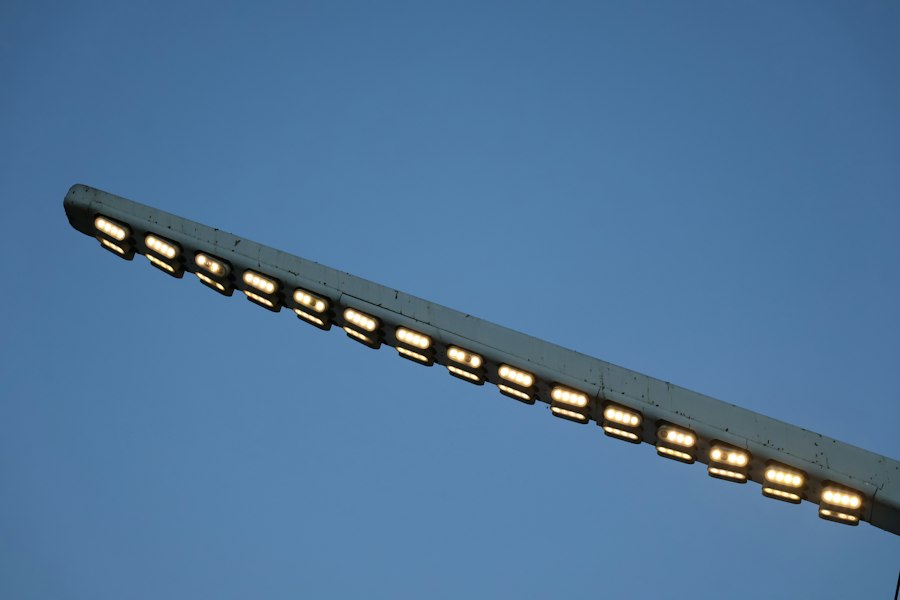
When we talk about manufacturing defects in LED streetlights, it’s not a single, simple problem. It’s a spectrum of issues that can arise during the complex production process. These defects can affect various components of the streetlight, from the LEDs themselves to the drivers, housing, and even the power supply. Understanding these specific flaws is the first step in grasping the potential dangers they pose.
LED Chip Imperfections
The heart of any LED streetlight is the LED chip itself. These tiny semiconductors convert electricity into light. However, during manufacturing, several things can go wrong with these chips.
Inconsistent Lumens and Color Temperature
One common defect is inconsistency in lumen output (brightness) and color temperature (the warmth or coolness of the light). If a batch of chips has lower lumen output than specified, the entire streetlight might not be as bright as it should be, leading to poorly lit areas. Similarly, inconsistent color temperature across multiple LEDs within the same fixture, or even across different fixtures in a streetscape, can create an uneven and unappealing visual environment, impacting visibility and potentially causing eye strain. This isn’t just about aesthetics; adequate and uniform illumination is crucial for traffic safety and pedestrian confidence. Imagine a stretch of road where the light flickers or has dark patches – that’s a direct consequence of such inconsistencies.
Early Lumen Degradation
LEDs are known for their long lifespan, but manufacturing defects can accelerate their decline. Some chips might be prone to “early lumen degradation,” meaning they lose their brightness much faster than expected. This can leave streets dimly lit long before the intended lifespan of the fixture is reached. It’s like buying a lightbulb that promises years of service but fizzles out within months – incredibly frustrating and costly to replace, not to mention the safety implications of reduced lighting.
Thermal Management Issues
Proper thermal management is critical for LED performance and longevity. If the manufacturing process doesn’t ensure good thermal conductivity or if there are imperfections in the chip packaging that trap heat, the LEDs can overheat. This not only reduces their efficiency and brightness but also significantly shortens their lifespan. In severe cases, excessive heat buildup can even damage other components within the fixture.
Driver and Power Supply Failures
The driver is essentially the brain of the LED streetlight, regulating the power flowing to the LEDs. The power supply converts the mains electricity into a form the LEDs can use. Defects in these components can be just as problematic, if not more so, than issues with the LEDs themselves.
Incorrect Current or Voltage Regulation
A defective driver might fail to regulate the current or voltage precisely. If it supplies too much current, the LEDs will overheat and degrade quickly. If it supplies too little, the light will be dimmer than intended. Inaccurate voltage can also lead to flickering or complete failure of the LED array. This kind of inconsistency makes the streetlight unreliable and can create unpredictable lighting conditions, which is a direct safety concern.
Inadequate Surge Protection
Streetlights are exposed to power fluctuations and surges from the grid, as well as lightning strikes. Effective surge protection is built into the driver and power supply. If this protection is flawed due to manufacturing errors, the entire unit can be destroyed by a single surge, leading to sudden darkness and potential electrical hazards. This not only requires costly replacement but leaves an area vulnerable.
Poor Soldering and Connections
The electrical connections within the driver and to the LEDs are often made through soldering. Poor soldering – like cold solder joints or insufficient solder – can create intermittent connections. This can lead to flickering lights, reduced output, or complete failure. In the worst-case scenario, a loose or poorly made connection can create resistance, leading to heat buildup and posing a fire risk. This is a silent but potentially very dangerous defect.
Housing and Enclosure Problems
The physical housing of an LED streetlight is designed to protect the delicate electronics from the elements. Defects here can compromise the entire fixture.
Water Ingress and Corrosion
Many defects relate to the sealing of the housing. If gaskets are improperly fitted, or if the enclosure itself has manufacturing flaws like cracks or poor welds, water can get inside. Once moisture enters, it can cause corrosion of electrical components, leading to short circuits, premature failure, and even electrical arcing, which is a fire hazard. This is a particularly insidious problem because it might not be immediately apparent until significant damage has occurred.
Thermal Dissipation Issues
While LEDs are more efficient than older lighting technologies, they still generate heat. The housing is designed to act as a heatsink, dissipating this heat to prevent overheating. If the design or manufacturing of the housing leads to poor thermal contact with the LED module or heatsink, heat will build up within the fixture, shortening the lifespan of the LEDs and drivers. This can manifest as a subtle, creeping degradation rather than an immediate failure.
Material Defects
The materials used for the housing – often aluminum alloys – can also have manufacturing defects. Porosity in castings or impurities in the metal can compromise the structural integrity or the heat dissipation capabilities of the housing, leading to premature wear and tear, or reduced performance.
Causes Behind Manufacturing Defects
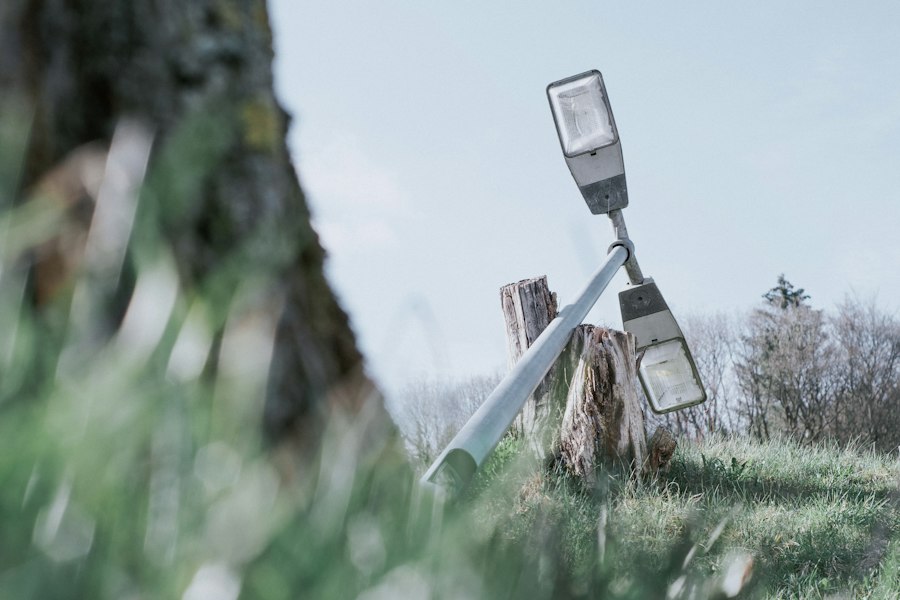
Understanding why these defects occur is crucial for preventing them in the future. It often boils down to a combination of factors within the manufacturing ecosystem, from the initial design to the final assembly and quality control.
Supply Chain Vulnerabilities
Modern electronics, including LED streetlights, rely on complex global supply chains. This means components can come from many different suppliers, each with their own manufacturing processes and quality standards.
Substandard Component Sourcing
Manufacturers might be tempted to source cheaper components from less reputable suppliers to reduce costs. These components may not meet the required specifications for performance, durability, or safety. If a supplier’s quality control slips, or if they use inferior raw materials, it can introduce defects that are difficult to detect until much later in the process or even after installation. This is a significant pressure point where quality can be compromised.
Lack of Traceability
In a sprawling supply chain, it can be difficult to track the origin of every single component. If a problem is identified, pinpointing which supplier or batch of components is responsible can be a lengthy and complex investigation. This lack of complete traceability hinders the ability to quickly identify and rectify systemic issues.
Production Process Flaws
Even with good components, flaws in the assembly and manufacturing process itself can introduce defects.
Inadequate Quality Control Procedures
A robust quality control (QC) system is essential at multiple stages of production. This includes checks on incoming materials, in-process inspections during assembly, and final product testing. If QC procedures are insufficient, poorly implemented, or simply bypassed due to time or cost pressures, defective units can slip through the net. This is often where issues like poor soldering, incorrect component placement, or inadequate sealing go unnoticed.
Automation Errors and Human Error
While automation can improve consistency, it’s not infallible. Errors in programming automated machinery, or malfunctions in the equipment itself, can lead to assembly errors. Similarly, human error during manual assembly steps, such as improper handling of sensitive components or incorrect torque settings, can also introduce defects. The key is to have checks and balances to catch these errors.
Environmental Control Issues
Some manufacturing processes require specific environmental conditions, such as clean rooms to prevent dust contamination, or controlled humidity levels. If these environmental controls are not maintained, it can lead to contamination of components, especially sensitive LED chips, or can affect the performance of materials during assembly, leading to weaknesses that manifest later.
Design and Engineering Oversight
Sometimes, the problem isn’t with the execution of the manufacturing but with the original design itself.
Poorly Understood Thermal Loads
If the original product design doesn’t adequately account for the thermal loads generated by the LEDs and drivers under various operating conditions, the fixture might be inherently prone to overheating, regardless of manufacturing quality. This is a design flaw that manufacturing can’t fix; it can only exacerbate it.
Inadequate Stress Testing
Even if a design seems sound on paper, it needs rigorous stress testing to identify potential weak points. If the design team hasn’t subjected the product to sufficient long-term testing under realistic environmental conditions (extreme heat, cold, humidity, vibration), design flaws that lead to premature failure might not be uncovered until the product is in the field.
Specification Ambiguities
If the specifications for components or assembly processes are unclear or ambiguous, it can lead to misinterpretations by engineers, production staff, or suppliers. This can result in components being used that aren’t quite right, or assembly steps being performed in a way that compromises quality.
Safety and Quality Implications
The ramifications of these defects extend far beyond mere inconvenience. They directly impact public safety, the long-term cost-effectiveness of infrastructure, and the trust we place in our technology.
Impact on Public Safety
The primary role of streetlights is to provide visibility and safety. Defects that compromise this function can have serious consequences.
Reduced Visibility and Increased Accident Risk
Streetlights that are too dim, flicker erratically, or have dark spots create hazardous conditions, especially for drivers, cyclists, and pedestrians. Reduced visibility increases the risk of traffic accidents, falls, and even criminal activity. If a streetlight fails to illuminate a particular area of a road or sidewalk adequately, it can lead to drivers misjudging distances or failing to see obstacles or people.
Electrical Hazards and Fire Risk
Defects that lead to electrical shorts, arcing, or overheating are not just about the light failing; they are a direct fire hazard. A faulty streetlight could potentially ignite nearby flammable materials or even cause a larger structure fire. The risk of electrical shock also increases if enclosures are compromised or wiring is exposed due to manufacturing flaws. This is a critical safety concern that requires immediate attention.
False Sense of Security
When a streetlight appears to be working, people assume the area is safe and well-lit. A defective unit that provides inconsistent or insufficient light can create a false sense of security, leading people to take risks they wouldn’t otherwise. This is particularly concerning in areas where lighting is a key deterrent to crime.
Economic and Infrastructure Concerns
Beyond immediate safety, manufacturing defects have significant long-term economic impacts.
Increased Maintenance and Replacement Costs
Defective streetlights will fail prematurely, leading to frequent replacements and costly repairs. This diverts funds that could be used for upgrades or other essential infrastructure projects. The cost of repeated call-outs for troubleshooting and repair, plus the expense of replacement units, can quickly escalate.
Reduced Lifespan and Return on Investment
LEDs are promoted for their longevity and energy efficiency, offering a good return on investment over time. If manufacturing defects cause them to fail much sooner than their expected lifespan, that return on investment is diminished or eliminated. This can make municipalities hesitant to adopt new technologies in the future if past experiences have been negative due to quality issues.
Diminished Public Trust
When public infrastructure, like streetlights, fails due to poor quality, it erodes public trust in the governing bodies responsible for their maintenance and in the technology itself. This can lead to public outcry and a perception that public funds are being mismanaged or wasted.
Recent concerns have emerged regarding a manufacturing defect in LED streetlights that could potentially compromise their longevity and performance. This issue has prompted various municipalities to reassess their lighting solutions to ensure safety and efficiency. For a deeper understanding of the implications of these defects, you can read more in this insightful article on the topic. It highlights the challenges faced by cities and the steps being taken to address these manufacturing flaws. If you’re interested in exploring this further, check out the article here.
Identifying and Mitigating Defective Streetlights
| Defect Type | Description | Frequency (%) | Impact on Performance | Common Causes | Detection Method |
|---|---|---|---|---|---|
| LED Chip Failure | Individual LED chips fail to light up | 15 | Reduced brightness and uneven lighting | Poor quality chips, overheating | Visual inspection, electrical testing |
| Driver Circuit Malfunction | Failure in the LED driver circuit | 20 | Complete light outage or flickering | Component defects, soldering issues | Functional testing, thermal imaging |
| Lens Discoloration | Yellowing or clouding of the lens cover | 10 | Reduced light transmission | UV exposure, material degradation | Visual inspection |
| Heat Sink Inefficiency | Poor heat dissipation causing overheating | 12 | Shortened LED lifespan | Improper design, manufacturing defects | Thermal testing |
| Water Ingress | Moisture entering the fixture | 8 | Corrosion, electrical shorts | Seal failure, poor assembly | Pressure testing, visual inspection |
| PCB Trace Damage | Broken or damaged circuit board traces | 5 | Intermittent or no light output | Handling errors, manufacturing defects | Electrical continuity testing |
| Incorrect Wiring | Wiring errors during assembly | 7 | Non-functional or unsafe operation | Human error | Electrical testing, inspection |
Recognizing that defects exist is one thing; understanding how to identify them and what steps can be taken to prevent or address them is the practical part. This involves diligent oversight from procurement to ongoing monitoring.
Rigorous Procurement and Testing Protocols
The process of acquiring streetlights needs to be robust to weed out potential issues before they even reach the street.
Strict Specification Development
When procuring new streetlights, it’s crucial to develop detailed and unambiguous specifications. These should cover not only performance metrics like lumen output and color temperature but also requirements for component quality, material specifications, thermal management, ingress protection ratings (IP ratings), and certifications from recognized bodies. Vague or insufficient specifications leave too much room for interpretation and potential corner-cutting.
Third-Party Testing and Certification
Insisting on independent, third-party testing and certification for LED streetlight models can provide an objective assessment of their quality and reliability. This can involve testing samples from production runs to verify that they meet the specified standards for performance, durability, and safety. Manufacturers should be able to provide certifications for key components as well.
Pilot Programs and Field Trials
Before committing to large-scale deployments, municipalities can conduct pilot programs or field trials of new streetlight models. This allows for real-world testing under local environmental conditions and usage patterns. Monitoring these pilot units over a period can reveal early signs of defects or performance degradation that might not be apparent in a laboratory setting.
Ongoing Monitoring and Feedback Loops
Once streetlights are installed, the process of ensuring quality shouldn’t stop. Continuous observation and a system for reporting issues are vital.
Regular Visual Inspections
Scheduled visual inspections of installed streetlights can help identify obvious problems like flickering, reduced brightness, discoloration, or physical damage to the fixture. While not a substitute for technical testing, these regular checks can be an early warning system.
Data Analysis from Smart City Systems
Many modern streetlights are part of “smart city” networks, equipped with sensors and communication capabilities. Analyzing data from these systems can reveal patterns of underperformance, premature failures, or operational anomalies across a batch of lights. This data can be invaluable for identifying systemic defects.
Establishing Clear Reporting Channels
Creating accessible and responsive channels for the public and maintenance crews to report streetlight issues is crucial. This feedback loop ensures that problems are identified and addressed promptly, preventing minor issues from escalating into major safety hazards. A system that tracks reported issues and their resolution is essential.
Manufacturer Accountability and Warranty Enforcement
Holding manufacturers accountable for the quality of their products is a key aspect of ensuring long-term reliability.
Robust Warranty Clauses
Procurement contracts should include strong warranty clauses that cover defects in materials and workmanship for a significant period. These clauses should clearly define the manufacturer’s responsibility for repair or replacement of defective units at no additional cost to the municipality.
Performance Guarantees
Beyond a standard warranty, performance guarantees can be included, ensuring that the lights maintain a certain level of output and efficiency over their intended lifespan. Failure to meet these guarantees should have financial penalties for the manufacturer.
Supplier Audits and Due Diligence
Municipalities and their procurement agencies should conduct due diligence on potential streetlight suppliers. This can involve reviewing their manufacturing facilities, quality control processes, and track record for product reliability. Regular audits of manufacturing sites, especially for large contracts, can help ensure ongoing compliance with quality standards.
The Path Forward: Ensuring Quality LED Streetlights
The conversation around defective LED streetlights isn’t about discouraging the adoption of this beneficial technology. It’s about being smart and informed consumers and stewards of public infrastructure. By understanding the potential pitfalls and implementing rigorous processes, we can ensure that the streetlights illuminating our communities are safe, reliable, and deliver on their promise.
Investing in Quality Over Cost
It’s tempting to always opt for the cheapest option when purchasing infrastructure, but this often leads to higher costs down the line. Investing in higher-quality LED streetlights from reputable manufacturers, even if the upfront cost is slightly higher, can lead to significant savings in maintenance, energy consumption, and replacement over the lifespan of the fixtures. The true cost of a streetlight includes its longevity and reliability.
Fostering Collaboration and Knowledge Sharing
Open communication and sharing of best practices among municipalities, manufacturers, and testing bodies are essential. When issues arise, discussing them openly and collectively seeking solutions can lead to improvements in design, manufacturing, and procurement processes across the industry. This collaborative approach helps to raise the bar for quality for everyone.
Embracing Innovation with Caution
The pace of technological advancement in LED lighting is rapid, with new features and efficiencies constantly emerging. While embracing innovation is important, it must be tempered with a commitment to rigorous testing and quality assurance. New technologies should be thoroughly vetted to ensure they don’t introduce new vulnerabilities or compromises in safety and reliability.
Continuous Improvement in Standards and Regulations
Industry standards and regulatory frameworks need to evolve alongside technological advancements. Regularly reviewing and updating these standards to reflect the latest understanding of LED technology, potential failure modes, and best practices in manufacturing and testing is crucial. This ensures that the benchmarks for quality remain relevant and effective. By focusing on these practical steps, we can build confidence in the longevity and safety of our LED streetlight infrastructure, ensuring our streets are well-lit and secure for years to come.
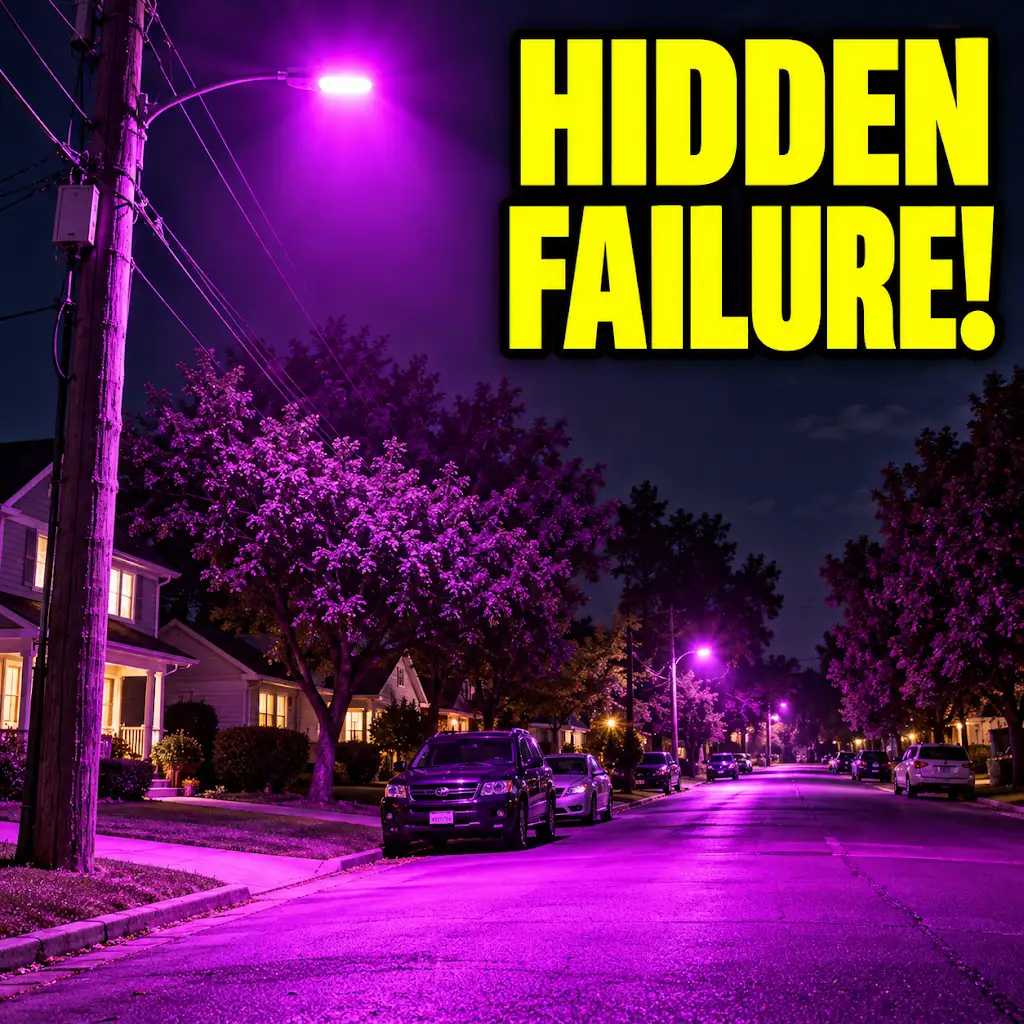
Why The Streetlights Are Turning Purple
FAQs
What are common manufacturing defects found in LED streetlights?
Common manufacturing defects found in LED streetlights include poor soldering, faulty drivers, water ingress, and inadequate heat dissipation.
How can poor soldering affect the performance of LED streetlights?
Poor soldering can lead to loose connections, which can cause flickering lights, intermittent operation, or complete failure of the LED streetlight.
What role does the driver play in the functionality of an LED streetlight?
The driver regulates the power supply to the LED chips, and a faulty driver can result in inconsistent brightness, flickering, or premature failure of the streetlight.
How does water ingress impact the lifespan of LED streetlights?
Water ingress can cause corrosion, short circuits, and damage to electronic components, leading to reduced lifespan and performance issues in LED streetlights.
Why is proper heat dissipation crucial for LED streetlights?
Proper heat dissipation is essential to prevent overheating of the LED components, which can degrade their performance, reduce lifespan, and potentially cause safety hazards.