So, you’ve noticed some streetlights turning a bit… purple? That’s a pretty common question, and the short answer is: that purple hue is a sign that the LED streetlight is on its way out. It doesn’t mean the sky is falling or that aliens are messing with the bulbs, but it does point to a specific component starting to fail. Let’s break down why this happens and what it really means for those lights.
The Science Behind the Purple Glow
Ever wonder why some older LED streetlights develop a distinct purplish tint instead of just going completely dark? It’s all down to the way these lights are designed and how their components age. Think of an LED like a tiny, sophisticated light-producing machine. When it starts to falter, it doesn’t always quit gracefully.
How LEDs Create Light
LEDs, or Light Emitting Diodes, work by passing an electric current through a semiconductor material. This material then emits light. The color of the light produced depends on the type of semiconductor material used. For white light, which is what most streetlights use, manufacturers typically combine a blue LED with a yellow phosphor coating. The blue light from the LED interacts with the phosphor, and this combination is perceived by our eyes as white light. It’s a clever bit of engineering, much like mixing colors to get a specific shade.
The Role of Phosphors in White Light LEDs
The phosphor coating is crucial for producing that familiar bright white light. It absorbs some of the blue light emitted by the LED chip and re-emits it at longer wavelengths, primarily in the yellow and green spectrum. When these emitted colors (blue, yellow, green, etc.) mix in the right proportions, we see white. The precise formulation of the phosphor determines the exact “color temperature” of the white light – whether it’s a warmer, more yellowish white, or a cooler, bluer white.
When the Phosphor Coating Degrades
The purple hue is a direct consequence of the phosphor coating breaking down over time. This degradation isn’t a sudden event; it’s a gradual process driven by factors like heat and prolonged exposure to the light emitted by the LED itself. As the phosphor degrades, it becomes less efficient at converting the blue light into yellow and green.
The Blue Light Dominates
When the yellow and green emitting properties of the phosphor diminish, the blue light component starts to become more prominent. If enough of the yellow phosphor is lost, the light output will shift towards the blue end of the spectrum. What we perceive as “purple” is essentially an excess of blue light combined with whatever residual yellow or green is still being produced by the failing phosphor. It’s like a dial that’s been turned too far towards blue.
LED streetlights have gained popularity due to their energy efficiency and longevity, but a recent article highlights the intriguing phenomenon of purple light emitted by certain LED streetlights and its potential impact on both human health and wildlife. For more insights into this topic, you can read the related article here: Freaky Science. This article delves into the lifespan of LED streetlights and discusses the implications of their color spectrum on urban environments.
Understanding LED Lifespan and Failure Modes
Talking about LED lifespan isn’t just about how many hours they can theoretically run. It’s also about how they actually fail, and that’s where the purple light comes in. Unlike old incandescent bulbs that just burn out with a pop, LEDs can fade, flicker, and, yes, turn purple.
Lumen Depreciation: The Gradual Fade
One of the primary ways LEDs “age” is through lumen depreciation. This simply means that over time, the light output of the LED gradually decreases. It’s not a sudden failure, but a slow dimming. Manufacturers usually specify an “L70” rating, which indicates the point at which the LED’s light output has dropped to 70% of its initial brightness. For streetlights, this depreciation can mean they become less effective at illuminating areas, potentially creating safety concerns.
The Purple Light as a Precursor to Failure
The purple hue is often an early indicator that lumen depreciation is occurring at an accelerated rate, specifically due to phosphor degradation. While the LED chip itself might still be functioning, its ability to produce a balanced white light is compromised. This means that even if the light is still on, its effectiveness is significantly reduced. The purple color is essentially a visual alarm bell.
Different Failure Mechanisms for Different Components
It’s important to remember that an LED streetlight is more than just the LED chip and phosphor. It also includes a driver (which regulates the power) and the housing/optics. Failures can occur in any of these components. A driver failure might result in flickering or the light going out entirely. However, the purple light is almost exclusively linked to the LED package itself and the breakdown of its phosphors.
Why It’s Not Always a “Burnout”
Unlike a filament in an old bulb that literally vaporizes, LEDs don’t typically “burn out” in the same dramatic fashion. Instead, they degrade. The purple light signifies a specific type of degradation – a chemical or physical change in the phosphor material. This means the light isn’t necessarily “dead,” but it’s certainly not performing as it should.
Factors Influencing Purple Hue Development
So, if it’s about phosphor breakdown, what makes some streetlights turn purple faster than others? A few environmental and design factors play a significant role in how quickly those phosphors start to lose their yellowing magic.
Heat: The Silent Killer of Phosphors
Heat is the biggest enemy of LED components, including the phosphor. The constant operation of an LED generates heat, and this heat can accelerate the degradation of the phosphor coating. Streetlights are often enclosed in fixtures to protect them from the elements, but this can also trap heat. In warmer climates or in fixtures with poor ventilation, the internal temperatures can rise significantly, speeding up the aging process.
Environmental Exposure: Rain, Dust, and More
While the purple hue is primarily an internal issue with the LED package, the external environment can indirectly contribute. Persistent exposure to moisture, dust, and pollutants can lead to dirt and grime accumulating on the inside of the fixture’s lens. This accumulation can reduce light output (leading to a dimmer light) and also trap more heat, further stressing the LED components.
Quality of Manufacturing and Materials
Not all LEDs are created equal. The quality of the semiconductor material, the purity of the phosphor, and the precision of the manufacturing process all impact lifespan. Cheaper LEDs might use less robust phosphors or have less effective thermal management within the LED package itself, making them more prone to degradation and the development of a purple hue. When manufacturers cut corners on materials, it often shows up in premature failure modes like this.
Operating Conditions and Duty Cycle
How a streetlight is operated also matters. Streetlights are designed to be on for many hours a day, every day. This continuous operation, coupled with the heat generated, means they are constantly being subjected to the conditions that can lead to phosphor breakdown. A light that’s only turned on intermittently would likely last much longer. The constant “on” cycle is part of the challenge.
What the Purple Hue Means for Streetlight Performance
Seeing that purple light isn’t just an aesthetic oddity. It has practical implications for how well a street is illuminated and the overall effectiveness of the lighting system. It’s a signal that the light is no longer performing its intended job optimally.
Reduced Illumination Levels
As mentioned, the purple hue indicates that the phosphor is degrading, meaning less yellow and green light is being produced. This results in a lower overall light output. Even if the light is still technically “on,” it’s significantly dimmer than it should be. This can lead to darker patches on roads and sidewalks, creating potential safety hazards for pedestrians and drivers.
Color Rendering Issues
White light isn’t just about brightness; it’s also about how accurately it renders colors. The balanced mix of wavelengths in proper white light allows us to distinguish between different colors. When an LED turns purple, the color rendering becomes distorted. Reds might look duller, blues might be overemphasized, and distinguishing between similar colors can become difficult. This can impact everything from identifying road signs to recognizing objects in dimly lit areas.
Energy Inefficiency
While LEDs are generally very energy-efficient, a degraded LED is less efficient. As the phosphor breaks down, more of the energy supplied to the LED is converted into heat rather than useful light. This means the light is consuming electricity but not delivering the expected illumination. It’s essentially a waste of energy, and for a city with thousands of streetlights, this inefficiency can add up.
A Signal for Maintenance
The purple hue is a clear visual indicator that a streetlight needs attention. It signals that the light is approaching the end of its useful life and will likely fail completely in the near future. This allows maintenance crews to proactively schedule replacements, preventing unexpected blackouts and ensuring consistent illumination levels throughout the city. It’s a heads-up for the maintenance teams.
The lifespan of LED streetlights has become a significant topic of discussion, especially with the introduction of various color temperatures, including purple hues that can enhance visibility and aesthetics. A related article that delves deeper into the benefits and longevity of these innovative lighting solutions can be found at Freaky Science. This resource provides valuable insights into how advancements in LED technology are not only improving energy efficiency but also extending the operational life of streetlights, making them a sustainable choice for urban environments.
Addressing the Purple Light Problem
| Metric | Value | Unit | Notes |
|---|---|---|---|
| Average Lifespan | 50,000 | Hours | Typical for LED streetlights including purple spectrum variants |
| Color Wavelength | 400-450 | nm | Range for purple LED light emission |
| Lumen Maintenance (L70) | 70% | % | Time until light output drops to 70% of initial brightness |
| Operating Temperature Range | -40 to 50 | °C | Typical environmental operating conditions |
| Power Consumption | 30-100 | Watts | Varies by model and brightness level |
| Maintenance Interval | 5-10 | Years | Recommended period before inspection or replacement |
When you start seeing those purple streetlights, it’s time to do something about it. Ignoring the problem can lead to less effective lighting and potential safety issues. Fortunately, there are practical steps that can be taken.
Proactive Replacement Programs
The most effective way to deal with the purple light problem is to have a proactive maintenance schedule. Municipalities and utility companies can use visual inspections or even data from smart lighting systems to identify and replace failing LEDs before they become a significant issue. Replacing them with newer, more robust LED technology can prevent the problem from recurring as quickly.
Understanding Replacement Costs and ROI
While replacing streetlights might seem like a significant upfront cost, it’s important to consider the return on investment. Newer LED technologies are not only more reliable but also more energy-efficient. This leads to lower electricity bills and reduced maintenance costs over time. The initial investment in quality lighting pays dividends in the long run.
Choosing Higher Quality LEDs for Replacements
When replacing a streetlight, it’s crucial to select high-quality LED products. Look for manufacturers with a proven track record, clear warranty information, and good specifications regarding lumen maintenance and operational lifespan. Investing in premium LEDs, even if slightly more expensive upfront, will likely result in fewer failures and a longer service life, ultimately saving money and hassle.
Smart Lighting Systems and Monitoring
Modern smart lighting systems can offer a more sophisticated approach. These systems can monitor the performance of individual streetlights, track lumen depreciation, and even predict when a light is likely to fail. This data allows for highly targeted maintenance, ensuring that resources are deployed where they are most needed and that potential issues are addressed before they impact public safety. It’s about using technology to be smarter with maintenance.
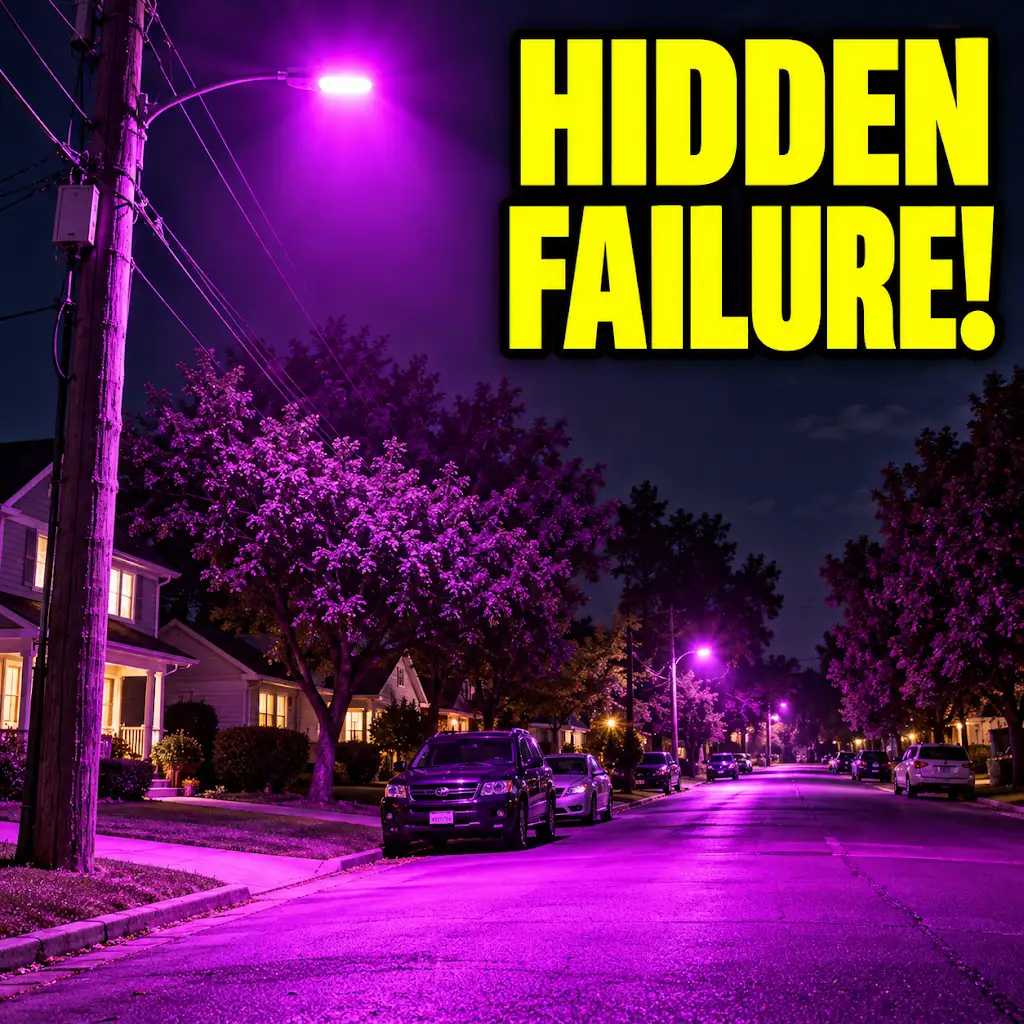
Why The Streetlights Are Turning Purple
FAQs
1. What is the average lifespan of LED streetlights?
LED streetlights typically have an average lifespan of 50,000 to 100,000 hours, which is significantly longer than traditional streetlights.
2. Do LED streetlights with a purple hue have a shorter lifespan?
No, the purple hue of LED streetlights does not affect their lifespan. The color of the light is determined by the specific LED technology used and does not impact the overall longevity of the streetlight.
3. Can the lifespan of LED streetlights be extended through maintenance?
Yes, regular maintenance such as cleaning the fixtures and ensuring proper ventilation can help extend the lifespan of LED streetlights. Timely repairs and replacements of any faulty components can also contribute to a longer lifespan.
4. How does the lifespan of LED streetlights compare to traditional streetlights?
LED streetlights have a much longer lifespan compared to traditional streetlights. While traditional streetlights may last around 5,000 to 15,000 hours, LED streetlights can last 3 to 20 times longer, making them a more cost-effective and sustainable lighting option.
5. Are there factors that can affect the lifespan of LED streetlights?
Yes, factors such as operating temperature, voltage fluctuations, and poor quality components can affect the lifespan of LED streetlights. It is important to install LED streetlights properly and provide adequate maintenance to ensure optimal performance and longevity.