Why Do LED Streetlights Go Out? Understanding the Problems and How to Fix Them
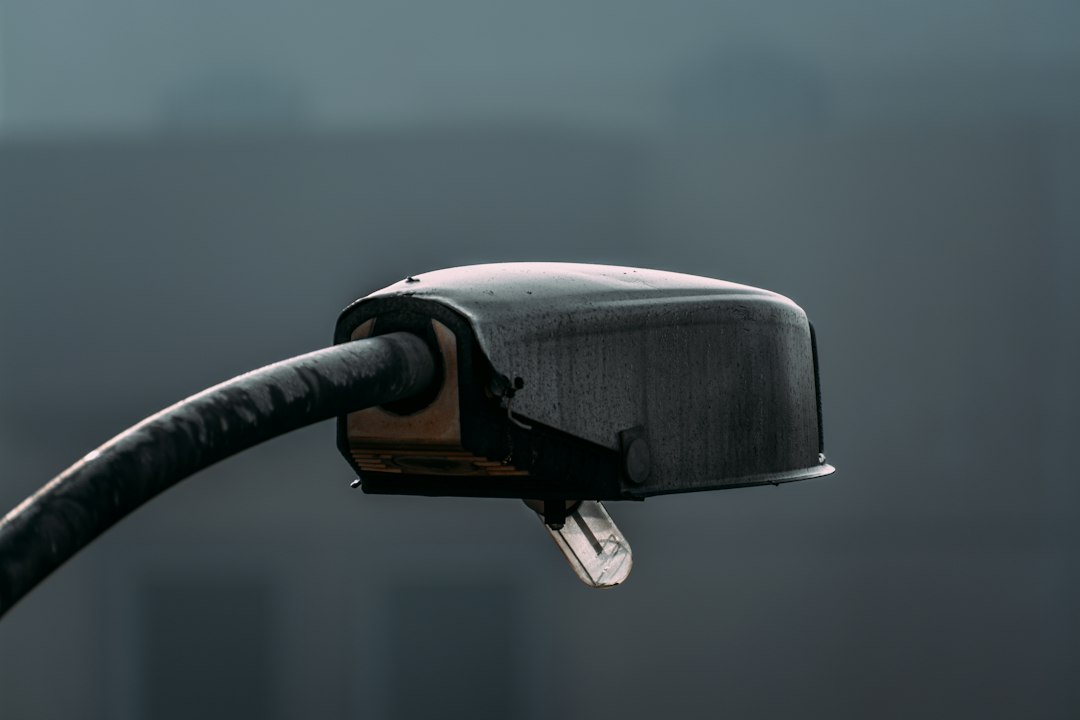
LED streetlights are supposed to be these long-lasting, super-efficient marvels, right? And mostly, they are. But sometimes, they do flicker out, or just plain stop working. It’s frustrating when a whole stretch of road goes dark. So, what’s really going on when an LED streetlight fails? It boils down to a few key areas: how the light is built, how it’s installed, and what happens to it over time, both electrically and physically. Let’s break down the common culprits and what we can do about them.
In exploring the intricacies of LED streetlight failure mechanisms, one can gain further insights by reading a related article that delves into the broader implications of lighting technology on urban infrastructure. This article discusses various factors that contribute to the longevity and reliability of LED systems, providing a comprehensive overview of maintenance strategies and technological advancements. For more information, you can visit the article at Freaky Science.
## The Electronics Behind the Light: Power Supply and Driver Issues
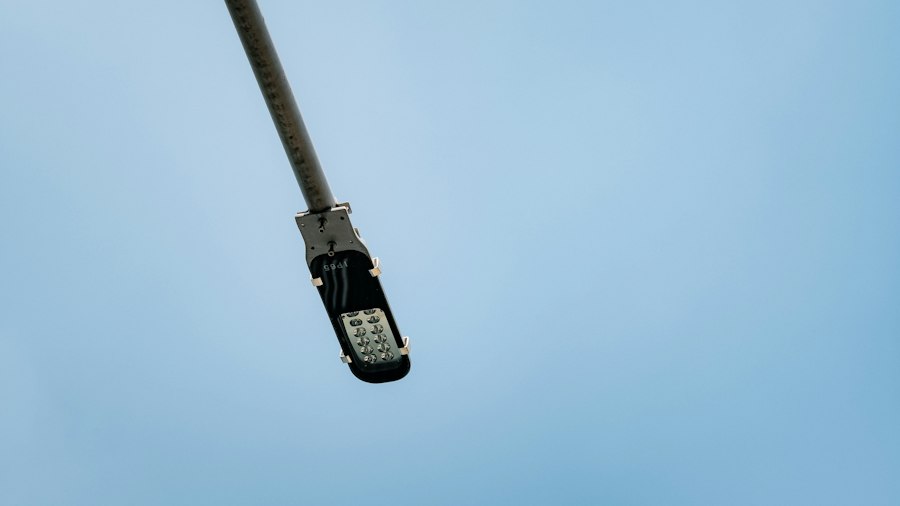
The “brain” of an LED streetlight is its driver. This little box is crucial for converting the incoming AC power from the grid into the specific DC power the LEDs need to light up. When the driver malfunctions, the whole light system goes kaput. It’s a common point of failure, and understanding why it happens can save a lot of headaches.
### Overvoltage and Electrical Surges
One of the biggest enemies of electronic components, including LED drivers, is a sudden spike in voltage. This can happen during thunderstorms when lightning strikes nearby, or even from less dramatic grid fluctuations. These surges can overwhelm the delicate circuitry inside the driver, causing components to fry. Think of it like a sudden, massive rush of water through a small pipe – something is bound to burst.
Practical Solutions:
- Surge Protection: This is the most straightforward defense. Good quality LED streetlight designs incorporate surge protection devices (SPDs) that act like a pressure relief valve for electricity. They divert excess voltage away from the driver before it can cause damage. Ensuring these SPDs are properly rated and maintained is key.
- Voltage Regulation: Some drivers have built-in voltage regulation, but external regulators or a more robust power grid can also help minimize fluctuations.
### Overheating and Thermal Management
LEDs themselves generate heat. While they’re much more efficient than old incandescent bulbs, they still produce warmth. If this heat isn’t properly dissipated, it builds up within the fixture. The driver, often located in a sealed compartment with the LEDs, also gets hotter. Excessive heat is a major killer of electronic components; it accelerates degradation and can lead to outright failure.
Practical Solutions:
- Heat Sinks and Ventilation: The physical design of the streetlight fixture is critical. Effective heat sinks draw heat away from the LEDs and the driver, and good ventilation allows that heat to escape into the air. Look for fixtures with well-designed, often finned, heat sinks and strategic openings that allow airflow without letting in too much water or debris.
- Driver Selection: Choosing drivers specifically designed to operate at lower temperatures or with better thermal protection can significantly improve lifespan.
### Poor Quality Components and Manufacturing Defects
Not all drivers are created equal. Cheaper drivers might use lower-grade components that aren’t as robust or have a shorter lifespan. Even with good components, poor manufacturing practices, like inadequate soldering or loose connections, can create weak points that fail prematurely.
Practical Solutions:
- Specify Quality: When procuring new streetlights, it’s essential to specify reputable brands and demand high-quality driver components. Look for certifications and warranties that indicate a commitment to quality.
- Regular Inspections: Even with good quality, periodic inspections can catch early signs of trouble before a complete failure occurs.
### Water Ingress and Corrosion
Despite being installed outdoors, the electronic components need protection from the elements. If the seals on the streetlight fixture aren’t perfect, water can seep in. This is especially problematic in areas with high humidity or frequent rain. Once water gets inside, it can cause short circuits, and over time, lead to corrosion of electrical contacts and components, leading to gradual failure or sudden breakdowns.
Practical Solutions:
- IP Ratings: Look for fixtures with a high Ingress Protection (IP) rating, typically IP65 or higher, which signifies excellent protection against dust and water jets.
- Sealant and Gaskets: Ensure all seals and gaskets are in good condition during installation and maintenance. Replacing damaged ones is a simple but effective preventative measure.
## The Physical Toll: Environmental Factors and Wear-and-Tear
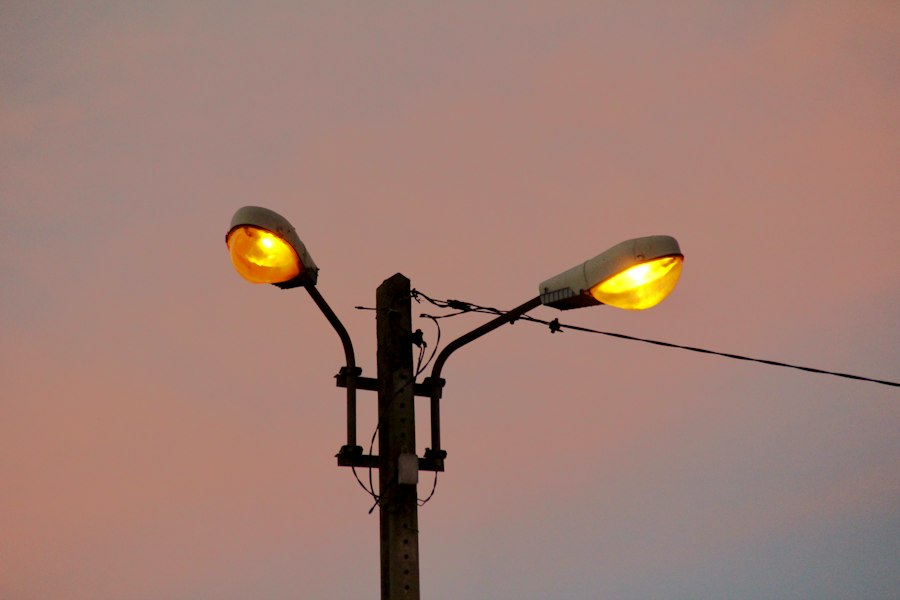
Streetlights are out in the elements 24/7, facing everything from harsh sun to biting winds, not to mention accidental impacts. These physical stresses can take a surprising toll on the entire fixture, leading to failures that aren’t strictly electrical.
### Extreme Temperatures
While we’ve touched on heat affecting electronics, it’s worth noting that extreme cold can also cause problems. Brittle materials can crack, and condensation can form inside fixtures during rapid temperature shifts, leading to moisture issues. Very high temperatures, especially prolonged ones, can accelerate the degradation of all materials within the fixture, from the housing to the internal components.
Practical Solutions:
- Material Selection: Choosing materials specifically rated for the expected temperature range in a given climate is important. Some plastics can become brittle in the cold, while others can warp or degrade in intense heat.
- Fixture Design: Fixtures designed with thermal expansion in mind can prevent stress on joints and seals.
### Vibrations and Mechanical Stress
Streetlights are often mounted on poles alongside roads where traffic causes vibrations. Constant shaking, especially over years, can loosen electrical connections, fatigue metal components, and even stress the solder joints within the LED modules or driver. This cumulative mechanical stress can lead to intermittent failures or complete breakdowns.
Practical Solutions:
- Robust Mounting: Ensuring the streetlight is securely mounted to its pole with vibration-dampening hardware can make a big difference.
- Internal Securing: Manufacturers should ensure internal components are well-secured and not left to rattle around.
### Impact Damage
Accidents happen. Vehicles might hit poles, falling branches can strike fixtures, or even vandalism can lead to physical damage. A cracked lens, a bent housing, or a dislodged internal component from an impact can immediately render the light inoperable or compromise its ability to protect the internal electronics from further environmental damage.
Practical Solutions:
- Protective Cages/Guards: In high-risk areas, additional protective cages can be installed around the streetlight fixture.
- Pole Placement: Where possible, consider pole placement to minimize the risk of vehicle impact.
### Wind and Weather Extremes
High winds can stress the entire fixture, particularly if it has a large surface area. Persistent exposure to salt spray in coastal areas, or de-icing salts in colder climates, can cause corrosion on external metal parts and potentially work its way into electrical connections over time. Hailstorms can also cause significant physical damage.
Practical Solutions:
- Aerodynamic Design: Fixtures with more streamlined shapes can reduce wind resistance.
- Corrosion-Resistant Materials: Using materials like stainless steel or aluminum alloys treated for corrosion resistance is vital in challenging environments.
## The Light Source Itself: LED Module and Optics Failures
The LEDs are the heart of the streetlight, and while they’re known for their longevity, they aren’t immune to failure, especially if they’re not treated well or are of poor quality. The optical components that direct the light are also susceptible to wear and tear.
### LED Chip Degradation
Even with good thermal management, LEDs have a finite lifespan. Over time, the materials within the LED chip can degrade, leading to a gradual decrease in light output (lumen depreciation) or changes in color. In more severe cases, individual LED chips can fail completely, creating dark spots or causing the entire module to go out. This degradation is accelerated by heat and electrical stress.
Practical Solutions:
- Quality LED Chips: Opt for reputable LED manufacturers known for their high-quality, long-lasting chips. Look for specifications on lumen depreciation over time (e.g., L70 rating, which indicates the point at which light output drops to 70% of its initial value).
- Proper Heat Dissipation: As mentioned before, this is paramount for extending LED life.
### Phosphor Degradation
LEDs produce light in a blue or UV spectrum, and then a phosphor coating inside the LED package converts this into white light. Over time, this phosphor coating can degrade, especially when exposed to heat and UV radiation. This degradation can cause the light to appear dimmer, change color (often to a yellow or greenish hue), or eventually fail to produce light.
Practical Solutions:
- Phosphor Quality and Encapsulation: High-quality phosphors and robust encapsulation methods can protect them from degradation.
- Thermal Management: Reducing the operating temperature of the LEDs helps slow down phosphor breakdown.
### Optics and Lens Yellowing or Cracking
The lenses and other optical components in a streetlight are designed to focus and distribute the light efficiently. These can be made of various plastics or glass. Over time, plastic lenses can yellow from UV exposure and heat, reducing light output and changing the beam pattern. They can also become brittle and crack from thermal cycling or impact.
Practical Solutions:
- UV-Resistant Materials: Use lenses made from UV-resistant polycarbonate or specialized glass.
- Regular Cleaning: Keeping lenses clean can improve light output, but it’s the material degradation that leads to more permanent issues.
- Replacement: If lenses yellow or crack significantly, they need to be replaced to restore full performance and light distribution.
In exploring the intricacies of LED streetlight failure mechanisms, it is interesting to note how environmental factors can significantly impact their longevity and performance. For a deeper understanding of this topic, you can refer to a related article that delves into the various causes of LED streetlight failures and offers insights on how to mitigate these issues. This comprehensive piece can be found at Freaky Science, where you will discover valuable information that complements the discussion on LED technology and its challenges.
## Installation and Maintenance: The Human Factor
| Failure Mechanism | Description | Common Causes | Impact on LED Streetlight | Mitigation Strategies |
|---|---|---|---|---|
| Thermal Degradation | Excessive heat causes deterioration of LED components and materials. | Poor heat sinking, high ambient temperature, inadequate ventilation. | Reduced light output, color shift, shortened lifespan. | Improved heat sinks, thermal interface materials, proper fixture design. |
| Electrical Overstress (EOS) | Damage due to voltage or current exceeding device ratings. | Power surges, lightning strikes, faulty drivers. | Immediate failure or gradual degradation of LEDs and drivers. | Surge protection devices, robust driver design, proper grounding. |
| Driver Failure | Malfunction of the LED driver circuit controlling power supply. | Component aging, overheating, poor quality components. | Flickering, dimming, or complete light failure. | Use of high-quality drivers, thermal management, regular maintenance. |
| Moisture Ingress | Water or humidity penetration causing corrosion and short circuits. | Improper sealing, damaged housing, condensation. | Corrosion, electrical shorts, reduced reliability. | IP-rated enclosures, proper sealing, desiccants inside fixtures. |
| Optical Degradation | Yellowing or clouding of lens and phosphor materials. | UV exposure, heat, environmental pollutants. | Reduced light transmission and efficiency. | Use UV-resistant materials, protective coatings, regular cleaning. |
Sometimes, the failure isn’t due to a faulty component but rather how the streetlight was put into place or how it’s been looked after (or not looked after). Simple mistakes during installation or a lack of regular upkeep can lead to premature failures.
### Improper Wiring and Connections
This is a big one. Incorrect wiring during installation, loose connections, or using the wrong type of connectors can lead to intermittent power supply, increased resistance (which generates heat), and eventually short circuits or complete failure. Sometimes, wires might be pinched or improperly routed, leading to damage over time.
Practical Solutions:
- Qualified Installers: Ensure that only trained and certified electricians or technicians install and maintain streetlights.
- Adherence to Standards: Follow all local electrical codes and manufacturer’s installation guidelines meticulously.
- Wire Strain Relief: Proper strain relief prevents wires from pulling on connections.
### Insufficient Grounding
Proper grounding is crucial for safety and for protecting the fixture from electrical surges. If a streetlight isn’t grounded correctly, or if the grounding becomes compromised, it can lead to a higher risk of damage from electrical events and, importantly, create a safety hazard for anyone working on or near the fixture.
Practical Solutions:
- Professional Grounding: Ensure all installations have a robust and verified grounding system.
- Regular Checks: Periodically check the integrity of the grounding system, especially after any significant ground disturbance or electrical event.
### Neglecting Maintenance Schedules
While LEDs are low-maintenance compared to older technologies, they are not “set and forget.” Regular visual inspections, cleaning of lenses and fixtures, and checking electrical connections can catch problems before they become catastrophic. Over time, even small issues like accumulated dirt on the lens or a slightly loose bolt can contribute to degradation.
Practical Solutions:
- Proactive Maintenance Programs: Implement a planned maintenance schedule that includes visual checks, cleaning, and electrical testing.
- Record Keeping: Keep detailed records of maintenance performed, allowing for tracking of issues and informing future maintenance strategies.
### Incompatible Replacements and Upgrades
When components fail, replacements need to be compatible. Using a driver or LED module that isn’t designed for the specific fixture can lead to improper operation, overheating, and premature failure. Similarly, upgrades need to be carefully planned to ensure compatibility with existing infrastructure.
Practical Solutions:
- Manufacturer Specifications: Always consult the manufacturer’s specifications for approved replacement parts.
- System Approach: Consider the entire system (fixture, driver, LEDs) when making replacements or upgrades, not just individual components.
## Addressing Failures: Troubleshooting and Future-Proofing
So, what do we do when a streetlight fails, and how can we prevent it from happening as often in the future? It’s a combination of smart troubleshooting and forward-thinking design and maintenance.
### Diagnostic Tools and Techniques
When a streetlight is out, the first step is figuring out why. This involves a systematic approach.
Practical Solutions:
- Voltage and Current Testing: Using multimeters to check the input voltage to the driver and the output voltage and current supplied to the LEDs can help pinpoint whether the issue is with the power supply or the LED module itself.
- Visual Inspection: A quick walk-around can often reveal obvious problems like physical damage, loose connections, or signs of water ingress.
- Thermal Imaging: In some cases, thermal cameras can help identify hot spots indicative of failing components or poor heat dissipation.
- Driver Diagnostics: Some advanced drivers have built-in diagnostic features that can indicate error codes.
### Component Replacement Strategies
Once the cause is identified, replacing the faulty component is the next step.
Practical Solutions:
- Standardized Parts: Using standardized, readily available replacement parts can speed up repairs and reduce downtime.
- Quality of Replacements: Again, it’s crucial to use high-quality, compatible replacement parts. A cheap, incompatible driver will likely fail again quickly.
- Documentation: Keeping a record of replaced parts and the reasons for replacement helps in identifying recurring issues or trends.
### Design for Longevity and Serviceability
Looking ahead, the way streetlights are designed can significantly impact their failure rate and ease of repair.
Practical Solutions:
- Modular Design: Fixtures that are modular, with easily accessible and replaceable drivers, LED modules, and optics, are much easier and cheaper to maintain.
- Robust Enclosures: Well-sealed, durable enclosures are essential for protecting the internal electronics from the environment.
- Future-Proofing: Designing with future upgrades in mind, such as having extra space or connectors for enhanced controls or future LED technology, can prolong the useful life of the fixture.
### Leveraging Smart City Technology
Modern “smart” streetlights offer more than just illumination. They can actively help prevent failures.
Practical Solutions:
- Remote Monitoring: Smart lighting systems can continuously monitor the performance of individual fixtures, detecting anomalies like flickering, reduced light output, or driver errors before a complete failure occurs.
- Predictive Maintenance: By analyzing performance data, these systems can predict potential failures and schedule maintenance proactively, rather than reactively.
- Fault Reporting: When a failure does occur, smart systems can immediately report the exact location and type of fault, allowing for quicker and more targeted repairs.
### Ongoing Research and Development
The LED streetlight industry is constantly evolving. Understanding new technologies and materials is key to improving reliability.
Practical Solutions:
- Staying Informed: Keeping abreast of new developments in LED technology, driver design, and materials science can inform purchasing decisions and maintenance strategies.
- Pilot Projects: For new technologies, conducting pilot projects in real-world conditions can help identify potential failure modes before widespread deployment.
By understanding these various failure mechanisms and implementing practical solutions, we can significantly extend the life and reliability of LED streetlights, ensuring safer and better-lit communities for years to come.
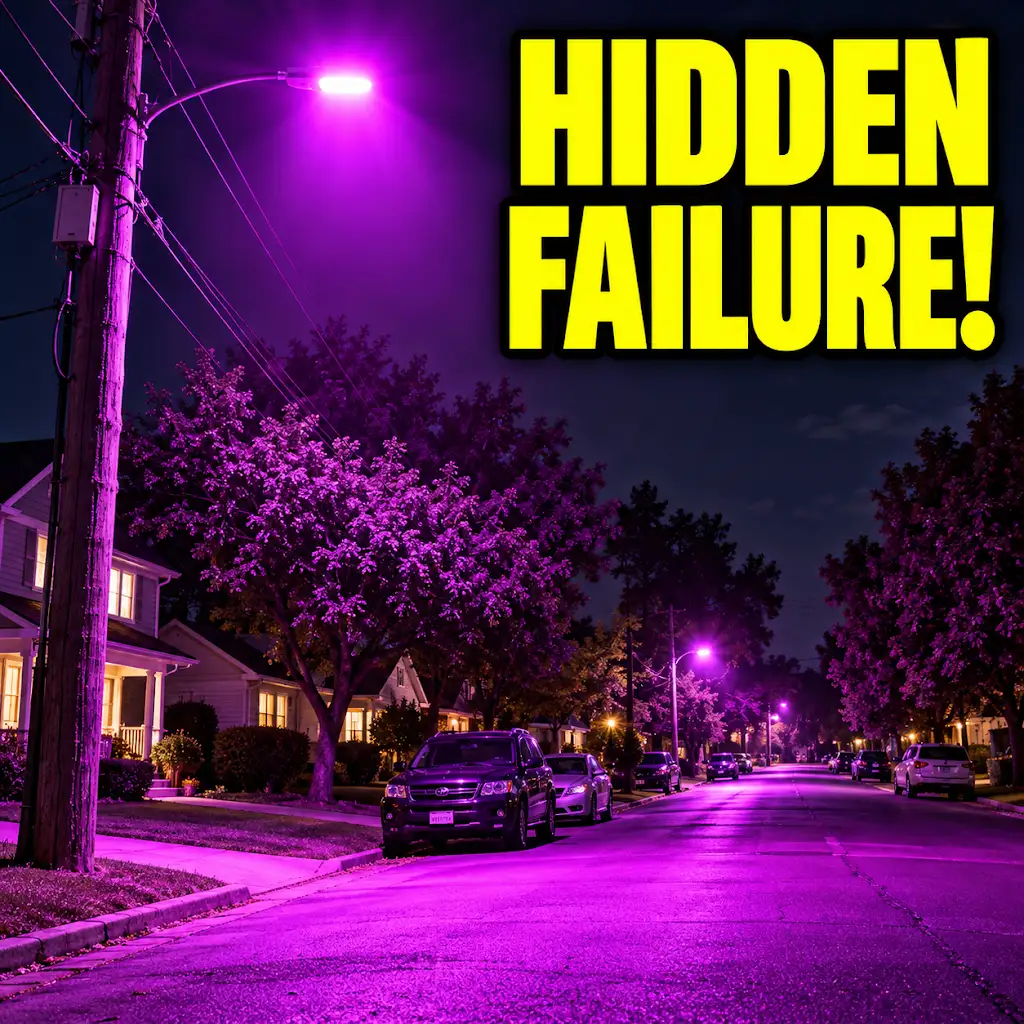
Why The Streetlights Are Turning Purple
FAQs
What are the common failure mechanisms of LED streetlights?
Common failure mechanisms of LED streetlights include thermal stress, electrical overstress, and environmental factors such as moisture and dust ingress.
How does thermal stress contribute to the failure of LED streetlights?
Thermal stress occurs when the LED components heat up during operation, causing expansion and contraction that can lead to material fatigue, solder joint failure, and ultimately, the malfunction of the streetlight.
What is electrical overstress, and how does it impact LED streetlight performance?
Electrical overstress happens when the LED streetlight is exposed to excessive voltage or current, which can cause damage to the electronic components, leading to a decrease in performance or complete failure of the streetlight.
How do environmental factors like moisture and dust affect the reliability of LED streetlights?
Moisture and dust can infiltrate the LED streetlight housing, causing corrosion, short circuits, and insulation breakdown, which can compromise the functionality and longevity of the streetlight.
Can the failure of LED streetlights be prevented or mitigated?
LED streetlight failures can be prevented or mitigated through proper design considerations, such as effective thermal management, voltage regulation, and environmental sealing to protect the components from external factors.