Understanding Why Your LED Streetlights Are Cracking
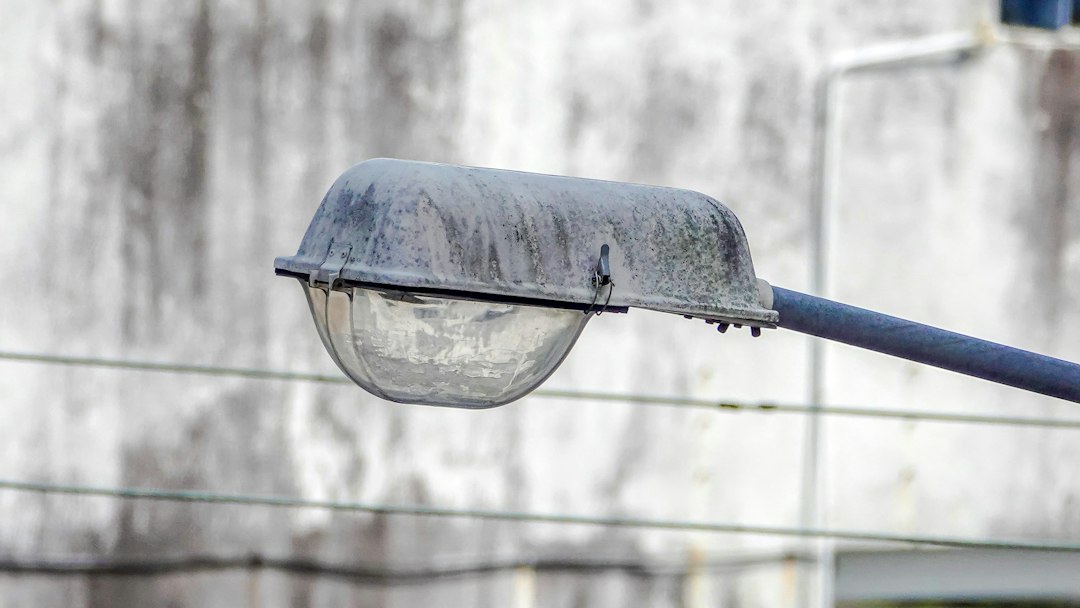
So, you’re noticing cracks in the phosphor coating of your LED streetlights, and you’re wondering what’s going on and, more importantly, what you can do about it. It’s a frustrating problem, but understanding the ‘why’ is the first step to finding practical solutions. Simply put, cracks in the phosphor layer of LED streetlights are usually caused by a combination of thermal stress and potentially some manufacturing or installation issues. This layer is crucial for converting the blue light emitted by the LED chip into the white light we see, and when it cracks, the light quality suffers, and the lifespan of the fixture can be significantly reduced.
In recent discussions about the advancements in street lighting technology, the issue of LED streetlight cracked phosphor has garnered attention due to its impact on light quality and longevity. For a deeper understanding of the implications of this phenomenon, you can explore a related article that delves into the science behind LED lighting and its various challenges. Check out the article on Freaky Science for more insights: Freaky Science.
## The Science Behind the Cracks: Thermal Stress Explained
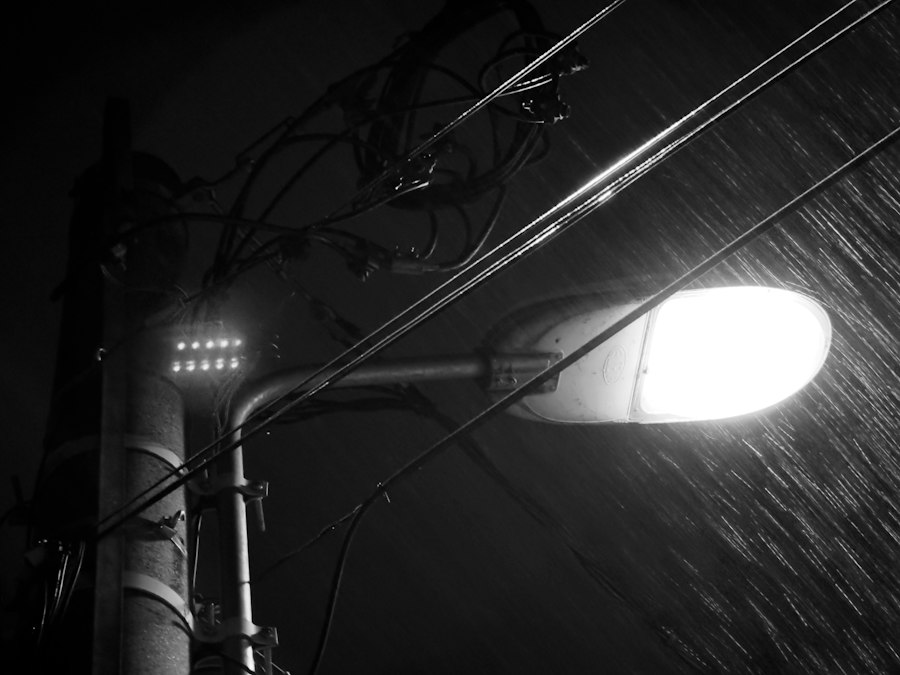
It might seem counterintuitive, but heat is a major culprit behind those annoying cracks in LED streetlight phosphor. LEDs, while efficient, still generate heat, and managing that heat is paramount. The phosphor itself, a delicate chemical compound, is particularly susceptible to the expansion and contraction that comes with temperature fluctuations.
### The Constant Cycle of Heat and Cool
LED streetlights operate outdoors, exposed to the elements. During the day, they might be powered down, but they’re still absorbing solar radiation, which can significantly increase their internal temperature. When they turn on at night, or during periods of dimming and brightening, the LED chip generates its own heat. This constant cycle of heating up and cooling down causes the phosphor material to expand and contract. Think of it like repeatedly bending a piece of plastic – eventually, it’s going to weaken and crack. The phosphor layer, being very thin, doesn’t have much give, making it prone to fracturing under this repeated stress.
### Thermal Mismatch: Different Materials, Different Reactions
Another key factor is thermal mismatch. The phosphor coating isn’t applied to a perfectly uniform or perfectly matched material. It’s often deposited onto a glass or ceramic substrate, or it might be mixed with a silicone or epoxy encapsulant. These different materials have different coefficients of thermal expansion – meaning they expand and contract at different rates when subjected to temperature changes. When these materials are bonded together, the differing expansion rates create stress at the interface. If this stress becomes too great, it can lead to delamination or cracking of the phosphor layer.
### Power Cycling and Its Impact
The way an LED streetlight is powered on and off, or dimmed and brightened, also plays a role. Frequent and rapid power cycling, where the light is switched on and off multiple times in a short period, can exacerbate thermal stress. Each time the LED powers up, it generates heat, and each time it powers down, it cools. This rapid cycling leads to more pronounced and frequent expansions and contractions of the phosphor material, increasing the likelihood of cracking.
## Manufacturing and Material Quality: Where Things Can Go Wrong
While thermal stress is a major driver, the quality of the materials used and the manufacturing processes involved in creating the phosphor layer are equally important. Even under ideal operating conditions, a poorly manufactured or low-quality phosphor coating will be more susceptible to cracking.
### Phosphor Particle Size and Distribution
The way the phosphor particles are sized and distributed within the encapsulant is critical. If the particles are too large, or if they’re clumped together unevenly, it can create weak points in the coating. These weak points can act as stress concentrators, making the phosphor more likely to fracture when subjected to thermal stress. A uniform distribution of fine phosphor particles generally leads to a more robust and durable coating.
### Encapsulant Choice and Curing Process
The encapsulant material (often silicone or epoxy) that binds the phosphor particles and protects the LED chip is also a factor. The choice of encapsulant, its purity, and how it’s cured can all influence its adhesion to the phosphor and its own thermal expansion properties. If the encapsulant doesn’t bond well with the phosphor, or if it has a significantly different thermal expansion rate, it will contribute to stress and potential cracking. Improper curing can also lead to internal stresses within the encapsulant itself, further increasing the risk.
### Contaminants and Defects
Even tiny impurities or defects introduced during the manufacturing process can be enough to compromise the integrity of the phosphor coating. Dust, moisture, or other contaminants can create weak spots, and microscopic voids or bubbles within the material can also serve as starting points for cracks to form and propagate. Rigorous quality control during manufacturing is essential to minimize these issues.
## Installation and Environmental Factors: External Pressures
It’s not just about what happens inside the streetlight itself; how the fixture is installed and the environment it operates in can also contribute to phosphor cracking.
### Physical Stress During Installation
During the installation of a streetlight, it’s subjected to various mechanical stresses. Dropping the fixture, overtightening mounting bolts, or even vibrations during transportation can put undue physical stress on the internal components, including the delicate phosphor layer. While designed to be robust, these components have their limits, and rough handling can initiate micro-cracks that may not be immediately apparent but can worsen over time.
### Exposure to Moisture and Chemicals
While LED streetlights are designed for outdoor use, prolonged exposure to certain environmental conditions can accelerate degradation. Moisture ingress, particularly if the seals are compromised, can lead to corrosion and can also interact with the phosphor material, potentially weakening it. Exposure to harsh chemicals, such as those found in industrial environments or from certain cleaning agents, can also degrade the encapsulant and phosphor, making them more brittle and susceptible to cracking.
### Vibration and External Shocks
Streetlights are often mounted on poles that can experience vibration from wind, traffic, or even nearby construction. These constant vibrations, even if seemingly minor, can contribute to the cumulative stress on the phosphor layer, especially if there are existing micro-defects. Significant external shocks, like impacts from falling branches or vandalism, can also cause immediate and visible cracking.
Recent advancements in LED streetlight technology have raised concerns about the durability of materials used, particularly regarding cracked phosphor. This issue can significantly affect the performance and longevity of streetlights, leading to increased maintenance costs. For a deeper understanding of the implications of this problem and potential solutions, you can explore a related article that discusses various innovations in streetlight design and materials. To read more about these developments, visit this informative article.
## Identifying and Mitigating the Problem: Practical Solutions
| Metric | Description | Typical Values | Impact on Performance |
|---|---|---|---|
| Phosphor Crack Size | Length or area of the crack in the phosphor layer | 0.1 mm to 2 mm | Increases light scattering, reduces luminous efficacy |
| Luminous Flux Reduction | Decrease in total light output due to cracked phosphor | 5% to 20% | Lower illumination levels on streets |
| Color Temperature Shift | Change in correlated color temperature (CCT) caused by phosphor damage | Up to 500 K shift | Color rendering may degrade, affecting visibility |
| CRI (Color Rendering Index) Degradation | Reduction in CRI due to uneven phosphor coating | Drop of 5 to 15 points | Colors appear less natural under the light |
| Operational Lifetime Impact | Effect on LED streetlight lifespan due to phosphor cracking | Reduction by 10% to 30% | Earlier maintenance or replacement required |
| Temperature at Crack Site | Localized temperature increase due to phosphor damage | Up to 10°C higher than normal | Accelerates further degradation of LED components |
Once you understand the causes, you can start thinking about how to prevent or address the issue of cracked phosphor in your LED streetlights. It’s a multi-faceted approach involving selection, maintenance, and proper handling.
### Choosing Quality Fixtures: The First Line of Defense
When procuring new LED streetlights, prioritize manufacturers known for their robust quality control and reliable products. Look for fixtures that use high-quality phosphor materials and well-tested encapsulants. Reputable manufacturers will often provide data on their thermal management capabilities and material testing. Don’t be afraid to ask for specifications related to thermal cycling resistance and material composition. Investing in slightly more expensive, but better-made, fixtures can save you significant costs in the long run.
### Proper Installation Practices
Ensure that your installation teams are well-trained in handling sensitive lighting components. Avoid dropping fixtures, overtightening hardware, and exposing them to unnecessary physical stress during installation. Following manufacturer guidelines for mounting and wiring is crucial. Regular checks on installation integrity, especially in areas prone to vibration, can also be beneficial.
### Regular Maintenance and Inspection
A proactive maintenance schedule can catch problems before they become severe. Regularly inspect your LED streetlights for any visible signs of damage, including cracks in the lens or housing, which could indicate underlying issues with the phosphor layer. For fixtures showing early signs of phosphor degradation (like a shift in color temperature or reduced brightness), consider performing targeted testing or consulting with the manufacturer. Keeping records of inspections and any remedial actions taken is also a good practice.
### Understanding Luminaire Design and Thermal Management
The design of the luminaire itself plays a huge role in managing heat. Look for fixtures with efficient heat sinks that effectively dissipate heat away from the LED chip and the phosphor layer. Good ventilation within the fixture can also help reduce internal temperatures. When selecting new fixtures, pay attention to the thermal management strategies employed by the manufacturer. For existing fixtures, ensure that any ventilation openings are not blocked by debris.
## Addressing Existing Cracks: What to Do When It’s Already Happening
If you’re already seeing cracked phosphor, it’s time to take action. The approach will depend on the severity of the damage and the age of the fixtures.
### Assessing the Severity of Cracks
The first step is to determine how widespread and severe the cracking is. Are these minor hairline cracks, or are they significant fractures that are clearly affecting light output and quality? Minor, isolated cracks might not warrant immediate replacement if the light output is still acceptable, but they should be monitored closely. More extensive cracking typically means the fixture’s performance is compromised and its lifespan is significantly reduced.
### Replacement vs. Repair: A Tough Decision
In most cases of significantly cracked phosphor, replacement of the entire LED streetlight fixture is the most practical and cost-effective long-term solution. Repairing a cracked phosphor layer is generally not feasible or economical, as it’s an integral part of the light-emitting mechanism. Attempting to repair it would likely be a temporary fix at best, and the underlying causes would still be present. Focus on replacing the damaged units with new, higher-quality fixtures.
### Phased Replacement Strategies
If you have a large number of fixtures affected, consider a phased replacement strategy. Prioritize replacing the most severely damaged or oldest fixtures first. This allows you to manage your budget effectively while ensuring that critical lighting infrastructure is maintained. Documenting which fixtures are replaced and when can help in future planning and warranty claims.
### Working with Manufacturers and Suppliers
When dealing with cracked phosphor, especially if the fixtures are still under warranty, it’s crucial to engage with the manufacturer or your supplier. Provide them with detailed information about the problem, including photographic evidence of the cracks and the operational conditions. They may be able to offer troubleshooting assistance, suggest specific models that are more resistant to such issues, or facilitate warranty claims if applicable. Their insights into the specific product line can be invaluable.
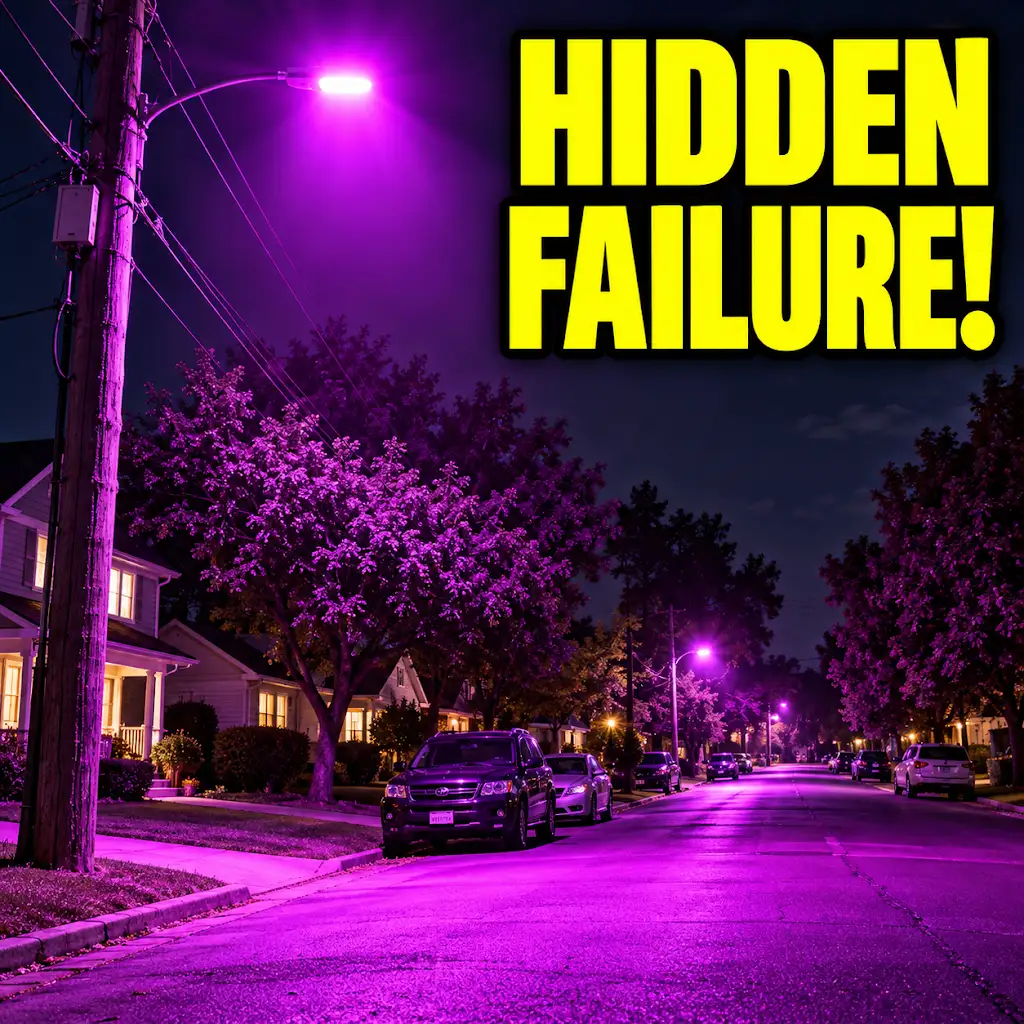
Why The Streetlights Are Turning Purple
FAQs
What causes a cracked phosphor in LED streetlights?
A cracked phosphor in LED streetlights can be caused by various factors such as thermal stress, mechanical stress, or manufacturing defects.
How does a cracked phosphor affect the performance of an LED streetlight?
A cracked phosphor can lead to a decrease in light output, color consistency, and overall efficiency of the LED streetlight. It may also result in color shifting or flickering of the light.
Can a cracked phosphor be repaired in an LED streetlight?
In most cases, a cracked phosphor cannot be repaired in an LED streetlight. The damaged component usually needs to be replaced to restore the light’s performance.
Are there ways to prevent phosphor cracking in LED streetlights?
To prevent phosphor cracking in LED streetlights, proper thermal management, careful handling during installation, and using high-quality components can help reduce the risk of damage to the phosphor material.
Is a cracked phosphor in an LED streetlight a common issue?
While not extremely common, cracked phosphors in LED streetlights can occur, especially in situations where the lights are exposed to harsh environmental conditions or excessive stress.