So, you’re wondering about those streetlights changing color, and what it means for how our cities look and feel after dark. It’s not just a random change; it’s usually a shift in the “color temperature” of LED lights, and it definitely impacts the quality of our urban lighting.
The move to LED streetlights has been great for energy savings and longevity, but the initial tendency to go for very cool, blue-ish white light has caused some unexpected issues. Now, there’s a trend, and often a necessity, to shift towards warmer, more yellowish tones. This isn’t just about aesthetics; it affects visibility, how we perceive our surroundings, wildlife, and even our own sleep patterns. Understanding this shift is key to getting urban lighting right for everyone.
The Basics: What is Color Temperature Anyway?
When we talk about the “color temperature” of a light source, we’re not talking about how hot it feels. Instead, it’s a way to describe the hue of the white light produced. Think of it like this: a candle flame is warm and yellowish, while a bright, clear sky on a sunny day is cool and bluish.
Measuring the Warmth and Coolness
We measure color temperature in Kelvin (K). The lower the Kelvin number, the warmer, or more yellowish/reddish, the light. A typical incandescent bulb might be around 2700K. As the Kelvin number goes up, the light appears whiter, and then eventually more bluish. A standard daylight look is often in the 5000K to 6500K range. So, when streetlights shift from a high Kelvin (cool white) to a lower Kelvin (warm white), they’re literally changing from a bluer tint to a yellower one.
Why LEDs Make This a Big Deal
LEDs (Light Emitting Diodes) are incredibly versatile. Unlike older lighting technologies, their color can be precisely controlled. This is a double-edged sword. While it allows for precise tuning, it also means that manufacturers can produce LEDs at a wide range of color temperatures. Early on, the focus was heavily on efficiency and brightness, often leading to the adoption of high color temperature LEDs, sometimes as high as 4000K or even 5000K for street lighting. This was a significant departure from the warmer, more traditional streetlights we were used to.
The recent shift in color temperature of LED streetlights has sparked considerable discussion regarding its impact on urban environments and public safety. A related article that delves into the implications of this transition can be found at Freaky Science, where various studies are examined to understand how different color temperatures affect visibility, human behavior, and even wildlife. This resource provides valuable insights for city planners and policymakers considering the adoption of LED technology in public spaces.
The Problems with Cool-White LEDs on Our Streets

Those early, stark white or even blue-ish streetlights, while bright, brought a host of unintended consequences that started to become apparent as more cities adopted them. It wasn’t just a matter of liking the look; there were practical and environmental downsides.
Impact on Visibility and Glare
One of the biggest complaints about cool-white LEDs is how they affect our perception of the environment. While they might seem brighter on paper, the specific spectrum of light can actually lead to more glare. Glare is that uncomfortable, blinding sensation that makes it harder to see details.
- Reduced Contrast: Cool, blue-rich light can wash out colors and reduce the contrast between objects and their surroundings. This can make it harder to distinguish surfaces, hazards, or even people’s faces. For drivers, this can mean less time to react to obstacles.
- Discomfort for Pedestrians: For those walking, excessive glare can be disorienting and make them feel less safe. It can also make it harder to read street signs or notice subtle changes in pavement.
The “Blue Sky” Effect and Light Pollution
A less obvious but significant issue is how cool-white light interacts with the atmosphere. Light with a high proportion of blue wavelengths scatters more easily in the air. This is the same phenomenon that makes the sky appear blue during the day.
- Increased Skyglow: When this blue-rich light from streetlights scatters upwards, it contributes significantly to skyglow – the brightening of the night sky over populated areas. This diminishes the view of stars and can disrupt natural ecosystems.
- Wider Light Spill: The scattering can also mean light spills further into surrounding areas than intended, potentially impacting residential properties with unwanted light intrusion.
Psychological and Well-being Effects
Beyond visibility and light pollution, the color of our streetlights can subtly influence how we feel and behave. A very cool, clinical white light can create an atmosphere that feels less inviting and more sterile.
- Feeling of Unnaturalness: Many people find the cool, bluish light to be unnatural and less comforting than the warmer tones they associate with evening or nighttime. This can contribute to a general feeling of unease in public spaces.
- Disruption of Circadian Rhythms: The blue-rich light emitted by high color temperature LEDs is particularly effective at suppressing melatonin production, the hormone that regulates our sleep-wake cycle. This means that prolonged exposure to these lights, especially close to bedtime, can make it harder to fall asleep and negatively impact sleep quality. This is a concern for residents living near brightly lit streets.
The Shift Towards Warmer Tones: Why It’s Happening
Given the issues, a clear trend has emerged: a move away from high color temperature (cool white) LEDs towards lower color temperature (warm white) LEDs for street lighting. This isn’t just a preference; it’s a response to the real-world problems encountered.
Prioritizing Human and Environmental Health
The primary driver for this shift is a growing understanding of how light quality impacts not just our immediate surroundings but also our health and the environment.
- Improved Visual Comfort: Warmer light, with its lower levels of blue light, is generally perceived as more comfortable. It tends to render colors more naturally and reduces the harsh glare associated with cooler temperatures. This leads to better visual acuity and a more pleasant experience for pedestrians and drivers alike.
- Reduced Melatonin Suppression: By emitting less blue light, warmer LEDs are less disruptive to our natural circadian rhythms. This is crucial for promoting better sleep patterns for people living in urban environments. It makes the night feel more like night.
- Mitigating Skyglow: Lower color temperature LEDs scatter less blue light into the atmosphere, directly contributing to a reduction in skyglow. This helps preserve the view of the night sky and supports nocturnal ecosystems.
Regulatory and Community Pressure
As the negative impacts of cool-white LEDs became more evident, municipalities and community groups began to advocate for change. Many cities and regions have now implemented guidelines or regulations specifying maximum color temperatures for new street lighting installations.
- Setting Standards: This has led to cities specifying LED lights with color temperatures of 3000K or even 2700K, aligning them more closely with traditional light sources. These are often referred to as “warm amber” or “soft white” LEDs.
- Public Demand: Residents are increasingly vocal about their preferences, often requesting warmer, less intrusive lighting. This public feedback loop is a significant factor driving the shift in municipal lighting strategies.
Technical Feasibility and Cost
It’s also important to note that the technology to produce warm white LEDs efficiently and affordably has matured. Initially, achieving warm tones might have come with a slight efficiency penalty or a higher cost. However, as LED technology has advanced, the gap has narrowed, making warmer options a practical and cost-effective choice.
Practical Considerations for Urban Lighting Designers
For those responsible for planning and implementing urban lighting, the color temperature shift requires a thoughtful approach. It’s not simply a matter of picking the warmest option; it involves balancing various needs and understanding the nuances of light.
Balancing Illumination Levels and Color Temperature
The goal of street lighting is to provide adequate illumination for safety and security, but also to do so without causing undue discomfort or negative environmental impact.
- Finding the Right Wattage: Sometimes, achieving a warmer color temperature might mean a slightly lower lumen output for the same energy consumption compared to a very cool white LED. Lighting designers need to ensure that the overall illuminance levels remain sufficient for the intended purpose. This might involve adjusting fixture placement, aiming, or using slightly higher wattage fixtures if necessary.
- Task-Specific Lighting: Different areas might have different lighting needs. A busy intersection might require higher illuminance levels and a color temperature that maximizes visibility for drivers, while a quiet residential street might prioritize a warmer, more ambient glow.
Choosing Fixture Types and Optics
The design of the streetlight fixture itself plays a crucial role in how light is delivered and perceived, regardless of its color temperature.
- Shielding and Cut-off: Properly designed fixtures use shields and specific optical distributions to direct light downwards where it’s needed, minimizing light that escapes upwards or sideways. This is essential for controlling light pollution and reducing glare. Even with warmer light, poorly designed fixtures can still cause issues.
- Uniformity: Achieving a uniform light distribution across the pavement is important for safety and comfort. This means avoiding “hot spots” of intense light and dark patches. The choice of fixture and its placement contribute significantly to this uniformity, working in concert with the color temperature.
Phased Replacements and Retrofitting
Many cities have existing infrastructure with older, non-LED lighting or even early, cool-white LEDs. Replacing these is a gradual process, and the shift in color temperature needs to be managed.
- Strategic Upgrades: Municipalities often plan lighting upgrades in phases, prioritizing areas with the most urgent needs or those that will yield the greatest energy savings. The choice of color temperature for new installations is a key part of this strategy.
- Retrofit Kits: For existing fixtures, retrofit kits can sometimes be used to replace the light source without replacing the entire fixture. This allows for a transition to warmer LEDs as part of a larger maintenance or upgrade program.
Recent studies have highlighted the impact of LED streetlight color temperature shift on urban environments and human health. For a deeper understanding of this phenomenon, you can explore a related article that discusses how different color temperatures can influence not only visibility but also the behavior of pedestrians and wildlife. This insightful piece can be found here, providing valuable information on the implications of lighting choices in our cities.
The Future of Urban Lighting and Color Temperature
| Color Temperature (K) | Initial Measurement | After 1 Year | After 3 Years | Shift Description |
|---|---|---|---|---|
| 3000 | 3000 K | 2950 K | 2850 K | Warm white shifts slightly warmer (yellowish) |
| 4000 | 4000 K | 3950 K | 3850 K | Neutral white shifts toward warmer tones |
| 5000 | 5000 K | 4950 K | 4850 K | Cool white shifts slightly warmer |
| 5700 | 5700 K | 5650 K | 5550 K | Daylight white shifts toward neutral white |
As technology continues to evolve and our understanding of light’s impact deepens, the future of urban street lighting promises to be more sophisticated and user-centric. The focus is shifting from simply “lighting up” to creating optimized lighting environments.
Smart Lighting and Adaptive Control
The integration of smart technology into streetlights is opening up new possibilities for how we manage light.
- Dynamic Color Temperature: Future lighting systems might be able to dynamically adjust their color temperature based on time of day, activity levels, or even environmental conditions. For instance, a warmer, dimmer light might be used late at night when traffic is minimal, transitioning to a brighter, slightly cooler (but still within comfortable limits) light during peak hours.
- Data-Driven Optimization: Sensors and connectivity will allow for the collection of data on light usage, traffic flow, and even environmental factors. This data can then be used to fine-tune lighting strategies for optimal energy efficiency, safety, and citizen comfort.
A More Holistic Approach
The conversation around urban lighting is broadening to include its role in the overall urban experience.
- Beyond Safety: While safety remains paramount, lighting is increasingly seen as a tool to enhance the character of a city, promote well-being, and support biodiversity. Warmer, more naturalistic lighting can make public spaces feel more inviting and can integrate better with the natural environment.
- Community Engagement: Ongoing dialogue with residents and stakeholders will be crucial in shaping future lighting policies. Understanding public preferences and addressing concerns will ensure that urban lighting serves the needs of the people who live and work in these spaces.
Continued Research and Innovation
The field of lighting science is constantly advancing. Research into the long-term effects of different light spectra on human health, wildlife, and the environment will continue to inform best practices. This ongoing innovation will ensure that urban lighting remains effective, efficient, and beneficial for communities.
The shift in LED streetlight color temperature is more than just a technical adjustment; it’s a conscious effort to create better urban environments. By moving towards warmer, more thoughtfully applied light, cities are aiming for a future where our streets are not only safer and more efficient but also more comfortable, healthier, and more in tune with the natural world.
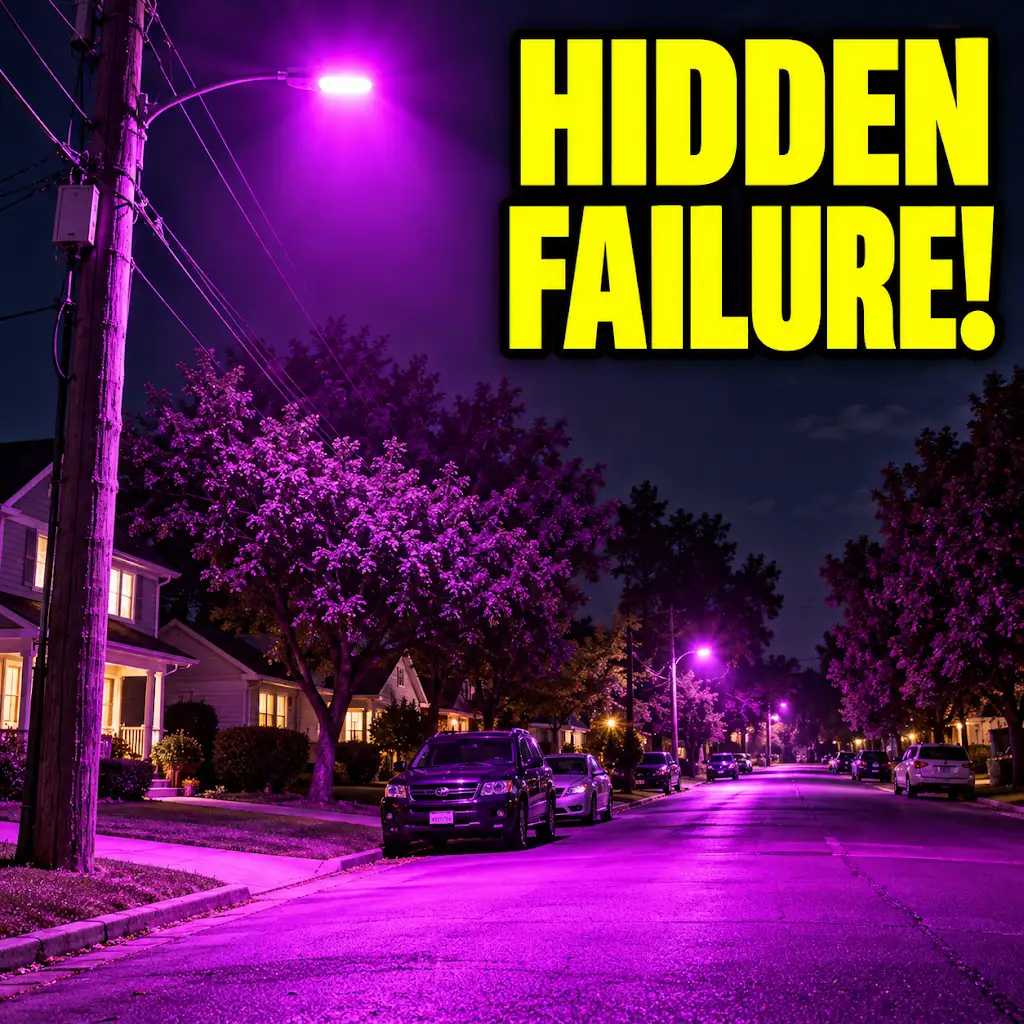
Why The Streetlights Are Turning Purple
FAQs
What is LED streetlight color temperature shift?
LED streetlight color temperature shift refers to the phenomenon where the color appearance of LED streetlights changes over time, typically becoming cooler or bluer.
What causes LED streetlight color temperature shift?
LED streetlight color temperature shift is primarily caused by the degradation of the phosphor coating on the LED chips, which can lead to a shift in color temperature towards the blue end of the spectrum.
How does LED streetlight color temperature shift affect visibility?
LED streetlight color temperature shift can impact visibility by altering the color rendering properties of the light, potentially reducing contrast and making it harder to distinguish objects and details in the illuminated area.
Can LED streetlight color temperature shift be prevented?
While LED streetlight color temperature shift cannot be completely prevented, selecting high-quality LED fixtures with stable phosphor coatings and proper thermal management can help minimize the extent of color temperature shifting over time.
What are the implications of LED streetlight color temperature shift for cities and municipalities?
LED streetlight color temperature shift can pose challenges for cities and municipalities in maintaining consistent lighting quality and aesthetics, as well as potentially impacting the overall safety and comfort of residents and road users.