So, you’re wondering about those streetlights and why they sometimes look a bit… off? Especially those newer LED ones. The short answer is that LED streetlights can change color over time, a phenomenon called “chromatic shift.” This shift isn’t just a cosmetic issue; it can actually affect how well we see and how we perceive our urban environments. Let’s dive into what’s going on and why it matters.
Understanding the Basics of LED Color
Before we get into the shift, it’s helpful to understand how LEDs create light in the first place. Most white LEDs used for street lighting don’t actually emit white light directly. Instead, they typically use a blue LED chip coated with a yellow phosphor. The blue light from the chip excites the phosphor, which then re-emits yellow light. The combination of the remaining blue light and the emitted yellow light appears white to our eyes. The specific mix of blue and yellow light determines the “color temperature” of the LED, often described as warm (more yellow) or cool (more blue).
The Role of Phosphors in White Light Production
The phosphor coating is the key to generating a broad spectrum of light that mimics natural daylight. Different phosphor materials and concentrations are used to achieve various color points. Think of it like mixing paints; you start with a base color (the blue LED) and add other colors (the phosphors) to get the desired hue. The quality and stability of these phosphors are critical for the long-term color consistency of the LED.
Color Temperature and Its Perception
Color temperature is measured in Kelvin (K). Lower Kelvin values, like 2700K to 3000K, are considered warm and have a yellowish tint, similar to incandescent bulbs. Higher Kelvin values, such as 4000K to 5000K or even above, are considered cool and appear whiter or even bluish. Our perception of color is influenced by the light source. For example, colors might look different under a warm light compared to a cool light. This is an important consideration for how we see objects and our surroundings in a city.
Recent studies have highlighted the phenomenon of chromatic shift in LED streetlights, which can affect the perception of color in urban environments. For a deeper understanding of this topic, you can read a related article that explores the implications of LED lighting on street aesthetics and safety. Check it out here: Freaky Science Article.
Why Do LEDs Change Color? The Mechanisms of Chromatic Shift
The color shift in LEDs isn’t a sudden event; it’s usually a gradual process driven by the degradation of the components within the LED package over time. Several factors contribute to this, primarily related to the phosphor and the LED chip itself.
Phosphor Degradation Over Time
The phosphors used in white LEDs are susceptible to a few types of degradation. One common issue is “phosphor aging” or “thermal degradation.” When the LED operates, it generates heat. Prolonged exposure to this heat, especially in enclosed street light fixtures where ventilation might be limited, can cause the phosphor material to change its chemical composition or structure. This change alters how the phosphor interacts with the blue light from the LED chip, leading to a shift in the emitted spectrum. Typically, this results in a reduction in the yellow output, causing the light to appear more blue or “cooler” over time.
Yellowing of Encapsulants
The LED chip and phosphor are usually encapsulated in a clear resin, often made of silicone. This encapsulant protects the delicate components from moisture and environmental damage. However, over time, and particularly when exposed to UV radiation from the blue LED chip and high temperatures, this silicone can yellow. This yellowing acts like a filter, absorbing more of the emitted light, especially in the longer wavelengths (yellows and reds). The result is again a shift towards a bluer appearance.
Degradation of the LED Chip
While less common as the primary driver of color shift in well-designed LEDs, the blue LED chip itself can also degrade. This might involve changes in the semiconductor material’s properties, leading to a decrease in the intensity of the blue light emitted or a slight shift in its peak wavelength. If the blue output decreases significantly, the balance with the phosphor’s output will be disrupted, again leading to a perceptible color change.
Environmental Factors
The outdoor environment plays a significant role. Temperature fluctuations, humidity, exposure to pollutants, and even salt spray in coastal areas can accelerate the degradation processes mentioned above. For instance, high humidity can contribute to moisture ingress, which can damage the phosphor or encapsulant. Pollution can deposit on the light fixture, reducing light output and potentially contributing to internal degradation.
The Practical Impacts of Chromatic Shift on Urban Lighting Quality

So, the lights are changing color. What’s the big deal? This chromatic shift has tangible consequences for how we experience and use our urban spaces, affecting everything from safety to how we perceive the environment.
Visual Comfort and Glare
When LEDs shift towards a cooler, bluer spectrum, they can become more visually harsh. Cooler light tends to scatter more in the atmosphere, which can increase glare. Glare is that uncomfortable brightness that can impair vision. For drivers, excessive glare can reduce visibility of pedestrians, cyclists, and road hazards. For pedestrians, it can make it difficult to see details on the ground or to navigate safely. A consistent, more balanced light spectrum is generally more comfortable and less prone to causing disabling glare.
Color Rendering and Recognition
One of the critical aspects of good lighting is its ability to render colors accurately. This is measured by the Color Rendering Index (CRI). LEDs with a high CRI can make objects appear with their true colors. However, as an LED shifts towards bluer tones, its CRI can decrease, meaning colors will start to look less natural. For urban environments, this can affect:
- Pedestrian identification: Distinguishing between clothing colors, or even identifying individuals, can become harder.
- Signage legibility: Traffic signs, business signs, and emergency signage might lose their distinctiveness.
- Aesthetic perception: The vibrancy of urban greenery, building facades, and public art can be diminished.
Think about trying to read a street sign or identify a dropped item on the sidewalk when the light makes everything look desaturated or tinged with an unnatural blue.
Psychological and Societal Effects
The color of light can also have subtle psychological effects. Cooler, bluer light is often associated with alertness and activity, while warmer, yellower light is perceived as more calming and inviting. A city where streetlights have shifted to a harsh, blueish hue might feel less welcoming or even a bit sterile. Conversely, if a shift results in a very yellow, dim light, it might create a sense of unease or reduce the perceived safety of an area. Consistency in lighting color across a street or neighborhood is also important for creating a cohesive and predictable environment.
Energy Efficiency Considerations
While LEDs are inherently energy-efficient, chromatic shift can indirectly impact energy use. If lights shift to a cooler temperature, and that cooler light is perceived as less effective, municipalities might be tempted to increase the light output (and therefore energy consumption) to achieve the desired perceived brightness. Furthermore, if the color rendering degrades significantly, it might necessitate the use of supplemental lighting in certain areas for specific tasks, undermining the overall efficiency goals.
Addressing Chromatic Shift: Design and Maintenance Strategies
Fortunately, the industry is aware of chromatic shift, and there are strategies to mitigate its effects. These range from initial design choices to ongoing monitoring and maintenance.
Improving LED Technology and Materials
Manufacturers are constantly working on developing more stable phosphor materials and encapsulants that are less prone to degradation. This includes:
- Enhanced Phosphors: Research into phosphors with higher thermal stability and resistance to UV damage.
- Advanced Encapsulants: Development of silicone or other polymer encapsulants that are more UV-resistant and less prone to yellowing.
- Better Thermal Management: Designing LED packages and fixtures that dissipate heat more effectively to reduce the stress on the internal components.
Careful Selection of LED Specifications
When specifying streetlights, it’s crucial to consider the expected lifetime of the product and its color stability.
- CRI and Color Consistency: Opting for LEDs with a higher CRI and a tighter “MacAdam ellipse” (a measure of color variation) can ensure better color quality and consistency over time.
- Correlated Color Temperature (CCT) Choice: While cooler CCTs might seem brighter, warmer CCTs (e.g., 3000K) often offer better color rendering and are generally perceived as more comfortable, potentially being more stable in terms of perceived shift.
- Manufacturer Warranties: Understanding the warranty terms regarding color shift is important for long-term cost planning.
Implementing Robust Monitoring and Maintenance Programs
Once LED streetlights are installed, a proactive approach is key.
- Regular Visual Inspections: Trained personnel can conduct periodic visual assessments of lighting quality and color consistency across the network.
- Light Meter Readings: Using portable light meters to measure illuminance and color properties can provide objective data on the condition of the lights.
- Data-Driven Replacement Cycles: Instead of just replacing fixtures based on a fixed lifespan, using monitoring data to identify individual lights or areas experiencing significant chromatic shift allows for targeted replacements, optimizing resource allocation.
- Fixture Cleaning and Maintenance: Ensuring light fixtures are clean and free from debris can improve light output and reduce the thermal load on the LEDs.
Recent studies have highlighted the phenomenon of chromatic shift in LED streetlights, which can significantly impact urban lighting aesthetics and visibility. For a deeper understanding of this issue, you can explore a related article that discusses the implications of LED technology on street lighting and its effects on public safety and urban design. This insightful piece can be found at Freaky Science, where you can learn more about the advancements and challenges associated with modern lighting solutions.
The Future of Urban Lighting: Balancing Technology and Experience
| Metric | Description | Typical Range | Impact on Performance |
|---|---|---|---|
| Chromatic Shift (Δu’, Δv’) | Change in chromaticity coordinates over time | 0.002 – 0.010 | Color consistency degradation |
| Correlated Color Temperature (CCT) Shift | Variation in CCT from initial value (Kelvin) | ±200 K to ±1000 K | Perceived color temperature change |
| Color Rendering Index (CRI) Change | Change in CRI value over lifetime | Decrease by 1-5 points | Reduced color fidelity |
| Luminous Flux Maintenance | Percentage of initial light output retained | 70% – 90% after 25,000 hours | Brightness reduction |
| Temperature Influence | Effect of junction temperature on chromatic shift | 5°C – 15°C increase causes noticeable shift | Accelerated color shift |
| LED Bin Variation | Initial chromaticity variation due to manufacturing | Δu’, Δv’ up to 0.005 | Initial color inconsistency |
The shift towards LED street lighting has brought significant benefits in terms of energy savings and controllability. However, understanding and managing chromatic shift is essential for ensuring that these benefits translate into truly improved urban lighting quality. It’s not just about the lumens or the watts; it’s about creating environments that are safe, comfortable, and visually appealing for everyone.
The Drive for Sustainable and Adaptable Lighting
As cities continue to adopt smart city technologies, the ability to dynamically adjust lighting parameters, including color temperature, might become more prevalent. This opens up possibilities for responsive lighting that adapts to different times of day, events, or even seasonal changes, enhancing both functionality and aesthetics. However, achieving this requires a deep understanding of how light quality changes and how to control it effectively.
Citizen Feedback and Perceived Quality
Ultimately, the success of urban lighting is judged by the people who use it. Incorporating citizen feedback into lighting planning and maintenance can provide valuable insights into how chromatic shift and other lighting quality issues are perceived. This feedback can inform decisions about fixture selection, maintenance schedules, and future lighting upgrades, ensuring that the technology serves the community’s needs.
Conclusion: A Continuous Evolution
Chromatic shift in LED streetlights is an ongoing challenge, but one that is being addressed through technological advancements and improved practices. By focusing on the underlying science, understanding the practical impacts, and implementing effective strategies, cities can continue to leverage the advantages of LED technology while ensuring that urban lighting remains a positive and functional aspect of city life. It’s about making sure that as our cities evolve, our streetlights evolve with them, providing consistent, high-quality illumination for years to come.
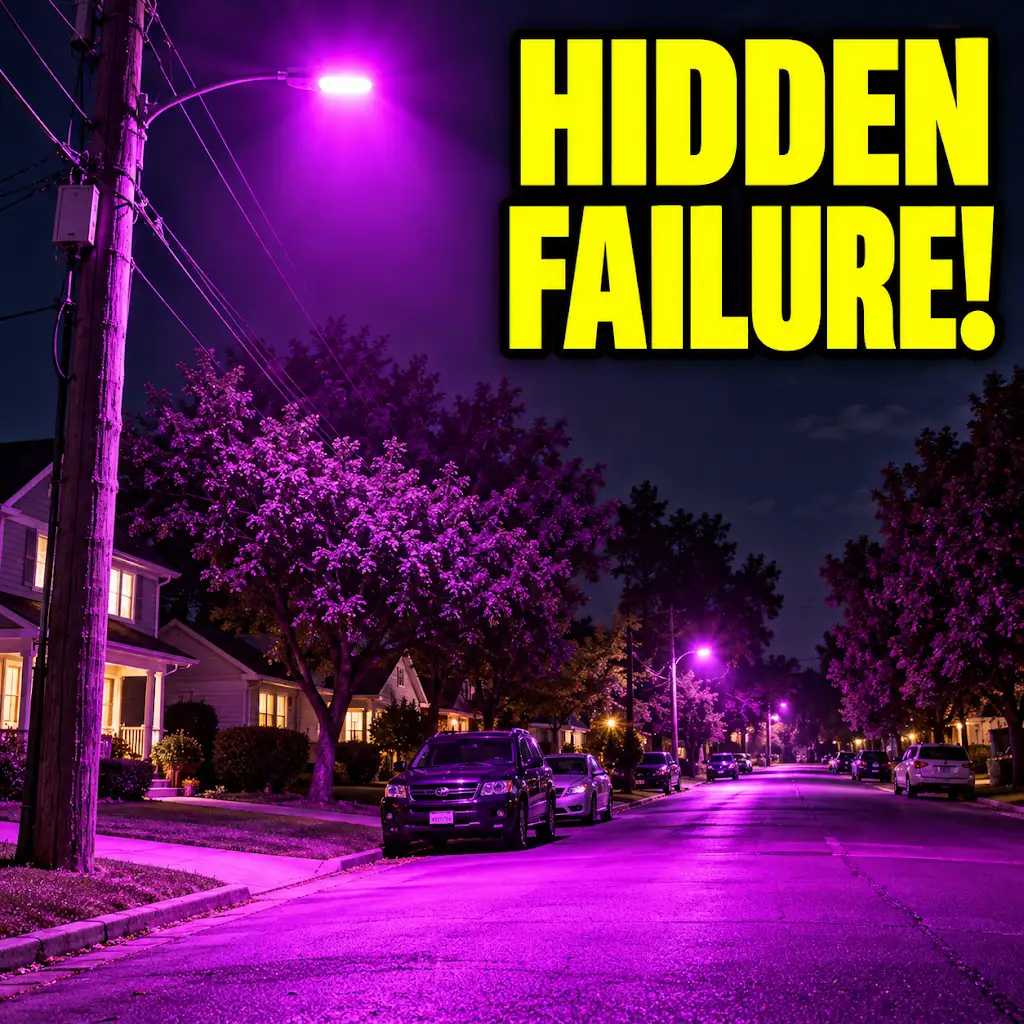
Why The Streetlights Are Turning Purple
FAQs
What is LED streetlight chromatic shift?
LED streetlight chromatic shift refers to the phenomenon where the color of the light emitted by LED streetlights changes over time, often resulting in a shift towards a different color temperature.
What causes LED streetlight chromatic shift?
LED streetlight chromatic shift is primarily caused by the degradation of the phosphor coating on the LED chips, which can lead to changes in the color temperature of the light produced.
How does LED streetlight chromatic shift affect visibility?
LED streetlight chromatic shift can impact visibility by altering the color rendering properties of the light, potentially affecting the perception of objects and colors illuminated by the streetlights.
Can LED streetlight chromatic shift be prevented?
While LED streetlight chromatic shift cannot be entirely prevented, selecting high-quality LED fixtures and implementing proper maintenance practices can help minimize the extent of chromatic shift over time.
What are the implications of LED streetlight chromatic shift for cities and municipalities?
LED streetlight chromatic shift can have implications for cities and municipalities in terms of maintaining consistent lighting aesthetics, ensuring visibility and safety, and managing the overall performance and longevity of their streetlighting systems.