
Why are my LEDs Turning Purple? It’s Likely a Package Problem.
Ever noticed a once-bright white LED light suddenly shift to an odd purplish hue? It’s a pretty common annoyance, and more often than not, the culprit isn’t some mystical cosmic ray interference, but a failure within the LED package itself. This article will walk you through the actual reasons behind this color shift, focusing on what’s happening inside those small components, so you can understand why your lights are acting up.
In recent discussions about LED technology, the phenomenon of package failure leading to purple light emissions has garnered attention. This issue not only affects the performance of LED lights but also raises concerns about their longevity and reliability. For a deeper understanding of the implications of LED package failures and their impact on lighting solutions, you can read a related article on this topic at Freaky Science.
Inside the LED Package: A Quick Overview
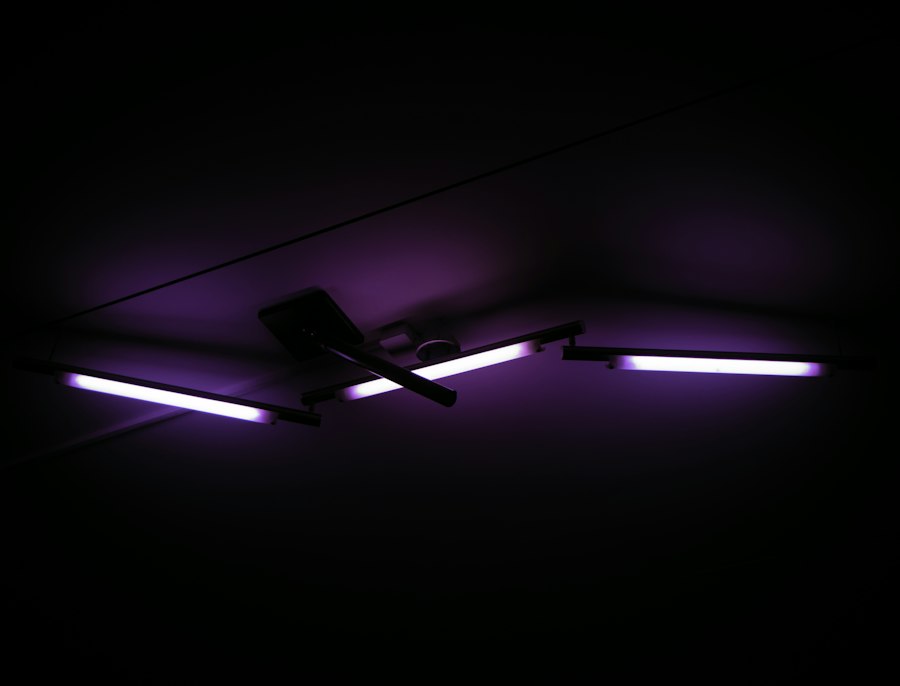
Before we dive into the failures, it’s helpful to quickly understand what’s inside a typical white LED package. Think of it as a miniature, highly engineered component.
The Core Components
At its heart, an LED package contains a semiconductor die that emits light when electricity flows through it. For white LEDs, this die typically emits blue light. This blue light is then converted into white light by a phosphor coating applied directly onto or around the die.
The Phosphor’s Role
The phosphor is crucial. It absorbs some of the blue light and re-emits it at longer wavelengths, usually in the yellow or green spectrum. When this re-emitted light mixes with the remaining blue light, our eyes perceive it as white. The specific mix of phosphors and the intensity of the blue light determine the color temperature and quality of the white light produced.
Encapsulation and Optics
The die and phosphor are then enclosed in a protective material, often a clear epoxy resin or silicone. This encapsulation protects the sensitive components from moisture, dust, and physical damage. Lenses or reflectors might also be incorporated into the package to direct the light where it’s needed.
Common Failure Modes Causing Purple Tint

The purple tint is almost always a sign that the light conversion process is breaking down. This usually means the phosphor is no longer doing its job correctly, or the blue light is becoming dominant.
Phosphor Degradation Over Time
This is probably the most frequent reason for the purple shift. Phosphors, while designed for longevity, aren’t immortal. They can degrade due to several factors, and this degradation directly impacts how they convert blue light.
Heat Stress and Accelerated Aging
The biggest enemy of phosphors is heat. LEDs, despite their efficiency, still generate heat. This heat can accumulate within the package, especially in poorly ventilated fixtures or under high operating temperatures. Prolonged exposure to high temperatures can accelerate the chemical and physical changes within the phosphor material, leading to a loss of its ability to efficiently convert blue light. Think of it like leaving a sensitive material out in the sun for too long – it starts to break down.
Photochemical Reactions
The high-energy blue photons emitted by the LED die can, over time and under certain conditions, interact with the phosphor material in ways that cause it to change its chemical structure. This is a form of photochemistry, where light itself causes chemical reactions. These reactions can alter the phosphor’s spectral emission, making it less effective at producing the desired yellow or green wavelengths needed to mix with blue for white light.
Physical Breakdown of the Phosphor Layer
The phosphor is typically applied as a fine powder embedded in a binder, or as a coating. Mechanical stress, thermal cycling (repeated heating and cooling), or even the outgassing of materials within the LED package can cause micro-cracks or delamination of this phosphor layer. When the layer becomes discontinuous or uneven, the blue light isn’t absorbed and re-emitted uniformly, allowing more raw blue light to escape.
Changes in the Phosphor’s Spectral Properties
As the phosphor degrades, its spectral output changes. Instead of efficiently emitting in the yellow/green range, it starts emitting less of these wavelengths and proportionally more of the original blue light. The result is a spectrum that is heavily skewed towards the blue end, which our eyes perceive as a purplish or bluish-white light.
Inconsistent Phosphor Application or Curing
Manufacturing defects can also play a role, especially in lower-quality LEDs. If the phosphor isn’t applied uniformly during manufacturing, or if the curing process (the heating and hardening of the phosphor and binder) isn’t done correctly, you can end up with areas that are deficient in phosphor or have it improperly bonded. This leads to premature and localized degradation, causing uneven color shifts.
The Role of the Blue LED Die and its Output
While phosphor degradation is the primary driver, the underlying blue LED die and its output characteristics are also part of the equation.
Intrinsic Blue Emission
Remember, the white light is a result of mixing blue with other colors. If the blue emission from the die itself is too strong, or if the phosphor’s efficiency drops significantly, the blue component will naturally become more prominent.
Wavelength Shift in the Blue Die
Although less common as a direct cause of purple tint compared to phosphor issues, the blue LED die itself can also experience some degradation. Over time, the peak wavelength of the blue light emitted by the die can sometimes shift slightly. If this shift is towards shorter wavelengths (bluer blues), it can exacerbate the perception of purple, especially if the phosphor is also starting to fail. However, this is typically a secondary effect.
LED package failures can often manifest as unexpected purple light emissions, which can be both puzzling and concerning for users. A deeper understanding of this phenomenon can be found in a related article that explores the underlying causes and potential solutions for such issues. For more insights on this topic, you can read the article here. By examining the factors that contribute to LED package failures, we can better address and mitigate these occurrences in various applications.
Environmental Factors Accelerating Failure
| Metric | Description | Typical Values | Notes |
|---|---|---|---|
| Failure Rate | Percentage of LED packages exhibiting purple light failure | 0.5% – 3% | Varies by manufacturer and operating conditions |
| Operating Temperature | Temperature range during LED operation | 25°C – 85°C | Higher temps increase failure risk |
| Forward Current | Current passing through the LED package | 20mA – 350mA | Exceeding max current accelerates degradation |
| Wavelength Shift | Change in emitted light wavelength due to failure | ~10-20 nm towards purple spectrum | Indicates phosphor degradation or package damage |
| Luminous Flux Degradation | Reduction in light output over time | Up to 30% decrease before failure | Correlates with purple light emission onset |
| Package Material | Type of encapsulant or phosphor used | Silicone, Epoxy, YAG Phosphor | Material choice affects failure mode |
| Time to Failure | Duration before purple light failure occurs | 1,000 – 10,000 hours | Depends on stress factors and quality |
Beyond the internal workings of the LED package, external conditions can significantly speed up the degradation process.
Excessive Operating Temperature
We touched on this with phosphor degradation, but it bears repeating. Any factor that causes the LED to run hotter than it’s designed for will shorten its lifespan and accelerate failures. This includes:
- Poor thermal management in the fixture: Not enough heatsinking, inadequate airflow around the LED.
- High ambient temperatures: Running LEDs in very hot environments like attics or enclosed spaces without ventilation.
- Over-driving the LED: Pushing more current through the LED than it’s rated for, which generates more heat.
Humidity and Moisture Ingress
While the LED package is designed to protect the internal components, it’s not always perfectly sealed. If moisture gets inside the package, it can react with the materials, including the phosphor and the die’s passivation layers. This can lead to corrosion and accelerate degradation. Poorly sealed fixtures or LEDs exposed to humid environments are more susceptible.
UV Exposure (Less Common for Standard White LEDs)
While not a primary cause for most standard white LEDs that use phosphors, some specialized LED applications or older phosphor types might be more sensitive to UV light. In general, the materials used in modern white LED packages are designed to withstand the internal UV generated by the blue die, but in extreme cases or with specific materials, it could contribute to degradation.
Vibration and Mechanical Stress
Though less common for typical lighting applications, constant vibration or physical stress on the LED package can, over time, lead to micro-fractures in the phosphor layer or the encapsulation material, creating pathways for environmental contaminants or causing light scattering that alters the perceived color.
What You Can Do (And What to Expect)
Understanding why your LEDs are turning purple can help manage expectations and guide your decisions.
Expect Some Color Shift Over Time
It’s important to know that a slight shift in LED color temperature over their lifespan is normal and expected, especially for less expensive LEDs. Phosphor degradation is a gradual process. A very subtle warm-up or coolness change is usually not a sign of imminent failure. The distinct purple hue is a clear indicator that the degradation has progressed significantly.
Quality Matters: The Impact of Manufacturer and Materials
The quality of the LED package materials and the manufacturing process play a huge role. Higher-quality LEDs use more robust phosphors, better encapsulants, and have more effective thermal management built into their design. This means they will resist degradation for much longer. Cheaper LEDs, while initially attractive, often cut corners on materials and quality control, leading to premature failures like the purple tint.
Fixture Design and Environment
The overall design of the lighting fixture and the environment in which it operates are critical.
- Good ventilation: Fixtures that allow for airflow around the LED components help dissipate heat, extending their life.
- Appropriate operating conditions: Avoiding extreme temperatures and high humidity will also contribute to longevity.
When to Replace
Once an LED consistently emits a noticeable purple light, it’s generally a sign that the phosphor has degraded to a point where its performance is significantly compromised. At this stage, the light output will likely be reduced, and the color rendering capabilities will be poor. Replacing the LED unit or the entire fixture is usually the best course of action. Unfortunately, most LED packages are sealed units, and repairing the internal phosphor degradation isn’t feasible for the end-user. It’s essentially a sign that the LED has reached the end of its useful life for producing quality white light.
Why The Streetlights Are Turning Purple
FAQs
What causes LED package failure to emit purple light?
LED package failure can cause the emission of purple light due to various reasons such as phosphor degradation, overheating, or a failure in the LED chip itself.
How does phosphor degradation contribute to LED package failure?
Phosphor degradation can occur over time due to factors like high operating temperatures, excessive current, or exposure to humidity, leading to a shift in the color temperature of the LED towards the purple spectrum.
What role does overheating play in causing LED package failure with purple light emission?
Overheating can significantly impact the performance and longevity of an LED package, causing the phosphor to degrade faster and potentially leading to the emission of purple light as a sign of failure.
Can a failure in the LED chip itself result in the emission of purple light?
Yes, a failure in the LED chip, such as a bond wire disconnecting or a defect in the semiconductor material, can cause the LED package to emit purple light as a visible indication of malfunction.
How can one prevent LED package failure and the emission of purple light?
To prevent LED package failure and the emission of purple light, it is essential to ensure proper heat management, operate the LEDs within specified current and temperature limits, and choose high-quality components from reputable manufacturers.