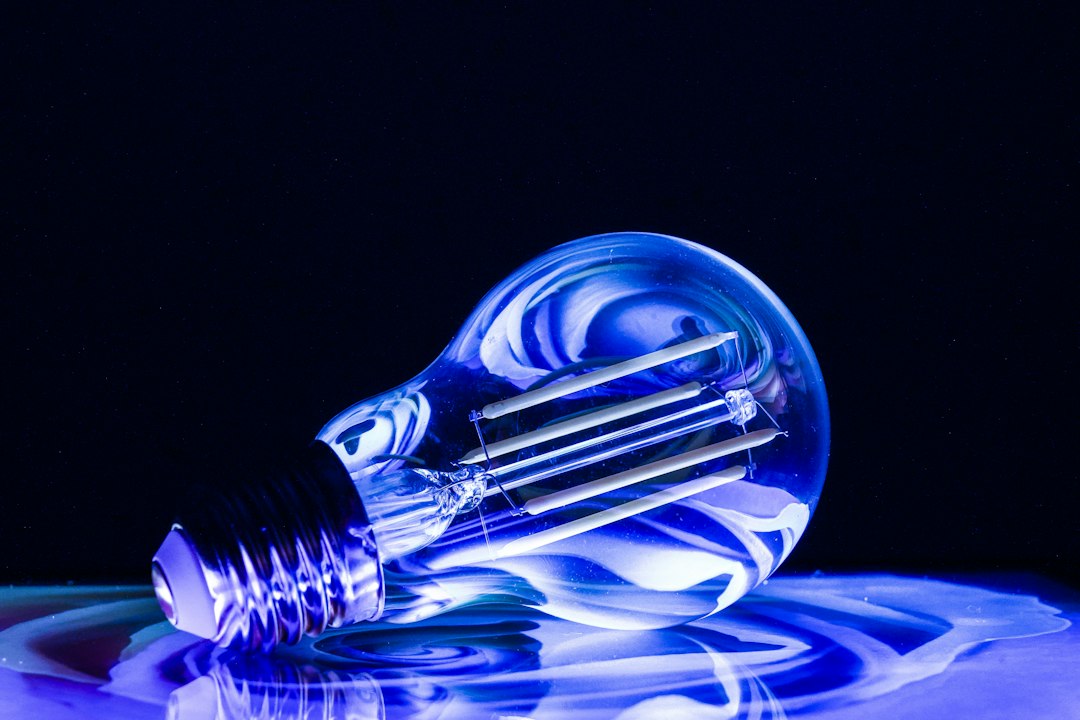
Okay, so you’ve probably heard about “blue light” from LEDs and wondered if it’s actually a big deal for your eyes. The short answer is yes, it can be, especially with prolonged exposure from screens. But don’t panic; there are practical ways to manage it. This article is going to break down what that blue light actually is, where it comes from, and what you can realistically do to protect your vision.
What Exactly is Blue Light and Why Does it Matter?
You might think of light as just… light. But it’s actually a spectrum of colors, each with its own wavelength and energy. Think of a rainbow – that’s visible light. Blue light is at the shorter wavelength, higher energy end of that spectrum, right next to violet. UV light is even shorter and more energetic, but we’re focusing on the blue part here.
The Energy of Blue Light
Because blue light has shorter wavelengths, it scatters more easily than other visible light. This scattering is why the sky appears blue. But when it comes to our eyes, that higher energy can be a concern. Over time, and especially in concentrated doses, this energy can potentially affect the cells in our retinas. It’s not about immediate burning or damage, but more about cumulative effects.
Where is Blue Light Hiding?
The big culprits these days are digital screens: smartphones, tablets, computers, and even many modern TVs. LED (Light Emitting Diode) technology is used in these devices because it’s efficient and bright, but it also emits a significant amount of blue light. Older technologies like incandescent bulbs emitted less blue light, but they were far less energy-efficient. Even some energy-efficient fluorescent lights can be a source, though usually to a lesser extent than screens.
In recent discussions about the impact of LED technology on our health, the phenomenon of blue light escape from LED chips has garnered significant attention. A related article that delves deeper into this topic can be found on Freaky Science, which explores the implications of blue light exposure on sleep patterns and overall well-being. For more insights, you can read the article here: Freaky Science.
Understanding the Sources of Blue Light Exposure
When we talk about “LED chip blue light,” we’re primarily referring to the light emitted by the LEDs that make up the backlights of our digital displays. These aren’t just little individual chips you see on a circuit board; they’re integrated into the screens of our devices.
The Ubiquity of LED Screens
Think about your day. How much time do you spend looking at a phone, a laptop, or a tablet? For many of us, it’s hours and hours. These devices are designed to be bright and engaging, and that brightness often comes with a strong blue light component. This constant exposure, particularly in the evening hours, is where the concern really kicks in.
Beyond Digital Devices
It’s not just screens, though. While LED screens are the most concentrated source for most people, other light sources contribute. Streetlights, for instance, often use LEDs now. Even some modern home lighting fixtures are using LED technology. While the intensity from these ambient sources is generally lower than from a close-up screen, they contribute to the overall blue light load we experience throughout the day.
Potential Impacts of Blue Light on Our Eyes
So, what’s the actual harm? It’s not like looking at a bright light will instantly blind you. The concerns are more nuanced and relate to both our visual comfort and potentially long-term eye health.
Digital Eye Strain: The Immediate Annoyance
This is the most common complaint. When we stare at screens for extended periods, our eyes can become fatigued. Symptoms include dry eyes, blurred vision, headaches, and even neck and shoulder pain. While not solely caused by blue light, the intensity and constant focus required for screens, combined with blue light’s properties, can exacerbate these issues. Your eyes have to work harder to focus on blue light, which can lead to that tired feeling.
Sleep Disruption: The Circadian Rhythm Connection
This is a big one. Our bodies have an internal clock, called the circadian rhythm, that tells us when to sleep and when to wake up. Melatonin, a hormone that promotes sleep, is naturally produced when it gets dark. Blue light, especially in the evening, can trick your brain into thinking it’s still daytime. This suppresses melatonin production, making it harder to fall asleep and potentially disrupting your sleep quality. Poor sleep has a cascade of negative health effects.
Long-Term Concerns: The Research Landscape
This is where things get a bit more speculative, but still important to acknowledge. Some research suggests that prolonged, intense exposure to blue light could, over many years, contribute to retinal damage. The idea is that the high-energy photons could potentially damage light-sensitive cells in the retina. However, it’s crucial to note that most of this research is done in labs with animal models or at much higher intensities than we typically experience. The consensus from ophthalmologists is that the evidence for permanent retinal damage from typical screen use is not yet conclusive. Still, being proactive is wise.
Practical Strategies for Reducing Blue Light Exposure
Okay, the good news is you don’t have to go live in a cave. There are plenty of sensible, practical things you can do to dial down your blue light exposure and protect your eyes.
Adjusting Your Device Settings
This is probably the easiest and most immediate fix.
Night Mode and Blue Light Filters
Most smartphones, tablets, and computers have built-in features that shift the screen’s color temperature towards warmer tones in the evening. On iOS, it’s called “Night Shift.” On Android, it’s often “Night Light” or “Eye Comfort Shield.” Windows and macOS have “Night Light” or “Night Shift” as well. These features automatically reduce the amount of blue light emitted after sunset. You can usually set them to an automatic schedule or turn them on manually. Play around with the intensity – find a setting that feels comfortable without making the screen look too orange.
Lowering Screen Brightness
This might seem obvious, but we often have our screens set to maximum brightness out of habit. Lowering the brightness, especially in dimmer environments, reduces the overall light intensity, including the blue light component. Your eyes will thank you for not having to work against an overly bright screen.
Physical Barriers and Eyewear
Sometimes, software isn’t enough, or you want an extra layer of protection.
Blue Light Blocking Glasses
These are readily available and can be quite effective. They have lenses specifically designed to filter out a percentage of blue light. You can find them in various styles, from clear lenses to slightly tinted ones. Some people find that wearing them, especially in the evening or during long work sessions, significantly reduces eye strain and helps them sleep better. It’s worth trying a pair to see if they make a difference for you.
Screen Protectors
While not as potent as dedicated glasses, some screen protectors are advertised as having blue light filtering properties. They offer a more subtle reduction compared to glasses, but for general daily use, they can contribute to reducing overall exposure.
Modifying Your Environment and Habits
It’s not just about the devices themselves; it’s about how and when you use them.
The 20-20-20 Rule
This is a classic for a reason. Every 20 minutes, look at something 20 feet away for at least 20 seconds. This simple exercise gives your eye muscles a break and helps reduce strain. It’s a fantastic habit to build, regardless of blue light concerns, but it’s especially helpful when you’re engrossed in a screen.
Limiting Evening Screen Time
This is perhaps the most impactful behavioral change you can make. Try to wind down without screens for at least an hour, ideally two, before bedtime. Read a physical book, listen to a podcast, or talk to someone. If you absolutely must use a screen, make sure those night mode settings are on high and the brightness is low.
Regular Eye Exams
While not directly about reducing blue light, keeping up with regular eye check-ups is crucial for overall eye health. Your optometrist can identify any issues early on and provide personalized advice based on your individual needs. They can also tell you if your eyes show any signs of strain or fatigue.
Recent studies have highlighted the importance of managing blue light emissions from LED chips, as excessive exposure can lead to various health issues. For a deeper understanding of this topic, you can explore an insightful article that discusses the implications of blue light on our well-being. This article provides valuable information on how to mitigate the effects of blue light and improve your overall health. To read more about this, visit this article for further insights.
Looking Ahead: The Evolving Landscape of Light and Vision
| Metric | Description | Typical Value | Unit |
|---|---|---|---|
| Blue Light Peak Wavelength | Wavelength at which blue light emission peaks from the LED chip | 450 | nm |
| Blue Light Intensity | Intensity of blue light emitted from the LED chip | 15 – 30 | mW/cm² |
| Blue Light Escape Angle | Angle at which blue light escapes from the LED chip surface | 120 | degrees |
| Blue Light Radiant Flux | Total power of blue light emitted by the LED chip | 5 – 20 | mW |
| Blue Light Hazard Ratio | Ratio indicating potential eye hazard from blue light exposure | 0.1 – 0.3 | unitless |
| Blue Light Emission Efficiency | Efficiency of converting electrical power to blue light | 30 – 50 | lm/W |
As technology continues to advance, so does our understanding of its effects on our bodies. The discussion around blue light is a good example of this evolving knowledge.
Future Technologies and Innovations
Manufacturers are becoming more aware of the concerns surrounding blue light. We’re seeing screens with more sophisticated color management and potentially lower blue light emissions built-in. Research is also ongoing into new types of lighting and display technologies that might be inherently gentler on the eyes. It’s a space to watch, as we’ll likely see more user-friendly solutions emerge.
The Importance of Balance and Awareness
Ultimately, it’s about finding a balance. LED technology offers immense benefits in terms of energy efficiency and functionality. Completely avoiding it is unrealistic for most people in the modern world. The key is to be aware of the potential downsides and to implement practical strategies to mitigate them. It’s not about alarmism, but about informed choices and good habits. By understanding what blue light is, where it comes from, and how it can affect you, you can take control and protect your vision for the long haul.
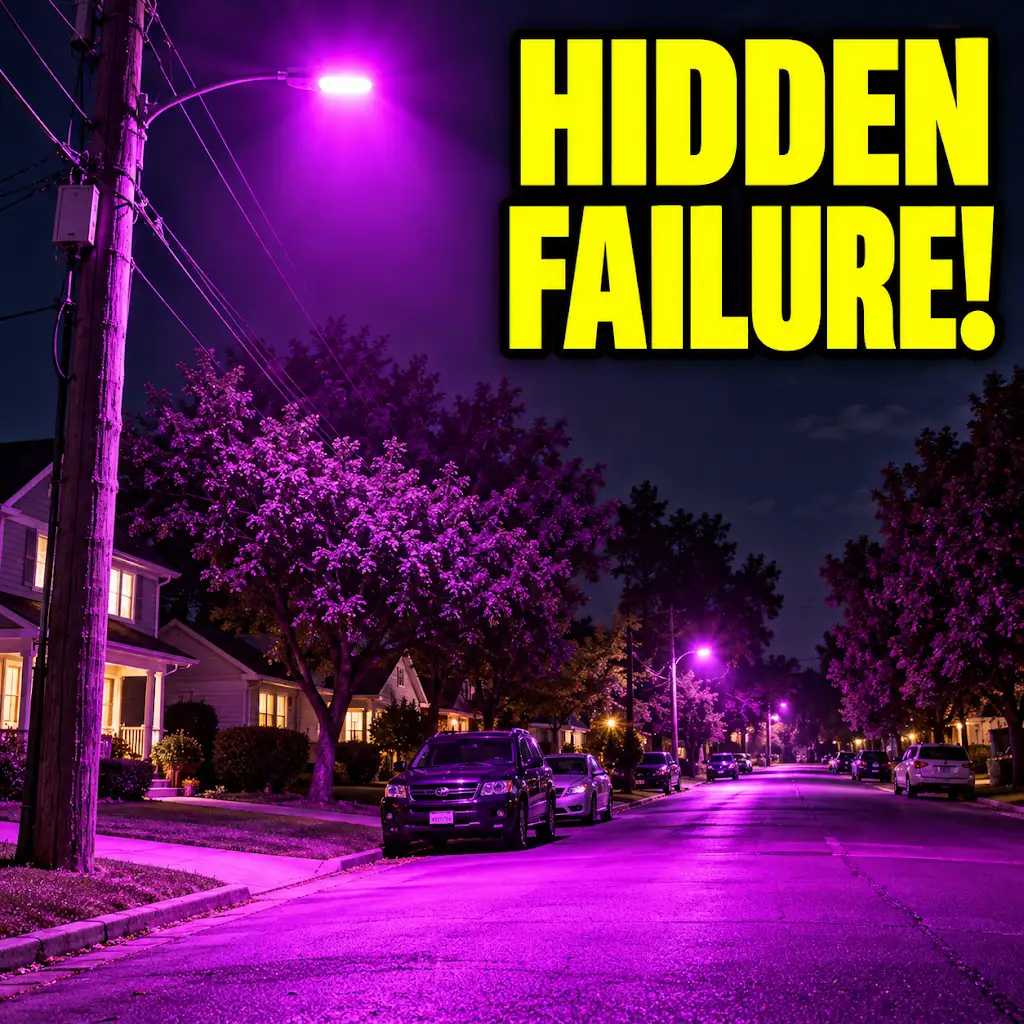
Why The Streetlights Are Turning Purple
FAQs
What is blue light escape in LED chip technology?
Blue light escape in LED chip technology refers to the phenomenon where a portion of the blue light produced by the LED chip does not get emitted through the intended output surface, leading to reduced efficiency and potential issues with color accuracy.
How does blue light escape affect the performance of LED lighting products?
Blue light escape can impact the performance of LED lighting products by reducing their overall efficiency, affecting color rendering capabilities, and potentially causing uneven lighting distribution.
What are some common causes of blue light escape in LED chips?
Common causes of blue light escape in LED chips include poor design of the chip structure, inadequate materials used in the manufacturing process, and inefficient packaging techniques that do not effectively capture and direct the emitted light.
How can manufacturers minimize blue light escape in LED chip technology?
Manufacturers can minimize blue light escape in LED chip technology by improving the design of the chip structure, using high-quality materials that enhance light extraction efficiency, and implementing advanced packaging methods that optimize light output.
Are there any potential health concerns associated with blue light escape from LED chips?
While blue light itself has been linked to potential health concerns such as eye strain and disrupted sleep patterns, the specific impact of blue light escape from LED chips on human health is still being studied and understood. It is important for manufacturers to address this issue to ensure the safety and well-being of consumers.