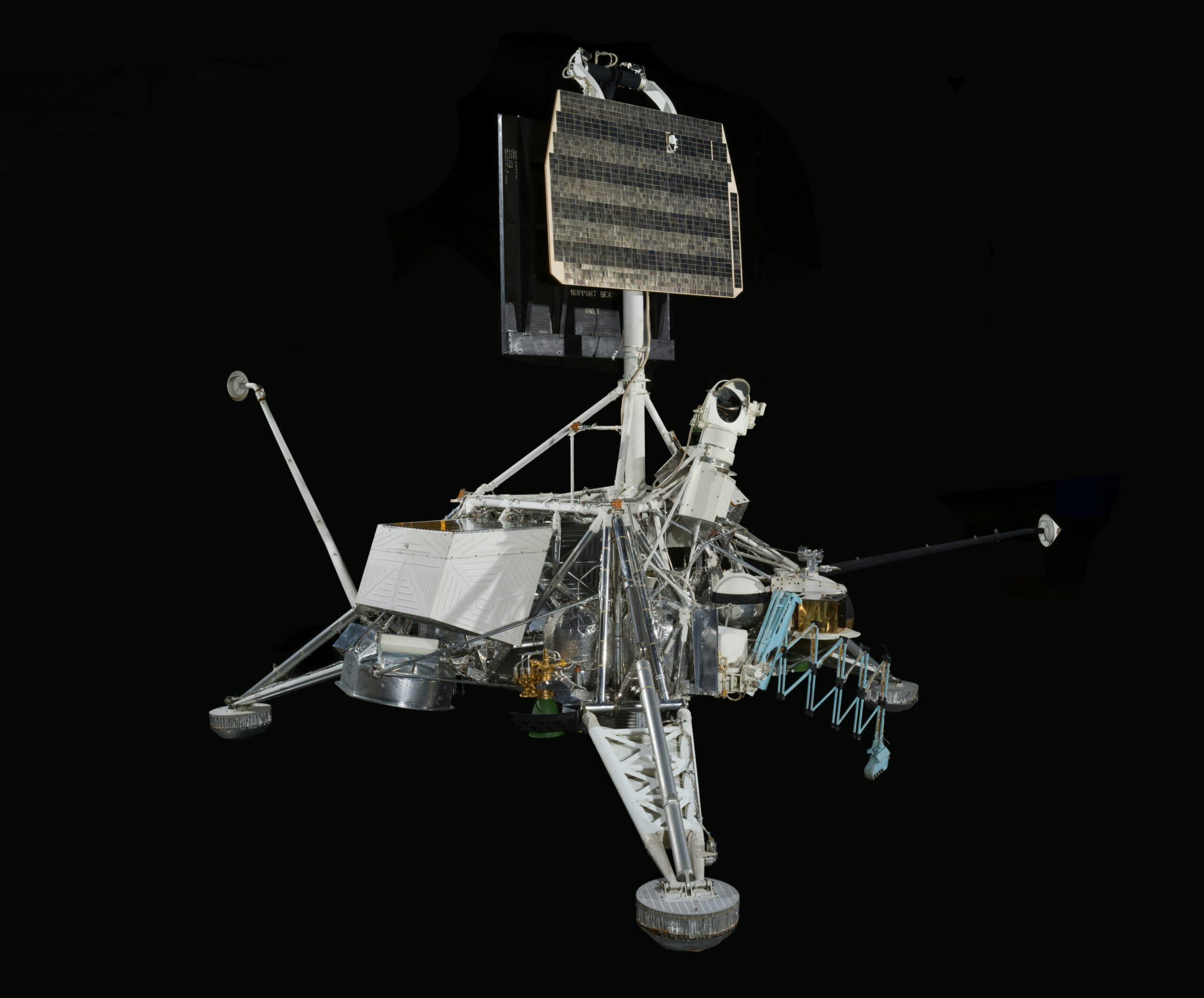
The spacecraft, a marvel of engineering, drifted through the inky blackness of the outer solar system. Its destination: Enceladus, Saturn’s enigmatic moon, a world of ice and water that held tantalizing secrets. For decades, scientists had speculated about the possibility of life beyond Earth, and Enceladus, with its subsurface ocean and geyser-like plumes, had emerged as a prime candidate. But reaching this distant, frozen orb presented a formidable array of challenges, each demanding innovative solutions and unwavering perseverance.
The Perilous Journey Through Saturn’s Rings
Enceladus orbits within Saturn’s magnificent ring system, a swirling disk of ice and rock that poses a significant navigational hazard. The journey to the moon required a delicate ballet of orbital maneuvers, threading the spacecraft through a celestial obstacle course. The sheer density of some ring regions meant that even microscopic particles, traveling at incredible speeds, could inflict catastrophic damage on sensitive equipment.
Navigational Dexterity in a Cosmic Minefield
The mission planners had to account for the constant gravitational tugs and subtle shifts within the rings. Sophisticated trajectory calculations were paramount, utilizing precise measurements of Saturn’s gravitational field and the orbital mechanics of the ring particles. The spacecraft’s thrusters, capable of minute adjustments, were used to steer it along pre-determined paths, constantly correcting for deviations. The risk of collision was ever-present, and mission control spent countless hours monitoring telemetry, ready to enact evasive maneuvers if necessary. The spacecraft’s hull was reinforced with specialized shielding, but it was the meticulous planning and execution of its route that truly safeguarded it. The visual data transmitted back from the Cassini mission, which had previously explored Saturn and its moons, provided invaluable insights into the ring’s structure and density, informing the flight path of this new endeavor. Each transit through a more densely populated area was a testament to the precision of the navigation team, who held their breath until the spacecraft emerged on the other side, its delicate instruments intact.
Surviving the Ice Particle Barrage
Even with careful navigation, the spacecraft could not entirely avoid encounters with ring particles. The sheer velocity of these icy fragments meant that impacts, even minor ones, could potentially disable critical systems. Engineers had to design robust shielding that could absorb the energy of these impacts without compromising the spacecraft’s integrity. This involved layering advanced composite materials, each chosen for its specific properties of strength and energy dissipation. Furthermore, the spacecraft was equipped with sensors designed to detect incoming particles, allowing for early warnings and, in extreme cases, minor course corrections to minimize exposure. The visual appearance of the rings, often depicted as pristine and serene, belied the constant barrage of hypervelocity ice that could turn a scientific mission into space debris. The spacecraft’s exterior, a mosaic of specialized panels, bore the faint scars of its passage, silent witnesses to the immense forces it had overcome.
Landing on Enceladus presents numerous challenges due to its icy surface and the potential for subsurface oceans, which could harbor life. For a deeper understanding of the complexities involved in such a mission, you can explore a related article that discusses the technological and scientific hurdles that need to be overcome. To read more about these challenges, visit this article.
The Enigmatic Nature of Enceladus Itself
Once within the Saturnian system, Enceladus presented its own unique set of challenges. Its surface, a dazzling expanse of ice, was geologically active, spewing water vapor and ice particles into space from its south polar region. Understanding and interacting with these plumes, while simultaneously trying to land on the icy surface, required a nuanced approach.
The Dancing Geysers: A Double-Edged Sword
The plumes, while scientifically fascinating and the primary reason for the mission, also posed a significant landing hazard. The fine ice particles ejected at high speeds could accumulate on solar panels, reducing power generation, and could potentially interfere with scientific instruments. The landing site had to be chosen carefully, far enough from the most active geyser regions to avoid direct impact but close enough to allow for sampling of the ejected material. The spacecraft’s design incorporated self-cleaning mechanisms for its solar arrays, and specialized filters were integrated into its intake systems to protect its sensitive scientific equipment from the icy particles. The sheer beauty of the plumes, often captured in breathtaking images, masked the engineering ingenuity required to work around them. The mission’s success hinged on its ability to harness the scientific bounty of these geysers without being overwhelmed by their power.
The Icy Terrain: A Treacherous Landing Pad
Enceladus’s surface is not a smooth, welcoming expanse. It is a complex mosaic of fractured ice, fractured by tectonic activity and subjected to micrometeoroid impacts over eons. Landing a spacecraft on such a terrain required an advanced landing system capable of adapting to uneven surfaces and avoiding potential pitfalls like deep crevasses or unstable ice formations. The landing legs were equipped with sophisticated sensors to detect variations in the ground, allowing the system to adjust its position in real-time to ensure a stable touchdown. The initial descent was guided by high-resolution imagery and radar mapping, revealing the intricate details of the landing zone. The final moments before touchdown were a nail-biting exercise in precision, as the automated landing system navigated the last few meters, seeking the safest possible spot on this alien, frozen world. The scars of Enceladus’s violent past were etched into its surface, and the landing gear of the spacecraft had to be robust enough to withstand the unknown stresses of this primordial landscape.
Extreme Temperatures and Harsh Radiation
The journey to and operations on Enceladus subjected the spacecraft and its instruments to extreme temperature variations and high levels of radiation, necessitating specialized engineering solutions.
Surviving the Cold of the Outer Solar System
The vast distances from the Sun mean that temperatures on Enceladus are incredibly low, often dropping below -200 degrees Celsius. Delicate electronic components and sensitive scientific instruments can easily freeze and cease to function in such conditions. The spacecraft was equipped with an advanced thermal management system, utilizing a combination of insulation, heaters, and cryogenic cooling to maintain optimal operating temperatures for its various systems. This involved intricate design of the spacecraft’s shell, employing multi-layer insulation and strategically placed heaters to prevent critical components from freezing. The power required for this thermal regulation was substantial, adding another layer of complexity to the mission’s energy budget. The spacecraft was essentially a self-contained, climate-controlled laboratory, designed to endure the brutal cold and continue its scientific observations.
Shielding Against the Radiation Menace
Saturn is surrounded by intense radiation belts, far more powerful than Earth’s Van Allen belts. These energetic particles can degrade electronic components, corrupt data, and ultimately disable the spacecraft. Extensive shielding was incorporated into the spacecraft’s design, protecting its most sensitive electronics from the damaging effects of this cosmic radiation. This shielding involved strategic placement of dense materials, like tantalum and aluminum, around critical systems. Furthermore, the mission employed radiation-hardened components, specifically designed to withstand the rigors of the space environment. Regular data integrity checks were also a crucial part of the operational protocol, ensuring that any radiation-induced errors were detected and corrected before they could compromise the mission’s objectives. The silent, invisible threat of radiation demanded a proactive and robust defense, woven into the very fabric of the spacecraft.
Communication Delays and Data Transmission
The immense distance between Enceladus and Earth creates significant communication delays, making real-time control impossible and requiring a highly autonomous spacecraft.
The Light-Speed Lag: A Communication Hurdle
Signals traveling from Enceladus to Earth take over an hour to arrive, and vice versa. This means that the spacecraft must be capable of operating largely independently, making critical decisions without immediate human input. Mission control had to pre-program complex sequences of commands, anticipating potential scenarios and ensuring the spacecraft had the intelligence to adapt. The spacecraft’s onboard computers were equipped with advanced artificial intelligence algorithms, enabling them to process data, identify anomalies, and execute corrective actions autonomously. This level of autonomy was a significant engineering feat, transforming the spacecraft from a remote-controlled probe into a sophisticated, self-sufficient explorer. The vast cosmic distances, while awe-inspiring, also imposed a fundamental constraint on human interaction with the distant world.
Transmitting Data Across the Void
Even with sophisticated onboard processing, vast amounts of scientific data are collected, and transmitting this information back to Earth requires a robust and efficient communication system. The spacecraft’s high-gain antenna was designed to maximize signal strength over the immense distances involved. However, even with this powerful antenna, the data transmission rates were relatively slow. This necessitated careful prioritization of data, sending the most crucial scientific findings first and storing less time-sensitive information for later transmission. The sheer volume of data collected from Enceladus, from detailed imagery of its surface to the chemical composition of its plumes, represented a treasure trove of scientific knowledge, but getting it back across the solar system was an ongoing challenge. The long wait for data to arrive on Earth was filled with anticipation, as scientists eagerly awaited the next installment of revelations from this distant, icy world.
Landing on Enceladus presents numerous challenges due to its icy surface and the potential for subsurface oceans. Researchers are exploring innovative technologies to overcome these obstacles, as highlighted in a related article on space exploration. For more insights into the complexities of landing on celestial bodies, you can read about it in this fascinating article that delves into the various missions and strategies being considered for future endeavors.
The Scientific Imperative: Seeking Signs of Life
| Challenge | Description | Impact on Mission | Mitigation Strategies |
|---|---|---|---|
| Extreme Cold Temperatures | Surface temperatures average around -198°C (-324°F) | Risk of equipment malfunction and battery failure | Use of specialized thermal insulation and heating systems |
| Surface Composition | Primarily water ice with possible soft or uneven terrain | Landing stability and mobility challenges | Design of landing gear to handle icy and uneven surfaces |
| Low Gravity | Gravity is about 1.1% of Earth’s gravity | Difficulty in anchoring lander and controlling movements | Use of anchoring mechanisms and thrusters for stability |
| Radiation Environment | Exposure to Saturn’s magnetosphere radiation | Potential damage to electronics and instruments | Radiation-hardened components and shielding |
| Communication Delay | Signal delay of approximately 1.3 to 1.5 hours one-way | Real-time control impossible, requiring autonomy | Autonomous navigation and decision-making systems |
| Plume Activity | Active water vapor plumes erupting from surface fractures | Potential hazard to lander and instruments | Careful site selection and plume monitoring |
Despite the myriad challenges, the ultimate goal of landing on Enceladus was driven by a profound scientific imperative: the search for evidence of past or present life. The presence of a subsurface ocean, liquid water, and organic molecules within the plumes made Enceladus a compelling target in the quest to answer the age-old question of whether we are alone in the universe.
Unlocking the Secrets of the Subsurface Ocean
The plumes of Enceladus are believed to originate from a vast ocean of liquid water beneath its icy shell. By sampling these plumes, scientists could analyze their chemical composition for the building blocks of life, such as amino acids and other organic compounds. The spacecraft was equipped with an array of sophisticated instruments, including mass spectrometers and gas chromatographs, designed to identify and quantify these molecules. The hope was that these analyses would reveal a complex organic chemistry, hinting at the potential for life to have arisen or to still exist in the moon’s hidden ocean. The very act of drilling into the ice, or even just sampling the ejected material, was a monumental undertaking, fraught with the risk of contamination and the need for extreme precision.
Searching for Biosignatures
Beyond simply detecting organic molecules, the mission aimed to identify specific “biosignatures” – indicators that could only be explained by biological processes. This could include the presence of complex molecular structures, specific isotopic ratios, or patterns in the chemical composition that are characteristic of life as we know it. The instruments onboard the spacecraft were designed to detect these subtle clues, pushing the boundaries of astrobiological detection. The scientific community had developed sophisticated models for identifying potential biosignatures, and the data from Enceladus would be rigorously analyzed against these frameworks. The landing on Enceladus was not just a triumph of engineering; it represented a bold leap in humanity’s quest to understand its place in the cosmos, a journey towards answering the most fundamental questions about existence itself. The challenges were immense, but the potential rewards – the discovery of life beyond Earth – made every obstacle worth overcoming.

Water Boiled While Ice Formed. Could a Lander Sink Into It?
FAQs
1. Can spacecraft land on Enceladus?
As of now, no spacecraft has successfully landed on Enceladus, one of Saturn’s moons. The challenging conditions on the moon’s surface, such as icy terrain and active geysers, make landing difficult.
2. What are the main challenges of landing on Enceladus?
The main challenges of landing on Enceladus include navigating through its thick icy crust, avoiding potential geysers that could damage the spacecraft, and ensuring a safe touchdown on the uneven surface of the moon.
3. Why is landing on Enceladus important for scientific exploration?
Landing on Enceladus is important for scientific exploration because the moon is believed to have a subsurface ocean that could potentially harbor life. By studying the surface and collecting samples, scientists hope to uncover more about the moon’s potential habitability.
4. What missions have been proposed to land on Enceladus?
Several missions have been proposed to land on Enceladus, including concepts by NASA and other space agencies. These missions aim to study the moon’s surface, geysers, and potential for life in more detail.
5. How would landing on Enceladus benefit our understanding of the solar system?
Landing on Enceladus would benefit our understanding of the solar system by providing insights into the moon’s unique geology, potential for life, and the processes that shape icy moons in our outer solar system. This information could help scientists better understand the origins and evolution of our solar system.