Understanding the Fundamentals of Laminated Glass
Before you can truly appreciate the meticulous process of creating laminated glass, it’s essential to grasp what it is and why it’s such a valuable material. You’re likely familiar with its most common application: car windshields. But laminated glass is far more versatile, finding its way into architectural features, safety glazing, and even artistic installations. At its core, laminated glass is not a single pane of glass, but rather a composite material. It consists of two or more layers of glass bonded together by an interlayer. This interlayer is typically made of polyvinyl butyral (PVB), though other materials like ionoplast or ethylene-vinyl acetate (EVA) can also be used. The magic of lamination lies in this interlayer’s properties. When the glass is broken, instead of shattering into sharp, dangerous shards, the interlayer holds the fragments together, preventing them from scattering. This inherent safety feature is the primary driver for its widespread use. You might also be surprised to learn about its acoustic and UV-filtering capabilities. The interlayer can dampen sound vibrations, making laminated glass an excellent choice for noise reduction in buildings and vehicles. Furthermore, PVB interlayers are highly effective at blocking ultraviolet (UV) radiation, protecting interiors from fading and degradation caused by sun exposure. The thickness of the glass panes, the type and thickness of the interlayer, and the number of layers all contribute to the final properties of the laminated glass, allowing for a tailored solution for various applications. Your journey into understanding laminated glass manufacturing begins with this foundational knowledge – a recognition of its structure, its purpose, and the inherent advantages it offers over traditional monolithic glass.
The Raw Materials and Their Significance
You can’t build anything without the right materials, and laminated glass is no exception. The primary components you’ll encounter are, predictably, glass and the interlayer. The glass itself is typically float glass, a type of glass produced by floating molten glass on a bed of molten tin. This process results in exceptionally flat and smooth surfaces, which are crucial for achieving a strong and uniform bond with the interlayer. You might encounter different types of glass used, such as annealed glass (the most basic form), heat-strengthened glass, or fully tempered glass. The choice of glass depends heavily on the desired strength, safety, and performance characteristics of the final laminated product. For instance, if you need enhanced impact resistance, you might choose tempered glass as one or both of the outer layers. The interlayer, as mentioned, is most commonly PVB. Its selection is critical. PVB is chosen for its excellent adhesion to glass, its elasticity, its transparency, and its ability to absorb impact energy. The thickness of the PVB layer is carefully controlled, as it directly influences the safety performance of the laminated glass. Thicker interlayers generally offer greater impact resistance and better sound insulation. The clarity of the PVB is also important; for applications where visual distortion is unacceptable, high-clarity PVB is used. Beyond the primary components, you’ll also find ancillary materials. These might include cleaning agents for ensuring pristine glass surfaces, edge sealants to prevent moisture ingress, and specialized handling equipment to maintain the integrity of the materials throughout the process. Every element, from the quality of the glass to the purity of the interlayer, plays a vital role in the successful manufacture of high-performance laminated glass.
The Importance of Surface Preparation
Before any bonding can even be considered, the surfaces of the glass must be impeccably clean. You wouldn’t paint a dirty wall, and similarly, you can’t expect good adhesion if the glass surfaces are contaminated. This stage is absolutely critical to the long-term performance and durability of the laminated glass. Any dust, grease, fingerprints, or chemical residues will act as barriers, preventing the interlayer from forming a strong and homogenous bond with the glass. This can lead to delamination, visible defects, and a compromised safety performance of the final product. Therefore, you’ll observe rigorous cleaning protocols in any reputable laminated glass manufacturing facility.
Techniques for Achieving a Pristine Surface
The cleaning process itself involves a multi-step approach to ensure complete removal of contaminants. You’ll typically see a sequence of washing, rinsing, and drying. Washing might involve specialized detergents or alkaline cleaning solutions, often applied using high-pressure spray systems or automated washing machines designed specifically for glass. The goal here is to lift and emulsify any organic or inorganic residues. Following the wash, thorough rinsing is paramount. This is usually done with de-ionized water, which is water that has had all its mineral ions removed. Using de-ionized water prevents the deposition of new mineral residues onto the glass surface as it dries, which could otherwise cause spotting or streaking. The final and equally crucial step is drying. This is often achieved using a combination of hot air blowers and air knives, which use a high-velocity stream of air to literally “wipe” the water away from the surface. Some advanced systems may also incorporate lint-free cloths or brushes for a final polish, ensuring absolutely no residue remains. The entire process is usually automated to maintain consistency and minimize human handling, which can reintroduce contaminants. The air quality in the washing and drying areas is also carefully controlled to prevent airborne particles from settling on the freshly cleaned glass. Your attention to detail at this preparatory stage directly translates to the quality and longevity of the laminated glass you produce.
The laminated glass manufacturing process is a fascinating topic that combines advanced technology with safety and design considerations. For those interested in exploring this subject further, you can read a related article that delves into the intricacies of how laminated glass is produced and its various applications. Check it out here: Laminated Glass Manufacturing Process. This resource provides valuable insights into the materials used, the techniques involved, and the benefits of laminated glass in modern architecture.
The Assembly and Interlayer Application Process
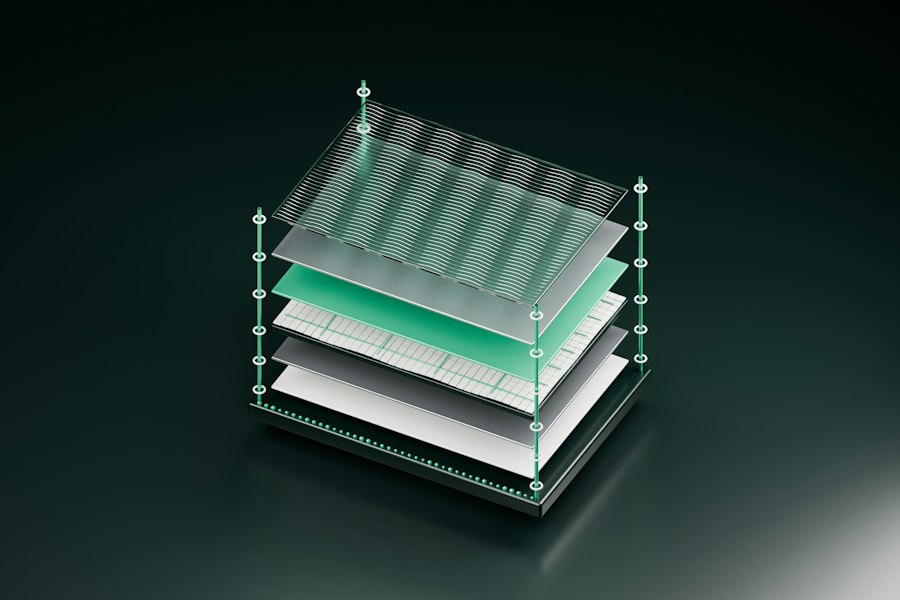
Once you’ve meticulously prepared the glass surfaces, the next critical phase is bringing the glass and the interlayer together. This is where the sandwich structure of laminated glass begins to take shape. You’ll see that the assembly process is designed to ensure precise alignment and uniform contact between the glass and the PVB. This is not a haphazard undertaking; it requires careful planning and specialized equipment to achieve the desired outcome. The accuracy of this stage directly impacts the visual clarity and structural integrity of the final product.
Preparing the Interlayer for Bonding
Before you can place the interlayer onto the glass, it needs to be prepared. PVB interlayers are typically supplied in rolls. You’ll see that these rolls are carefully unwound and cut to the exact dimensions required for the specific glass lites you’re working with. This cutting process is often done using automated cutting machines that can achieve high precision, ensuring that the interlayer perfectly matches the shape and size of the glass. You might also observe that the interlayer is handled with extreme care to avoid any creases, folds, or contamination. Its surface must remain pristine. In some advanced setups, a process called “pre-heating” or “conditioning” of the PVB might occur. This involves gently warming the interlayer to a specific temperature. This step can help to improve its tackiness and its ability to conform to the glass surface, which aids in the subsequent bonding process. You’ll also note that the temperature and humidity of the environment where the interlayer is handled and cut are often carefully controlled. These environmental factors can influence the properties of the PVB and are critical for maintaining its workability and preventing moisture absorption.
Creating the Glass-Interlayer Stack
With the interlayer prepared, you move on to assembling the stack. This typically involves placing one pane of glass onto a clean, flat surface, followed by the precisely cut PVB interlayer, and then the second pane of glass on top. The order is important, and the alignment must be exact. You’ll see that specialized jigs or guides are often used to ensure that the edges of the glass and the interlayer are perfectly flush. This precise alignment is crucial for a clean, aesthetically pleasing finished product and for ensuring that the interlayer provides complete coverage, preventing any potential weak points. In automated lines, this stacking process is often performed by robotic arms or conveyor systems that precisely position each component. The goal is to create a stable, cohesive unit that is ready for the next stage of the manufacturing process – the bonding. You might also observe that the glass panes are often oriented in a specific way, especially if they have undergone any surface treatments or if they have a specific intended orientation in the final application. The careful handling and precise placement at this stage lay the foundation for a strong and durable bond.
Applying Pressure for Initial Adhesion
Once the stack is assembled, the next step is to apply initial pressure. This is often referred to as “pre-pressing” or “nip rolling.” You’ll see that the assembled glass-interlayer unit is passed through a series of rollers. These rollers are designed to apply controlled pressure across the entire surface of the glass. The primary purpose of this step is to remove any trapped air between the glass and the interlayer and to establish initial intimate contact. This initial contact is crucial for initiating the bonding process. You might observe that the rollers are often made of a soft, yielding material, such as rubber, to conform to any slight imperfections in the glass surface and to avoid damaging the glass. The pressure applied is carefully calibrated, and the speed at which the unit passes through the rollers is also controlled to ensure uniform pressing. In some systems, the rollers may also be heated to a moderate temperature, which can further enhance the initial tackiness of the PVB and facilitate air removal. This pre-pressing step is a vital precursor to the main bonding process, as it significantly improves the efficiency and effectiveness of the subsequent heating and autoclaving stages. Your understanding of this pressure application highlights the importance of mechanical forces in initiating the adhesion before thermal processes are introduced.
The Thermal Bonding and Autoclaving Stages
You’ve assembled your glass-interlayer sandwich, and now it’s time to make that bond permanent and robust. This is where heat and pressure work in tandem to transform the loosely assembled unit into a strong, unified piece of laminated glass. These stages are arguably the most critical for ensuring the integrity and safety performance of the final product. You’ll notice that these processes are highly controlled, with precise parameters for temperature, pressure, and time.
The Role of the Autoclave
The autoclave is the heart of the thermal bonding process for laminated glass. You can think of it as a high-pressure oven. Before the glass enters the autoclave, it might undergo a preliminary heating process in a pre-heating oven. This gentle heating helps to soften the PVB interlayer, making it more pliable and ready to bond. Once in the autoclave, the magic truly happens. You’ll observe that the autoclave is sealed, and then a specific sequence of high temperature and pressure is applied. This isn’t just random heating and squeezing; it’s a carefully programmed cycle. The temperature is elevated to a point where the PVB flows and becomes highly adhesive, while the pressure forces the softened PVB into any microscopic irregularities on the glass surface, ensuring complete contact and expelling any remaining air bubbles. You’ll see that the pressure is significantly higher than what can be achieved with simple rollers, and it’s applied uniformly over the entire surface of the glass. The duration of the cycle is also critical, allowing sufficient time for the PVB to fully cure and bond to the glass. The precise temperature and pressure profiles are proprietary to each manufacturer and are tailored to the specific type of PVB and glass being used. This controlled environment is what guarantees a strong, durable, and optically clear bond. Your appreciation for the autoclave’s function is key to understanding how the laminated glass achieves its remarkable properties.
The Bonding Mechanism Explained
You’ve seen the autoclave in action, but what’s actually happening at a molecular level? The PVB interlayer is a thermoplastic polymer. When heated to its softening point, its molecular chains become more mobile and can flow. The immense pressure within the autoclave forces these flowing polymer chains into intimate contact with the glass surfaces. This creates strong intermolecular forces, known as van der Waals forces and potentially hydrogen bonding, between the PVB and the hydroxyl groups on the surface of the glass. You’ll understand that this isn’t just a physical adhesion; it’s a chemical and physical fusion. The high pressure also plays a crucial role in squeezing out any residual air or moisture that might have been trapped between the layers. Air pockets or moisture can weaken the bond and lead to defects like delamination or haziness over time. As the autoclave cycle progresses and then cools down, the PVB polymer chains solidify, locking the glass panes together in a permanent bond. You’ll notice that the cooling process is also controlled to prevent thermal shock to the glass. This controlled thermal bonding process is what gives laminated glass its unique ability to hold together when broken, preventing dangerous shattering. The success of this stage is directly attributable to the precise control of temperature, pressure, and time, allowing you to create a product that is both strong and safe.
Post-Autoclave Processing and Quality Control
After emerging from the autoclave, you’re not quite finished. While the primary bond is formed, there are still important steps to ensure the quality and integrity of the final product. You’ll see that the laminated glass is typically allowed to cool completely. During this cooling phase, any residual stresses within the glass or the interlayer can be managed. Following cooling, a thorough visual inspection is performed. You’ll observe inspectors examining the edges and the entire surface of the glass for any defects. This includes looking for air bubbles, inclusions, delamination, scratches, or any other imperfections that might have occurred during the manufacturing process. Sophisticated automated optical inspection systems are also often employed, using cameras and specialized lighting to detect even the most subtle flaws that might be missed by the human eye. You might also witness destructive testing being performed on a sample basis. This involves deliberately breaking the laminated glass to assess its safety performance, ensuring that it fragments as intended and remains held together by the interlayer. Edge finishing might also be a part of this stage, where any sharp edges are softened or polished. The goal here is to ensure that the product not only meets the stringent safety standards but also presents a clean and professional appearance. Your understanding of these post-autoclave steps reinforces the idea that quality is paramount throughout the entire manufacturing journey.
Edge Sealing and Final Finishing
You’ve successfully bonded the layers of glass together, creating a robust laminated structure. However, to ensure the long-term performance and aesthetic appeal of your laminated glass, there are crucial finishing steps involving the edges. You’ll find that the edges are often a point of vulnerability if not properly treated. This stage is about sealing, protecting, and refining the product for its intended application.
The Necessity of Edge Sealing
You might wonder why the edges need special attention. While the bulk of the laminated glass is strong, the edges are where the interlayer is exposed. If left untreated, moisture, chemicals, or even air can ingress between the glass and the interlayer. This ingress can lead to delamination, cloudiness, and a significant reduction in the safety performance of the glass over time. You’ll understand that edge sealing is therefore a critical protective measure. It creates a barrier that prevents contaminants from compromising the integrity of the bond between the glass and the PVB. This is particularly important for laminated glass used in exterior applications or in environments where exposure to the elements is a concern. The type of edge seal used will often depend on the specific application and the desired aesthetic. You’ll see that the goal is to create a durable, invisible or aesthetically pleasing seal that maintains the performance of the laminated glass for its entire lifespan.
Methods for Edge Sealing and Finishing
The methods for sealing the edges can vary. One common approach is the application of a sealant, often a silicone-based or polyurethane-based product, around the perimeter of the laminated glass. You’ll observe that this is typically done using automated dispensing equipment that applies a precise bead of sealant. This ensures uniform coverage and a consistent finish. In some cases, a butyl tape or a similar adhesive material might be applied to the edges before the glass is laminated, providing an initial seal. For more demanding applications, or where a highly polished edge is desired, you might see mechanical edge finishing techniques employed. This could involve grinding and polishing the edges to create a smooth, beveled, or rounded profile. This not only enhances the appearance but can also improve the handling safety of the glass. You’ll also notice that the cleaned and sealed edges are then subjected to a final quality check. This might involve visual inspection to ensure the sealant is evenly applied and free of defects, or it might involve adhesion tests to confirm the sealant’s effectiveness. The choice of finishing technique is often dictated by the end-use of the laminated glass, whether it’s for architectural glazing, automotive windshields, or specialized safety applications. Your understanding of these edge treatments highlights the attention to detail required to produce a high-quality, durable product.
Final Inspection and Packaging
The laminated glass has undergone all its manufacturing processes, from the careful selection of raw materials to the meticulous edge finishing. Now, before it leaves the factory, it undergoes its final comprehensive inspection. You’ll see that this stage is crucial for ensuring that every piece of laminated glass meets the stringent quality and safety standards required by the industry and by the end-user. Inspectors will meticulously examine the glass for any surface defects, ensuring that the bonding is flawless and that the edges are properly sealed. You might observe the use of specialized lighting and magnification to detect even the slightest imperfections, such as scratches, air bubbles, or delamination. Beyond visual inspection, tests might be conducted to verify dimensional accuracy and optical clarity. Depending on the intended application, samples might also undergo further destructive testing to confirm the safety performance characteristics, such as impact resistance and shatter behavior. Once a piece of laminated glass has passed all these rigorous checks, it’s ready for packaging. You’ll see that the packaging is designed to protect the glass during transit and storage. This typically involves wrapping the glass in protective materials, such as foam or plastic sheeting, and then securing it within sturdy crates or frames. The type of packaging will often depend on the size and fragility of the glass, as well as the shipping method. Proper labeling is also essential, clearly identifying the product, its specifications, and any handling instructions. Your understanding of this final stage reinforces the commitment to quality and safety that underpins the entire laminated glass manufacturing process, ensuring that you receive a product that is not only visually appealing but also exceptionally safe and durable.
The manufacturing process of laminated glass involves several intricate steps that ensure its strength and safety, making it a popular choice in various applications. For a deeper understanding of the science behind this innovative material, you can explore a related article that delves into the properties and benefits of laminated glass. This resource provides valuable insights into how laminated glass is produced and its advantages over traditional glass options. To learn more, visit this informative article that highlights the fascinating aspects of laminated glass technology.
Innovations and Future Trends in Laminated Glass Manufacturing
| Process Step | Description | Typical Duration | Key Metrics | Quality Control Measures |
|---|---|---|---|---|
| Glass Cutting | Cutting raw glass sheets to required dimensions | 5-10 minutes per sheet | Cut accuracy ±1 mm, edge smoothness | Visual inspection, dimensional measurement |
| Cleaning | Removing dust, grease, and contaminants from glass surfaces | 3-5 minutes | Surface cleanliness level (ISO 14644-1 Class 7 or better) | Surface inspection, particle count tests |
| PVB Interlayer Preparation | Cutting and conditioning polyvinyl butyral (PVB) interlayer sheets | 2-4 minutes | Thickness uniformity ±0.05 mm | Thickness measurement, visual inspection |
| Lamination Assembly | Stacking glass and PVB layers in correct order | 10-15 minutes | Layer alignment accuracy ±1 mm | Alignment checks, manual inspection |
| Autoclave Processing | Applying heat and pressure to bond layers | 30-60 minutes | Temperature 135-150°C, Pressure 10-15 bar | Temperature and pressure monitoring, cycle validation |
| Cooling | Controlled cooling to room temperature to avoid stress | 20-30 minutes | Cooling rate 1-2°C/min | Temperature monitoring |
| Inspection & Testing | Checking laminated glass for defects and performance | 10-20 minutes | Defect rate | Visual inspection, adhesion tests, impact resistance tests |
| Cutting & Edge Finishing | Trimming laminated glass to final size and polishing edges | 10-15 minutes | Edge smoothness, dimensional accuracy ±1 mm | Edge inspection, dimensional checks |
| Packaging | Protecting finished laminated glass for shipment | 5-10 minutes | Packaging integrity, cushioning effectiveness | Visual inspection, packaging tests |
You’ve journeyed through the established steps of laminated glass production, but the world of manufacturing is constantly evolving. The pursuit of enhanced performance, greater sustainability, and more efficient processes drives continuous innovation in laminated glass technology. You’ll find that the industry is not static, and exciting developments are shaping the future of this versatile material.
Enhancing Safety and Security Features
One of the primary drivers for innovation is the constant demand for improved safety and security. You’ll see ongoing research and development focused on creating interlayers with even greater resistance to impact, penetration, and forced entry. This includes exploring new polymer formulations and composite interlayers that can offer superior ballistic protection or enhanced blast resistance, making laminated glass an even more critical component in high-security applications like government buildings and financial institutions. Furthermore, advancements in interlayer technology are leading to laminated glass that can offer self-healing properties, where minor scratches or impacts can repair themselves over time, extending the lifespan and maintaining the aesthetic appeal of the glass. You might also encounter developments in smart laminated glass, where integrated electronic components can change the transparency or color of the glass on demand, offering dynamic control over light and privacy. Your awareness of these innovations highlights the ongoing commitment to pushing the boundaries of what laminated glass can achieve in terms of protection and functionality.
Sustainability and Environmental Considerations
As global awareness of environmental impact grows, the laminated glass industry is also focusing on sustainability. You’ll observe a push towards developing interlayers made from recycled or bio-based materials, reducing the reliance on virgin petrochemicals. The energy efficiency of the manufacturing process itself is also a key area of focus, with manufacturers investing in more energy-efficient equipment and optimizing production cycles to minimize energy consumption and waste generation. You might also see research into interlayers that offer improved thermal insulation properties, contributing to more energy-efficient buildings by reducing the need for heating and cooling. The recyclability of laminated glass at the end of its life is another important consideration. While separating the glass from the interlayer can be challenging, efforts are underway to develop more effective recycling processes that can recover both materials for reuse. Your understanding of these sustainability efforts underscores the industry’s commitment to responsible manufacturing practices and a reduced environmental footprint for the future.
Advancements in Manufacturing Technology
The manufacturing processes themselves are also undergoing significant transformation. You’ll see the increasing adoption of automation and robotics, leading to higher precision, increased throughput, and improved worker safety. Advanced control systems and data analytics are being implemented to monitor and optimize every stage of production, ensuring consistent quality and minimizing defects. You might also encounter innovations in bonding technologies, such as the development of faster curing interlayers or alternative bonding methods that reduce the reliance on energy-intensive autoclaving. The use of artificial intelligence and machine learning is also beginning to play a role, enabling predictive maintenance of equipment and optimizing production parameters for maximum efficiency. Furthermore, you’ll find that advancements in material science are leading to new types of glass and interlayers with unique properties, opening up new application possibilities. Your appreciation for these technological advancements signifies that the laminated glass industry is embracing the future, striving for greater efficiency, higher quality, and the development of even more sophisticated and versatile products.

Your Car Window Can Keep You In—Even When You Need Out
FAQs
What is laminated glass?
Laminated glass is a type of safety glass that is made by sandwiching a layer of polyvinyl butyral (PVB) between two or more layers of glass. This process creates a strong bond that holds the glass together when shattered, reducing the risk of injury.
How is laminated glass manufactured?
The manufacturing process of laminated glass involves placing a layer of PVB between two or more sheets of glass. The assembly is then heated and pressed in an autoclave, which bonds the layers together under heat and pressure.
What are the benefits of using laminated glass?
Laminated glass offers several benefits, including improved safety and security due to its ability to hold together when broken, reduced UV transmission, sound insulation properties, and enhanced resistance to impact and forced entry.
Can laminated glass be customized?
Yes, laminated glass can be customized in terms of thickness, color, size, and shape to meet specific design requirements. It can also be combined with other types of glass, such as tempered or low-e glass, to achieve desired performance characteristics.
Where is laminated glass commonly used?
Laminated glass is commonly used in applications where safety and security are paramount, such as in automotive windshields, building facades, skylights, balconies, and hurricane-resistant windows. It is also used in museums and galleries to protect valuable artwork from UV radiation.