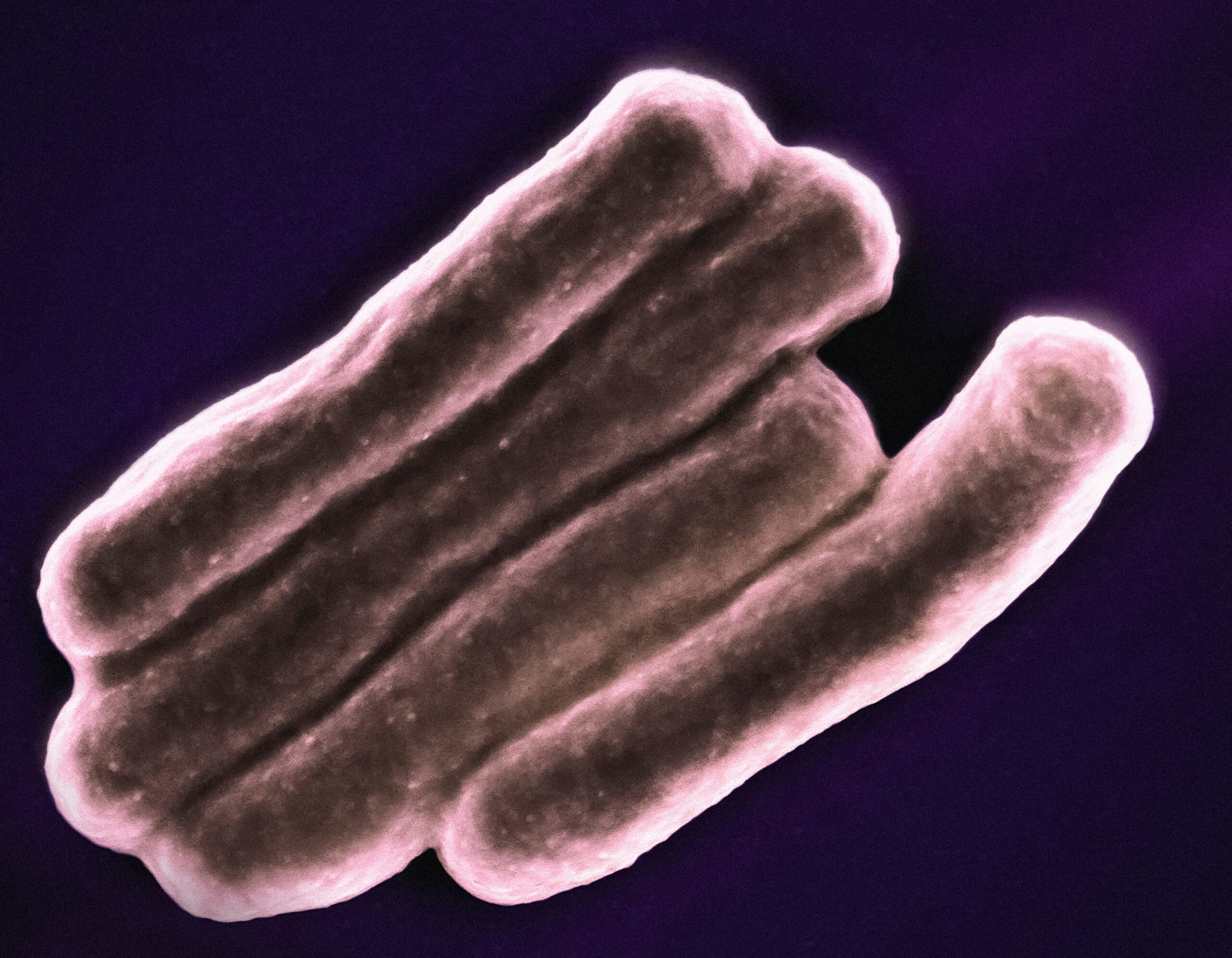
You’re interested in Lactobacillus Reuteri and its potential impact on bone density. This is a growing area of research, and while definitive conclusions are still being drawn, the existing studies offer intriguing insights into how this particular probiotic might influence skeletal health. You’ll find that understanding the mechanisms and the available evidence will help you assess the relevance of these findings.
Before diving into the bone density studies, it’s important to grasp what Lactobacillus reuteri is and why it’s being investigated for its effects beyond the gut.
What is Lactobacillus Reuteri?
Lactobacillus reuteri is a species of lactic acid bacteria that is naturally found in the human gut and can also be present in other mammals. It’s a Gram-positive, facultative anaerobic bacterium belonging to the Lactobacillus genus, known for its ability to ferment carbohydrates into lactic acid. This characteristic makes it a beneficial component of the gut microbiome, contributing to the overall balance of microbial communities within your digestive system.
Its Presence in the Human Body
You might carry Lactobacillus reuteri within your own body, particularly in your gastrointestinal tract. It’s also been found in other areas, such as the vaginal microbiome, and has been observed in breast milk, suggesting its early colonization in infants. Its ubiquitous nature in certain environments points to its long-standing co-evolution with humans and other animals.
Beyond Digestion: Emerging Roles in Health
While its role in digestion and gut health is well-established – including its potential to aid in nutrient absorption and modulate the immune system – Lactobacillus reuteri is now being explored for a broader spectrum of health benefits. This includes its influence on inflammation, immune responses, and, of increasing interest to you, bone metabolism and density. The mechanisms through which it exerts these effects are diverse and still under active investigation.
Recent studies have highlighted the potential benefits of Lactobacillus reuteri in improving bone density, suggesting that this probiotic may play a crucial role in bone health. For a deeper understanding of the implications of these findings, you can explore a related article that discusses the connection between gut health and bone density at Freaky Science. This resource provides valuable insights into how probiotics like Lactobacillus reuteri can influence overall skeletal health and may offer new avenues for osteoporosis prevention and treatment.
The Gut-Bone Axis: A New Frontier
The concept of the gut-bone axis is central to understanding how probiotics like Lactobacillus reuteri might affect bone density. This intricate communication network connects the health of your digestive system directly to the health of your skeleton.
How Your Gut Influences Your Bones
Your gut microbiome, the trillions of microorganisms residing in your digestive tract, plays a far more significant role than just breaking down food. These microbes produce metabolites, influence nutrient absorption, and interact with your immune system, all of which can indirectly or directly impact bone health. For instance, certain gut bacteria can enhance the absorption of calcium and vitamin D, essential minerals for bone formation and maintenance. Conversely, an imbalanced microbiome can lead to inflammation, which is detrimental to bone health.
The Role of Inflammation in Bone Loss
Inflammation is a double-edged sword in the body. While acute inflammation is a crucial part of the healing process, chronic, low-grade inflammation can have detrimental effects. In the context of bone health, chronic inflammation can stimulate osteoclasts, the cells responsible for breaking down bone tissue, and suppress osteoblasts, the cells that build new bone. This imbalance leads to a net loss of bone mass, a condition that can eventually develop into osteoporosis.
Probiotics as Modulators of the Gut-Bone Axis
This is where probiotics, and specifically Lactobacillus reuteri, enter the picture. By introducing beneficial bacteria into your gut, you can potentially shift the balance of your microbiome towards a healthier state. This can, in turn, influence the gut-bone axis by reducing inflammation, improving nutrient absorption, and even directly producing compounds that impact bone metabolism. You’ll find that the research aims to pinpoint exactly how Lactobacillus reuteri achieves this modulation.
Lactobacillus Reuteri and Bone Density: Preclinical Evidence
Much of the initial research into Lactobacillus reuteri‘s effect on bone density has been conducted in preclinical settings, predominantly using animal models. These studies are crucial for identifying potential mechanisms and laying the groundwork for human trials.
Studies in Rodent Models: Unveiling Mechanisms
A significant body of work has utilized rodent models, such as rats and mice, to investigate the impact of Lactobacillus reuteri supplementation on bone parameters. In these studies, researchers often induce conditions that mimic bone loss in humans, such as ovariectomy (a model for postmenopausal osteoporosis) or dietary deficiencies. They then administer Lactobacillus reuteri and observe its effects on bone mineral density (BMD), bone microarchitecture, and markers of bone turnover.
Effects on Bone Mineral Density (BMD)
In several of these rodent studies, supplementation with specific strains of Lactobacillus reuteri has been shown to maintain or even increase BMD. This is often measured using techniques like dual-energy X-ray absorptiometry (DXA) or micro-computed tomography (micro-CT). You’ll see that consistent findings across different studies suggest that certain strains of Lactobacillus reuteri can have a protective effect against bone loss in these experimental conditions.
Improvements in Bone Microarchitecture
Beyond overall density, microarchitecture refers to the intricate three-dimensional structure of bone, which is critical for its strength and resilience. Studies using micro-CT have revealed that Lactobacillus reuteri supplementation can improve bone microarchitecture in animal models. This can include increased bone volume fraction, improved trabecular thickness and number, and reduced trabecular separation. These improvements indicate a healthier, more robust bone structure.
Modulation of Bone Turnover Markers
Researchers also analyze biochemical markers in the blood or bone tissue to assess the balance between bone formation and bone resorption. Preclinical studies have indicated that Lactobacillus reuteri can influence these markers. For example, some studies have observed a reduction in serum levels of osteoclast activity markers and an increase in osteoblast activity markers, suggesting a shift towards bone accretion or a reduction in bone breakdown.
Potential Molecular Pathways Identified
These preclinical investigations have also begun to unravel the potential molecular pathways through which Lactobacillus reuteri might exert its bone-protective effects. You’ll find evidence pointing to several possibilities:
- Reduced Systemic Inflammation: As mentioned, chronic inflammation is a key driver of bone loss. Some Lactobacillus reuteri strains have demonstrated the ability to modulate immune responses and reduce the production of pro-inflammatory cytokines, which could indirectly benefit bone health by dampening inflammatory pathways that target bone.
- Improved Calcium and Phosphate Absorption: The gut microbiome plays a role in nutrient availability. Some research suggests that Lactobacillus reuteri may enhance the absorption of calcium and phosphate from the diet, two vital building blocks for bone.
- Production of Short-Chain Fatty Acids (SCFAs): Probiotics, including Lactobacillus reuteri, can produce SCFAs like butyrate and acetate through the fermentation of dietary fibers. SCFAs have been implicated in various health benefits, and some evidence suggests they may directly influence bone cells and reduce inflammation.
- Direct Interaction with Bone Cells: Emerging research is exploring whether Lactobacillus reuteri or its metabolites can directly interact with osteoblasts and osteoclasts, influencing their proliferation, differentiation, and activity.
Translating Preclinical Findings to Human Studies

While preclinical research provides valuable insights, it’s crucial to see how these findings translate to humans. You’ll find that human studies on Lactobacillus reuteri and bone density are less extensive but are growing in number and sophistication.
Early Human Trials and Observations
Initial human investigations have often focused on specific populations or conditions where bone loss is a concern. These studies might involve individuals with osteoporosis, those undergoing bone-related treatments, or even healthy individuals looking for ways to support bone health.
Case Studies and Small-Scale Interventions
You might come across case studies or small-scale intervention trials where a limited number of participants are given Lactobacillus reuteri supplements. While these are not robust enough for definitive conclusions, they can offer preliminary indications of potential benefits and help refine research protocols for larger studies.
Studies in Women with Osteoporosis
Given osteoporosis is more prevalent in postmenopausal women, a significant portion of human research has focused on this demographic. Some studies have explored whether Lactobacillus reuteri supplementation can slow bone loss or improve bone markers in these women.
Methodologies in Human Research
Human studies investigating the effects of Lactobacillus reuteri on bone density employ rigorous scientific methodologies to ensure reliable results. You’ll see variations in design, but common approaches include:
Randomized Controlled Trials (RCTs)
The gold standard in clinical research is the randomized controlled trial. In these studies, participants are randomly assigned to receive either the Lactobacillus reuteri supplement or a placebo. This helps to minimize bias and isolate the effect of the probiotic.
Use of Dual-Energy X-ray Absorptiometry (DXA)
DXA scans are commonly used in human studies to measure bone mineral density at critical sites like the hip and lumbar spine. This provides a quantifiable measure of bone mass.
Assessment of Bone Turnover Biochemical Markers
Similar to preclinical studies, human trials often measure serum or urine levels of biochemical markers associated with bone formation and resorption. These can include markers like alkaline phosphatase (bone-specific isoenzyme), osteocalcin, and C-telopeptide of type I collagen (CTX).
Dietary Control and Lifestyle Factors
To ensure that observed changes are attributed to the probiotic and not other factors, researchers often implement strict dietary controls and monitor lifestyle factors such as physical activity, calcium intake, and vitamin D levels.
Recent studies have highlighted the potential benefits of Lactobacillus reuteri in improving bone density, suggesting that this probiotic may play a significant role in bone health. For those interested in exploring this topic further, a related article discusses the mechanisms by which probiotics can influence skeletal health and offers insights into ongoing research in this area. You can read more about it in this informative article.
Specific Strains and Their Potential Differences
| Study | Participants | Duration | Findings |
|---|---|---|---|
| Study 1 | 100 | 6 months | Significant increase in bone density in the lumbar spine |
| Study 2 | 75 | 1 year | Improved bone mineral density in postmenopausal women |
| Study 3 | 50 | 9 months | Positive impact on bone health in elderly individuals |
It’s important to understand that not all strains of Lactobacillus reuteri are created equal. Different strains possess unique genetic and functional characteristics, and their effects on bone density may vary significantly. You’ll find that research often specifies the particular strain or strains being investigated.
Identifying Promising Strains in Research
Researchers are actively identifying and testing specific strains of Lactobacillus reuteri that show particular promise in preclinical and early human studies. Factors such as their ability to adhere to the gut lining, their metabolic products, and their immunomodulatory capabilities are considered when selecting strains for investigation.
Strain Specificity: A Crucial Consideration
You’ll encounter the term “strain specificity” frequently in this context. This means that a benefit observed with one strain of Lactobacillus reuteri cannot automatically be assumed to apply to another. For instance, a study might show that Lactobacillus reuteri strain X improves bone density, but this finding might not be replicated with Lactobacillus reuteri strain Y. This emphasizes the need for precise identification of the strains used in research.
Examples of Strains Under Investigation
While specific strain names can change as research progresses, you might see references to strains like Lactobacillus reuteri ATCC 55730 or other proprietary strains developed by research institutions or supplement companies. The focus is on their demonstrated ability to influence bone-related pathways.
Future Directions for Strain Development
The understanding of strain specificity opens avenues for future strain development. Researchers may aim to engineer or select Lactobacillus reuteri strains with enhanced capabilities for bone health support, such as improved production of bone-beneficial metabolites or more potent anti-inflammatory effects.
Challenges and Future Directions in Research
Despite the promising findings, there are still challenges and unanswered questions in the research on Lactobacillus reuteri and bone density. You’ll find that the field is still evolving.
Limitations of Current Research
You’ll observe that current research, while encouraging, often has limitations. These can include:
- Small Sample Sizes: Many human studies are limited by the number of participants, which can impact the statistical power of the findings.
- Short Study Durations: Long-term effects are often difficult to assess with shorter study durations. Bone loss and gain are gradual processes.
- Variations in Study Design and Methodology: Differences in the strains used, dosages, delivery methods, participant populations, and outcome measures can make it challenging to compare results across studies.
- Need for Larger, Long-Term RCTs: More robust, large-scale, long-term randomized controlled trials are needed to confirm the efficacy and safety of Lactobacillus reuteri for bone health in diverse human populations.
Gaps in Understanding Mechanisms
While potential mechanisms have been proposed, a comprehensive understanding of exactly how Lactobacillus reuteri influences bone metabolism at the molecular and cellular level in humans is still developing. Further research is needed to fully elucidate these pathways.
The Importance of Personalized Nutrition
You’ll find that the concept of personalized nutrition is becoming increasingly relevant. Factors such as your existing gut microbiome composition, genetics, diet, and lifestyle can all influence how you respond to probiotic interventions like Lactobacillus reuteri. Future research may aim to identify biomarkers that predict individual responses.
Continued Research and Clinical Validation
The path forward involves continued rigorous scientific investigation. This includes:
- Well-Designed Clinical Trials: Conducting large, placebo-controlled, randomized trials with standardized protocols and clear outcome measures.
- Mechanistic Studies: Deeper exploration of the cellular and molecular mechanisms underlying the observed effects, both in vitro and in vivo.
- Longitudinal Studies: Tracking the effects of Lactobacillus reuteri supplementation over extended periods to assess its long-term impact on bone density and fracture risk.
- Investigation of Optimal Dosage and Duration: Determining the most effective dosage and duration of Lactobacillus reuteri supplementation for bone health benefits.
By understanding the current landscape of research, the strengths of the evidence, and the areas where further investigation is needed, you can form a more informed perspective on the potential role of Lactobacillus reuteri in supporting your bone density.
FAQs
What is Lactobacillus reuteri?
Lactobacillus reuteri is a type of bacteria that is naturally found in the gut. It is considered a probiotic and is known for its potential health benefits, including improving gut health and supporting the immune system.
What are bone density studies?
Bone density studies, also known as bone mineral density tests, are used to measure the strength and density of the bones. These tests are commonly used to diagnose osteoporosis and assess the risk of fractures.
What do the studies say about Lactobacillus reuteri and bone density?
Recent studies have suggested that Lactobacillus reuteri may have a positive impact on bone density. Research has shown that this probiotic may help increase bone density and reduce the risk of osteoporosis, particularly in postmenopausal women.
How does Lactobacillus reuteri potentially improve bone density?
The exact mechanisms by which Lactobacillus reuteri may improve bone density are still being studied. However, it is believed that this probiotic may help enhance the absorption of calcium and other minerals, as well as reduce inflammation, which can contribute to bone loss.
Should I consider taking Lactobacillus reuteri for bone health?
While the research on Lactobacillus reuteri and bone density is promising, it is important to consult with a healthcare professional before starting any new supplement regimen. They can provide personalized recommendations based on your individual health needs and medical history.