
The Perennial Challenge of Reading Outdoors
For any avid reader, the allure of a sun-drenched park bench, a shaded patio, or even a beachside lounger is undeniable. The opportunity to immerse oneself in a beloved book amidst the gentle sounds and sights of the outdoors is a cherished experience. However, for users of electronic readers, this idyllic scenario often encounters a significant hurdle: the harsh glare of bright sunlight. Traditional backlit screens, common in tablets and smartphones, struggle immensely under direct sunlight, transforming a pleasant reading session into a squinting, frustrating endeavor. The screen becomes washed out, text illegible, and the enjoyment evaporates like dew on a hot morning. This is where the unique technology of e-ink displays, predominantly found in Amazon’s Kindle devices, truly shines. E-ink screens mimic the appearance of paper, absorbing ambient light rather than emitting it. This fundamental difference makes them inherently more suited for outdoor reading. Yet, not all Kindle devices are created equal when it comes to conquering the sun. This article delves into the world of Kindle screen outdoor readability, identifying the best devices for bright sunlight use and exploring the factors that contribute to their superior performance in challenging lighting conditions. Understanding these nuances empowers readers to make informed choices and reclaim their outdoor reading pleasures.
If you’re considering reading on a Kindle outdoors, you might find it helpful to explore the article on outdoor readability features. This article discusses various aspects of how Kindle screens perform in bright sunlight and offers tips for optimizing your reading experience. For more information, you can check out the related article here: Outdoor Readability of Kindle Screens.
E-Ink Technology: The Foundation of Outdoor Reading Success
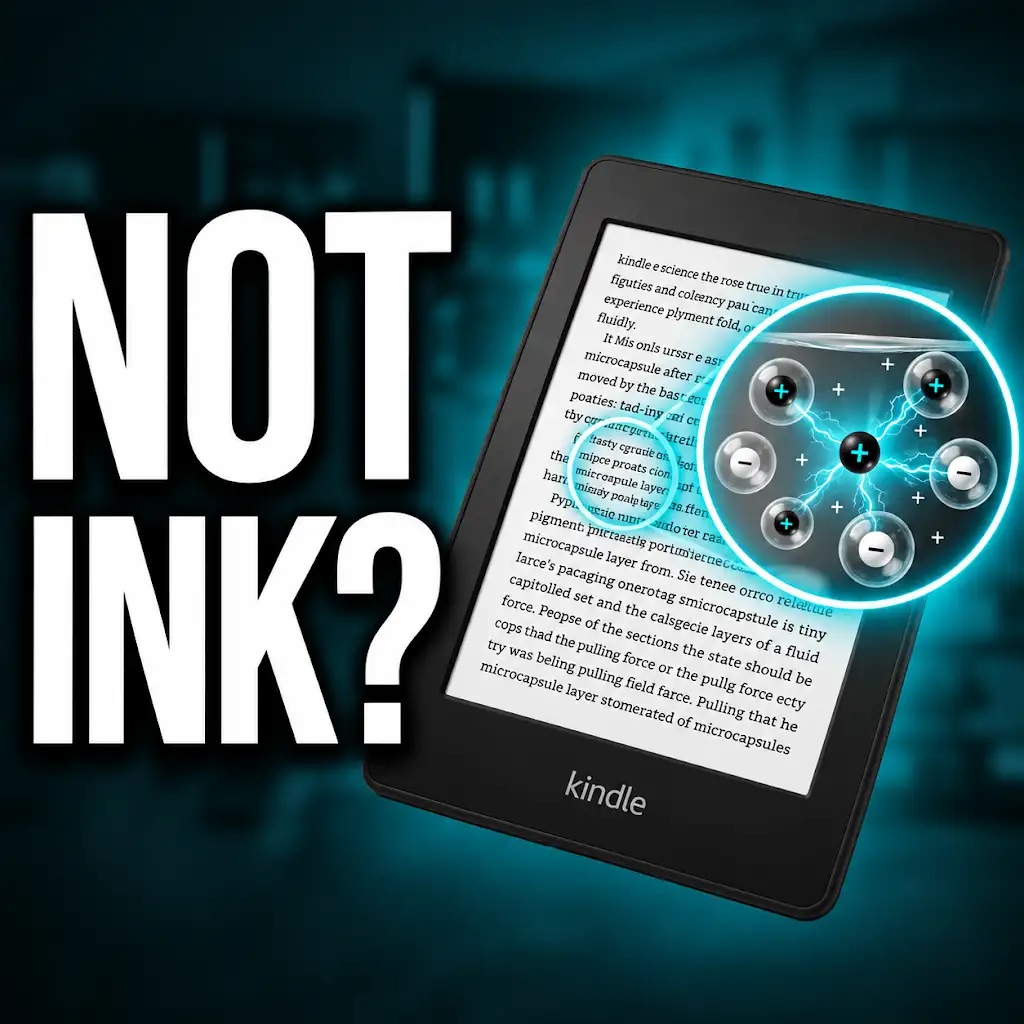
The cornerstone of a Kindle’s outdoor readability lies in its e-ink display technology. Unlike the LCD or OLED screens found in most tablets and smartphones, which rely on backlights to illuminate pixels, e-ink screens use a bistable display technology that reflects ambient light. This means the screen itself doesn’t produce light; instead, it behaves much like a printed page, with tiny black and white microcapsules on the surface. When an image is displayed, these microcapsules are moved to form characters and pictures, using only the light available in the environment. This fundamental characteristic offers several advantages for outdoor reading.
The Physics of Paper-Like Displays
E-ink displays, specifically those manufactured by E Ink Corporation, are the industry standard for e-readers. These screens employ a process where charged particles, typically black and white, are suspended in a fluid within microcapsules. Applying an electrical charge to the display causes these particles to move to the surface, forming visible text or images. The beauty of this technology is its passive nature. Once an image is rendered, it requires no further power to remain visible, leading to exceptional battery life. Crucially, because e-ink reflects ambient light, it behaves similarly to real paper. In bright sunlight, this reflection allows the text to stand out clearly, much like words on a printed book page exposed to the sun. The absence of a backlight also means there is no internal light source to compete with the harsh outdoor sun, eliminating the “washing out” effect common with backlit screens.
Contrast and Clarity in Direct Sunlight
The effectiveness of an e-ink screen outdoors is largely dictated by its contrast ratio and the sharpness of its resolution. A higher contrast ratio means a greater difference between the darkest and lightest parts of the display, making text appear crisper and more defined against the background. This is particularly important in bright sunlight, where the ambient light can reduce the perceived contrast of any display. Modern e-ink screens have significantly improved their contrast ratios over the years, moving closer to the pristine clarity of a printed page. Similarly, resolution, measured in dots per inch (DPI), plays a role. A higher DPI allows for finer detail in text and images, contributing to a more comfortable and readable experience. While the fundamental technology remains the same, subtle advancements in the materials and manufacturing processes of e-ink displays have led to noticeable improvements in their performance under various lighting conditions, including direct sun.
Navigating the Kindle Lineup: Devices Optimized for Sunlight
Amazon’s Kindle lineup offers a range of devices, each with varying features and display technologies that impact their outdoor readability. While all Kindles utilize e-ink, certain models incorporate advancements that further enhance their performance in bright sunlight. Identifying these models involves looking beyond the basic e-ink technology and considering factors like screen resolution, contrast, and the presence of features like front lighting.
The Kindle Paperwhite Series: A Bright Spot in the Sun
The Kindle Paperwhite series has consistently been a strong contender for outdoor reading due to its balanced feature set and excellent display. The Paperwhite models typically feature higher resolution screens than their standard Kindle counterparts, often boasting 300 DPI. This higher resolution translates to sharper text, which is crucial for maintaining legibility under direct sunlight. Furthermore, all recent Paperwhite models come equipped with adjustable built-in front lighting. While the primary purpose of this lighting is to read in low-light conditions, it also plays a subtle but important role in outdoor readability.
The Advantage of Adjustable Front Lighting
The front lighting on Kindle Paperwhite devices is not a backlight that shines directly through the screen. Instead, it consists of LEDs positioned around the edge of the screen that cast light downwards onto the display. This diffused lighting can, in certain bright sunlight scenarios, help to slightly enhance the perceived contrast of the e-ink display. Imagine reading a slightly faded printed page outdoors; a very subtle ambient light source can sometimes make the ink pop a little more. The Kindle Paperwhite’s front light, when adjusted appropriately (often on a low setting outdoors), can achieve a similar effect. More importantly, the ability to adjust the brightness of this front light is key. In extremely bright conditions, turning the front light off entirely is usually the best strategy for optimal readability. However, in situations where the sun is not directly overhead or is partially diffused, a very low setting of the front light can sometimes subtly improve clarity by adding a touch of even illumination. The true benefit of the front light, however, is its versatility, allowing the Paperwhite to excel not only in sunlight but also in any lighting condition.
The Kindle Oasis: Premium Features for the Discerning Reader
The Kindle Oasis represents Amazon’s premium e-reader offering, and it inherits many of the display advantages that make the Paperwhite a good outdoor reader, while adding further refinements. Like the Paperwhite, the Oasis typically features a high-resolution 300 DPI e-ink display, ensuring crisp text reproduction. Its build quality and ergonomic design are also noteworthy, making it comfortable to hold for extended reading sessions, a bonus when reading outdoors.
Enhanced Display and Design Considerations
The Kindle Oasis often features a more uniform light distribution from its front LEDs compared to some older Paperwhite models. This improved uniformity means there are fewer “hot spots” or uneven patches of light, leading to a more consistent reading experience. For outdoor reading, this translates to a smoother visual experience, as the light is evenly spread across the page. The Oasis also often boasts a slightly higher contrast ratio in its display technology, contributing to crisper text that is easier to discern against the bright backdrop of sunlight. While the core e-ink technology is similar to the Paperwhite, the cumulative effect of these subtle enhancements, combined with its premium build and ergonomic design, positions the Oasis as an excellent choice for those who prioritize the best possible outdoor reading experience and are willing to invest in it.
Standard Kindle Models: Entry-Level Options
The standard Kindle models, while offering the core e-ink experience, generally have lower resolutions (often 167 DPI) and may lack the adjustable front lighting found in the Paperwhite and Oasis. This does not mean they are unreadable outdoors, but they may not offer the same level of clarity and crispness as their more advanced siblings.
Understanding the Trade-offs in Resolution and Lighting
The lower resolution of standard Kindle models means that text may appear slightly less sharp, especially when zoomed in. In bright sunlight, this can translate to text that is a bit softer or requires more effort to read comfortably. The absence of a front light means that these devices rely solely on ambient light. While this is perfectly acceptable in good daylight, they cannot offer the subtle contrast enhancement that even a low-setting front light on a Paperwhite or Oasis can provide. For casual outdoor reading in moderate sunlight, a standard Kindle is certainly usable. However, for readers who spend significant time reading outdoors in varying light conditions or who prioritize the sharpest possible text, investing in a Paperwhite or Oasis would be a more beneficial choice. The standard Kindle offers an accessible entry point into the world of e-reading and is perfectly capable for many users, but its limitations become more apparent when pushed to its limits in bright outdoor environments.
Factors Beyond Display Technology: Optimizing Your Outdoor Reading
While the e-ink display is the most critical component for outdoor readability, several other factors can significantly impact the user’s experience when reading a Kindle in bright sunlight. These include screen glare, contrast settings, font choices, and even the physical environment in which one chooses to read. Addressing these aspects can elevate the outdoor reading experience from merely functional to truly enjoyable.
Managing Screen Glare: The Antidote to Sunlight’s Fury
Even with the best e-ink displays, direct sunlight can create glare, a reflection of light off the screen’s surface that can obscure text. While e-ink inherently reduces glare compared to backlit screens, it’s not entirely immune. The physical surface of the Kindle’s screen plays a role. Some Kindles have slightly more matte finishes than others, which can help diffuse light and reduce direct reflections. However, user behavior and environmental positioning are often the most effective ways to combat glare.
Strategic Positioning and Screen Protectors
The simplest and most effective method to reduce glare is to strategically position oneself. Finding a spot that is not in direct, harsh sunlight, such as under the shade of a tree or umbrella, can make a world of difference. If direct sunlight is unavoidable, tilting the Kindle slightly can often shift the angle of reflection away from the reader’s eyes. Experimenting with different angles is key. For those who find screen glare to be a persistent issue, investing in an anti-glare screen protector can provide an additional layer of defense. These protectors have a textured surface that diffuses light more effectively than a standard glossy screen, further minimizing reflections. While an anti-glare protector might subtly affect the sharpness of the display in controlled indoor lighting, its benefits for outdoor reading can be substantial, transforming a challenging experience into a comfortable one.
The Importance of Font and Contrast Settings
The way text is displayed on the Kindle’s screen can also be fine-tuned to enhance outdoor readability. The choice of font and the adjustment of contrast settings are powerful tools in the reader’s arsenal. Different fonts have varying levels of visual weight and spacing between characters, which can affect how easily they are perceived in bright light. Similarly, while e-ink displays have a fixed contrast, some Kindle software allows for subtle adjustments or preferences that can influence the perceived clarity of the text.
Font Styles, Weights, and Text Size Adjustments
Experimenting with different font styles is highly recommended. Fonts with serifs (the small decorative strokes at the ends of letters) can sometimes improve readability by providing clearer definition to individual characters. Conversely, very thin or overly stylized fonts can become harder to read in bright conditions. The weight of a font (e.g., bold versus regular) also plays a role. A slightly bolder font might stand out more prominently against the bright background of the screen. Importantly, adjusting the text size can also be beneficial. While larger text doesn’t inherently improve contrast, it can make characters appear more substantial, thus easier to differentiate in the glare. The Kindle’s ability to allow extensive font customization is a significant advantage for outdoor readers, enabling them to tailor the reading experience to their specific needs and the ambient lighting conditions.
When considering the outdoor readability of Kindle screens, it’s important to explore various factors that influence user experience. For a deeper understanding of this topic, you can refer to a related article that discusses the advancements in e-reader technology and how they enhance visibility in bright sunlight. This insightful piece can be found at Freaky Science, where you will discover tips and tricks for optimizing your reading experience outdoors.
Beyond the Kindle: Other E-Ink Readers for Sunlight Reading
| Metric | Value | Unit | Notes |
|---|---|---|---|
| Screen Type | E Ink Carta | – | Reflective display technology |
| Screen Size | 6 | inches | Standard Kindle Paperwhite size |
| Resolution | 300 | ppi | High pixel density for sharp text |
| Reflectance | 4-6 | % | Low reflectance improves outdoor readability |
| Contrast Ratio | 10:1 | – | High contrast for clear text visibility |
| Front Light | Yes | – | Adjustable warm light for various lighting conditions |
| Glare | Minimal | – | Matte screen reduces glare in sunlight |
| Battery Life (Outdoor Use) | Weeks | – | Long battery life even with front light on |
| Readability in Direct Sunlight | Excellent | – | Text remains sharp and clear |
While Amazon’s Kindle devices are undoubtedly popular and widely accessible, the e-ink technology that makes them suitable for outdoor reading is not exclusive to them. Other manufacturers also produce e-readers that leverage the same paper-like displays, offering competitive alternatives for sunlight reading. These devices often cater to different user preferences, offering varied features, operating systems, and ecosystem integrations.
Kobo Devices: A Strong Contender in the E-Reader Space
Rakuten Kobo is a significant player in the e-reader market, offering a range of devices that rival the Kindle in terms of features and performance, particularly for outdoor reading. Kobo devices, like Kindles, primarily utilize e-ink displays, ensuring good readability in bright sunlight. They often feature high-resolution screens and adjustable front lighting, including some models with color-temperature adjustment for their ComfortLight PRO feature.
Color Temperature Adjustment and Ergonomics
Kobo’s ComfortLight PRO technology is a noteworthy innovation that allows users to adjust not only the brightness but also the color temperature of the front light. In outdoor reading, while turning the light off is usually best, the ability to subtly warm the light in the evenings or under slightly overcast skies can enhance comfort. More directly relevant to sunlight, Kobo devices, like their Kindle counterparts, benefit from high-resolution e-ink screens that provide crisp text. Furthermore, many Kobo models are designed with ergonomics in mind, featuring comfortable grips and button layouts that make extended reading sessions enjoyable, even when outdoors. Their integration with various ebook formats, including EPUB, also appeals to readers who prefer not to be locked into a single ecosystem.
PocketBook and Onyx Boox: Niche Players with Specific Strengths
Beyond the mainstream players, PocketBook and Onyx Boox offer e-readers that cater to more specialized needs, and some of their devices also perform admirably in bright sunlight. PocketBook devices, often popular in Europe, utilize e-ink technology and offer a good balance of features and affordability. Onyx Boox, on the other hand, often focuses on larger screen sizes and the integration of Android operating systems, allowing for more versatility, including the ability to run various reading apps.
Larger Screens and Versatile Operating Systems
Onyx Boox devices, particularly their e-ink tablets, often feature larger screens (7 inches and above) which can make text appear more prominent and easier to read in sunlight, similar to a larger printed book. The Android operating system on these devices offers immense flexibility. Users can install and use their preferred reading apps, which may have additional text customization options not found on proprietary platforms. While some Onyx Boox devices may have a slightly different e-ink panel technology, the fundamental advantage of reflecting ambient light remains. For users who require a larger reading surface or the flexibility of a more open operating system for their outdoor reading, devices from Onyx Boox and PocketBook present compelling alternatives to the Kindle ecosystem, all while retaining the inherent outdoor readability of e-ink.
Conclusion: Reclaiming the Joy of Reading Al Fresco
The pursuit of an enjoyable outdoor reading experience on an electronic device has evolved significantly with the advent and refinement of e-ink technology. While the harsh glare of sunlight was once a formidable barrier, modern e-readers, particularly those within the Kindle family and from competing manufacturers, have overcome this challenge with impressive efficacy. The fundamental principle of reflecting ambient light rather than emitting it forms the bedrock of this success, allowing for a paper-like reading experience that is inherently suited for sun-drenched environments.
The Kindle Paperwhite and Kindle Oasis series stand out within Amazon’s offerings due to their higher resolution displays and the inclusion of adjustable front lighting. While the front light’s primary function is for low-light reading, its presence, when managed correctly, can subtly enhance contrast even in bright conditions. Crucially, the ability to turn off or dim this light allows users to rely solely on the ambient light, maximizing the natural readability of the e-ink screen. Beyond the Kindle ecosystem, devices from Kobo, PocketBook, and Onyx Boox also leverage e-ink technology and offer excellent outdoor reading capabilities. Features like color temperature adjustment on Kobo devices and larger screen sizes on Onyx Boox tablets provide additional avenues for optimizing the outdoor reading experience, catering to a broader range of user preferences.
Ultimately, the best Kindle, or indeed any e-reader, for bright sunlight use is one that incorporates a high-resolution e-ink display. However, user-driven optimization plays an equally vital role. Strategic positioning to minimize direct glare, careful selection of font styles and sizes, and the judicious use of any available lighting features can transform even a basic e-reader into a competent outdoor companion. By understanding the nuances of e-ink technology and employing these practical strategies, readers can confidently reclaim the simple pleasure of getting lost in a good book, bathed in the warm glow of the sun, without the frustrating limitations of a washed-out screen. The days of squinting at illegible text outdoors are, for the discerning e-reader, largely a thing of the past.
Why Your Kindle Screen Doesn’t Work the Way You Think
FAQs
1. Can I read my Kindle screen outdoors in direct sunlight?
Yes, Kindle screens are designed to be easily readable in direct sunlight, thanks to their e-ink technology that mimics the appearance of real paper.
2. Will the Kindle screen glare be a problem when reading outdoors?
Kindle screens have an anti-glare feature that helps reduce reflections and glare, making it easier to read in bright outdoor conditions without straining your eyes.
3. How does the Kindle screen perform in low-light outdoor settings?
While the Kindle screen is optimized for reading in bright sunlight, it also performs well in low-light outdoor settings, providing a comfortable reading experience without causing eye strain.
4. Can I adjust the brightness of the Kindle screen for outdoor reading?
Kindle devices come with adjustable brightness settings that allow you to customize the screen brightness according to your preference, making it easier to read outdoors in varying lighting conditions.
5. Is the Kindle screen waterproof for outdoor use in rainy conditions?
Most Kindle devices are not waterproof, so it is important to protect your device from exposure to water, including rain, when using it outdoors. Consider using a waterproof case or cover for added protection.