You’re sitting in your living room, bathed in the cool, refreshing embrace of air conditioning. You adjust the thermostat, a subtle sigh of contentment escaping your lips. But have you ever stopped to consider the remarkable journey that air has taken to reach you, a journey that starts in the hidden depths of your home and culminates in the humming presence of the outdoor unit? It’s a story of pressure, temperature, and an intricate dance of components, a silent testament to human ingenuity designed to bring comfort into your daily life. Your experience of cool air isn’t just a static state; it’s the end result of a dynamic process, a continuous loop of transformation and transport. Let’s embark on this fascinating journey, tracing the path of that precious cool air from the moment it emerges from your AC vent to its ultimate destination in the heart of your outdoor condensing unit.
The Awakening of Cool Air: Your AC Vent’s Embrace
Imagine the scene: a sweltering summer day, the air outside thick and heavy. You step indoors, and a wave of relief washes over you as cool air gently wafts from the vents. This is where your journey of air begins, at the seemingly simple opening in your wall or ceiling. It’s not just a hole; it’s a gateway, a carefully designed conduit for the conditioned air that your HVAC system works so diligently to produce. The air that emerges has undergone a significant transformation, shedding its heat and humidity to become the refreshing breeze you enjoy.
The Gentle Gust: Airflow and Distribution
The initial sensation is the gentle pressure of air pushing outwards. This is the result of the indoor air handler’s fan, a powerful motor working in tandem with the evaporator coil. The fan draws warm, humid air from your living space into the air handler, initiating the cooling process. Once cooled and dehumidified, this air is then propelled back into your rooms through the network of ducts and finally through these vents. The design of the vent itself plays a role in how this air is distributed. Louvers can be adjusted to direct the airflow, allowing you to customize the cooling experience in different parts of the room. You might notice how the air seems to spread out, mingling with the existing room air, gradually lowering the overall temperature. This diffusion is crucial; if the air were to blast out in a single, concentrated stream, it could create uncomfortable drafts. The aim is a subtle, pervasive cooling that envelops your space.
Temperature and Humidity: The Invisible Transformation
While you feel the cool, it’s important to remember what has happened to the air before it reached your vent. Inside the air handler, the refrigerant within the evaporator coil has absorbed the heat from the air. This heat transfer process is the core of air conditioning. As the warm air passes over the cold evaporator coils, its temperature drops significantly. Simultaneously, the moisture in the air condenses on these coils, effectively dehumidifying your indoor environment. You might have seen a trickle of water from your outdoor unit’s drain line – that’s the captured humidity. So, the air you breathe isn’t just cooler; it’s also drier, contributing to a more comfortable and less sticky atmosphere. This dual action of cooling and dehumidification is what makes the air from your vent feel so distinctly “air-conditioned.”
The Duct Network: The Unseen Highways
The air doesn’t magically appear at your vents. It travels through a hidden infrastructure: your ductwork. These insulated tunnels, often made of sheet metal or flexible material, are the highways that transport conditioned air from the indoor unit to every corner of your home. The size and design of these ducts are critical for efficient airflow. If they are too small or blocked, it can restrict the volume of air reaching your vents, leading to uneven cooling and increased strain on your system. You can’t see them, but you can infer their presence by the consistent delivery of cool air to all your rooms.
When considering the journey of air from the AC vent to the outdoor unit, it’s essential to understand the entire cooling process and its components. For a detailed exploration of how air circulates through an HVAC system, including the roles of various parts and the importance of maintenance, you can refer to this informative article. Learn more about the intricacies of air conditioning systems by visiting this link.
The Journey Back: Air’s Return to the Handler

The air you feel at the vent is part of a continuous cycle. It doesn’t just disappear; it eventually makes its way back to the indoor air handler to be re-conditioned. This return journey is just as important as the delivery, as it ensures that your entire home’s air is being processed efficiently. This is where you’ll notice a different type of vent, often larger and located at floor level or on a wall, designed to draw in the warmer air from your rooms.
The Intake Phenomenon: Sucking In the Warmth
As the cool air you’ve been enjoying mixes with the heat generated by your home’s occupants, appliances, and sunlight, it gradually warms up. This slightly warmer, more humid air is then drawn towards the return vents. The fan in the air handler creates a negative pressure within the ductwork, essentially pulling the air back towards the unit. You might feel a subtle tug at these return vents, a gentle suction that signifies the air’s recommitment to the cooling cycle. This is a passive but vital part of the process. Without this return flow, the system would be unable to continuously cool your home; it would just be pushing air around a closed loop of already conditioned space.
Filtering the Flow: Protecting the System and Your Health
Before the air makes its way back to the air handler, it typically passes through an air filter. This is a critical component for both your system’s longevity and your indoor air quality. The filter, usually made of fiberglass or pleated paper, traps dust, pollen, pet dander, and other airborne particles. Regularly changing or cleaning your air filter is one of the most important maintenance tasks you can perform. A clogged filter restricts airflow, making your system work harder and less efficiently, and it can also recirculate allergens and pollutants throughout your home. So, that return vent isn’t just a suction point; it’s also a guardian, a first line of defense against airborne contaminants.
The Pressure Differential: The Driving Force
The entire return process is driven by a pressure differential. The fan in the air handler creates a low-pressure zone in the return ductwork, while the ambient air in your rooms is at a higher pressure. This difference in pressure naturally forces the air from the higher-pressure areas into the lower-pressure areas, propelling it towards the air handler. It’s a fundamental principle of fluid dynamics at play, orchestrated to ensure a constant supply of air for your AC to work its magic on.
The Heart of the Operation: Inside the Indoor Air Handler

The air, having completed its journey back, now arrives at the indoor air handler, the central hub of your home’s cooling system. This is where the magic of refrigeration truly happens, where the heat absorbed from your home is prepared for expulsion outside. You won’t typically see this unit unless you have an accessible attic or basement, but its work is fundamental to your comfort.
The Evaporator Coil: The Chilling Core
Within the air handler lies the evaporator coil, a maze of copper or aluminum tubing filled with a cold refrigerant. As the warm, humid air from your return vents is drawn across these coils, the refrigerant absorbs the heat from the air. This process is akin to how a cold drink sweats on a warm day; the heat from the air causes the refrigerant to evaporate, a phase change that absorbs a significant amount of thermal energy. This is why the evaporator coil is so crucial – it’s the primary heat exchanger responsible for cooling your indoor air. You can think of it as the air’s chilly handshake, the moment it sheds its warmth.
The Blower Fan: The Engine of Circulation
The blower fan, also located within the air handler, is the powerhouse that drives the entire system. It not only pulls the warm air from your rooms into the air handler but also pushes the newly cooled and dehumidified air back out through your supply vents. This fan runs continuously when the AC is on, working tirelessly to maintain the desired temperature throughout your home. Its strength and efficiency directly impact how quickly and evenly your home cools down. It’s the tireless engine that keeps the air moving, ensuring that the cool air you desire reaches every nook and cranny.
Condensate Drainage: The Byproduct of Dehumidification
As mentioned earlier, the cooling process also leads to dehumidification. The moisture in the warm air condenses on the cold evaporator coils, forming water droplets. This water collects in a drain pan beneath the coil and is then directed away from the air handler through a condensate drain line. This line typically leads outside, where the water drips harmlessly onto the ground or into a dedicated drain. A properly functioning condensate line is essential to prevent water damage to your home and to avoid the growth of mold and mildew. It’s the silent, steady removal of unwanted moisture, a vital byproduct of your comfort.
The Transfer of Heat: From Inside to Outside
The heat that has been absorbed by the refrigerant within the evaporator coil needs to go somewhere. This is where the refrigerant’s journey continues, moving towards the outdoor unit, carrying its burden of absorbed heat. This is the essence of refrigeration: moving heat from a place you don’t want it to a place where it can be dissipated.
The Refrigerant Cycle: A Closed-Loop System
The refrigerant, a specialized fluid, circulates in a closed loop between the indoor and outdoor units. Inside the air handler, as the refrigerant absorbs heat and evaporates, it becomes a low-pressure gas. This gas then travels through copper tubing to the compressor in the outdoor unit. The compressor is a critical component that dramatically increases the pressure and temperature of the refrigerant gas, preparing it for heat rejection. This continuous cycle of evaporation, compression, condensation, and expansion is the fundamental principle that allows your air conditioner to work.
The Role of the Compressor: The Heartbeat of the Outdoor Unit
The compressor is often referred to as the “heart” of the air conditioning system. Located in the outdoor unit, it’s a powerful motor that compresses the gaseous refrigerant. This compression is an energy-intensive process that raises the refrigerant’s temperature and pressure significantly. Think of it like squeezing a sponge – the refrigerant, when compressed, becomes much hotter. This superheated gas is now ready to release its heat to the outside environment. You can often hear the distinct hum or thrum of the compressor when your outdoor unit is running.
The Metering Device: Regulating the Flow
Before the now high-pressure, liquid refrigerant enters the evaporator coil, it passes through a metering device. This could be a capillary tube or an expansion valve. This device restricts the flow of refrigerant, causing a significant drop in its pressure and temperature. This sudden expansion is what makes the refrigerant cold again, preparing it to absorb heat from the indoor air when it re-enters the evaporator coil. This controlled throttling is essential for maintaining the correct operating conditions of the refrigeration cycle.
When considering the journey of air from the AC vent to the outdoor unit, it’s fascinating to explore how the entire system works together to maintain a comfortable indoor environment. The process involves the circulation of air through various components, ensuring that cool air is effectively distributed while warm air is expelled outside. For a deeper understanding of the science behind air conditioning systems, you can read more in this insightful article on Freaky Science, which delves into the mechanics and efficiency of HVAC systems.
The Grand Finale: Dissipation in the Outdoor Unit
| Component | Function | Key Metrics | Typical Values | Notes |
|---|---|---|---|---|
| AC Vent (Indoor Air Outlet) | Distributes cooled air into the room | Air Temperature | 50°F to 60°F (10°C to 15.5°C) | Depends on thermostat setting and load |
| Return Air Duct | Channels warm indoor air back to the indoor unit | Air Temperature | 75°F to 85°F (24°C to 29°C) | Varies with indoor conditions |
| Indoor Unit (Evaporator Coil) | Absorbs heat from indoor air via refrigerant evaporation | Refrigerant Temperature & Pressure | 40°F to 50°F (4.5°C to 10°C), Low Pressure Side | Evaporator coil temperature is below indoor air temp |
| Refrigerant Line (Suction Line) | Transports low-pressure refrigerant gas to outdoor unit | Pressure & Temperature | 60 psi, 40°F to 60°F (4.5°C to 15.5°C) | Pressure depends on system design and load |
| Outdoor Unit (Compressor) | Compresses refrigerant gas, raising pressure and temperature | Discharge Pressure & Temperature | 150 psi, 140°F to 160°F (60°C to 71°C) | High pressure side of the system |
| Condenser Coil | Releases heat from refrigerant to outdoor air | Refrigerant Temperature & Pressure | 120°F to 130°F (49°C to 54°C), High Pressure Side | Heat is expelled to outside environment |
| Refrigerant Line (Liquid Line) | Transports high-pressure liquid refrigerant back to indoor unit | Pressure & Temperature | 140 psi, 90°F to 100°F (32°C to 38°C) | Prepares refrigerant for expansion valve |
| Expansion Valve | Reduces refrigerant pressure, cooling it before entering evaporator | Pressure Drop & Temperature Drop | From 140 psi to 60 psi, temp drops from 90°F to 40°F | Critical for refrigerant cycle efficiency |
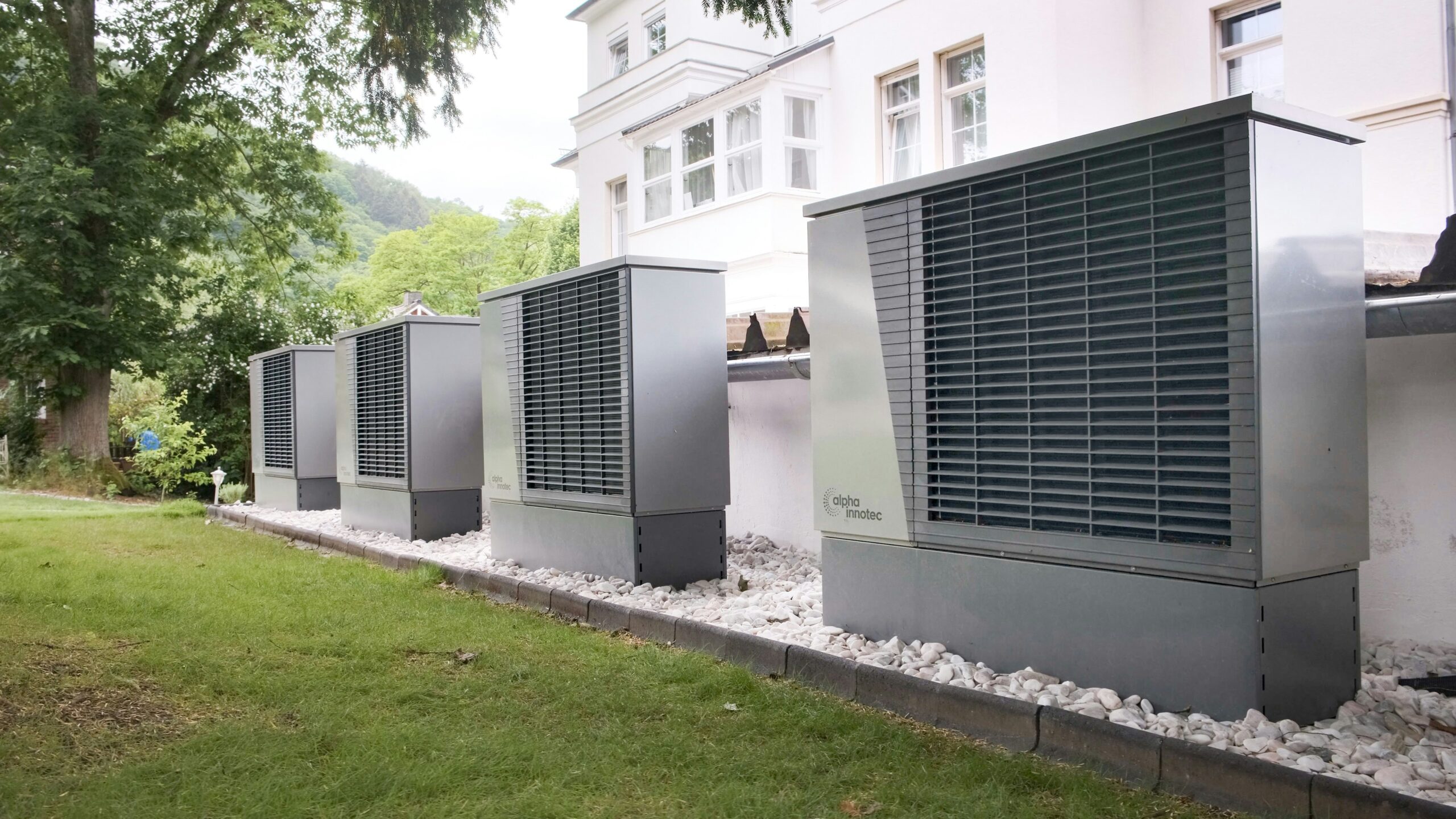
The outdoor unit is where the absorbed heat from your home is finally released into the atmosphere. It’s a robust piece of equipment designed to withstand the elements and efficiently perform its crucial task. You see it humming and blowing air, but its purpose is far more significant than just making noise.
The Condenser Coil: Releasing the Heat
The hot, high-pressure refrigerant gas arrives at the condenser coil in the outdoor unit. This coil is designed with many fins to maximize its surface area, allowing for efficient heat transfer. The fan in the outdoor unit blows ambient air across the condenser coils. As the cooler outside air passes over the hot coils, the heat from the refrigerant is transferred to the air. This causes the refrigerant to condense back into a liquid state, but now it’s cooler and at a higher pressure, ready to begin its journey back to the indoor unit.
The Outdoor Fan: The Breath of Fresh Air
The fan in the outdoor unit is responsible for drawing in ambient air and forcing it across the condenser coils. This constant airflow is essential for dissipating the heat that the refrigerant has carried from your home. The fan’s operation is often variable, adjusting its speed based on the cooling demand. You can feel the strong gust of air coming from the outdoor unit when it’s running, a tangible sign of the heat being expelled. It’s the breath that expels the warmth, making your indoor sanctuary cool and comfortable.
The Cycle Completes: Ready for the Next Round
Once the refrigerant has condensed and released its heat, it’s ready to flow back through the refrigerant lines to the indoor unit. The metering device will once again regulate its pressure and temperature, and the cycle will begin anew. The air that was once warm and humid in your living room has now traveled through a complex system of components, transformed and transported, and the heat it contained has been safely deposited outside. This continuous, often unseen, process is what allows you to enjoy the simple pleasure of cool, comfortable air on even the hottest of days, a testament to the sophisticated journey of air from your AC vent to the humming heart of your outdoor unit.

Your AC Blows Hot Air Outside. Is That Heat From Your Room?
FAQs
What is the purpose of an AC vent?
AC vents are designed to distribute cool air from the air conditioning unit throughout the room or building, helping to regulate the temperature and create a comfortable environment.
How does the air travel from the AC vent to the outdoor unit?
Once the air is blown out of the AC vent, it is drawn back into the return air ducts through the intake vents. From there, the air is pulled into the air handler unit, where it is cooled and filtered before being sent back through the ductwork to the outdoor unit.
What happens at the outdoor unit?
At the outdoor unit, the air conditioning system’s compressor pressurizes and cools the refrigerant, which then flows back into the indoor unit to absorb heat from the air. The outdoor unit also contains the condenser coil, which releases the heat absorbed from the indoor air.
How does the outdoor unit affect the efficiency of the AC system?
The outdoor unit plays a crucial role in the efficiency of the AC system by removing heat from the refrigerant and releasing it into the outdoor air. Proper maintenance of the outdoor unit, including keeping it clean and free of debris, can help ensure the system operates at peak efficiency.
What are some common issues that can occur between the AC vent and outdoor unit?
Common issues that can occur include clogged air filters, dirty evaporator coils, refrigerant leaks, and faulty compressor or condenser components. Regular maintenance and inspections can help prevent these issues and keep the AC system running smoothly.