
The Genesis of a Visual Revolution: Jacobson’s Early Vision
Joseph Jacobson, a name now synonymous with groundbreaking advancements in display technology, embarked on a journey that would fundamentally alter how we perceive and interact with visual information. His early academic pursuits, deeply rooted in physics and electrical engineering, laid the groundwork for a relentless curiosity about the fundamental principles governing light and matter. From his time at MIT, where he would later establish the groundbreaking Media Lab, Jacobson demonstrated an uncanny ability to see beyond the limitations of existing technologies. He possessed a visionary foresight, recognizing that the prevailing cathode-ray tube (CRT) displays, while functional, were inherently cumbersome, power-hungry, and lacked the elegance and tactile experience of the printed page. His mind was perpetually seeking a more natural, more efficient, and ultimately, more liberating form of visual communication.
The Seed of an Idea: Mimicking Nature’s Simplicity
The inspiration for E Ink, a technology that would come to define Jacobson’s legacy, wasn’t born in a sterile laboratory setting, but rather in observing the world around him. He was captivated by the simple, yet profound, visual qualities of paper. The way ink on a page reflected ambient light, its matte finish, and the lack of flickering or illumination were qualities he felt digital displays had yet to replicate. Traditional screens, with their emissive nature, required constant power to generate light, leading to significant energy consumption and a distinct visual fatigue. Jacobson envisioned a display that mimicked this passive reflectivity, a surface that didn’t emit light but rather manipulated it, much like ink on paper. This fundamental shift in thinking – from active emission to passive reflection – was the intellectual spark that ignited the E Ink revolution. He believed that a truly transformative display technology needed to be as ubiquitous and as user-friendly as reading a book. This seemingly simple aspiration harbored a complex set of scientific and engineering challenges, but Jacobson was undeterred.
Early Explorations: The Electrophoretic Core
The early stages of Jacobson’s research involved delving into the realm of electrophoretic displays. This was not an entirely new concept, with early iterations explored in the mid-20th century. However, these previous attempts had been hampered by poor performance, slow refresh rates, and a limited color palette. Jacobson, however, approached the problem with a fresh perspective and a deeper understanding of the underlying physics. He focused on the microencapsulation of charged particles suspended in a fluid medium. The core idea was to create tiny, transparent capsules, each containing positively and negatively charged pigment particles. By applying an electric field, these charged particles could be moved to the surface of the display, making them visible and thus forming an image. The “ink” would then be the visible pigment, and the “paper” would be the underlying display substrate. This elegant concept, while conceptually straightforward, required immense precision in manufacturing and material science.
Joseph Jacobson is a prominent figure in the development of e-ink technology, which has revolutionized the way we read and interact with digital content. His work has paved the way for advancements in e-readers and other electronic displays. For more insights into the impact of e-ink and its applications in modern technology, you can read a related article at Freaky Science. This article delves into the science behind e-ink and its potential future developments.
The Birth of E Ink: From Concept to Commercialization
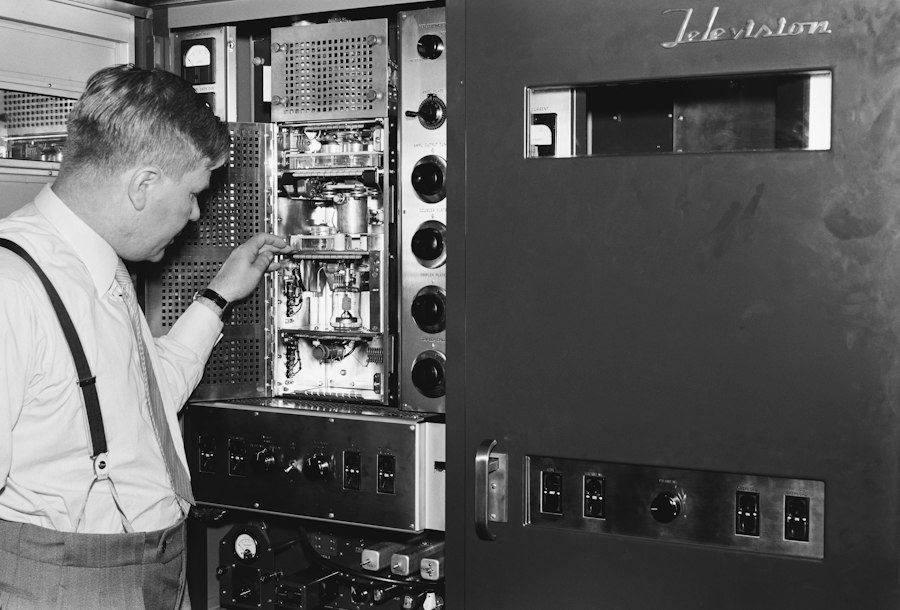
The journey from a theoretical concept to a commercially viable product is often fraught with obstacles, and the development of E Ink was no exception. Joseph Jacobson’s persistence and his ability to attract and inspire a talented team were crucial in navigating these challenges. The initial laboratory prototypes, while demonstrating the feasibility of the electrophoretic principle, were far from the polished, high-resolution displays we see today. Significant engineering hurdles had to be overcome, from achieving stable suspension of the particles to developing the electronic circuitry capable of controlling millions of these microcapsules with sufficient speed and accuracy.
Microencapsulation: The Key to Stability and Durability
A pivotal breakthrough in the development of E Ink was the refinement of the microencapsulation process. This technique involves suspending millions of tiny, microscopic capsules, each containing the charged pigment particles and a clear fluid, within a polymer matrix. The capsules themselves are incredibly small, typically smaller than the diameter of a human hair, making them invisible to the naked eye. The success of E Ink hinged on ensuring that these capsules were robust, uniformly sized, and that the particles within them remained consistently charged and suspended. Jacobson and his team invested significant effort in developing novel methods for creating these microcapsules, focusing on materials and processes that would guarantee longevity and consistent performance under various environmental conditions. This attention to detail in the foundational manufacturing process was what allowed E Ink to move beyond the confines of the lab and into practical applications.
The Electronic Backbone: Driving the Display
Beyond the innovative ink technology itself, a sophisticated electronic driving system was paramount. Each pixel on an E Ink display is essentially a controlled environment where an electric field dictates the position of the charged particles. This requires a complex network of transistors and electrodes, precisely engineered to control the voltage applied to individual microcapsules. The early development focused on creating a driving scheme that was both efficient and capable of producing clear, stable images. The challenge was to overcome the inherent limitations of electrophoretic movement, which can be slower than emissive displays. Jacobson’s team explored various methods of electrical control, including pulse-width modulation and sophisticated addressing schemes, to achieve acceptable refresh rates and reduce the “ghosting” or lingering images that can be a problem with some electrophoretic technologies. The synergy between the microcapsule technology and the electronic control system was the true magic behind E Ink’s eventual success.
Transforming Industries: The Impact of E Ink
The revolutionary nature of E Ink lies not just in its technological sophistication but in its profound impact across a multitude of industries. By offering a display that mimics the readability and energy efficiency of paper, E Ink opened up entirely new possibilities for product design and user experience. Its unique characteristics made it ideal for applications where traditional screens were either impractical or undesirable. This widespread adoption transformed how we interact with information, moving beyond the confines of glowing screens and back towards a more familiar, paper-like interface.
E-readers: The Dawn of Digital Paper
Perhaps the most iconic application of E Ink technology is in the realm of e-readers. Devices like the Amazon Kindle, which heavily utilize E Ink displays, have redefined the experience of reading. The paper-like appearance, the absence of glare, and the low power consumption allow for hours of comfortable reading without eye strain, mirroring the experience of reading a physical book. This was precisely the vision Joseph Jacobson had harbored. The ability to carry an entire library in a lightweight, portable device, powered by a battery that lasts for weeks on a single charge, was a paradigm shift. E Ink enabled a more immersive and less intrusive reading experience, contributing significantly to the widespread adoption of digital books and challenging the traditional publishing industry. The success of e-readers demonstrated the commercial viability and consumer appeal of Jacobson’s innovation on a massive scale.
Beyond Books: Expanding the Digital Canvas
The versatility of E Ink quickly extended far beyond e-readers. Its low power consumption and excellent readability in bright light made it an attractive choice for a wide array of applications. Retailers adopted E Ink displays for electronic shelf labels, allowing for dynamic pricing updates and reducing the need for manual label changes. This offered significant cost savings and operational efficiency. Public transportation systems began using E Ink for bus stop signage and route information, benefiting from the visibility and durability of the displays. Digital signage in public spaces, outdoor advertising, and even smart cards have all benefited from the unique advantages offered by E Ink technology. This expansion showcased Jacobson’s innovation as a foundational technology with the potential to permeate nearly every facet of our visual information landscape.
The Technical Nuances: How E Ink Achieves its Magic
Understanding the technical underpinnings of E Ink reveals the ingenious engineering that allows it to stand apart from conventional displays. While the concept of charged particles moving within capsules might seem simple, the execution involves sophisticated material science and precise electrical engineering. The core principles revolve around manipulating light rather than generating it, a fundamental difference that imbues E Ink with its characteristic advantages. The development process involved numerous iterations and refinements to optimize performance and overcome inherent challenges.
The Microcapsule Composition: A Symphony of Particles
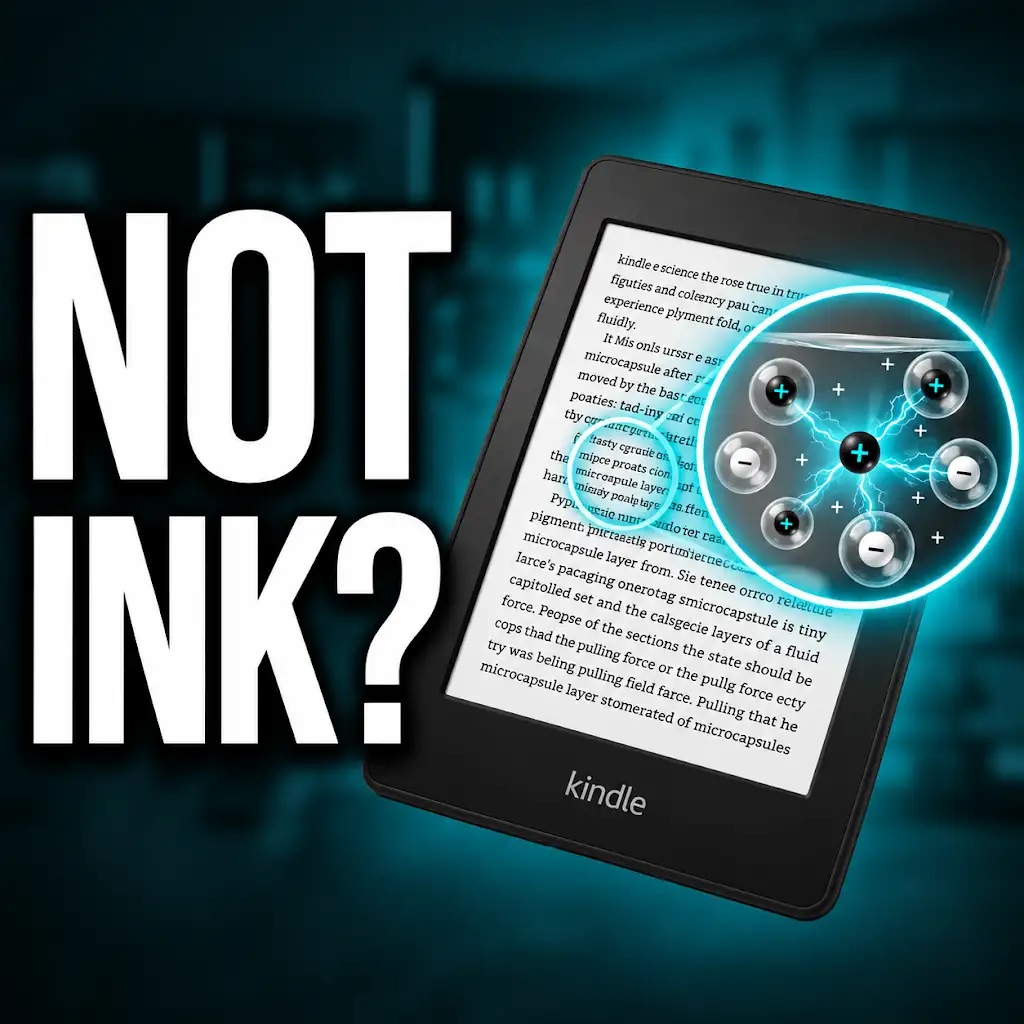
The heart of an E Ink display lies within its microcapsules. Each capsule acts as a tiny, self-contained display element. The precise composition of these capsules is critical to their performance. Typically, they contain a clear fluid, white pigment particles that are positively charged, and black pigment particles that are negatively charged. These particles are carefully formulated to have specific sizes, densities, and charge characteristics. When an electric field is applied, the charged particles migrate. For example, to display a black pixel, a negative voltage is applied to the electrode beneath that area, attracting the positively charged white particles to the back of the capsule and allowing the negatively charged black particles to rise to the front, making the pixel appear black. Conversely, for a white pixel, the polarity is reversed. The controlled movement of these microscopic particles creates the visible image, mimicking the scattering of light from ink on paper. The size and distribution of the capsules, along with the optical properties of the pigments, are meticulously engineered to achieve high contrast and crisp images.
Refresh Rates and Bistability: The Trade-offs and Triumphs
One of the most significant technical considerations for E Ink displays is their refresh rate. Due to the physical movement of particles, E Ink displays are inherently slower to update than emissive technologies like LCD or OLED. However, this slower refresh rate is compensated by a crucial characteristic known as bistability. Bistability means that once an image is set on an E Ink display, it requires no power to maintain that image. This is unlike emissive displays that need constant power to keep pixels illuminated. This power-saving advantage is a cornerstone of E Ink’s appeal. While initial E Ink displays could take several seconds to refresh, ongoing research and development have significantly improved these refresh rates, making them suitable for a wider range of dynamic content. The engineering challenge has been to achieve a balance between speed, image stability, and power consumption, a challenge that Joseph Jacobson and his team have continually addressed with innovative solutions, pushing the boundaries of what was once considered possible for electrophoretic displays.
Joseph Jacobson is known for his pioneering work in e-ink technology, which has revolutionized the way we read and interact with digital content. His innovations have paved the way for devices that mimic the appearance of ink on paper, providing a more comfortable reading experience. For those interested in exploring the broader implications and advancements in this field, a related article can be found at Freaky Science, where the latest developments in electronic paper technology are discussed in detail.
The Future of Visual Interfaces: Jacobson’s Enduring Legacy
| Metric | Details |
|---|---|
| Name | Joseph Jacobson |
| Field | Electronic Ink Technology |
| Known For | Co-founder of E Ink Corporation |
| Technology | Microencapsulated electrophoretic display |
| Applications | E-readers, electronic shelf labels, signage |
| Key Innovation Year | 1997 |
| Material Used | Microcapsules containing charged pigment particles |
| Advantages | Low power consumption, high readability in sunlight |
Joseph Jacobson’s contributions to display technology extend far beyond the current applications of E Ink. His pioneering work has opened doors to entirely new avenues of research and development, shaping the future of how we interact with visual information. The fundamental principles he championed – passive reflectivity, low power consumption, and a natural, paper-like aesthetic – continue to inspire innovation in the field. His legacy is not just in the devices we use today, but in the conceptual framework he established for creating more sustainable, more intuitive, and more human-centric displays.
Towards Dynamic and Flexible Displays
The ongoing evolution of E Ink technology hints at an even more dynamic and versatile future. Researchers are continuously working on developing full-color E Ink displays with faster refresh rates, aiming to make them competitive with traditional color screens for a broader range of applications. Furthermore, the development of flexible and conformable E Ink displays promises to unlock new design possibilities. Imagine e-paper that can be seamlessly integrated into clothing, packaging, or even curved surfaces, creating truly interactive and adaptable visual experiences. Jacobson’s initial vision of a ubiquitous, paper-like display is steadily expanding, with the potential to integrate visual information into the fabric of our everyday lives in ways we are only beginning to imagine.
The Green Revolution in Displays
In an era increasingly focused on sustainability and energy efficiency, Joseph Jacobson’s innovation stands as a beacon of progress. The inherent low power consumption of E Ink technology represents a significant step towards a greener digital future. By reducing the reliance on power-hungry emissive displays, E Ink contributes to lowering the carbon footprint of electronic devices. As the demand for energy-efficient solutions continues to grow, E Ink is poised to play an even more critical role in shaping environmentally conscious technology. Jacobson’s foresight in prioritizing energy efficiency from the outset has proven to be a crucial differentiator, solidifying his legacy as a visionary who not only revolutionized display technology but also championed a more sustainable approach to innovation. His enduring impact lies in the creation of a technology that is both revolutionary and responsible, a testament to his profound understanding of both science and its societal implications.
Why Your Kindle Screen Doesn’t Work the Way You Think
FAQs
What is E Ink?
E Ink is a type of electronic paper display technology that mimics the appearance of ink on paper. It is commonly used in e-readers, electronic shelf labels, and other electronic devices.
Who is Joseph Jacobson?
Joseph Jacobson is a scientist and inventor who co-founded E Ink Corporation in 1997. He is known for his contributions to the development of electronic ink technology.
How does E Ink work?
E Ink displays work by using tiny microcapsules filled with positively charged white particles and negatively charged black particles. When an electric field is applied, the particles move to the top of the microcapsules, creating the appearance of text or images.
What are the advantages of E Ink displays?
E Ink displays offer several advantages, including low power consumption, high visibility in various lighting conditions, and the ability to maintain an image without power. They are also easy on the eyes and provide a paper-like reading experience.
What are some common applications of E Ink technology?
E Ink technology is commonly used in e-readers such as the Amazon Kindle, electronic shelf labels in retail stores, digital signage, smartwatches, and other electronic devices that require low-power, high-contrast displays.