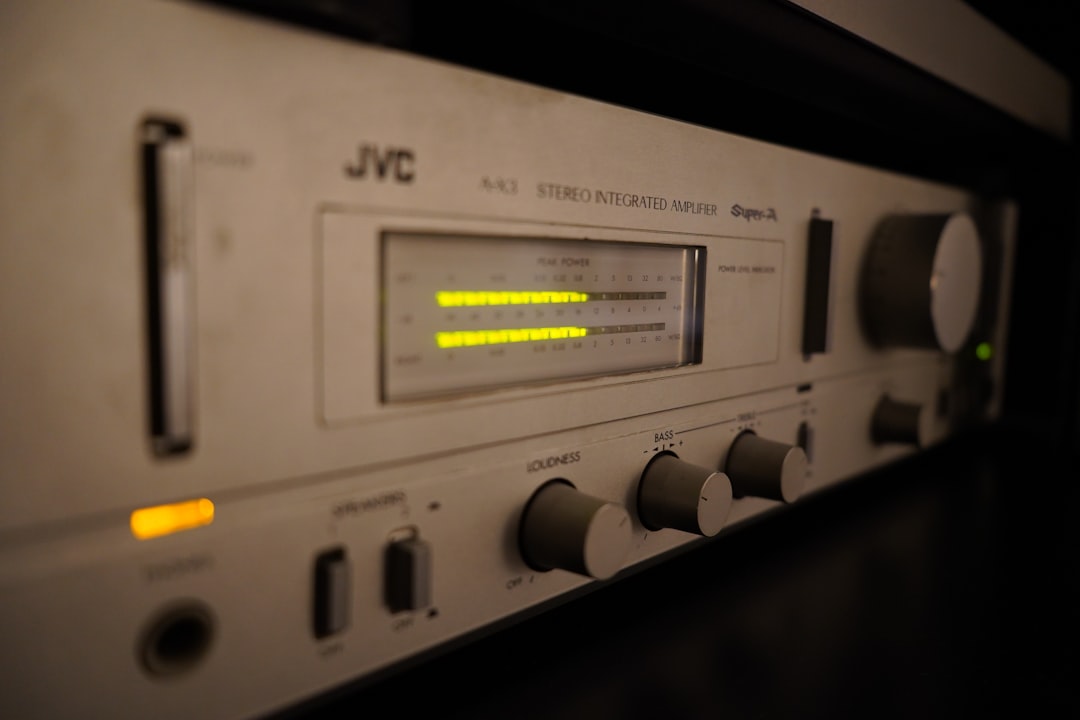
High resolution audio (HRA) refers to sound recordings with higher sampling rates and bit depths than standard CD quality audio. Standard CDs use a sampling rate of 44.1 kHz and a bit depth of 16 bits, while high resolution audio typically begins at 96 kHz and extends to 192 kHz with bit depths of 24 bits or greater. This increased technical specification captures more audio information, potentially revealing details in music that standard formats may not reproduce.
High resolution audio is available in several formats, each with distinct technical characteristics. Lossless formats such as FLAC (Free Lossless Audio Codec) and ALAC (Apple Lossless Audio Codec) compress audio without data loss, while DSD (Direct Stream Digital) uses a different encoding method based on pulse-density modulation. The choice of format depends on factors including equipment compatibility, storage requirements, and personal preference.
The practical benefits of high resolution audio remain subject to ongoing discussion within the audio engineering community. While higher sampling rates and bit depths theoretically allow for more precise audio reproduction, the audibility of these improvements depends on multiple variables, including the quality of playback equipment, the acoustic environment, and individual hearing capabilities.
Key Takeaways
- High resolution audio offers greater sound detail and clarity compared to standard audio formats.
- Scientific studies highlight the improved frequency range and dynamic range in high resolution audio.
- Common myths about high resolution audio, such as it being inaudible to most listeners, are debunked.
- Various formats like FLAC, DSD, and MQA support high resolution audio for different listening preferences.
- The future of music involves wider adoption of high resolution audio through streaming and consumer devices.
The Science Behind High Resolution Audio
The science behind high resolution audio is rooted in the principles of sound reproduction and digital encoding. When sound waves are converted into digital signals, they are sampled at specific intervals to create a representation of the original audio. Higher sampling rates mean that more data points are captured, resulting in a more accurate reproduction of the sound wave.
This is particularly important for complex musical passages where subtle nuances can be lost in lower resolution formats. As you learn about these technical aspects, you may begin to appreciate how they contribute to the overall listening experience. Bit depth plays a crucial role in determining the dynamic range of audio recordings.
A higher bit depth allows for a greater range of volume levels, enabling you to hear both the softest whispers and the loudest crescendos without distortion. This dynamic range is essential for conveying the emotional depth of music, allowing you to connect with the artist’s intent on a deeper level. By understanding the science behind high resolution audio, you can better appreciate the artistry involved in music production and how it translates into your listening experience. Experience the clarity and depth of sound like never before with high resolution audio.
Comparing High Resolution Audio with Standard Audio
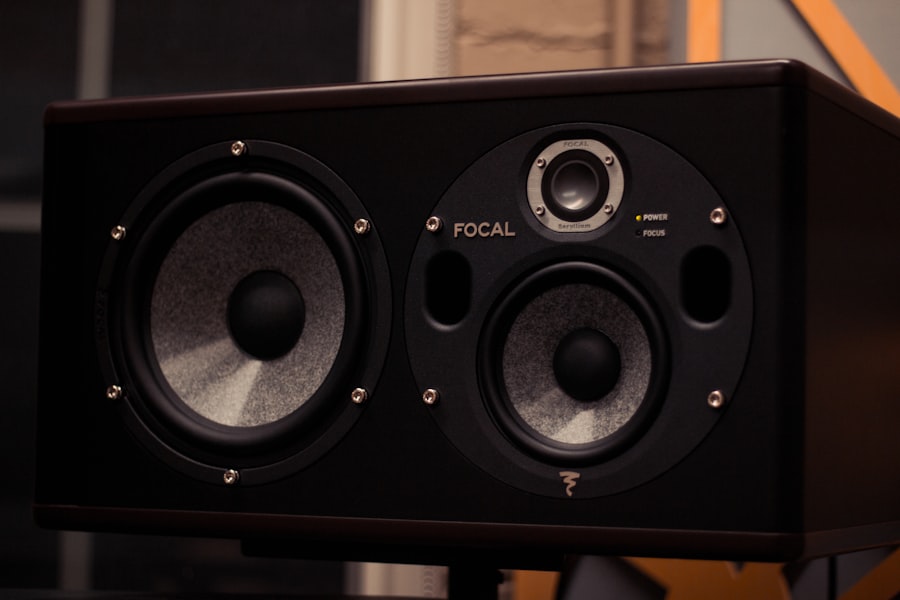
When comparing high resolution audio with standard audio formats, it’s essential to consider both the technical specifications and the subjective listening experience. Standard audio formats, such as MP3 or CD quality, are often compressed to save space, which can result in a loss of detail and clarity. In contrast, high resolution audio retains more information from the original recording, allowing for a fuller representation of the sound.
As you listen to both formats side by side, you may notice that high resolution audio offers a more expansive soundstage and greater clarity in individual instruments. However, it’s important to recognize that not everyone will perceive a significant difference between high resolution audio and standard formats. Factors such as your listening environment, the quality of your playback equipment, and even your own hearing capabilities can influence your experience.
While some audiophiles may revel in the intricacies of high resolution recordings, others may find that standard audio meets their needs perfectly well. Ultimately, your personal preferences and listening habits will play a significant role in determining which format is best for you.
Benefits of High Resolution Audio
One of the primary benefits of high resolution audio is its ability to deliver a more authentic listening experience. With greater detail and clarity, you can hear nuances in recordings that might otherwise go unnoticed. This heightened level of fidelity can enhance your emotional connection to music, allowing you to appreciate the artistry behind each performance.
As you immerse yourself in high resolution audio, you may find that it transforms your relationship with music, making each listening session feel like a new discovery. Another significant advantage of high resolution audio is its potential for future-proofing your music collection. As technology continues to evolve, more artists and producers are embracing high resolution formats for their recordings.
By investing in high resolution audio now, you’re positioning yourself to enjoy an ever-expanding library of music that takes full advantage of these advancements. This forward-thinking approach not only enhances your current listening experience but also ensures that you’re prepared for the future of music consumption.
Debunking Myths About High Resolution Audio
| Metric | High Resolution Audio | Standard Audio (CD Quality) | Notes |
|---|---|---|---|
| Sample Rate | 96 kHz – 192 kHz | 44.1 kHz | Higher sample rates capture more audio detail |
| Bit Depth | 24-bit | 16-bit | Higher bit depth allows greater dynamic range |
| Frequency Response | Up to 40 kHz or more | Up to 20 kHz | Human hearing typically ranges up to 20 kHz |
| Dynamic Range | Up to 144 dB | Up to 96 dB | Higher dynamic range reduces noise and distortion |
| Perceived Sound Quality | Varies; some listeners report clearer, more detailed sound | Generally considered good quality | Subjective; depends on equipment and listener sensitivity |
| File Size | Large (e.g., 24-bit/96 kHz WAV ~ 33 MB/min) | Smaller (e.g., 16-bit/44.1 kHz WAV ~ 10 MB/min) | Higher resolution files require more storage |
| Compatibility | Requires compatible playback hardware/software | Widely supported | Standard audio is more universally playable |
Despite its growing popularity, several myths about high resolution audio persist in public discourse. One common misconception is that high resolution audio is only beneficial for audiophiles or those with expensive sound systems. While it’s true that higher quality equipment can enhance the listening experience, many people can appreciate the differences in sound quality even on more modest setups.
As you explore high resolution audio, you may find that it offers benefits regardless of your equipment’s price point. Another myth is that high resolution audio is simply a marketing gimmick designed to sell more expensive products. While there are certainly instances where marketing plays a role, the technical differences between high resolution and standard audio formats are well-documented.
By educating yourself about these distinctions, you can make informed decisions about your music consumption without falling prey to misconceptions or hype.
High Resolution Audio Formats
High resolution audio comes in various formats, each with its own unique characteristics and advantages. Some of the most popular formats include FLAC (Free Lossless Audio Codec), ALAC (Apple Lossless Audio Codec), DSD (Direct Stream Digital), and PCM (Pulse Code Modulation). FLAC and ALAC are particularly appealing because they compress audio files without sacrificing quality, making them ideal for those who want to save storage space while still enjoying high fidelity sound.
DSD is another intriguing format that has gained traction among audiophiles due to its unique approach to digital audio encoding. Unlike PCM, which samples audio at regular intervals, DSD uses a continuous stream of data to represent sound waves. This method can result in a more natural sound reproduction, although it may require specialized playback equipment.
As you explore these various formats, consider experimenting with different types to find out which ones resonate most with your personal taste and listening preferences.
How to Experience High Resolution Audio
To fully experience high resolution audio, you’ll need to invest in both compatible playback equipment and suitable software or streaming services. Many modern digital audio players, smartphones, and computers support high resolution formats, but it’s essential to ensure that your devices are capable of handling these files effectively. Look for devices that support higher sampling rates and bit depths to maximize your listening experience.
In addition to hardware considerations, you’ll also want to explore software options that offer access to high resolution music libraries. Many streaming services now provide high resolution audio options alongside their standard offerings.
As you immerse yourself in this world, you’ll likely discover new artists and genres that resonate with you on a deeper level.
High Resolution Audio and Digital Music Streaming
The rise of digital music streaming has significantly impacted how we consume music today, including the availability of high resolution audio options. Many popular streaming platforms have begun offering high resolution tiers alongside their standard subscriptions, allowing listeners to enjoy superior sound quality without needing to purchase individual albums or tracks. This shift has made high resolution audio more accessible than ever before.
As you explore these streaming options, consider how they align with your listening habits and preferences. Some services may offer exclusive content or curated playlists that cater specifically to high resolution audio enthusiasts. By taking advantage of these features, you can enhance your overall listening experience while discovering new music that elevates your appreciation for sound quality.
High Resolution Audio and the Future of Music
The future of music is undoubtedly intertwined with advancements in technology and evolving consumer preferences. As more artists embrace high resolution recording techniques and as playback technology continues to improve, it’s likely that high resolution audio will become increasingly mainstream. This shift could lead to a broader acceptance of high fidelity sound across various genres and demographics.
Moreover, as consumers become more aware of the benefits of high resolution audio, there may be a growing demand for better quality recordings from artists and producers alike. This trend could encourage musicians to prioritize sound quality during production processes, ultimately resulting in a richer musical landscape for everyone. As you consider the future of music consumption, think about how your own preferences may evolve alongside these changes.
High Resolution Audio and the Consumer Market
The consumer market for high resolution audio has seen significant growth in recent years as awareness increases among listeners about the benefits of superior sound quality. With more manufacturers producing affordable high-resolution-capable devices and streaming services offering accessible options, it’s becoming easier for everyday consumers to engage with this technology. As you navigate this evolving landscape, you’ll likely find an array of products designed to enhance your listening experience without breaking the bank.
Additionally, as competition within the market intensifies, consumers can expect continued innovation in both hardware and software solutions for high resolution audio playback. This could lead to even more user-friendly interfaces and improved accessibility for those new to high fidelity sound. By staying informed about these developments, you’ll be well-equipped to make choices that align with your personal preferences and enhance your overall enjoyment of music.
Is High Resolution Audio Better for You?
Ultimately, whether high resolution audio is better for you depends on your individual preferences and listening habits. If you’re someone who values detail and nuance in music or if you’re an audiophile seeking an immersive experience, then investing in high resolution audio may be worthwhile for you.
As you explore the world of high resolution audio, consider experimenting with different formats and playback methods to determine what resonates most with you personally. The journey into high fidelity sound can be an enriching experience that deepens your appreciation for music while opening up new avenues for discovery. Whether you choose to embrace high resolution audio or stick with standard formats, what matters most is finding joy in the music you love.
Many audiophiles often debate whether high-resolution audio truly offers a noticeable improvement in sound quality compared to standard formats. For those interested in exploring this topic further, a related article can be found at Freaky Science, which delves into the nuances of audio fidelity and the subjective experiences of listeners. This resource provides insights that can help you form your own opinion on the merits of high-resolution audio.
WATCH THIS! Can You Really Hear High-Res Audio? 🎶
FAQs
What is high resolution audio?
High resolution audio refers to audio files that have a higher sampling rate and bit depth than standard CD quality (44.1 kHz/16-bit). Common high resolution formats include 96 kHz/24-bit and 192 kHz/24-bit, which can capture more detail and dynamic range in the sound.
Does high resolution audio always sound better than standard audio?
Not necessarily. While high resolution audio can provide more detail and clarity, the audible difference depends on factors such as the quality of the playback equipment, the listener’s hearing ability, and the mastering of the recording. In some cases, the difference may be subtle or imperceptible.
What equipment is needed to properly enjoy high resolution audio?
To fully appreciate high resolution audio, you need compatible playback devices such as high-quality digital-to-analog converters (DACs), headphones or speakers capable of reproducing the extended frequency range, and source files in high resolution formats.
Are all high resolution audio files better than compressed formats like MP3?
High resolution audio files generally contain more audio information than compressed formats like MP3, which use lossy compression to reduce file size. This can result in better sound quality, but the improvement depends on the bitrate of the compressed file and the listener’s sensitivity to audio quality differences.
Is high resolution audio the same as lossless audio?
No. Lossless audio refers to audio files that retain all original data without compression loss, such as FLAC or ALAC, but they may still be at CD quality (44.1 kHz/16-bit). High resolution audio specifically refers to files with higher sampling rates and bit depths than CD quality.
Can most people hear the difference between high resolution and standard audio?
Many listeners may not notice a significant difference, especially in casual listening environments or with standard audio equipment. Trained listeners using high-quality gear in controlled settings are more likely to perceive the nuances of high resolution audio.
Is streaming high resolution audio widely available?
Yes, several music streaming services offer high resolution audio streaming options, including Tidal, Amazon Music HD, and Qobuz. However, streaming high resolution audio requires a stable and fast internet connection and compatible playback devices.
Does file size increase with high resolution audio?
Yes, high resolution audio files are larger than standard resolution files due to the increased sampling rate and bit depth, which means they require more storage space and bandwidth for streaming.