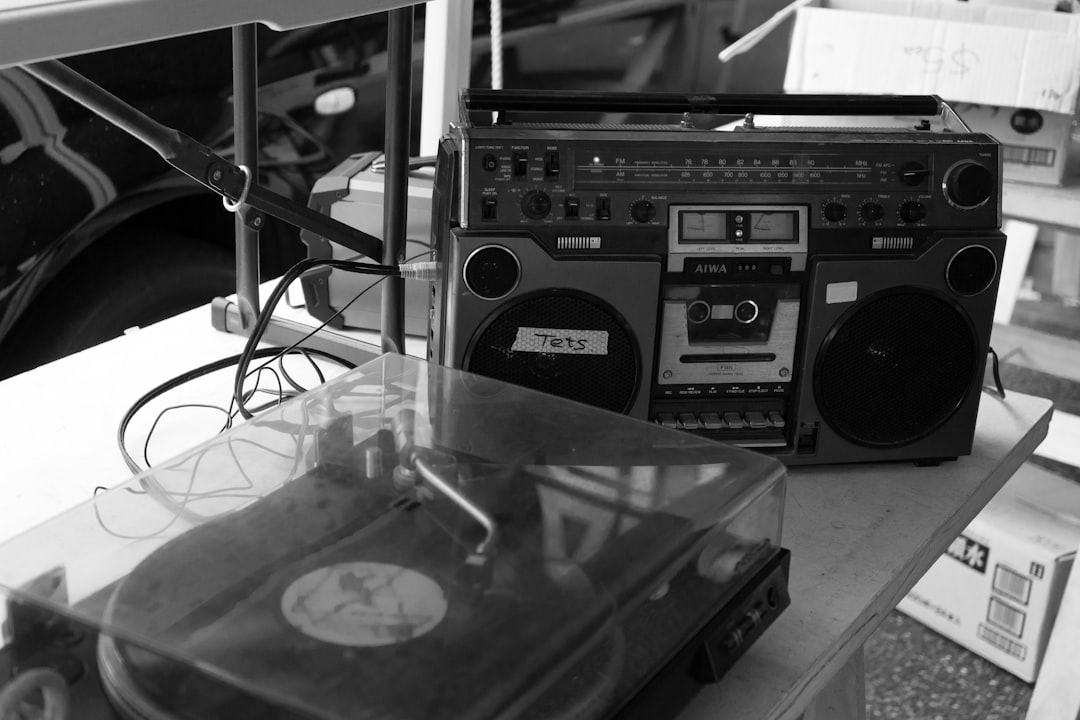
CD quality audio is defined by technical specifications of 16-bit depth and a 44.1 kHz sampling rate. Introduced in the early 1980s, this standard represented a significant advancement in sound reproduction, offering greater clarity and detail than previous analog formats such as vinyl records and cassette tapes. CD quality audio provides a balanced frequency response and dynamic range capable of capturing both subtle and loud elements of music.
This format has remained a widely accepted standard for audio reproduction across various media platforms. Audio technology has continued to evolve since the CD format’s introduction. Higher resolution audio formats, including 24-bit depth and sampling rates exceeding 44.1 kHz, are now available.
These advancements offer increased technical specifications, though the audible differences between CD quality and higher resolution formats remain subject to ongoing discussion within the audio engineering community. Understanding these developments is relevant for consumers evaluating their audio equipment and listening preferences.
Key Takeaways
- CD quality audio marked a significant standard in sound reproduction but has limitations compared to modern high-resolution formats.
- Advances in technology have enabled the evolution from CD quality to high-resolution audio, offering greater detail and clarity.
- The debate over audio quality centers on whether higher resolution audio provides a perceptible improvement to the average listener.
- Accessibility to high-resolution audio is increasing, making it more feasible for consumers to experience enhanced sound quality.
- Evaluating audio quality involves multiple factors, including equipment, environment, and individual perception, influencing the future of audio standards.
The evolution of audio quality
The journey of audio quality has been marked by significant milestones that have shaped how you experience music today. From the early days of vinyl records, where sound was limited by the physical constraints of the medium, to the introduction of cassette tapes that offered portability but compromised fidelity, each format brought its own set of advantages and drawbacks. The arrival of CDs marked a turning point, as digital technology allowed for cleaner sound reproduction and greater durability compared to its predecessors.
As you explore this evolution, you’ll notice that advancements in technology have continually pushed the boundaries of what is possible in audio quality. The transition from CDs to digital downloads and streaming services has made music more accessible than ever before. However, this shift has also led to a new set of challenges regarding audio fidelity.
While you can now carry thousands of songs in your pocket, the compression algorithms used in streaming can sometimes sacrifice sound quality for convenience. Understanding this evolution helps you appreciate the context in which CD quality audio exists today. Experience the clarity and depth of sound like never before with high resolution audio.
The limitations of CD quality audio
Despite its many advantages, CD quality audio is not without its limitations. One significant drawback is its inability to capture the full spectrum of sound that high-resolution formats can offer. While 16-bit depth and 44.1 kHz sampling provide a solid foundation for most listening experiences, they may not fully convey the richness and detail present in more complex musical compositions.
As a listener, you might find that certain nuances are lost when compared to higher-quality formats.
If you are an audiophile or someone who values high-fidelity sound, you may find yourself yearning for more depth and clarity than what CDs can provide.
This realization has led many to seek out alternative formats that promise a more immersive listening experience.
The impact of high-resolution audio
High-resolution audio has emerged as a response to the limitations of CD quality, offering a more detailed and expansive listening experience. With formats that boast bit depths of 24 bits and sampling rates that can exceed 192 kHz, high-resolution audio captures a broader range of frequencies and dynamic contrasts. For you, this means that every note and nuance can be experienced with greater clarity and precision, allowing for a deeper emotional connection to the music.
The impact of high-resolution audio extends beyond just technical specifications; it also influences how artists create and produce their music. Many musicians are now embracing these advanced formats during recording sessions, ensuring that their work is preserved in the highest quality possible. As a listener, this shift means that you have access to recordings that reflect the true artistry and intention behind each piece, enhancing your overall enjoyment and appreciation of the music.
The debate over the importance of audio quality
| Metric | CD Quality Audio | Explanation |
|---|---|---|
| Sample Rate | 44.1 kHz | Number of samples per second; standard for CD audio, sufficient to cover human hearing range up to 20 kHz |
| Bit Depth | 16-bit | Determines dynamic range; 16-bit provides 96 dB dynamic range, enough for most listening environments |
| Frequency Response | 20 Hz – 20 kHz | Range of audible frequencies covered by CD audio, matching typical human hearing |
| Dynamic Range | ~96 dB | Difference between the quietest and loudest sounds; CD quality covers most music dynamics |
| File Size | ~10 MB per minute (uncompressed) | Size of audio data; uncompressed PCM audio at CD quality |
| Perceived Audio Quality | High | Generally considered transparent to most listeners, especially on consumer-grade equipment |
| Comparison to Hi-Res Audio | Lower sample rate and bit depth | Hi-Res audio offers higher sample rates and bit depths, but audible difference is debated |
| Use Case | Standard for music distribution | Widely accepted as good enough for casual and professional listening |
As you navigate the world of audio quality, you’ll encounter a lively debate regarding its importance. On one side are those who argue that high-resolution audio is essential for an authentic listening experience, while others contend that CD quality is sufficient for most casual listeners. This discussion often hinges on personal preferences and listening habits; some individuals may prioritize convenience over fidelity, while others may seek out every opportunity to enhance their auditory experience.
This debate also raises questions about the role of equipment in audio quality. You might find that investing in high-end headphones or speakers can significantly impact your perception of sound, regardless of whether you’re listening to CD quality or high-resolution formats. Ultimately, your own experiences and preferences will shape your stance on this issue, leading you to consider what matters most when it comes to enjoying music.
The role of technology in audio quality
Technology plays a pivotal role in shaping audio quality, influencing everything from recording techniques to playback devices. As advancements continue to emerge, you may find yourself benefiting from innovations such as lossless compression formats and improved digital-to-analog converters (DACs).
Moreover, streaming services have begun to embrace high-resolution audio options, making it easier for you to access superior sound quality without needing to invest in physical media. As technology continues to evolve, it will be fascinating to see how these changes impact your relationship with music and your expectations for audio fidelity.
The accessibility of high-resolution audio
One of the most significant shifts in recent years has been the increasing accessibility of high-resolution audio. Once limited to niche markets and audiophiles with specialized equipment, high-resolution formats are now available through various platforms and services. This democratization means that you no longer need to be an expert or invest heavily in gear to enjoy superior sound quality; instead, you can explore high-resolution options with relative ease.
Streaming services like Tidal and Qobuz have made it possible for you to access vast libraries of high-resolution music at your fingertips. This accessibility encourages exploration and experimentation with different genres and artists, allowing you to discover new sounds while enjoying enhanced audio fidelity. As more listeners embrace high-resolution options, it will be interesting to see how this trend shapes the future landscape of music consumption.
The perception of audio quality
Your perception of audio quality is influenced by various factors, including personal preferences, listening environments, and even psychological aspects. For some listeners, the difference between CD quality and high-resolution audio may be negligible; they might prioritize convenience or simply enjoy music without delving into technical details. Others may have finely tuned ears that can detect subtle differences in sound reproduction, leading them to seek out higher-quality formats.
Additionally, your listening environment plays a crucial role in how you perceive audio quality. Factors such as room acoustics, speaker placement, and even background noise can significantly impact your experience. As you consider these elements, it’s essential to recognize that your perception is subjective and can vary widely from person to person.
The future of audio quality
Looking ahead, the future of audio quality appears promising as technology continues to advance at an unprecedented pace. Innovations such as spatial audio and immersive sound experiences are gaining traction, offering new ways for you to engage with music beyond traditional stereo formats. These developments could redefine how you experience sound, creating a more enveloping atmosphere that draws you deeper into the music.
Moreover, as consumer demand for high-quality audio grows, it’s likely that more artists will prioritize recording in higher resolutions and exploring new formats. This shift could lead to an exciting era where music is not only more accessible but also richer and more engaging than ever before.
Factors to consider when evaluating audio quality
When evaluating audio quality, several factors come into play that can influence your overall experience. First and foremost is the format itself; understanding the differences between CD quality and high-resolution options will help you make informed choices about what to listen to. Additionally, consider the equipment you’re using—headphones or speakers with higher fidelity capabilities can significantly enhance your enjoyment.
Another important aspect is your listening environment; creating an optimal space for enjoying music can make a world of difference in how you perceive sound quality. Finally, don’t underestimate the power of personal preference; what sounds best to one person may not resonate with another. By considering these factors holistically, you’ll be better equipped to navigate the complex landscape of audio quality.
Is CD quality audio good enough?
As you reflect on your journey through the world of audio quality, it’s clear that CD quality has played a significant role in shaping how we experience music today. While it remains a reliable standard for many listeners, advancements in technology have opened up new possibilities for those seeking richer and more detailed soundscapes. Ultimately, whether CD quality audio is “good enough” depends on your individual preferences and listening habits.
For some, CD quality may suffice for everyday enjoyment; for others who crave a deeper connection with their music, exploring high-resolution options may be worth the investment. As technology continues to evolve and accessibility increases, you’ll have more opportunities than ever to discover what truly resonates with you in terms of audio fidelity. In this ever-changing landscape, one thing remains certain: your relationship with music will continue to grow as you explore the nuances of sound quality.
When considering whether CD quality audio is good enough for today’s listeners, it’s important to explore various perspectives on audio quality and its impact on the listening experience. A related article that delves into this topic is available at Freaky Science, where you can find insights on the evolution of audio formats and the preferences of modern audiophiles.
WATCH THIS! Can You Really Hear High-Res Audio? 🎶
FAQs
What is CD quality audio?
CD quality audio refers to digital audio that is sampled at 44.1 kHz with a bit depth of 16 bits per sample. This format provides a frequency response up to 22.05 kHz and a dynamic range of about 96 dB.
Is CD quality audio considered high fidelity?
Yes, CD quality audio is generally considered high fidelity and has been the standard for consumer audio since the 1980s. It offers clear, accurate sound reproduction suitable for most listening environments.
How does CD quality audio compare to higher resolution formats?
Higher resolution audio formats, such as 24-bit/96 kHz or 24-bit/192 kHz, provide greater dynamic range and frequency response than CD quality. However, the audible difference between CD quality and higher resolutions is often subtle and may not be noticeable to most listeners.
Can most people hear the difference between CD quality and higher resolution audio?
Many studies suggest that most listeners cannot reliably distinguish between CD quality audio and higher resolution formats under normal listening conditions, especially with typical consumer audio equipment.
Is CD quality audio sufficient for professional music production?
CD quality audio is often sufficient for many professional applications, including mixing and mastering. However, some professionals prefer higher resolution formats during production to allow more headroom and detail before downsampling to CD quality.
Does CD quality audio work well with common playback devices?
Yes, CD quality audio is compatible with virtually all consumer audio playback devices, including CD players, smartphones, computers, and streaming services.
What are the limitations of CD quality audio?
Limitations include a maximum frequency response of 22.05 kHz and a dynamic range of about 96 dB. While these are adequate for most listening scenarios, they may not capture the full nuance available in some high-resolution recordings.
Is CD quality audio good enough for casual listening?
Yes, CD quality audio is more than adequate for casual listening and provides a high-quality listening experience for most music genres and environments.