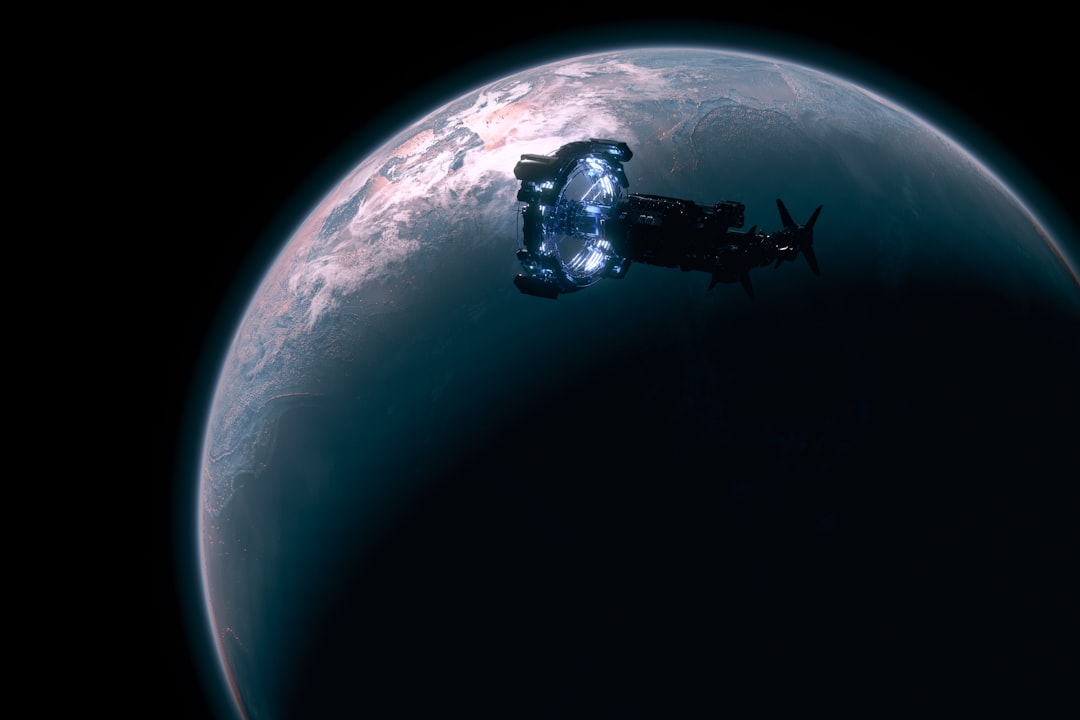
The flickering glow of the launchpad, the deafening roar of engines, and the breathtaking ascent into the inky blackness – these are the iconic images of space exploration. Yet, for every triumphant arrival, there exists a perilous return. The documentary “Into the Inferno: Spacecraft Reentry” plunges viewers into the heart of this critical, often terrifying, phase of spaceflight, shedding light on the physics, engineering, and human drama that define humanity’s journey back to Earth. This film offers an unparalleled, and at times visceral, experience of what it takes to survive the fiery embrace of atmospheric reentry.
The documentary masterfully opens by establishing the sheer violence and complexity of spacecraft reentry. It’s not a gentle descent; it’s a deliberate, controlled plunge through an increasingly dense atmosphere that transforms the spacecraft into a blazing projectile. The film meticulously breaks down the fundamental physics at play, explaining how the spacecraft’s velocity, which is still immense upon entering the upper atmosphere, becomes its greatest adversary. The immense kinetic energy must be dissipated, and the only mechanism available is friction. This friction, as the documentary vividly illustrates, generates unimaginable heat.
The Unseen Barrier: Atmospheric Friction
“Into the Inferno” dedicates significant segments to the science of atmospheric friction. Viewers are shown detailed, often animated, explanations of how the friction between the spacecraft’s hull and the atmospheric particles generates temperatures that can reach thousands of degrees Celsius – hotter than the surface of the sun. The film emphasizes that this is not a gradual heating; it is an instantaneous and brutal process. The very air that sustains life on Earth becomes a destructive force when encountered at such extreme speeds. The visual effects employed are stunning, showcasing the plasma sheath that envelops the spacecraft, a visible manifestation of the intense heat and ionization occurring. This glowing plasma, a byproduct of the air being superheated, obscures vision and interferes with communications, adding layers of peril to the already fraught descent.
The Plasma Shield: A Double-Edged Sword
The concept of the plasma shield is explored in depth. While its formation is a consequence of the destructive heat, it also paradoxically acts as a protective layer. The documentary explains how the ionized gas, though incredibly hot, can absorb and radiate some of the heat away from the spacecraft. However, this shield is not impermeable. It is a dynamic entity, constantly shifting and evolving with the spacecraft’s trajectory and speed. Engineers must predict and manage its behavior with extreme precision. The film interviews leading aerospace engineers who articulate the immense challenge of designing systems that can withstand and even leverage this plasma phenomenon. They discuss the historical challenges, such as the Apollo program’s near-disasters, and how lessons learned have shaped modern reentry technologies.
For those interested in the complexities of spacecraft reentry, a fascinating documentary can be found that delves into the science and engineering behind this critical phase of space missions. Additionally, you may want to explore a related article that discusses various aspects of space exploration and technology at Freaky Science. You can read more about it here: Freaky Science.
Engineering for Survival: The Heat Shield
The centerpiece of any successful reentry is the heat shield. “Into the Inferno” provides a detailed and accessible look at the ingenious engineering that makes surviving this fiery ordeal possible. The film doesn’t shy away from the materials science involved, explaining the properties of the ablative materials used. These materials are designed to char, burn, and vaporize in a controlled manner, absorbing and dissipating heat in the process.
Ablative Wonders: Materials Under Fire
The documentary highlights the evolution of heat shield technology. From the early, rudimentary shields of the Mercury and Gemini programs to the sophisticated, multi-layered systems used on the Space Shuttle and modern capsules, the progress is remarkable. Interviews with material scientists and engineers involved in developing these materials offer fascinating insights. They discuss the rigorous testing procedures, including simulations of extreme heat and pressure, and the constant quest for lighter, more durable, and more efficient materials. The visual representations of these materials undergoing extreme stress in laboratory settings are both informative and awe-inspiring, conveying the immense challenges faced by the engineers. The film also touches upon the challenges of inspecting and maintaining these critical components, as even minor damage can have catastrophic consequences.
The Shape of Safety: Aerodynamic Design
Beyond the materials, the aerodynamic shape of the spacecraft plays a crucial role in managing reentry forces. “Into the Inferno” explains how the blunt or rounded shapes of most reentry vehicles are intentional. This design maximizes drag, slowing the spacecraft down more effectively and spreading the heat load over a larger surface area. The documentary uses wind tunnel simulations and CGI to demonstrate how different shapes interact with the atmosphere during reentry. The contrast between the sleek, aerodynamic designs of rockets in ascent and the robust, blunt designs for reentry is striking and clearly explained. The film also delves into the critical role of the spacecraft’s orientation. A precise angle of attack is essential to ensure that the heat shield faces the brunt of the atmospheric friction and that the forces are distributed evenly, preventing the spacecraft from tumbling uncontrollably.
Navigating the Chaos: Guidance and Control
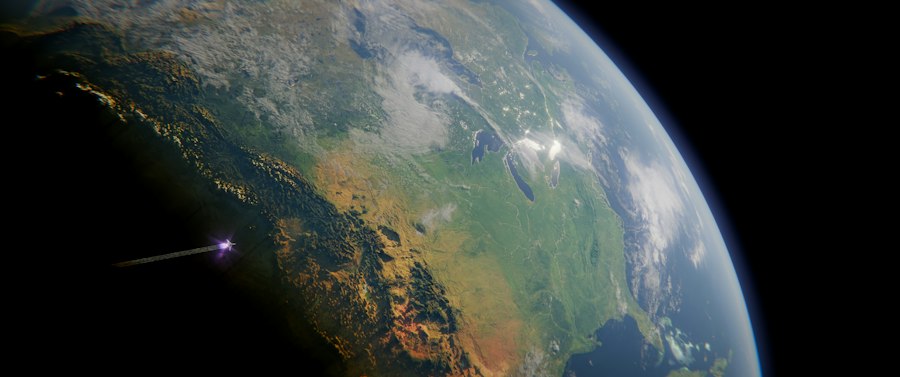
Reentry is not a passive experience for a spacecraft; it is an active and dynamically controlled maneuver. “Into the Inferno” meticulously details the intricate systems that guide and control the spacecraft through this perilous descent. The film emphasizes that every fraction of a second, every degree of tilt, matters.
The Digital Guardian: Onboard Computers
The documentary showcases the sophistication of the onboard computers responsible for managing reentry. These systems are tasked with an overwhelming amount of data processing, making real-time calculations and adjustments to keep the spacecraft on its intended trajectory. The film uses animations to illustrate how these computers interpret sensor data, such as altitude, velocity, and G-forces, and then command the spacecraft’s thrusters and control surfaces. The reliance on robust and redundant systems is highlighted, as any failure in these critical components could spell disaster. The interviews with mission control personnel and flight software engineers offer a glimpse into the immense pressure and responsibility they face during reentry. They are the silent partners in survival, monitoring every parameter and ready to intervene if necessary.
The Human Element: Mission Control’s Vigil
The role of mission control is given significant attention. “Into the Inferno” portrays the tense atmosphere of the control room during reentry, a hive of activity where hundreds of individuals work in unison. The film highlights the communication protocols, the contingency plans, and the unwavering focus of the teams responsible for guiding astronauts back home. The documentary features archival footage and interviews with former flight directors, offering firsthand accounts of the nail-biting moments of reentry. They describe the communication blackout, the uncertainty, and the immense relief when telemetry data confirms the spacecraft is on course for a successful landing. The film emphasizes that while technology is paramount, the expertise and quick thinking of human operators are indispensable.
The Unseen Dangers: Challenges and Anomalies
While modern reentry systems are incredibly advanced, the inherent dangers remain. “Into the Inferno” doesn’t shy away from exploring the potential pitfalls and the historical instances where things have gone wrong. These accounts serve as stark reminders of the risks involved and the constant need for vigilance and innovation.
Whispers from the Blackout: Communication Loss
The communication blackout during reentry is a recurring theme and a source of profound anxiety. The documentary explains the scientific reasons behind this phenomenon – the plasma sheath effectively acting as a Faraday cage, blocking radio signals. The film vividly recreates the silence from the perspective of both the astronauts and mission control. The feeling of isolation and the reliance on pre-programmed sequences and visual cues are emphasized. Archival audio from past missions, interspersed with dramatic reenactments, amplifies the sense of vulnerability during these silent minutes. The documentary also discusses the development of technologies aimed at mitigating or shortening this blackout period, reflecting the ongoing efforts to improve safety.
When Physics Fights Back: Catastrophic Failures
The film does not sensationalize, but it does candidly address the chilling reality of reentry failures. Historical accidents, such as the Space Shuttle Challenger and Columbia disasters, are discussed with sensitivity and a focus on the lessons learned. “Into the Inferno” explores the complex interplay of technical malfunctions, human error, and unforeseen circumstances that can lead to tragedy. The documentary interviews aerospace safety experts and engineers who dissect the causes of these accidents, highlighting the meticulous accident investigations and the subsequent design changes implemented to prevent recurrence. The film underscores that the pursuit of space exploration is intrinsically linked to an acceptance of risk, and that safety is a continuous process of learning and improvement. The visual reconstruction of the accidents, while brief, is impactful and serves as a powerful reminder of the stakes involved.
In exploring the fascinating world of spacecraft reentry, viewers can gain deeper insights by watching a related article that delves into the complexities of thermal protection systems and their crucial role in ensuring the safety of astronauts. This informative piece complements the documentary’s exploration of the challenges faced during reentry and highlights the innovative technologies developed to withstand extreme temperatures. For more information, check out this engaging article on spacecraft reentry.
The Final Descent: Touchdown and Beyond
| Metric | Value | Description |
|---|---|---|
| Reentry Speed | 28,000 km/h | Typical speed of spacecraft entering Earth’s atmosphere |
| Heat Shield Temperature | 1,650 °C | Maximum temperature experienced by heat shields during reentry |
| Deceleration G-Force | 3 to 8 G | Range of gravitational forces experienced by astronauts during reentry |
| Reentry Duration | 10 to 15 minutes | Time taken from atmospheric entry to landing |
| Altitude at Reentry Interface | 120 km | Altitude where spacecraft begins to encounter significant atmospheric drag |
| Typical Landing Accuracy | Within 10 km | Precision of spacecraft landing zones after reentry |
| Documentary Length | 90 minutes | Average runtime of a spacecraft reentry documentary |
| Number of Reentry Missions Covered | 5 to 10 | Typical number of missions featured in a documentary |
The climax of any reentry is the triumphant touchdown. “Into the Inferno” concludes by detailing the final stages of descent and the critical processes that ensure a safe landing, whether on land or in water. The film celebrates the successful conclusion of this perilous journey.
Parachutes and Precision: Slowing to a Standstill
The role of parachutes in decelerating the spacecraft is explained in detail. The documentary showcases the deployment sequence, from the drogue chutes that stabilize the vehicle to the main parachutes that further reduce speed. The visual effects illustrate the immense forces exerted on these parachutes and the precision required for their successful deployment. Interviews with parachute designers and testing engineers offer insights into the rigorous testing and quality control involved. The film highlights the difference in parachute systems for various spacecraft, from the large, colorful chutes of capsules like Soyuz and Dragon to the less visible, but equally critical, systems for spaceplanes.
Splashdowns and Landings: Returning Home
The film explores the two primary landing methods: splashdowns in water and landings on land. The documentary details the engineering considerations for each, including the structural integrity required for water impact and the braking systems used for land landings. The footage of past splashdowns, with the spacecraft bobbing in the ocean, and the scenes of land landings, with the vehicle settling onto a runway or designated landing zone, provide a satisfying sense of closure. The film also touches upon the recovery operations, the immediate actions taken by recovery crews to ensure the safety of the astronauts and the spacecraft. The concluding segments often feature the emotional reunions of astronauts with their families, underscoring the profound human aspect of spaceflight and the significance of a safe return to Earth. “Into the Inferno: Spacecraft Reentry” is more than just a documentary; it is an educational and gripping exploration of one of the most dangerous yet essential aspects of humanity’s reach for the stars. It leaves the viewer with a profound appreciation for the science, the engineering, and the sheer courage that makes coming home from space a truly extraordinary achievement.

There’s Only One Safe Way Back to Earth From the Moon
FAQs
What is spacecraft reentry?
Spacecraft reentry is the process by which a spacecraft returns to Earth from space, typically after completing a mission in orbit.
Why is spacecraft reentry important?
Spacecraft reentry is important because it allows for the safe return of astronauts, scientific experiments, and equipment from space back to Earth.
How does spacecraft reentry work?
During spacecraft reentry, the spacecraft must withstand the intense heat and pressure of reentering Earth’s atmosphere. Heat shields are used to protect the spacecraft from burning up during this process.
What are some challenges faced during spacecraft reentry?
Some challenges faced during spacecraft reentry include managing the intense heat generated by friction with the atmosphere, ensuring a precise landing location, and maintaining communication with mission control.
Are there any risks associated with spacecraft reentry?
Yes, there are risks associated with spacecraft reentry, including the potential for the spacecraft to burn up if the heat shield fails, the possibility of landing off course, and the risk of losing communication with mission control.