
The sun, an omnipresent source of light and life, is also a powerful and dynamic star whose activity profoundly influences Earth’s environment. As Solar Cycle 25 unfolds, the potential for solar events to disrupt critical infrastructure, particularly the internet, becomes a topic of increasing concern for scientists, policymakers, and indeed, all users of interconnected digital systems. This article explores the risks associated with solar activity in Solar Cycle 25 and its potential impact on the global internet, urging a comprehensive understanding and proactive approach to mitigation.
Solar cycles are approximately 11-year periods of fluctuating solar activity, characterized by changes in the number of sunspots, solar flares, and coronal mass ejections (CMEs). Solar Cycle 25, which began in December 2019, is projected to reach its peak in late 2024 or early 2025. While predictions for its intensity vary, even a moderately active cycle can pose significant threats to Earth’s technological infrastructure, much of which was designed and built during periods of lower solar activity. The internet, a sprawling network of cables, satellites, and data centers, is particularly susceptible due to its reliance on electromagnetic signals and intricate interdependencies.
The Sun’s Energetic Output
The sun’s atmosphere constantly emits a stream of charged particles known as the solar wind. During periods of increased solar activity, this wind intensifies, and more violent phenomena occur.
Solar Flares
Solar flares are sudden, intense bursts of radiation emanating from the sun’s surface. These flares travel at the speed of light, reaching Earth in approximately eight minutes. While the Earth’s atmosphere largely protects biological life from this direct radiation, the electromagnetic pulses (EMPs) generated by strong flares can cause temporary disruptions to radio communications, GPS systems, and even power grids by inducing geomagnetically induced currents (GICs). Imagine a subtle yet powerful electromagnetic “whisper” that can interfere with sensitive electronic ears.
Coronal Mass Ejections (CMEs)
CMEs are massive expulsions of plasma and magnetic field from the sun’s corona. Unlike solar flares, CMEs travel much slower, taking anywhere from 15 hours to several days to reach Earth. When a CME impacts Earth’s magnetosphere, it can trigger a geomagnetic storm, a global disturbance of the planet’s magnetic field. These storms are the primary concern for large-scale internet disruption. Think of a CME as a colossal magnetic tsunami, capable of overwhelming Earth’s natural defenses.
Earth’s Protective Shield: The Magnetosphere
Earth’s magnetosphere acts as a vital shield, deflecting most of the charged particles from the sun. However, exceptionally powerful CMEs can compress and distort this shield, allowing energetic particles to penetrate the atmosphere, particularly at high latitudes. This interaction can have profound effects on ground-based and space-based technologies.
As we delve into the implications of Solar Cycle 25, it’s essential to consider the potential risks it poses to our internet infrastructure. The increased solar activity during this cycle could lead to disruptions in satellite communications and power grids, raising concerns about the stability of our digital networks. For a deeper understanding of these risks and their possible impacts, you can read a related article on this topic at Freaky Science.
Internet Infrastructure at Risk
The global internet is a complex tapestry woven from various technological threads, each possessing unique vulnerabilities to solar activity. Understanding these vulnerabilities is crucial for assessing the true extent of the risk.
Submarine Communication Cables
The backbone of the global internet comprises thousands of miles of submarine communication cables laid across ocean floors. These cables transmit data using optical fibers, which are themselves immune to direct electromagnetic interference. However, repeater stations, critical components that boost signals along these vast distances, are powered by electrical currents transmitted through the metallic conductors embedded within the cables.
Induced Currents in Cable Repeaters
During a strong geomagnetic storm, fluctuations in Earth’s magnetic field can induce powerful geomagnetically induced currents (GICs) in these metallic conductors. These GICs can overwhelm the power supplies of repeater stations, leading to their malfunction or complete failure. A damaged repeater can effectively sever an entire segment of a transoceanic cable, cutting off communication between continents. Consider a series of delicate light bulbs, each requiring precise power to illuminate the path forward, suddenly subjected to an overwhelming surge. The weakest links, the repeater power supplies, are the most susceptible.
Geographic Vulnerabilities
Cables laid at higher latitudes, where Earth’s magnetic field lines are more vertical, are particularly susceptible to GICs. This means that trans-Arctic and transatlantic cables connecting North America and Europe, as well as those in the Southern Hemisphere, are at higher risk.
Satellites and Space-Based Communications
Satellites orbiting Earth play a critical role in global communication, including internet access, navigation (GPS), and weather forecasting. They are directly exposed to the hostile space environment.
Radiation Damage to Satellite Electronics
Strong solar flares and CMEs release high-energy particles that can penetrate satellite shielding and cause “single event upsets” (SEUs) or even permanent damage to sensitive electronic components. An SEU can cause a temporary malfunction, like a computer glitch, while prolonged exposure or intense bursts can render a satellite inoperable. Imagine a microscopic, high-speed projectile striking a delicate microchip, potentially scrambling its memory or even disabling it entirely.
Orbital Drag and Re-entry Risks
Increased solar flux during active periods heats Earth’s upper atmosphere, causing it to expand. This expansion increases atmospheric drag on low-Earth orbit (LEO) satellites, requiring them to use more propellant to maintain their orbits. In extreme cases, this increased drag can lead to premature deorbiting and re-entry into the atmosphere. While not directly an internet disruption, the loss of communication satellites would significantly degrade global connectivity.
Ground-Based Infrastructure: Data Centers and Power Grids
While the focus often lies on cable and satellite vulnerabilities, ground-based internet infrastructure is also at risk, primarily through its dependence on the electrical power grid.
Power Grid Vulnerabilities and Cascading Failures
Geomagnetic storms can induce GICs in long-distance high-voltage transmission lines, much like those in submarine cables. These currents can overload transformers, potentially causing widespread power outages. Since data centers, routers, and other essential internet infrastructure rely on a stable power supply, a major power grid collapse could effectively offline vast swathes of the internet, even if the communication cables and satellites themselves remain intact. This is a critical point: the internet, robust in some ways, is ultimately tethered to the power grid. A power outage is like pulling the plug on a sophisticated machine, regardless of the machine’s internal integrity.
Backup Systems and Resilience
Many data centers have redundant power supplies, including battery backups and diesel generators. However, these systems have limited operational durations. A prolonged power outage spanning days or weeks would exhaust even the most robust backup systems, leading to widespread and sustained internet disruptions.
Historical Precedents and Future Projections
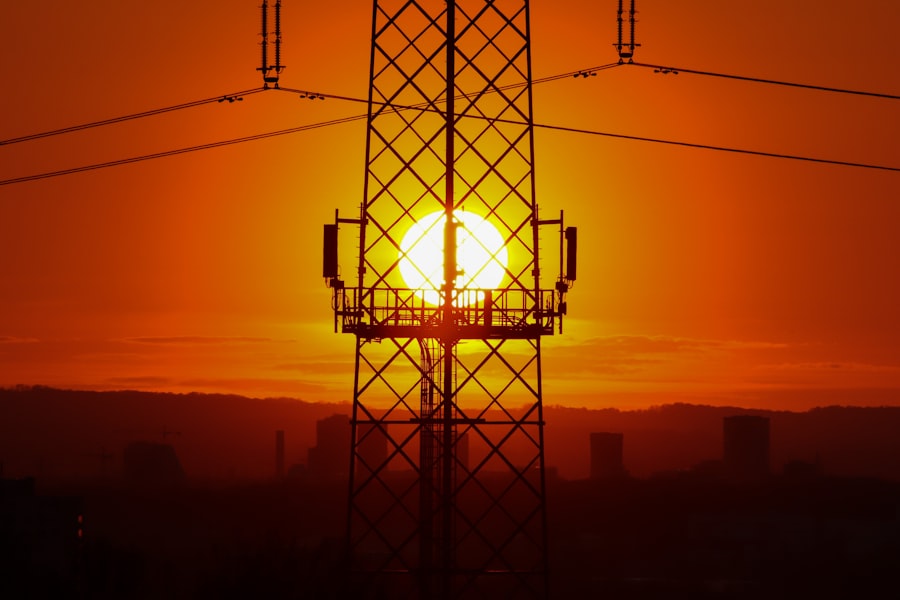
Understanding past solar events provides valuable insights into the potential severity of future disruptions.
The Carrington Event (1859)
The Carrington Event was the most intense geomagnetic storm on record. While the internet did not exist, it caused widespread telegraph system failures, igniting telegraph papers and shocking operators. If an event of similar magnitude were to occur today, the consequences for our technologically dependent society would be catastrophic. It serves as a stark reminder of the sun’s sheer power.
The Quebec Blackout (1989)
A much milder geomagnetic storm in 1989 caused Hydro-Québec’s power grid to collapse, leading to a nine-hour blackout across most of Quebec, Canada. While not directly an internet disruption, it demonstrated the vulnerability of modern power grids to solar activity and highlights the potential for cascading failures.
The Halloween Storms (2003)
A series of intense solar flares and CMEs in October 2003, known as the Halloween Storms, caused significant disruptions to satellite communications, GPS systems, and power grids globally. While not leading to a widespread internet shutdown, they showcased the broad impact of solar events on interconnected systems.
Solar Cycle 25 Forecasts
Initial forecasts for Solar Cycle 25 suggested a relatively weak cycle. However, recent observations indicate it is progressing faster and is more active than predicted, raising concerns about stronger solar events than initially anticipated. This increased activity means that the probability of significant geomagnetic storms impacting Earth during the cycle’s peak is higher. It is a constantly evolving picture, and scientists continue to monitor the sun’s behavior with great precision.
Mitigation Strategies and Resilience Building

Addressing the risks posed by Solar Cycle 25 and future solar cycles requires a multi-faceted approach involving international cooperation, technological advancements, and policy development.
Enhancing Grid Resilience
Strengthening the electrical power grid against GICs is paramount. This includes:
Installing GIC Blocking Devices
GIC blocking devices can be installed in transformers to prevent the damaging currents from flowing. These devices act like a specialized filter, allowing normal electrical flow while diverting harmful GICs.
Transformer Hardening and Replacement
Replacing older, more vulnerable transformers with GIC-resistant models is a long-term strategy. Additionally, maintaining a strategic reserve of spare transformers is crucial, as their manufacturing lead time can be extensive.
Implementing Smart Grid Technologies
Advanced monitoring and control systems in smart grids can help detect and mitigate GIC effects in real-time, allowing operators to take proactive measures to prevent widespread outages.
Protecting Submarine Cables
Mitigating risks to submarine cables involves both design considerations and operational protocols.
Improved Repeater Hardening
Designing repeater power supplies to withstand higher GIC levels can improve their resilience. This involves incorporating surge protection and robust power conditioning.
Redundancy and Geographic Diversification
Laying multiple, geographically diverse cable routes minimizes the impact of a single point of failure. If one cable segment is disrupted, traffic can be rerouted through another. This is akin to having multiple roads to a destination, ensuring that a blockage on one doesn’t halt all traffic.
Real-time Monitoring
Continuous monitoring of cable performance and geomagnetic conditions can provide early warnings, allowing operators to potentially reduce power to repeaters during extreme events, although this would temporarily degrade service.
Safeguarding Satellites and Space Systems
Protecting assets in space relies on a combination of engineering, operational procedures, and international collaboration.
Radiation-Hardened Electronics
Designing satellites with radiation-hardened electronics and shielding can significantly increase their resilience to solar radiation. This is a costly but effective measure.
Precise Space Weather Forecasting
Improved space weather forecasting models allow satellite operators to take protective actions, such as powering down non-essential systems or adjusting orbits, during anticipated geomagnetic storms.
Orbital Maneuvers
In some cases, satellites can be maneuvered to higher altitudes or into different orbits to minimize exposure to intense radiation belts during severe storms.
Policy, Planning, and International Cooperation
Beyond technological solutions, robust policy frameworks and international cooperation are essential.
Government and Industry Collaboration
Governments, telecommunication companies, and utility providers must collaborate to develop comprehensive preparedness plans, conduct vulnerability assessments, and invest in mitigation technologies.
International Coordination
Given the global nature of both solar events and the internet, international collaboration is critical for sharing space weather data, coordinating mitigation efforts, and establishing protocols for global response during major disruptions. The sun does not respect national borders, nor does the internet.
Public Awareness and Education
Educating the public about the risks and potential impacts of space weather events can foster understanding and encourage preparedness at all levels.
As solar cycle 25 progresses, experts are increasingly concerned about the potential risks of internet disruptions caused by solar activity. The heightened solar flares and coronal mass ejections associated with this cycle could interfere with satellite communications and power grids. For a deeper understanding of these risks and their implications, you can read more in this insightful article on the topic. To explore further, check out this related article that discusses the various ways solar activity can impact our technology and infrastructure.
Conclusion
| Metric | Description | Estimated Impact | Mitigation Strategies |
|---|---|---|---|
| Solar Flare Frequency | Number of solar flares expected during Solar Cycle 25 | Increased frequency compared to previous cycles, with up to 50 major flares | Real-time monitoring and early warning systems |
| Geomagnetic Storm Intensity | Strength of geomagnetic storms caused by solar activity | Potential for severe storms reaching G4 (Severe) on NOAA scale | Hardened infrastructure and surge protection |
| Satellite Disruption Risk | Probability of satellite communication interruptions | Moderate to high during peak solar activity periods | Satellite shielding and redundant communication pathways |
| Internet Backbone Vulnerability | Susceptibility of undersea cables and data centers to solar-induced currents | Low to moderate, with risk of localized outages | Improved grounding and real-time monitoring of power grids |
| Duration of Disruptions | Typical length of internet outages caused by solar events | From minutes to several hours depending on event severity | Rapid response protocols and backup systems |
As Solar Cycle 25 progresses towards its peak, the potential for solar activity to disrupt the internet and other critical infrastructure remains a significant concern. The interconnectedness of our modern world means that even localized disruptions can have cascading global effects. While the sun’s activity is an unchangeable force of nature, our vulnerability to it is not. By understanding the mechanisms of solar-terrestrial interaction, identifying points of weakness in our technological infrastructure, and investing in proactive mitigation strategies, humanity can build a more resilient digital future. The challenges presented by solar cycles are a stark reminder of our dependence on the delicate balance of Earth’s protective systems and the imperative for continuous scientific inquiry, technological innovation, and collaborative action. The time to prepare for the inevitable “solar weather” is now, not when the storm has broken.
FAQs
What is Solar Cycle 25?
Solar Cycle 25 is the current 11-year cycle of solar activity, characterized by the increase and decrease of sunspots and solar flares. It began in December 2019 and is expected to peak around 2025.
How can Solar Cycle 25 affect internet connectivity?
Solar Cycle 25 can increase the frequency of solar storms and geomagnetic disturbances, which may disrupt satellite communications, damage undersea cables, and interfere with power grids that support internet infrastructure, potentially causing internet outages.
What types of internet infrastructure are most vulnerable to solar activity?
Satellite communication systems, undersea fiber-optic cables with repeaters, and terrestrial power grids that power internet data centers and network equipment are most vulnerable to disruptions caused by solar storms during Solar Cycle 25.
Are there measures in place to protect the internet from Solar Cycle 25 disruptions?
Yes, internet service providers and infrastructure operators use space weather forecasting, hardening of critical equipment, redundant systems, and rapid response protocols to mitigate the risks posed by solar storms during Solar Cycle 25.
How likely is it that Solar Cycle 25 will cause widespread internet outages?
While Solar Cycle 25 is expected to be moderately active, widespread internet outages are considered unlikely due to improved forecasting and protective measures. However, localized disruptions and temporary outages remain possible during severe solar events.