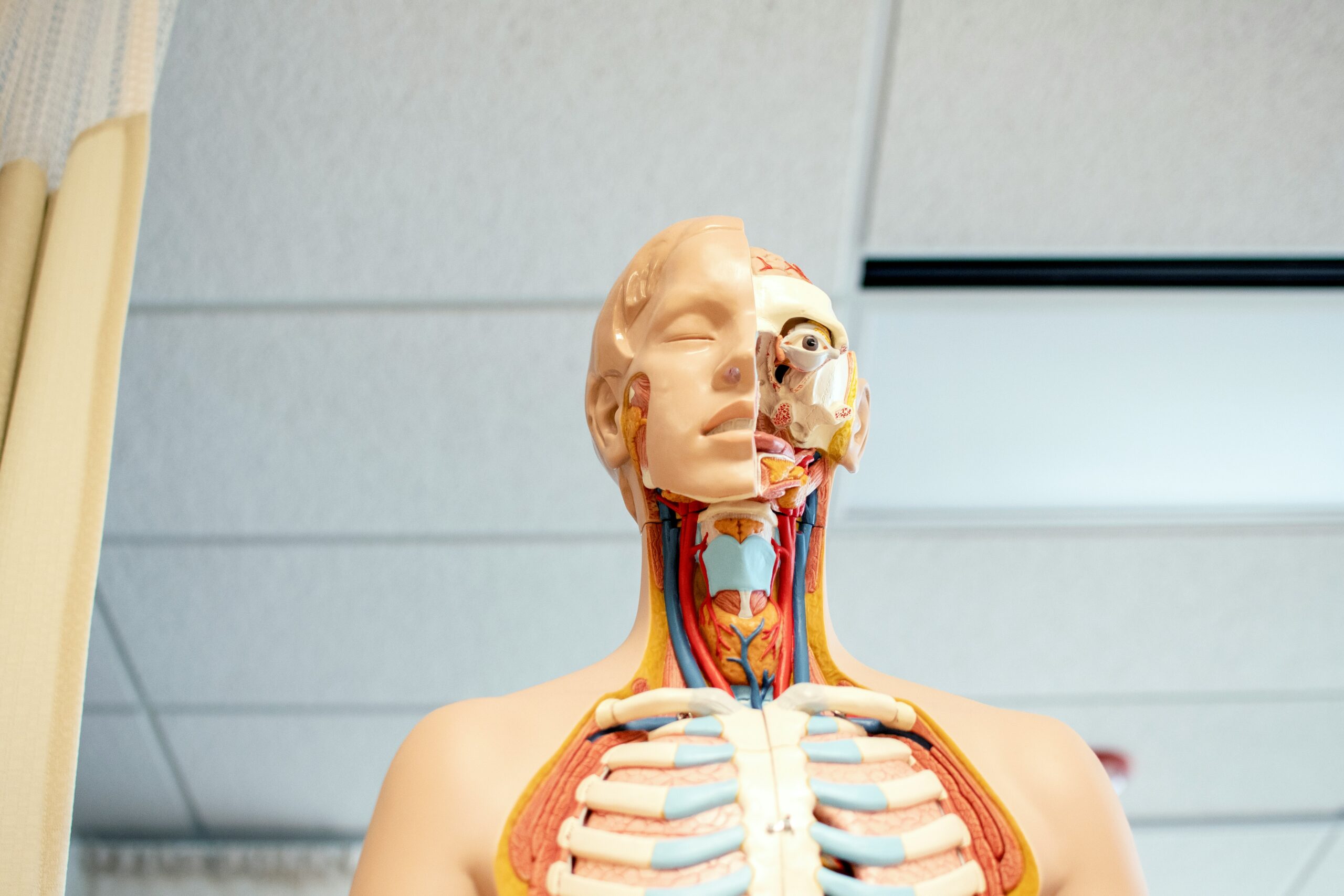
You might think you’re just a thinking brain floating in a body, but the truth is far more intricate. Your body is a constantly humming orchestra of sensation, a symphony of internal signals that tell you where you are, how you’re feeling, and what you need. This constant stream of information, often below the threshold of conscious thought, is known as internal awareness, or interoception. It’s the sense of your own physiological state, the perception of your internal bodily signals. Without it, you’d be adrift, unaware of your hunger, your thirst, your pain, or even the simple act of your heart beating. This article will delve into the fascinating world of your internal sensing, exploring how your body communicates with itself and how this profound awareness shapes your experience of the world.
Imagine yourself walking down the street. You’re not just processing visual information; your brain is also receiving constant updates from your body. Your feet are hitting the pavement, your lungs are expanding and contracting, your stomach might be rumbling, and your heart is pumping blood. Interoception is the brain’s ability to detect, interpret, and integrate these signals. It’s a fundamental sense, as crucial as sight or hearing, though often far less recognized.
A Universe Within: The Spectrum of Internal Signals
Your internal landscape is vast and diverse, encompassing a multitude of signals. These aren’t just abstract sensations; they are tangible indicators of your body’s ongoing processes.
The Rhythm of Life: Cardiovascular Interoception
Your heart’s relentless beat is a primary source of interoceptive information. You might not consciously count your heartbeats, but your brain constantly monitors its rate and rhythm. This cardiovascular interoception informs you about your energy levels, your stress response, and the efficiency of your circulatory system. When you exercise, you feel your heart pound, a direct interoceptive cue that your body is working harder.
The Fuel Gauge: Visceral Interoception
Your digestive system, kidneys, bladder, and lungs all contribute to visceral interoception. Hunger pangs, feelings of fullness, the urge to urinate, or the discomfort of a tight chest are all visceral signals. These are crucial for maintaining homeostasis – the stable internal environment necessary for survival. Imagine not feeling hunger; you might unknowingly starve yourself. The ability to sense a distended bladder is what allows you to find a restroom.
The Body’s Alarm System: Somatosensory Interoception
While often debated whether it’s purely interoceptive or crosses into exteroception (sensing the external world), somatosensory interoception involves signals from your muscles, joints, and skin. Proprioception, the sense of your body’s position and movement in space, is a prime example. You can touch your nose with your eyes closed because your proprioception tells your brain where your limbs are. Pain, temperature, and touch from your internal organs also fall under this broad category. A dull ache in your abdomen, for instance, is a somatosensory interoceptive signal.
The Brain’s Mapmaker: Neural Pathways at Play
These internal signals don’t just dissipate into the ether; they travel along specific neural pathways to be processed by your brain. The brain then constructs a complex and dynamic map of your body’s internal state.
The Information Highway: Afferent Pathways
Sensory receptors throughout your body, from the lining of your stomach to the walls of your arteries, send signals via afferent (incoming) nerve fibers. These fibers transmit information about pressure, stretch, chemical changes, and temperature to the central nervous system. The vagus nerve, a particularly long and complex cranial nerve, plays a significant role in transmitting visceral information to the brain.
The Central Processing Unit: Brain Regions Involved
Several areas of your brain are dedicated to processing interoceptive information. The insula is considered a key hub, integrating sensory signals with emotions and cognitive processes. The anterior cingulate cortex (ACC) is also heavily involved, particularly in the emotional valuation of interoceptive signals and in decision-making. The somatosensory cortex, though primarily associated with exteroception, also receives and processes some interoceptive input.
Understanding how our body senses itself is a fascinating topic that delves into the intricate systems of perception and feedback that keep us aware of our physical state. For a deeper exploration of this subject, you can read the article titled “The Body’s Intricate Sensing Systems” which discusses the various ways our body monitors its internal environment. To learn more, visit this article.
Your Body’s Language: How Interoception Manifests
Interoceptive signals are rarely discrete, isolated events. They often converge to create a complex tapestry of internal experience. Understanding this language is key to understanding yourself.
The Constant Hum: Baseline Interoception
Even when you’re not actively experiencing strong sensations, your body is constantly sending baseline interoceptive signals. Your blood pressure is being regulated, your digestion is silently occurring, and your internal organs are functioning. This background awareness is essential for maintaining physiological equilibrium. It’s like the hum of a computer; it’s always there, even if you’re not paying attention to it.
The Urgent Call: Salient Interoceptive Events
Sometimes, these internal signals become more pronounced and demand your attention. Hunger pangs are a prime example. They are a powerful interoceptive signal that your body needs fuel. Thirst is another urgent call. These salient signals are crucial for survival, prompting you to take action to meet your bodily needs.
The Signal of Discomfort: Pain as an Interoceptive Cue
Pain is perhaps the most potent and universally understood interoceptive signal. It’s your body’s alarm system, warning you of tissue damage or potential harm. While often unpleasant, pain is an invaluable tool for protecting you and promoting healing. Understanding the nuances of pain – its location, intensity, and quality – provides crucial information about your internal state.
The Feeling of Being: Embodiment and Interoception
Your sense of self, your feeling of being a coherent individual occupying a physical body, is deeply intertwined with interoception. This is known as embodiment. When your interoceptive signals are clear and well-integrated, you have a strong sense of being grounded in your body. Conversely, disruptions in interoception can lead to feelings of dissociation or a weakened sense of self.
The Emotional Connection: Interoception and Feelings
Your emotions are not solely abstract mental states; they are intimately linked to your physiological experiences. The butterflies in your stomach before a presentation, the knot in your chest when you’re anxious, or the warmth spreading through you when you feel joy – these are all manifestations of interoceptive signals that are colored by emotional processing.
The Gut-Brain Axis: A Two-Way Street
The intricate connection between your gut and your brain, known as the gut-brain axis, highlights the profound influence of visceral interoception on your emotional well-being. The trillions of microbes in your gut communicate with your brain through various pathways, impacting mood, stress levels, and even cognitive function. When your gut is upset, you often feel it emotionally, and vice versa.
The Embodied Emotion: How Your Body Feels
Think about the physical sensations you associate with different emotions. Fear might manifest as a racing heart, shallow breathing, and tense muscles. Happiness could be a lightness in your chest and a relaxed demeanor. These embodied feelings are your interoceptive system at work, translating internal physiological changes into subjective emotional experiences.
The Impact of Interoception: Shaping Your World
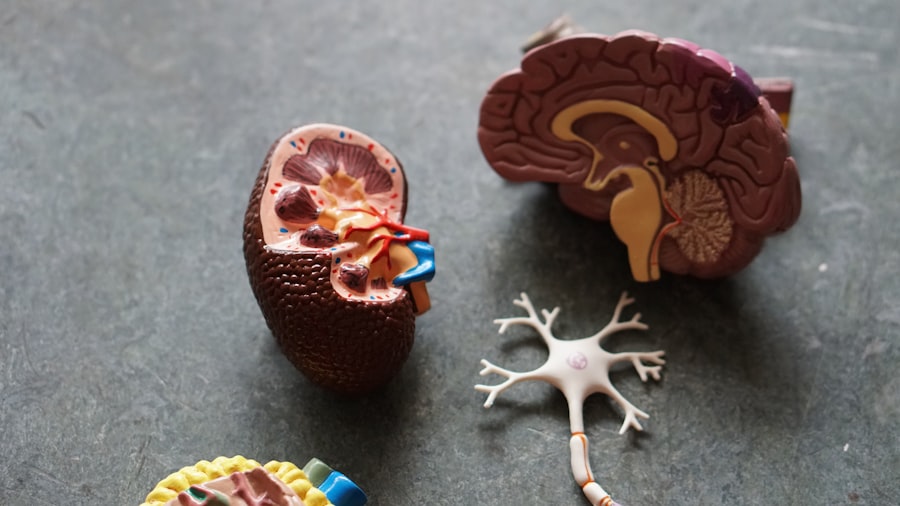
Your internal awareness isn’t just a passive observation; it actively shapes how you interact with the world and how you understand yourself.
The Navigator: Interoception and Decision-Making
From the mundane to the momentous, your interoceptive signals play a role in your decisions. Do you eat that extra slice of cake? Your fullness signals will inform that choice. Do you take on that challenging project? Your perceived energy levels and stress resilience, gleaned from interoceptive cues, will influence your decision. Your brain often uses interoceptive information to predict potential outcomes and guide your actions.
The Wisdom of the Body: Intuition and Interoception
Sometimes, you just know something is right or wrong without being able to articulate a logical reason. This intuition is often rooted in your interoceptive system. Your body is constantly picking up on subtle cues that your conscious mind may not be processing directly, leading to a feeling or gut instinct.
Risk Assessment: Interoception and Danger
Your interoceptive system is crucial for assessing risk. The feeling of unease or apprehension you experience in a potentially dangerous situation is an interoceptive signal that prompts caution. The racing heart and adrenaline surge are your body’s preparation for immediate action, guided by your internal awareness.
The Social Connector: Interoception and Empathy
The ability to understand and share the feelings of others is closely linked to your own interoceptive experiences. When you witness someone in distress, your own body might subtly mirror their physiological state, allowing you to empathize with their pain or fear.
Mirroring the Other: Empathic Resonance
Research suggests that when you observe someone experiencing an emotion, specific neural circuits are activated in your brain that are similar to those activated when you experience that emotion yourself. This empathic resonance allows you to “feel with” another person, drawing on your own interoceptive repertoire.
Social Cues and Internal States
Beyond direct mirroring, your understanding of social cues is often informed by your knowledge of how certain internal states manifest. You recognize a smile as happiness because you know the physiological feelings associated with joy. You interpret slumped shoulders and a downcast gaze as sadness based on your embodied understanding of that emotion.
The Architect of Self-Esteem: Interoception and Well-being
Your internal awareness significantly influences your self-perception and overall well-being. How you interpret and respond to your body’s signals can bolster or undermine your confidence and sense of worth.
The Body Image Connection: Interoception and Dissatisfaction
When your interoceptive signals are misaligned with societal ideals or your own perceived body image, it can lead to significant distress. Conversely, a greater appreciation and understanding of your body’s actual signals can foster a more positive body image and greater self-acceptance.
The Power of Attunement: Listening to Your Body
Learning to listen to your body’s interoceptive signals is a powerful tool for self-care and personal growth. It allows you to recognize when you need rest, nourishment, or emotional support, fostering a more harmonious relationship with yourself.
When the Signals Get Crossed: Disruptions in Interoception
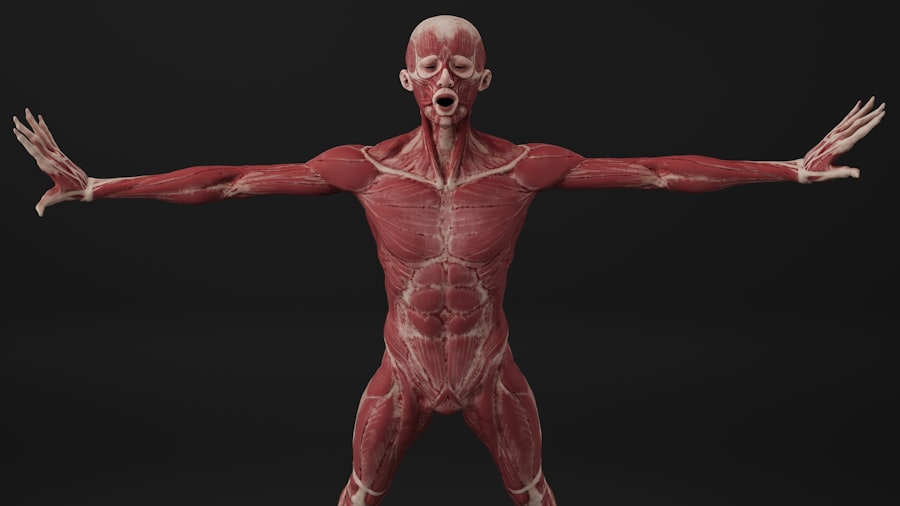
Like any complex system, your interoceptive pathways can sometimes experience disruptions, leading to a variety of challenges.
The Unheard Whispers: Hypoception
In cases of hypoception, your body’s internal signals are dulled or absent. This can have serious consequences for maintaining health and safety.
The Silent Threat: Lack of Pain or Hunger Cues
Imagine not feeling pain. You could sustain serious injuries without realizing it. Similarly, a lack of hunger signals can lead to malnutrition. Individuals with certain neurological conditions might experience hypoception, making it difficult to navigate their basic bodily needs.
A Disconnected Feeling: Detachment from the Body
Hypoception can contribute to feelings of dissociation or a profound disconnect from one’s own body. This can impact social interactions, emotional regulation, and overall sense of self.
The Constant Alarm: Hyperception
On the other end of the spectrum is hyperception, where internal signals are exaggerated or heightened. This can lead to significant distress and discomfort.
The Overwhelmed System: Anxiety and Panic Attacks
Many anxiety disorders are characterized by hyperception, particularly of cardiovascular and respiratory signals. The heightened awareness of a racing heart or shortness of breath can trigger fear and panic, creating a vicious cycle.
The Shadow of Pain: Chronic Pain Conditions
Conditions like fibromyalgia or irritable bowel syndrome often involve hyperception of bodily sensations. Pain signals that would typically be mild can become amplified and persistent, significantly impacting quality of life.
The Mismatched Perception: Misinterpretation of Signals
Sometimes, the issue isn’t a lack of signals but a misinterpretation of them. Your brain might be receiving accurate information, but it’s assigning the wrong meaning or context.
When the Gut Screams: Anxiety vs. Hunger
You might feel nauseous and think you’re hungry, or vice versa. Misinterpreting these signals can lead to unhealthy eating patterns or exacerbate anxiety.
The Fog of the Mind: Cognitive Biases and Interoception
Your existing beliefs and emotional states can color how you interpret interoceptive signals. If you’re already feeling anxious, you might be more likely to interpret a normal bodily sensation as a sign of impending doom.
Understanding how your body senses itself is a fascinating topic that delves into the intricate ways our nervous system processes information. For those interested in exploring this further, you might find an insightful article on the subject at Freaky Science, which discusses the various mechanisms our body employs to maintain awareness of its own state and surroundings. This exploration not only highlights the complexity of human physiology but also emphasizes the importance of sensory feedback in our daily lives.
Cultivating Your Inner Awareness: Enhancing Interoception
| Sensory System | Description |
|---|---|
| Touch | The ability to feel pressure, temperature, and pain through the skin |
| Proprioception | The sense of the relative position of one’s own parts of the body and strength of effort being employed in movement |
| Vestibular System | Responsible for the sense of balance and spatial orientation |
| Temperature | The ability to sense hot and cold temperatures through the skin |
The good news is that your interoceptive abilities are not fixed. Like any skill, they can be honed and strengthened.
The Practice of Mindfulness: Paying Attention to the Present
Mindfulness meditation is a powerful tool for cultivating interoception. By gently bringing your attention to your breath, bodily sensations, or emotions without judgment, you become more attuned to your internal landscape.
Body Scan Meditation: Mapping Your Internal Geography
A body scan involves systematically bringing your awareness to different parts of your body, noticing any sensations – warmth, coolness, tingling, pressure, or absence of sensation. This practice helps you develop a more detailed internal map.
Breath Awareness: The Anchor to Your Physiology
Focusing on the physical sensations of your breath – the rise and fall of your chest, the air entering and leaving your nostrils – provides a direct and constant connection to your physiological state.
Movement and Embodiment Practices: Connecting Mind and Body
Activities that encourage you to engage with your body in a mindful way can significantly enhance interoception.
Yoga and Tai Chi: Harmonizing Internal and External
These practices emphasize the connection between breath, movement, and internal sensations. They encourage a deep awareness of bodily alignment, muscle tension, and proprioception.
Dance and Somatic Therapies: Rediscovering Your Body
Engaging in dance or somatic therapies encourages you to explore the nuances of your physicality and the internal feelings that accompany movement, fostering a richer interoceptive experience.
Self-Compassion and Acceptance: Listening Without Judgment
Developing a kinder and more accepting relationship with your body is crucial for interoception.
The Non-Judgmental Observer: Embracing All Sensations
Learning to observe your bodily signals – even uncomfortable ones – without labeling them as “good” or “bad” allows for a more accurate and less reactive understanding.
The Intuitive Eater: Trusting Your Body’s Hunger Cues
For many, dieting or restrictive eating patterns disrupt the intuitive connection to hunger and fullness. Relearning to trust these signals, without external rules, is a vital aspect of interoceptive healing.
Seeking Professional Support: When Interoception Needs a Boost
If you suspect you are experiencing significant disruptions in interoception, professional help can be invaluable.
Therapies for Anxiety and Trauma: Addressing the Root Causes
Therapies like Cognitive Behavioral Therapy (CBT) and trauma-informed approaches can help individuals re-regulate their physiological responses and develop a healthier relationship with their interoceptive signals.
Somatic Experiencing and Other Body-Centric Therapies: Reconnecting with Your Physical Self
These therapies directly address the body’s role in psychological distress and focus on releasing stored tension and re-establishing a sense of safety and embodiment.
Internal awareness is not a passive state but an active, ongoing dialogue between your brain and your body. The intricate web of interoceptive signals shapes your every experience, from the most basic physiological needs to the most complex emotional responses. By understanding and cultivating this precious sense, you unlock a deeper connection to yourself, leading to greater well-being, more informed decisions, and a richer, more embodied life. Your body is a treasure trove of information, constantly whispering to you. Learning to listen is the first step to truly knowing yourself.

The Hidden Sense Inside Your Gut
FAQs
What is the body’s sensory system?
The body’s sensory system is a complex network of specialized cells and organs that allow the body to perceive and respond to various stimuli from the environment. This system includes the five traditional senses (sight, hearing, taste, smell, and touch) as well as other sensory functions such as proprioception (awareness of body position) and nociception (pain perception).
How does the body sense touch?
The sense of touch is mediated by specialized nerve endings called mechanoreceptors, which are located in the skin and other tissues. When these receptors are stimulated by pressure, vibration, or stretching, they generate electrical signals that are transmitted to the brain via the nervous system. The brain then processes these signals to create the sensation of touch.
What is proprioception and how does the body sense it?
Proprioception is the body’s ability to sense its own position and movement in space. This sense is mediated by proprioceptors, which are specialized sensory receptors located in muscles, tendons, and joints. These receptors detect changes in muscle length, tension, and joint angle, and send this information to the brain to help maintain balance and coordinate movement.
How does the body sense pain?
Pain sensation, or nociception, is mediated by specialized nerve endings called nociceptors, which are located throughout the body. When tissue is damaged or injured, nociceptors are activated and send signals to the brain, where they are interpreted as pain. This process helps to alert the body to potential harm and initiate protective responses.
How does the body sense its internal environment?
The body senses its internal environment through a variety of mechanisms, including specialized receptors that detect changes in temperature, blood pressure, pH, and levels of nutrients and hormones. These receptors are located in organs and tissues throughout the body and send signals to the brain to help regulate physiological processes and maintain homeostasis.