
The Dawn of Color in E Ink: A Revolution for Readers
For years, the world of e-reading has been dominated by the stark contrast of black and white. E Ink displays, renowned for their paper-like readability and minimal eye strain, offered a compelling alternative to backlit LCD and OLED screens, particularly for extended reading sessions. However, this monochrome limitation, while beneficial for text-heavy content, significantly hampered the potential for richer, more engaging digital content. Textbooks, graphic novels, magazines, and even illustrated children’s books suffered in translation, their vibrant palettes reduced to shades of gray. The introduction of E Ink Kaleido displays marks a pivotal moment, transforming the e-reading experience from a purely textual endeavor into a visually dynamic one, bringing the richness of color to the forefront of digital pages. This innovation promises to unlock new possibilities for content creators and provide readers with a more immersive and enjoyable way to engage with a wider array of digital media. The technology behind Kaleido, its implications for various content types, and the user experience it delivers are all crucial aspects that warrant a deep dive.
The E Ink Kaleido display technology has been making waves in the world of e-readers and digital displays, offering vibrant color capabilities while maintaining the benefits of traditional e-ink screens. For a deeper understanding of how this innovative technology works and its implications for the future of reading devices, you can check out this insightful article on the topic. Read more about it here: E Ink Kaleido Display Technology.
Unveiling the Technological Marvel Behind Kaleido
The E Ink Kaleido display represents a significant leap forward in electrophoretic display (EPD) technology, specifically designed to overcome the long-standing challenge of achieving viable color reproduction while retaining the core benefits of E Ink. Unlike traditional EPDs that utilize black and white pigment capsules, Kaleido integrates a color filter array (CFA) layer on top of a monochrome E Ink display. This ingenious combination allows for the creation of a broader spectrum of colors without sacrificing the reflective, paper-like quality that E Ink is celebrated for.
The Mechanics of Color Generation
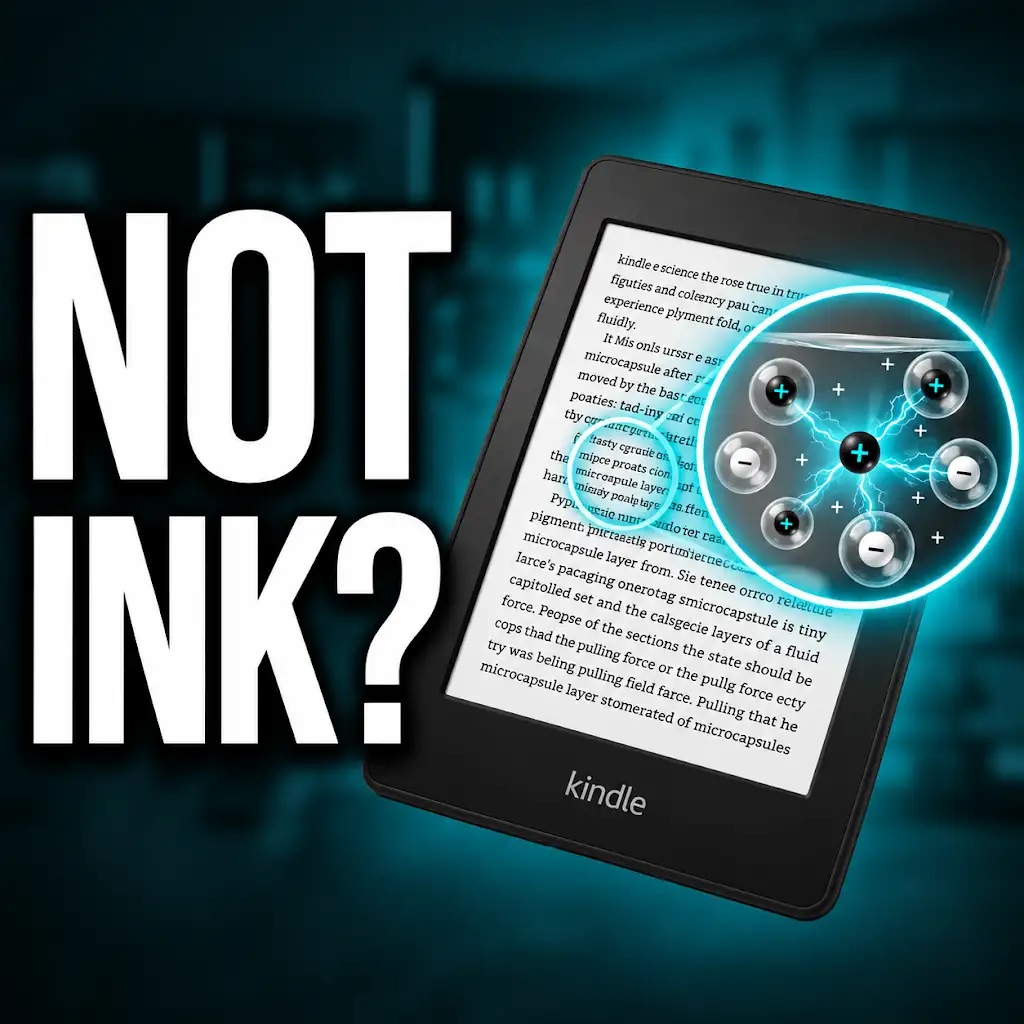
At its heart, the Kaleido display is still an E Ink panel. Microcapsules containing positively charged white pigment particles and negatively charged black pigment particles are manipulated by an electric field. When a voltage is applied, these pigments move to the surface of the microcapsules, creating either a black or white dot on the screen. The innovation with Kaleido lies in the addition of a thin-film transistor (TFT) layer that controls the pixels, and crucially, a color filter array (CFA) positioned above this layer.
The CFA consists of tiny red, green, and blue color filters arranged in a Bayer pattern (or a similar arrangement) over each pixel. When light strikes a pixel, the underlying E Ink layer dictates whether the pixel appears as black or white. However, the CFA layer then filters this light, allowing only the red, green, or blue component to pass through, or a combination thereof depending on the E Ink state and the filter. For example, if an E Ink pixel is set to white, the filter above it will determine the perceived color of that area. A red filter will make that area appear red, a green filter green, and a blue filter blue. By precisely controlling the combination of black and white pigments in the E Ink layer and the color filter array, Kaleido can generate a palette of up to 4,096 colors. This sophisticated interplay of monochrome display mechanics and additive color mixing at the pixel level is what allows for the emergence of color on an E Ink screen.
Addressing the Trade-offs: Refresh Rates and Color Saturation
While the advent of color in E Ink is groundbreaking, it’s important to acknowledge the inherent trade-offs. The most significant of these historically has been refresh rate. E Ink displays are known for their slower refresh rates compared to LCD or OLED, especially when transitioning between different states or displaying animation. Kaleido, while significantly improved over earlier color E Ink attempts, still exhibits this characteristic. For static content like book pages or magazine layouts, the refresh rate is more than adequate, providing a smooth transition when turning pages. However, for dynamic content that requires rapid updates, such as video playback or complex interactive elements, the refresh rate can become noticeable. This means that while Kaleido excels at displaying rich, full-color still images and text, it is not intended for applications that demand real-time visual fluidity.
Another aspect to consider is color saturation and vibrancy. E Ink displays are inherently reflective, meaning they rely on ambient light to illuminate the screen. This characteristic contributes to their paper-like appearance but also means that colors, while present, may not possess the same luminous intensity or depth as they would on a backlit OLED or LCD screen. The colors on a Kaleido display are best described as more muted and natural, akin to colors seen in printed materials. This can be a positive attribute for many users, reducing eye strain and offering a more comfortable viewing experience, but it might not satisfy those accustomed to the vivid, almost glowing colors of other display technologies. The technology prioritizes readability and a natural viewing experience over hyper-realistic color reproduction.
Redefining Digital Content Consumption: New Horizons for Various Media
The arrival of E Ink Kaleido displays is not merely an incremental upgrade; it represents a fundamental shift in what digital content can be experienced on e-readers. The introduction of color opens up a vast new landscape for a variety of media that were previously compromised by the limitations of monochrome displays. This allows for a richer, more nuanced, and ultimately more engaging consumption experience for a wider range of users and content types.
The Renaissance of Illustrated Books and Comics
For decades, graphic novels, comic books, and children’s illustrated books have been a significant challenge for digital platforms. The vibrant artwork, the subtle nuances of shading, and the visual storytelling inherent in these mediums are often lost when translated to grayscale. E Ink Kaleido fundamentally changes this. Now, readers can experience the full artistic intent of comic book artists and illustrators, with colors that are true to their original vision. The impact on the graphic novel community is particularly profound. Readers can delve into the intricate panel layouts, appreciate the character designs with their intended color palettes, and follow the narrative flow with greater visual clarity. Children’s books, too, benefit immensely. The bright, engaging colors that captivate young minds can now be presented in a format that is gentle on their eyes, making reading a more enjoyable and accessible activity for younger audiences. The ability to display full-color imagery without the harsh glare of traditional screens makes Kaleido an ideal platform for this demographic.
The Evolution of Educational Materials and Textbooks
Educational content has long been a strong suit for E Ink due to its readability. However, the absence of color often limited the effectiveness of diagrams, charts, graphs, and illustrations, which are crucial for understanding complex subjects. E Ink Kaleido brings these visual aids to life. Imagine a biology textbook where anatomical diagrams are presented with accurate, color-coded labels, or a geography textbook where maps vividly display different regions and their geographical features. Technical manuals and engineering schematics can benefit from color-coded wiring or components, making them easier to interpret. This enhancement is not just about aesthetics; it’s about improving comprehension and retention. By presenting information in a visually richer and more intuitive manner, Kaleido can transform the learning experience, making it more engaging and effective for students of all ages. The ability to reproduce accurate colors in charts and graphs also means that data visualization becomes more meaningful and interpretable.
The Revitalization of Magazines and Periodicals
Print magazines and periodicals have long been a source of visually appealing content, with their carefully curated photography, colorful advertisements, and engaging layouts. The transition to digital formats often resulted in a compromise, where the visual impact was diminished. E Ink Kaleido offers a solution that bridges this gap. Readers can now enjoy the full visual splendor of their favorite magazines, from the striking photography to the vibrant editorial layouts, all on a comfortable, eye-friendly E Ink screen. Advertisements, a crucial revenue stream for many publications, can now be presented in their intended color, enhancing their effectiveness. This makes digital magazine subscriptions a far more compelling proposition, offering a reading experience that closely mirrors the tactile pleasure of flipping through a glossy magazine, but with the convenience and portability of a digital device. The immersive quality of full-color imagery can significantly boost engagement with the content.
Enhancing the User Experience: Beyond Just Text
The impact of E Ink Kaleido extends beyond the content itself; it profoundly enhances the overall user experience of e-reading devices. The integration of color introduces a new dimension of usability, making devices more intuitive, enjoyable, and versatile. This focus on user-centric improvements aims to make digital reading a more holistic and satisfying activity, catering to a broader range of user needs and preferences.
Navigational Aids and Interface Improvements
The introduction of color has significant implications for the user interface (UI) and navigation of e-reading devices. Menus, icons, and selection indicators can now be color-coded, making it easier for users to quickly identify and understand different options. For instance, a ‘back’ button could be a distinct color, or active menu items could be highlighted with a specific hue. This visual differentiation reduces cognitive load and speeds up interaction. Furthermore, the ability to display colored content within the device’s operating system can improve the overall aesthetic appeal and create a more polished user experience. Imagine a device that uses subtle color accents to denote different device modes or battery status, making the device feel more responsive and personalized. This is especially beneficial for users who may struggle with purely monochrome interfaces.
Personalized Reading Environments and Accessibility
Color plays a crucial role in personalization and accessibility. E Ink Kaleido allows users to customize their reading experience in ways that were previously impossible. Users can select from a range of font colors and background hues to create a reading environment that is most comfortable for their eyes. This is particularly beneficial for individuals with specific visual sensitivities or conditions like dyslexia, where carefully chosen color combinations can significantly improve readability and reduce strain. Moreover, the ability to display colored text and images allows for more effective implementation of accessibility features. For example, users might be able to highlight important passages in specific colors, or the device could offer text-to-speech functionality with synchronized color highlighting of the words being read, further aiding comprehension and engagement for a diverse user base. The flexibility offered by color customization directly addresses individual needs and preferences.
The Allure of Richer Annotations and Note-Taking
For avid readers and students who frequently annotate their books, the advent of color is a game-changer. Previously, annotations were limited to monochrome highlights and text notes. With E Ink Kaleido, users can now use different colors to categorize their annotations, highlight key points with distinct hues, or even underline important passages with a specific color. This makes the process of reviewing and referencing notes significantly more organized and efficient. Imagine color-coding different themes or topics within a book, or using a specific color to mark quotes for later reference. This level of detail and organization elevates note-taking from a functional task to a more insightful and powerful study tool, unlocking new levels of engagement with the material. The ability to visually differentiate between types of annotations greatly enhances the utility of the e-reader as a learning and research tool.
The innovative E Ink Kaleido display technology has been making waves in the world of e-readers and digital signage, offering vibrant color capabilities while maintaining the energy efficiency that E Ink is known for. For those interested in exploring more about this fascinating technology and its applications, you can check out a related article that delves into its features and benefits. This article provides insights into how the E Ink Kaleido display is revolutionizing the way we consume digital content. To learn more, visit this informative piece that highlights the potential of this cutting-edge display technology.
The Future Landscape: Evolution and Broader Adoption
| Metric | Specification | Description |
|---|---|---|
| Display Type | E Ink Kaleido | Color e-paper display technology using color filter array |
| Screen Size | 6 inches | Common size for e-readers using Kaleido display |
| Resolution | 1488 x 1072 pixels | 300 PPI (pixels per inch) for sharp text and images |
| Color Depth | 4,096 colors (12-bit) | Supports 16 levels per RGB subpixel for color rendering |
| Refresh Rate | Up to 1 second per page refresh | Slower than LCD but optimized for reading and low power |
| Power Consumption | Very low | Consumes power only during page refresh, enabling long battery life |
| Contrast Ratio | Up to 10:1 | Good readability in various lighting conditions |
| Viewing Angle | Wide (up to 180°) | Consistent image quality from different angles |
| Backlight | Front light (optional) | Some devices include front light for reading in the dark |
| Typical Use Cases | E-readers, digital signage, smart labels | Applications requiring low power color display with paper-like readability |
The E Ink Kaleido display is not an endpoint but a significant milestone in the ongoing evolution of e-paper technology. Its success and the positive reception it has garnered are paving the way for further advancements and broader adoption across a wider range of devices and applications. The future promises even more sophisticated iterations of color E Ink, pushing the boundaries of what’s possible.
Next-Generation Color E Ink Technologies
The development of Kaleido is a testament to E Ink’s continuous research and development efforts. The company is not resting on its laurels. Ongoing research is focused on improving color saturation, refresh rates, and the overall color gamut. Future iterations are expected to offer even more vibrant and lifelike colors, potentially rivaling some aspects of traditional displays. Furthermore, efforts are underway to reduce the color filter layer’s impact on light reflection, further enhancing the paper-like quality. Advancements in microfluidic technology and new pigment formulations are also being explored, which could lead to displays with even higher resolutions and faster response times. The goal is to make color E Ink not just viable, but superior for a wider array of applications where its unique benefits can be fully leveraged.
Expanding Applications Beyond E-Readers
While e-readers are the primary beneficiaries of Kaleido technology, its potential applications extend far beyond. Imagine dynamic, full-color price tags in retail stores that can be updated wirelessly, offering vibrant product information. In industrial settings, color-coded displays on machinery could provide clearer operational status. Digital signage for public transport or information kiosks could become more visually engaging and informative with the use of color. Even in the realm of smart home devices, color E Ink could offer a low-power, always-on display for calendars, weather updates, or smart appliance controls that are gentle on the eyes and blend seamlessly into home decor. The low power consumption and excellent sunlight readability of E Ink make it an attractive alternative to traditional displays in many niche but impactful applications.
The Democratization of Color E-Reading
As E Ink Kaleido technology matures and production scales up, it is expected to become more accessible and affordable. This will lead to its integration into a wider range of e-reading devices, from premium e-readers to more budget-friendly options. The “democratization” of color e-reading will empower more consumers to experience the benefits of reading on an eye-friendly, full-color display, regardless of their budget. This broader adoption will, in turn, encourage more content creators to produce color-rich digital content, creating a positive feedback loop that further enriches the digital reading ecosystem. The eventual widespread availability of Kaleido technology will transform the digital publishing landscape and enhance the reading habits of millions worldwide, making the experience more engaging, informative, and enjoyable for everyone.
Why Your Kindle Screen Doesn’t Work the Way You Think
FAQs
What is an E Ink Kaleido display?
An E Ink Kaleido display is a type of electronic paper display technology that is capable of displaying full color content. It uses E Ink’s proprietary technology to produce vibrant colors while maintaining the benefits of E Ink displays such as low power consumption and readability in various lighting conditions.
How does an E Ink Kaleido display work?
An E Ink Kaleido display works by using tiny microcapsules filled with positively charged white particles and negatively charged black particles. When an electric field is applied, the particles move to the top of the microcapsules to create the desired color. In the case of a Kaleido display, color filters are added on top of the black and white particles to produce a wider range of colors.
What are the advantages of an E Ink Kaleido display?
Some advantages of an E Ink Kaleido display include low power consumption, excellent readability in direct sunlight, and the ability to display full color content without causing eye strain. These displays are also known for their durability and ability to maintain an image without power.
Are E Ink Kaleido displays suitable for e-readers?
Yes, E Ink Kaleido displays are suitable for e-readers as they offer the benefits of traditional E Ink displays such as long battery life and reduced eye strain, while also providing the ability to display full color content. This makes them ideal for reading books, magazines, and other digital content.
Can E Ink Kaleido displays be used in other devices besides e-readers?
Yes, E Ink Kaleido displays can be used in a variety of devices besides e-readers, such as smartwatches, digital signage, electronic shelf labels, and more. Their low power consumption and excellent readability make them a versatile display option for various applications.