The Evolving Canvas: A New Era for E Ink Durability
E Ink technology, renowned for its paper-like readability and exceptionally low power consumption, has long captivated industries ranging from e-readers and electronic shelf labels to smartwatches and digital signage. Its electrophoretic display (EPD) principle, which mimics the behavior of ink on paper by moving charged pigment particles within microcapsules, offers a unique visual experience that is comfortable for extended viewing and virtually disappears when not actively changing. However, a persistent challenge accompanying this revolutionary display technology has been its inherent fragility. The delicate nature of the microcapsules and the underlying substrate has historically limited E Ink’s deployment in environments demanding robust resistance to scratches, impacts, and environmental stressors. Fortunately, recent advancements in screen coating formulations are poised to redefine the durability landscape of E Ink displays, opening up a wealth of new possibilities and solidifying its position as a versatile and resilient display solution.
The drive towards enhanced durability is not merely an incremental improvement; it represents a fundamental shift in E Ink’s perceived utility. Until now, many applications, particularly those in public-facing or industrial settings, have necessitated a protective overlayer, often a separate plastic or glass sheet, which can add bulk, weight, and compromise the otherwise sleek and minimalist aesthetic of E Ink devices. Furthermore, these external protective layers can introduce optical issues like glare and parallax, detracting from the core benefits of E Ink. Innovations in E Ink screen coatings aim to integrate this protection directly onto the display surface, creating a seamless and more resilient unit. This article delves into the cutting-edge developments in E Ink screen coating technology, exploring the science behind these advancements, the types of coatings being developed, their performance benefits, and the transformative impact they are expected to have on the future of E Ink applications.
E-ink screen technology has revolutionized the way we read and interact with digital content, and a recent article discusses the advancements in e-ink screen coating that enhance visibility and durability. This article highlights how these coatings improve contrast and reduce glare, making e-readers more user-friendly in various lighting conditions. For more insights on this topic, you can read the full article here: E-Ink Screen Coating Innovations.
Understanding the Vulnerabilities of Traditional E Ink
To appreciate the significance of new coating innovations, it is crucial to understand the inherent weaknesses that have historically plagued E Ink displays. The core of E Ink technology lies in its microcapsules, tiny spheres containing charged black and white pigment particles suspended in a clear fluid. These microcapsules are typically coated onto a substrate, often a thin plastic film or glass. While this construction is excellent for visual performance, it also presents several points of vulnerability.
Microcapsule Integrity and Surface Wear
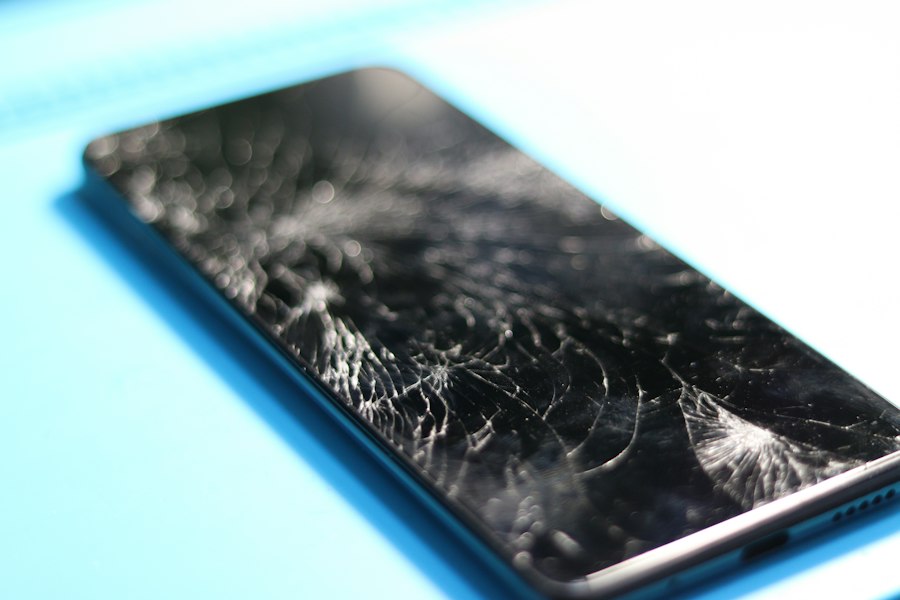
The microcapsules themselves, while engineered for reliable particle movement, are susceptible to physical damage. Direct impact, sharp objects, or even significant abrasion can lead to the rupture of these microcapsules. When a microcapsule ruptures, the pigment particles are released into the surrounding matrix, resulting in permanent dead pixels or unsightly blemishes on the display. This makes the display vulnerable to scratches and pressure points. The outermost layer of the display, where these microcapsules reside, is thus the primary point of concern for wear and tear. Even seemingly minor scuffs can compromise the integrity of these delicate structures over time.
Substrate Limitations and Environmental Exposure
The underlying substrate also plays a role in overall durability. While flexible plastic substrates offer advantages in certain form factors, they can be more prone to bending, creasing, and scratching compared to rigid glass. Conversely, glass substrates, while offering rigidity, can be brittle and susceptible to cracking upon impact. Beyond physical damage, E Ink displays can also be affected by environmental factors such as moisture, extreme temperatures, and UV radiation. Without adequate protection, these elements can degrade the materials within the microcapsules, affecting the performance and longevity of the display. Water ingress, for instance, can lead to internal corrosion or changes in the dielectric properties of the system. UV exposure can degrade the polymers used in the encapsulation and substrate, leading to discoloration or embrittlement.
The Need for Integrated Protection
The cumulative effect of these vulnerabilities has often necessitated the use of external protective layers. While effective, these add-on solutions are not ideal. They introduce manufacturing complexities, increase cost, and can compromise the inherent advantages of E Ink, such as its thinness and matte finish. The ideal solution, therefore, is to imbue the E Ink display itself with enhanced protective properties through advanced surface coatings. This approach integrates durability directly into the display’s structure, offering a more robust, seamless, and aesthetically pleasing product.
Pioneering Coating Technologies for Enhanced Resilience
The pursuit of durable E Ink displays has spurred significant innovation in coating materials and application techniques. Researchers and manufacturers are exploring a diverse range of chemistries and methods to create protective layers that are both functionally superior and compatible with the delicate E Ink technology. These advancements aim to address the vulnerabilities discussed previously by providing a robust shield against physical and environmental damage.
Advanced Polymer Formulations: The First Line of Defense
At the forefront of E Ink durability innovation are sophisticated polymer formulations. These are not simply generic plastic coatings; they are meticulously engineered materials designed to offer a specific balance of hardness, flexibility, adhesion, and optical clarity. Key types of polymers being investigated and implemented include:
Polyurethanes and Acrylics: A Versatile Combination
Polyurethane-based coatings are highly regarded for their excellent abrasion resistance, toughness, and flexibility. They can be formulated to cure into a hard yet resilient surface that is capable of withstanding repeated impacts and scratches. Acrylics, on the other hand, offer superior UV resistance and optical clarity, ensuring that the E Ink display’s characteristic readability is not compromised. Combining these polymers, often in multi-layer systems, allows for the creation of coatings that leverage the strengths of each. For instance, a base layer of polyurethane can provide impact and abrasion resistance, while a top layer of acrylic can offer enhanced scratch resistance and UV protection.
Silicon-Based Coatings: Harnessing the Power of Siloxanes
Silicon-based coatings, particularly those incorporating siloxane chemistry, are gaining traction due to their exceptional hardness, chemical resistance, and hydrophobic properties. These coatings can create a very slick surface that is difficult for dirt and contaminants to adhere to, and they are remarkably resistant to scratching. The silicon-oxygen backbone of siloxanes provides inherent thermal stability and weatherability. Furthermore, some silicon-based coatings can be applied as ultra-thin layers, minimizing any impact on the display’s optical properties. Their ability to repel water also adds a crucial layer of protection against moisture damage.
Nanocomposite Coatings: Engineering at the Molecular Level
A particularly exciting area of development involves nanocomposite coatings. These materials incorporate nano-sized particles, such as silica, alumina, or titania, dispersed within a polymer matrix. The nanoscale nature of these fillers significantly enhances the mechanical properties of the coating. For example, the addition of nano-silica can dramatically increase the scratch and abrasion resistance of a polymer film without significantly compromising its flexibility or transparency. These nanoparticles act as reinforcement at a molecular level, effectively distributing stress and preventing crack propagation. The precise control over the size, shape, and concentration of these nanoparticles allows for fine-tuning of the coating’s performance characteristics.
Surface Treatments and Modifications: Optimizing E Ink Interaction
Beyond the bulk properties of the coating material, surface treatments and modifications are also crucial for optimizing the interaction between the coating and the E Ink display itself, as well as for imparting specific functionalities.
Hydrophobic and Oleophobic Treatments: Repelling Contaminants
The development of hydrophobic (water-repelling) and oleophobic (oil-repelling) surface treatments is vital for maintaining display clarity and reducing the need for frequent cleaning. These treatments create a low surface energy interface that causes liquids like water, oils, and fingerprints to bead up and roll off the surface, rather than spreading and smearing. This not only keeps the display looking cleaner but also reduces the risk of liquid ingress that could damage the E Ink layer. These treatments are often applied as a final finishing step to the primary coating.
Anti-Glare and Anti-Reflective Layers: Enhancing Readability
While E Ink’s matte finish is inherently less prone to glare than glossy displays, further enhancements can be achieved through specialized anti-glare (AG) and anti-reflective (AR) coatings. AG coatings diffuse incoming light, scattering it in multiple directions, which reduces the intensity of specular reflections and makes the display more readable in bright conditions. AR coatings work by reducing the amount of light that is reflected off the surface, thereby increasing the amount of light that passes through to the display and improving contrast. These can be crucial for outdoor applications or environments with intense lighting.
Adhesion Promotion Layers: Ensuring a Seamless Bond
A critical aspect of any coating is its ability to adhere strongly to the underlying E Ink substrate. Poor adhesion can lead to delamination, peeling, or the formation of air bubbles, compromising both the protective function and the visual quality of the display. Adhesion promotion layers are often applied between the substrate and the main coating to ensure a robust and long-lasting bond. These layers are chemically engineered to create favorable interactions with both the substrate and the coating material.
Novel Application Methods: Precision and Uniformity
The method by which these advanced coatings are applied is as important as the coatings themselves. Achieving uniform thickness, pinhole-free coverage, and precise application is essential for optimal performance.
Roll-to-Roll Processing: Scalability and Efficiency
For mass production, roll-to-roll (R2R) processing is becoming the dominant method for applying these coatings. This technique involves continuously feeding a flexible substrate through a series of coating and curing stations. R2R offers significant advantages in terms of throughput, cost-effectiveness, and the ability to achieve highly uniform coatings over large areas. It is particularly well-suited for the production of flexible E Ink displays.
Atomic Layer Deposition (ALD): Ultra-Thin Precision
For extremely demanding applications where ultra-thin, conformal, and highly uniform coatings are required, Atomic Layer Deposition (ALD) is emerging as a promising technique. ALD allows for the deposition of materials layer by atomic layer, offering unparalleled control over film thickness and composition. This method can be used to create very thin but highly effective barrier layers against moisture and oxygen, or to deposit hard, scratch-resistant ceramic-like films. While currently more expensive than R2R, ALD is finding its niche in high-performance applications.
Performance Benefits: A New Benchmark for E Ink
The integration of these advanced coating technologies translates directly into tangible performance benefits, fundamentally altering the capabilities and applications of E Ink displays. These improvements extend beyond mere cosmetic enhancements, addressing critical functional requirements that were previously difficult to meet.
Superior Scratch and Abrasion Resistance
Perhaps the most immediate and noticeable benefit of these new coatings is their significantly improved resistance to scratches and abrasion. Traditional E Ink displays could be easily marred by everyday contact with keys, coins, or other abrasive materials. The advanced polymer formulations, nanocomposite structures, and silicon-based coatings create a surface hardness that can withstand much greater mechanical stress. This means that devices like electronic shelf labels in busy retail environments, E Ink tablets used in demanding educational settings, or outdoor digital signage will suffer far less cosmetic damage and maintain their visual integrity for longer periods. The ability to resist scuffing and micro-abrasions is paramount for maintaining a professional and appealing appearance in public-facing applications.
Enhanced Impact and Shock Absorption
While not designed to withstand catastrophic impacts, the new coatings can also offer improved resistance to everyday bumps and knocks. The inherent flexibility and toughness of some polymer coatings, combined with the stress-distributing properties of nanocomposites, can help to absorb and dissipate energy from minor impacts. This reduces the likelihood of micro-cracks forming within the coating or, more critically, the underlying E Ink layer. This added resilience is crucial for portable devices that are prone to being dropped or jostled.
Environmental Robustness: Battling the Elements
The environmental resilience of E Ink displays is significantly boosted by these coating innovations. Hydrophobic and oleophobic treatments, as mentioned, prevent the adhesion of water and oils, thereby offering protection against moisture ingress and the degradation that can result. Certain silicon-based and acrylic coatings also exhibit excellent UV resistance, preventing the breakdown and discoloration of the display materials under prolonged sun exposure. This makes E Ink a more viable option for outdoor applications such as public transport information displays, parking meters, and agricultural monitoring devices, where direct sunlight and variable weather conditions are common.
Maintaining Optical Purity and Readability
A critical consideration with any protective coating is its impact on the visual quality of the display. The innovations in E Ink screen coatings prioritize maintaining the technology’s core strength: its paper-like readability. Manufacturers are developing coatings with extremely high transparency and minimal refractive index mismatch, ensuring that the light scattering and reflection properties that define E Ink’s comfort for the eyes are preserved. Anti-glare and anti-reflective treatments, rather than hindering readability, actually enhance it by reducing distracting reflections, making the display easier to view in a wider range of lighting conditions. The matte texture of E Ink, which is inherently pleasant for viewing, is also carefully maintained.
Extended Product Lifespan and Reduced Maintenance
The cumulative effect of increased durability is a significantly extended product lifespan. Devices equipped with these robust coatings will require fewer repairs and replacements due to physical damage or environmental degradation. This translates into lower total cost of ownership for consumers and businesses alike. Furthermore, the ease of cleaning and resistance to fingerprint smudging reduces the need for frequent maintenance, contributing to a more user-friendly experience and lower operational costs for large-scale deployments.
E-ink screen technology has revolutionized the way we read and interact with digital content, and a recent article discusses the advancements in e-ink screen coating that enhance display quality and durability. This innovative coating not only improves visibility in various lighting conditions but also contributes to the overall longevity of the screens. For more insights on this topic, you can read the full article on Freaky Science. As e-ink technology continues to evolve, such developments are crucial for the future of digital reading devices.
Transforming Applications: New Frontiers for E Ink
| Metric | Value | Unit | Description |
|---|---|---|---|
| Coating Thickness | 5-10 | micrometers | Typical thickness range of e-ink screen coating layer |
| Reflectance | 40-60 | % | Percentage of ambient light reflected by the coated screen |
| Surface Hardness | 6-7 | Mohs scale | Scratch resistance of the coating |
| Hydrophobicity (Contact Angle) | 90-110 | degrees | Water contact angle indicating water repellency of coating |
| Durability (Abrasion Resistance) | 100,000+ | cycles | Number of abrasion cycles coating can withstand before degradation |
| Operating Temperature Range | -20 to 60 | °C | Temperature range in which coating maintains performance |
| UV Stability | High | – | Resistance to degradation from ultraviolet light exposure |
| Anti-Glare Coating | Yes | – | Presence of anti-glare properties in the coating |
The advancements in E Ink screen coating technology are not just improving existing applications; they are actively enabling entirely new ones, pushing the boundaries of where and how this versatile display technology can be utilized. The enhanced durability opens up previously inaccessible markets and application scenarios.
Industrial and Outdoor Environments: A Rugged Canvas
Historically, the delicate nature of E Ink limited its widespread adoption in harsh industrial settings or demanding outdoor applications. However, the newly enhanced durability is changing this perception. For instance, electronic work instructions, asset tracking labels, and diagnostic displays in factories and warehouses can now be made more robust. In outdoor environments, E Ink is becoming increasingly suitable for digital signage in public transportation hubs, menu boards at outdoor cafes, parking information displays, and agricultural sensors. The ability to withstand weather, UV exposure, and the general wear and tear of public spaces makes E Ink a more practical and cost-effective alternative to traditional LCD or LED displays in these scenarios, especially considering its power efficiency.
Wearable Technology and Consumer Electronics: Everyday Resilience
Smartwatches, fitness trackers, and other wearable devices are constantly exposed to bumps, scratches, and sweat. Enhanced E Ink screen coatings allow these devices to offer the benefits of a always-on, low-power display with significantly improved resilience. Imagine smartwatches that can withstand accidental knocks during a workout or e-readers that can survive being tossed into a backpack without a protective sleeve. The integration of durable coatings makes E Ink a more compelling choice for the fast-paced, everyday use of consumer electronics, where robustness is as important as functionality.
Retail and Logistics: Enhanced Shelf-Life and Visibility
Electronic shelf labels (ESLs) are a prime example of how enhanced durability can revolutionize an industry. In busy retail environments, ESLs are constantly subject to customer interaction and potential damage. More robust E Ink displays can withstand this constant traffic, reducing replacement costs and ensuring that pricing and product information remain clear and legible. Similarly, in logistics, durable E Ink labels on shipping containers or pallets can provide real-time tracking information and withstand the rigors of warehousing and transportation, improving efficiency and reducing errors.
Public Information and Interactive Displays: Accessible and Enduring
The resilience of coated E Ink screens makes them ideal for public information kiosks, interactive maps in parks, and museum exhibits. These displays need to be accessible to the public for extended periods and withstand frequent use without succumbing to wear and tear. The paper-like aesthetic of E Ink, combined with its enhanced durability and low power consumption, makes it an attractive option for creating engaging and long-lasting interactive experiences in public spaces. The reduced maintenance requirements also contribute to a lower operational burden for institutions deploying such displays.
Medical Devices and Healthcare: Reliability in Critical Settings
In the healthcare sector, reliability and durability are paramount. E Ink displays are already finding applications in medical devices for their readability and low power consumption, such as patient monitoring devices or medication dispensers. Enhanced screen coatings further solidify their suitability for these critical applications by ensuring that these devices can withstand the demanding hygiene protocols and frequent handling common in clinical environments, without compromising the integrity of the display.
The Future Outlook: Continued Innovation and Broader Adoption
The trajectory of E Ink screen coating technology is one of continuous innovation and increasing adoption. As manufacturers refine existing formulations and explore new material science, we can expect even greater levels of durability and functionality to emerge. This evolution promises to cement E Ink’s position as a leading display technology, capable of meeting the most stringent demands across a vast array of industries.
Next-Generation Materials and Multilayered Solutions
The development pipeline is already looking towards next-generation materials that promise to push durability boundaries further. This includes exploring advanced ceramic nanoparticles, self-healing polymers that can repair minor scratches, and more sophisticated multilayered coating architectures. These multilayered systems will allow for the precise tailoring of properties, with each layer optimized for a specific function—for example, a base layer for impact absorption, an intermediate layer for scratch resistance, and a top layer for oleophobicity and UV protection. The goal is to create a truly integrated protective system that is virtually impervious to everyday wear and tear.
Integration with Advanced Display Features
As E Ink displays become more robust, there is a natural progression towards integrating them with other advanced display features. This could include embedded sensors for touch or environmental monitoring, haptic feedback mechanisms, or even flexible and conformable display designs that can be integrated into curved surfaces or textiles. The enhanced durability will be a foundational requirement for the successful implementation of these more complex and versatile display systems.
Sustainability and Environmental Considerations
As E Ink technology becomes more pervasive, sustainability will be an increasingly important factor. Manufacturers are focusing on developing coatings that are environmentally friendly, using processes that minimize waste and energy consumption. The extended lifespan of durable E Ink displays also contributes to sustainability by reducing the need for frequent replacements, thereby lowering the overall environmental footprint of electronic devices. The recyclability of coated E Ink displays will also be a key area of research and development.
Expanding Market Reach and Dominance
The continuous improvements in E Ink screen coating technology are set to unlock significant market expansion. As the cost-effectiveness of durable E Ink solutions improves and their performance capabilities become undeniable, we can expect to see their adoption grow exponentially. This includes not only displacing traditional display technologies in certain applications but also enabling entirely new product categories that were previously unimaginable. The combination of E Ink’s inherent advantages—low power, paper-like readability, and a wide viewing angle—with advanced durability will make it a dominant force in the display market for years to come. The future of E Ink is undeniably bright, painted with the promise of resilience and endless possibilities.
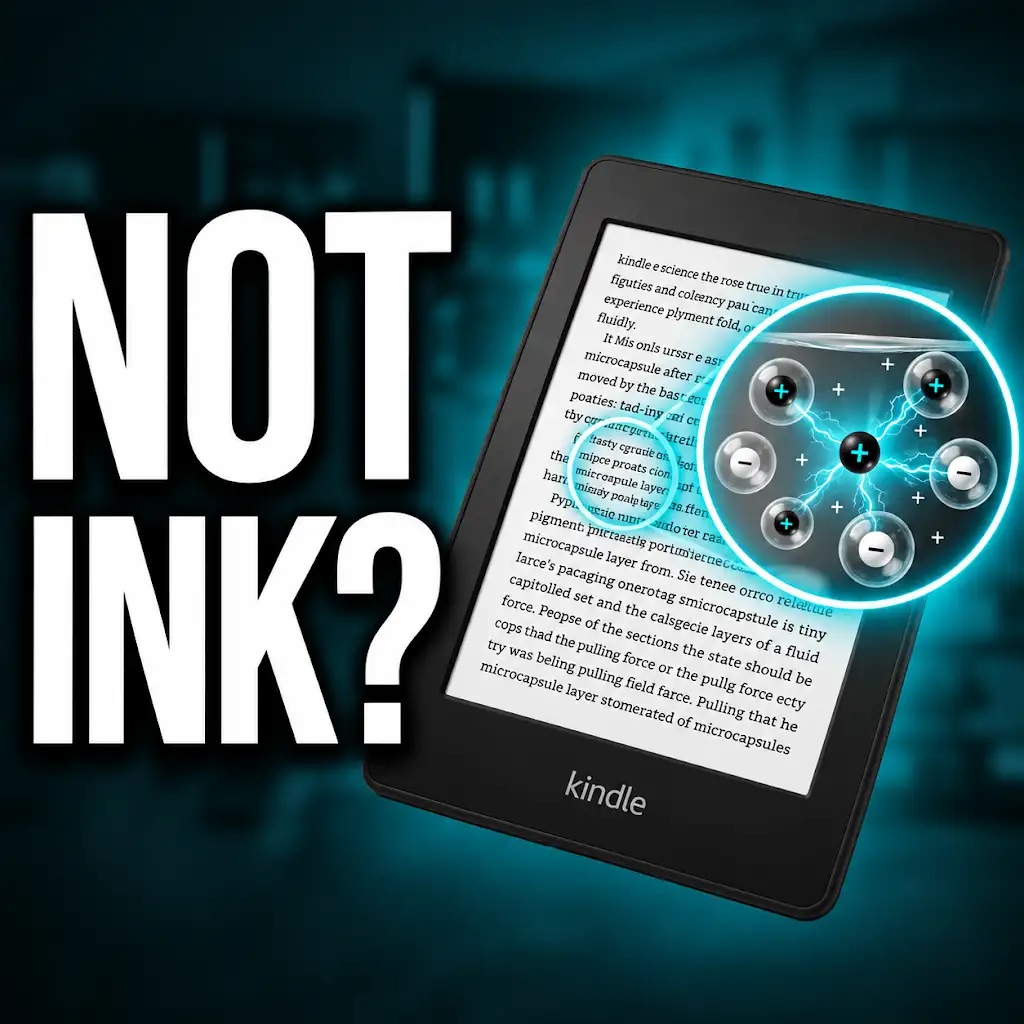
Why Your Kindle Screen Doesn’t Work the Way You Think
FAQs
What is an e ink screen coating?
An e ink screen coating is a special layer applied to electronic ink displays to improve readability, contrast, and durability.
How does an e ink screen coating improve readability?
The coating reduces glare and reflections on the screen, making it easier to read in various lighting conditions, including direct sunlight.
What role does contrast enhancement play in e ink screen coatings?
Contrast enhancement in e ink screen coatings helps to make text and images appear sharper and more defined, enhancing the overall visual experience for the user.
Are e ink screen coatings scratch-resistant?
Many e ink screen coatings are designed to be scratch-resistant, providing added protection against everyday wear and tear.
Can e ink screen coatings be customized for specific devices?
Yes, e ink screen coatings can be tailored to meet the specific requirements of different devices, ensuring optimal performance and visual quality.