The advent of E Ink technology has revolutionized the way we interact with digital displays, offering a unique blend of paper-like readability and low power consumption. While the core bistable electrophoretic principle of E Ink remains its defining characteristic, ongoing innovation in light guide technologies is crucial for unlocking its full potential, especially in terms of brightness, color gamut, and overall visual experience. This article delves into the advancements within E Ink light guide technology, exploring how these developments are paving the way for enhanced displays across a spectrum of applications, from e-readers and digital signage to the burgeoning field of smart surfaces and wearables.
The Foundational Role of Light in E Ink Displays
E Ink displays, unlike emissive technologies such as LCD or OLED, are reflective. They rely on ambient light to illuminate the screen, much like a printed page. This inherent reflectivity, while contributing to their readability in bright conditions and their energy efficiency, also presents significant challenges. Without an integrated light source, E Ink screens can appear dim or be rendered unreadable in low-light environments. This is where light guide technology becomes indispensable. A light guide is essentially a transparent or translucent medium designed to channel and distribute light across the surface of the display evenly. The evolution of E Ink display performance is inextricably linked to the sophistication and efficiency of these light guiding systems.
Understanding E Ink’s Reflective Nature
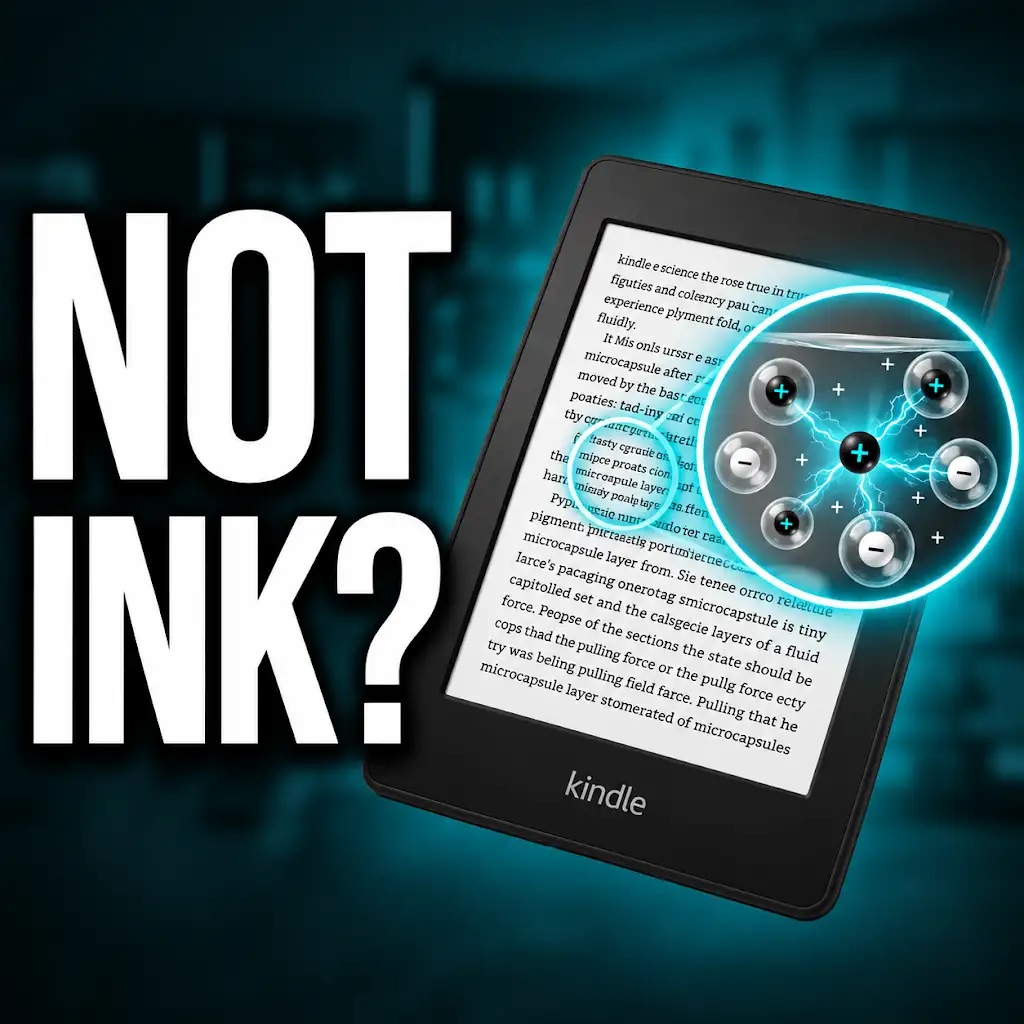
At its heart, E Ink utilizes charged pigment particles suspended in a fluid. When an electric field is applied, these particles migrate to the surface, forming an image. Black particles absorb light, while white particles reflect it. The absence of a backlight means E Ink screens do not generate their own light, which is a key factor in their power efficiency and their ability to mimic the appearance of paper. However, this also means that the quality of the displayed image is heavily dependent on the external lighting conditions and the effectiveness of any integrated lighting solution.
The Necessity of Frontlighting and Backlighting
To overcome the limitations of low-light readability, E Ink displays incorporate lighting systems. Frontlighting, which directs light onto the display surface from the top or sides, is the more common approach for e-readers and many portable devices. This method illuminates the display from the viewer’s perspective, avoiding direct glare that can be present with backlighting. Backlighting, though less common in traditional E Ink, has also seen advancements, particularly in color E Ink applications where more uniform illumination is desired. The effectiveness of these lighting systems hinges on the design and material properties of the light guide.
E Ink technology has revolutionized the way we interact with digital displays, particularly in e-readers and other portable devices. A related article that delves into the advancements and applications of E Ink light guide technology can be found at this link: Freaky Science. This article explores how E Ink’s innovative light guide systems enhance readability and user experience, making it a significant topic for those interested in the future of display technologies.
Innovations in Light Guide Design and Materials
The development of advanced light guide technologies for E Ink displays has been a multi-faceted pursuit, focusing on improving light distribution, reducing power consumption of the lighting elements, and enhancing optical efficiency. This has involved exploring new materials, refining manufacturing processes, and employing sophisticated optical engineering principles. The goal is to create a lighting experience that is bright, uniform, and aesthetically pleasing, without compromising the core benefits of E Ink.
Micro-optic Structures for Enhanced Light Scattering
One of the most significant advancements in light guide technology involves the integration of micro-optic structures. These microscopic patterns, etched or molded onto or within the light guide material, are designed to precisely control the direction and dispersion of light. By scattering light more effectively and uniformly across the display surface, micro-optic structures minimize hot spots and dark areas, ensuring that the entire screen is evenly illuminated. This uniformity is critical for text readability and image clarity. Different types of micro-optic structures, such as lenses, prisms, and gratings, are employed to achieve specific light distribution patterns tailored to the display’s resolution and intended use.
Advanced Diffuser Technologies
Diffusers play a vital role in E Ink light guides by softening and spreading the light emitted by the LEDs. Traditional diffusers, often made from milky plastics, can absorb a significant amount of light, leading to reduced brightness and increased power consumption. Newer diffuser technologies focus on achieving higher light transmission rates while maintaining excellent diffusion properties. This includes the use of specialized polymer blends, nanoparticles embedded within the light guide material, and multi-layer diffusion structures. These innovations allow for brighter displays with less energy expenditure from the lighting source.
Light-Guiding Films and Plates
The physical form of the light guide itself has also evolved. Light-guiding films, thin and flexible layers of optically engineered material, offer excellent light distribution in a compact form factor. These films can be laminated directly onto the E Ink panel or integrated into the display stack. Light-guiding plates, thicker and more rigid, provide robust structural support while also serving as efficient light channels. The choice between films and plates often depends on the application’s requirements for thickness, durability, and optical performance. Material science breakthroughs in polymers and optical coatings have been instrumental in developing these advanced films and plates.
Integration of Color-Tunable Lighting
While E Ink’s primary strength lies in its monochrome capabilities, the drive for color E Ink displays has spurred innovation in lighting. To accurately render colors, E Ink displays often require a more nuanced lighting approach. This includes the development of light guides that can effectively transmit and distribute light from multiple colored LEDs (e.g., red, green, blue, and white). Furthermore, research is ongoing into tunable white lighting solutions that can adjust the color temperature of the light to enhance perceived color accuracy and create different visual moods. These systems require sophisticated control algorithms and precise light guiding to ensure consistent color reproduction across the display.
Optimizing Light Extraction and Uniformity
The efficiency of a light guide is ultimately measured by how much of the generated light is successfully extracted and distributed across the display surface, and how uniform that distribution is. Significant engineering effort has been dedicated to maximizing these parameters, directly impacting the user experience and the power efficiency of E Ink devices.
Light Extraction Features: Dot Patterns and Surface Textures
To encourage light to exit the light guide at the intended angles and locations, engineers employ various light extraction features. These can include precisely patterned arrays of dots, prisms, or other micro-structures on the bottom surface of the light guide that interact with the light internally reflected. These features act like small prisms or lenses, redirecting the light upwards towards the E Ink layer. The density, shape, and size of these extraction features are carefully optimized through optical simulation and experimentation to achieve the desired light output and uniformity. Surface textures, such as matte finishes or specialized micro-grooves, can also be employed to enhance the diffusion and scattering of light as it exits the guide.
Minimizing Light Loss Through Absorption and Reflection
Every interface and material within the light guide system represents a potential point of light loss. Absorption of light by the material itself and reflection at interfaces between different components can significantly reduce the overall brightness and efficiency. Innovations in low-absorption materials, such as high-purity acrylics and polycarbonates, have been crucial. Additionally, the use of anti-reflective coatings on critical surfaces can minimize unwanted reflections, allowing more light to be transmitted. Careful design of the light guide’s geometry and the selection of appropriate adhesive layers also play a role in reducing light loss.
Achieving Uniformity Across Large Displays
As E Ink displays grow in size, maintaining uniform illumination becomes increasingly challenging. For larger displays, such as those used in digital signage or electronic shelf labels, light sources may be positioned at a greater distance from the display surface. This necessitates more sophisticated light guide designs, often involving multiple light sources and intricately patterned light extraction features to ensure even brightness distribution. Advanced optical modeling software is essential for simulating light propagation and optimizing the design for large-format applications. The use of diffusers with tailored scattering properties also becomes more critical in these scenarios.
Applications Benefiting from Enhanced E Ink Light Guides
The advancements in E Ink light guide technology are not merely incremental improvements; they are enabling a broader range of applications and elevating the performance of existing ones. The ability to achieve brighter, more uniform, and color-accurate displays opens up new possibilities for how E Ink is utilized.
Next-Generation E-Readers and Digital Books
The primary application for E Ink, e-readers, stands to gain immensely from improved light guides. Brighter and more uniform frontlighting means a more comfortable reading experience in all lighting conditions, reducing eye strain. Color E Ink displays, when coupled with advanced light guides, can offer a more vibrant and accurate representation of book covers, illustrations, and even color comics, bringing them closer to the visual fidelity of print. The ability to tune the color temperature of the frontlight also allows users to select a warmer or cooler light for improved comfort during extended reading sessions.
Advanced Digital Signage and Information Displays
Digital signage is a rapidly growing market, and E Ink offers a unique value proposition due to its sunlight readability and extremely low power consumption, especially for static or infrequently updated content. Enhanced light guides enable brighter, more impactful E Ink signage that can compete with traditional backlit displays in various ambient light conditions. Color E Ink with advanced lighting can be used for dynamic advertising, public information displays, and even interactive kiosks, offering a paper-like aesthetic with digital flexibility. The reduced power draw also makes these displays ideal for remote or off-grid locations.
Wearable Technology and Smart Surfaces
The integration of E Ink into wearables, such as smartwatches and fitness trackers, is gaining traction. Here, the thinness and low power consumption of E Ink are paramount. Sophisticated light guides are crucial for making these small displays readable in bright sunlight without draining the battery. Similarly, the concept of smart surfaces – environments embedded with interactive displays – can leverage E Ink’s unique properties. Think of smart mirrors, interactive furniture, or even smart windows. Advanced light guides are essential to ensure these surfaces are both visually appealing and functional, providing information and interaction in a seamlessly integrated manner.
Smart Cards and Price Tags
E Ink’s bistable nature makes it ideal for applications where information needs to be displayed for extended periods with minimal power. Smart cards with integrated displays for authentication or personalized information benefit from improved light guides that ensure readability in various conditions. Electronic shelf labels (ESLs) in retail environments are a prime example where advanced light guides contribute to brighter, more easily readable price tags, reducing the need for frequent manual updates and enhancing the shopping experience. The ability to update these labels remotely and instantly is further amplified by reliable and visible displays.
E-ink technology has revolutionized the way we read and interact with digital content, and one fascinating aspect of this innovation is the use of light guides to enhance visibility and reduce glare. For those interested in exploring this topic further, a related article can be found at Freaky Science, which delves into the mechanics and benefits of e-ink displays. This resource provides valuable insights into how light guides work in conjunction with e-ink technology to create a more comfortable reading experience.
Future Trends and Emerging Technologies
| Metric | Value | Unit | Description |
|---|---|---|---|
| Light Guide Thickness | 0.3 – 0.5 | mm | Thickness range of typical E Ink light guide films |
| Light Transmission | 85 – 95 | % | Percentage of light transmitted through the guide |
| Uniformity | ±5 | % | Light distribution uniformity across the display surface |
| Refractive Index | 1.49 | n | Typical refractive index of PMMA-based light guides |
| Light Source Type | LED | N/A | Common light source used with E Ink light guides |
| Power Consumption | 0.1 – 0.3 | W | Power used by the light guide illumination system |
| Operating Temperature | -20 to 60 | °C | Temperature range for stable light guide performance |
| Lifetime | 50,000+ | hours | Expected operational lifetime of the light guide system |
The innovation in E Ink light guide technology is far from complete. Researchers and engineers are continuously exploring new frontiers to push the boundaries of performance and unlock even more compelling applications. The focus remains on improving efficiency, expanding color capabilities, and exploring novel integration methods.
Toward Truly Paper-Like Color Displays
While color E Ink has made significant strides, achieving the vibrant and wide color gamut of printed materials or emissive displays remains a challenge. Future innovations in light guides will likely involve more sophisticated multi-layer diffusers and advanced optical filters that can selectively transmit and enhance specific color wavelengths. The integration of micro-LEDs with precise color control, coupled with highly efficient light guides, holds the promise of truly paper-like color E Ink displays that can rival the visual quality of print.
Energy Harvesting Integration
The ultra-low power consumption of E Ink, coupled with advancements in light guides, opens up exciting possibilities for energy harvesting integration. Imagine E Ink displays that can be powered by ambient light or even kinetic energy. Light guides that are more efficient at capturing and distributing even weak ambient light could potentially be coupled with thin-film solar cells or piezoelectric generators to create self-powered displays. This would further enhance the sustainability and deployment flexibility of E Ink technology.
Dynamic and Programmable Light Guides
The concept of programmable or dynamically adjustable light guides is an emerging area of research. Instead of static light distribution patterns, future light guides could incorporate electro-optic materials or micro-actuators that allow for real-time adjustment of light intensity and direction. This could enable adaptive displays that optimize their lighting based on user presence, ambient light conditions, or specific content being displayed, further enhancing both visual quality and power efficiency.
Seamless Integration with Flexible and Stretchable Electronics
As the field of flexible and stretchable electronics matures, the integration of E Ink displays with these novel form factors will become increasingly important. Light guides designed for flexible substrates, perhaps utilizing advanced thin-film technologies or novel scattering principles, will be essential for creating curved displays, wearable devices that conform to the body, and other innovative form factors. The ability to maintain uniform and efficient light distribution across non-planar surfaces presents a significant engineering challenge and a fertile ground for future innovation.
The relentless pursuit of innovation in E Ink light guide technology is a testament to the enduring appeal of its paper-like display characteristics. By addressing the fundamental challenges of illumination, these advancements are not only refining existing applications but are also paving the way for a future where E Ink plays an even more integral role in our digital lives, offering a compelling blend of readability, efficiency, and visual fidelity across an ever-expanding range of devices and surfaces.
Why Your Kindle Screen Doesn’t Work the Way You Think
FAQs
What is an e ink light guide?
An e ink light guide is a technology that uses electronic ink to create a thin, flexible, and energy-efficient light source for various applications.
How does an e ink light guide work?
An e ink light guide works by using electronic ink particles that are manipulated by an electric field to reflect light. This allows the light guide to be illuminated evenly and efficiently.
What are the advantages of using an e ink light guide?
Some advantages of using an e ink light guide include its thin and flexible design, energy efficiency, even light distribution, and the ability to be customized for different applications.
Where can e ink light guides be used?
E ink light guides can be used in a variety of applications, such as e-readers, electronic shelf labels, smart packaging, signage, and other display devices that require a thin and energy-efficient light source.
Are e ink light guides environmentally friendly?
Yes, e ink light guides are considered environmentally friendly because they are energy-efficient, have a long lifespan, and can be recycled. Additionally, they do not contain harmful substances such as mercury, making them a sustainable lighting solution.