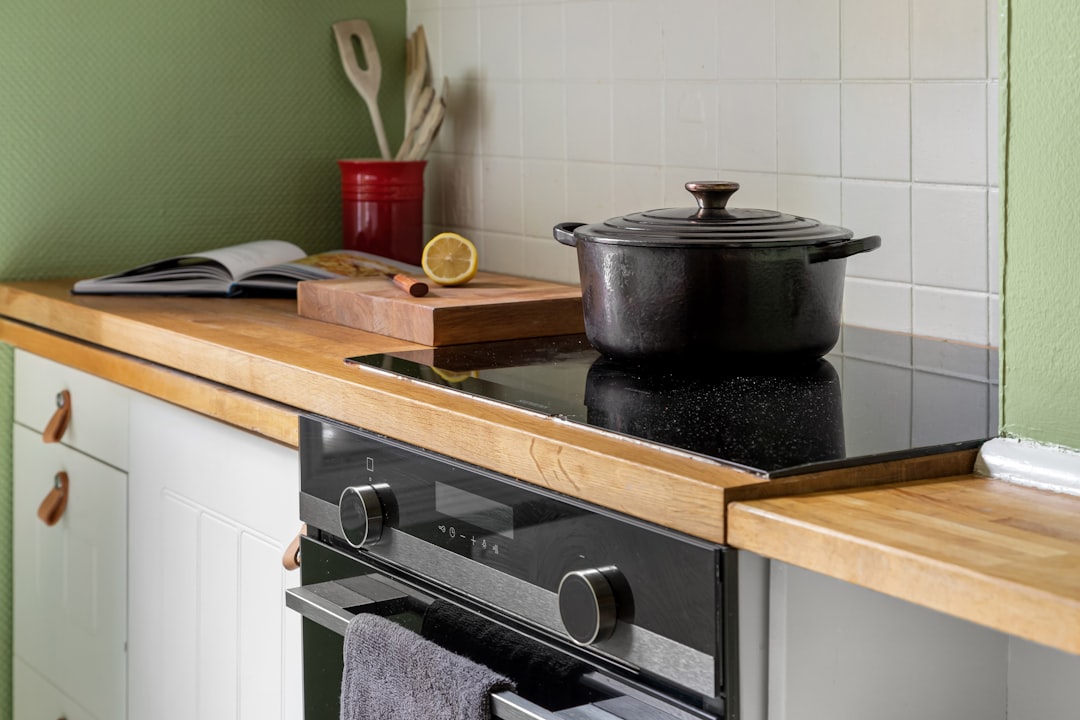
You’re probably familiar with the classic kitchen scene: the sizzle of oil in a pan, the gentle lick of flames dancing beneath a pot, the comforting warmth radiating from your stovetop. For generations, fire has been the quintessential symbol of cooking. But what if you could harness that precise, powerful heat without a single spark, without the visible dance of flames? Welcome to the world of induction cooking, a revolutionary technology that’s quietly transforming kitchens, offering you unparalleled control, efficiency, and a safer way to bring your culinary creations to life. You might be wondering what this “flameless heat technology” truly entails, and how it can benefit your everyday cooking. Prepare to be enlightened.
At its core, induction cooking operates on a fascinating principle of electromagnetism, a far cry from the radiant heat of your traditional gas or electric stovetops. Forget about heating coils or open flames; induction is all about direct energy transfer. When you place a compatible pot or pan onto an induction burner, something remarkable happens beneath the smooth, cool surface.
The Electromagnetic Dance
The induction cooktop contains a coil of copper wire. When you turn on the burner, an alternating electric current flows through this coil. This rapidly changing current generates a fluctuating magnetic field. This magnetic field, in turn, penetrates the base of your cookware. Crucially, for this to work, your cookware must be made of ferromagnetic material – typically cast iron or certain types of stainless steel. If a magnet sticks to the bottom of your pot, it’s likely induction-compatible.
Eddy Currents: The Invisible Heat Source
As the magnetic field oscillates, it induces small electrical currents within the metallic base of your cookware. These are known as eddy currents. These eddy currents, flowing through the resistance of the metal, generate heat directly within the pot or pan itself. It’s not the cooktop that gets hot and then transfers heat to the pot; rather, the pot itself becomes the heat source. This is a fundamental difference that has profound implications for your cooking experience. Think of it like this: instead of a distant campfire warming you, imagine the fire being directly in your hands, contained within your cooking vessel. This directness is what makes induction so efficient and responsive.
The Cool Touch: Safety and Efficiency
A remarkable byproduct of this process is that the surface of the induction cooktop itself remains relatively cool. Only the cookware gets hot, and even then, it’s the direct transfer of heat that does the job. This means spills are less likely to burn onto the surface, making cleanup a breeze. Furthermore, because the heat is generated directly in the pot, very little energy is wasted dissipating into the surrounding air. This translates to significantly higher energy efficiency compared to traditional stovetops. You’re not heating up your kitchen unnecessarily, which is a welcome bonus, especially during warmer months.
Induction cooking is an innovative method that utilizes electromagnetic energy to heat pots and pans directly, eliminating the need for an open flame. This technology not only enhances cooking efficiency but also improves safety by reducing the risk of burns and fire hazards. For a deeper understanding of how induction cooking works and its benefits compared to traditional cooking methods, you can read a related article at Freaky Science.
The Unparalleled Advantages: Why You Should Embrace Induction
The benefits of induction cooking extend far beyond its intriguing scientific principles. When you switch to an induction cooktop, you’re stepping into a world of culinary advantages that will elevate your cooking and your kitchen experience.
Precision and Responsiveness: A Chef’s Dream
One of the most lauded benefits of induction is its incredible precision and responsiveness. Imagine being able to go from a rolling boil to a gentle simmer in an instant, with just the turn of a dial or a tap of a button. This is the reality with induction. Because the heat is generated directly within the cookware, the cooktop can react almost instantaneously to changes in your temperature settings.
Instantaneous Temperature Control
When you adjust the heat setting on an induction cooktop, the magnetic field strength changes immediately, and consequently, the heat output in your pan adjusts in real-time. This means you have absolute control over your cooking. You can sear delicate fish without burning it, achieve the perfect caramelization, or maintain a precise low simmer for hours without worry. This level of control is often difficult to achieve with gas or electric, where there’s often a lag between adjusting the knob and seeing the actual temperature change in the pan.
Superior for Delicate Cooking Tasks
Tasks that require meticulous temperature management, like melting chocolate, tempering eggs, or making delicate sauces, become significantly easier and more forgiving on an induction cooktop. You can confidently melt chocolate without fear of scorching it, knowing that the heat can be dialed back to virtually nothing in a heartbeat. This precision is invaluable for any home cook looking to refine their techniques and achieve professional-level results.
Energy Efficiency: Good for Your Wallet and the Planet
As mentioned earlier, induction cooking is remarkably energy-efficient. This is a significant advantage for both your household budget and the environment.
Minimized Heat Loss
The direct transfer of heat to the cookware means that almost all the energy supplied by the cooktop goes directly into heating your food. Unlike gas stoves, where a significant amount of heat escapes around the sides of the pot, or electric stoves that heat a coil that then heats the pot, induction minimizes this wasted energy. This means your food cooks faster, and you use less electricity to achieve the desired temperature.
Faster Cooking Times
Because the heat is generated so efficiently and directly, induction cooktops often cook food faster than traditional methods. This means less time spent at the stove, and again, less energy consumption. Over time, these savings can add up, making induction a financially sound choice.
Reduced Environmental Impact
By using less energy, induction cooking contributes to a reduced carbon footprint. If you’re looking for ways to make your home more sustainable, upgrading to an induction cooktop is a practical and impactful step. You’re not only saving money but also making a positive choice for the planet.
Enhanced Safety: Peace of Mind in Your Kitchen
The flameless nature of induction cooking significantly enhances kitchen safety, providing you with peace of mind, especially if you have children or pets.
Cool-Touch Surface
The cooktop surface itself remains significantly cooler than traditional stovetops. While the cookware will get hot, the surrounding area is much less likely to cause accidental burns. This is a major advantage, particularly in busy kitchens where multitasking is common. You can bump into the cooktop without the immediate risk of severe burns.
Auto Shut-Off Features
Most modern induction cooktops come equipped with safety features such as automatic shut-off. If you remove the cookware from the burner, the heating process automatically stops. This prevents accidental fires and ensures that the cooktop isn’t left on unattended with no cookware present. This is a feature that can offer immense relief and prevent potential hazards.
No Open Flames or Gas Leaks
The absence of open flames eliminates the risk of gas leaks, which can be a serious concern with gas stoves. You also don’t have to worry about anything flammable near the cooktop catching fire. This inherent safety makes induction a more attractive option for many households.
Addressing Common Concerns: What About My Existing Cookware?

A common question that arises when considering induction cooking is about cookware compatibility. You might be thinking, “Do I need to replace all my beloved pots and pans?” The good news is, probably not entirely.
The Magnet Test: Your Key to Compatibility
As mentioned earlier, the defining characteristic of induction-compatible cookware is its magnetic property. The simplest way to check if your existing pots and pans will work is to perform the “magnet test.” Grab a common refrigerator magnet and try sticking it to the bottom of your cookware.
Ferromagnetic Materials are Key
If the magnet sticks firmly to the base of the pot or pan, it is made of a ferromagnetic material and is likely induction-compatible. This includes most cast iron cookware, enameled cast iron, and many types of stainless steel.
What Won’t Work (Typically)
Cookware made entirely of aluminum, copper, glass, or non-magnetic stainless steel will not work on an induction cooktop. These materials do not have the necessary ferromagnetic properties to interact with the magnetic field and generate heat. However, many manufacturers now produce cookware with a magnetic stainless steel base bonded to an aluminum or copper core, making them induction-compatible while still offering the benefits of those materials.
Investing in New Cookware: When and What to Look For
While you might be able to use some of your existing cookware, there might be instances where investing in new pieces is beneficial.
Optimal Performance
For the best performance and to maximize the benefits of induction, you might consider acquiring cookware specifically designed for induction. These pieces are often engineered for optimal heat distribution and responsiveness. Look for cookware that clearly states “induction compatible” or “suitable for induction” on the packaging or product description.
Even Heating and Durability
When choosing new induction cookware, look for sturdy construction with a thick, flat base. This ensures even heat distribution and prevents warping, which can be an issue with cheaper, thinner materials. Multilayered constructions, often referred to as clad cookware, featuring layers of stainless steel and aluminum, are generally excellent choices for induction.
Cookware Sets and Individual Pieces
You can find induction-compatible cookware in a wide variety of sets or as individual pieces. Consider your cooking habits and the types of meals you prepare most often when making your selections. A good quality skillet, a versatile saucepan, and a larger stockpot are often a great starting point.
The Induction Kitchen: A Modern Culinary Hub

Beyond the cooktop itself, embracing induction cooking can inspire a more streamlined and modern approach to your entire kitchen.
Sleek Aesthetics and Easy Maintenance
Induction cooktops often feature a sleek, minimalist design with a smooth glass-ceramic surface. This not only looks elegant in contemporary kitchens but also makes cleaning incredibly easy. Unlike gas ranges with grates and burners that can be difficult to scrub, most spills on an induction cooktop can be wiped away with a damp cloth.
Wipe-Clean Surfaces
The lack of exposed heating elements means that food spills don’t bake onto the surface, making post-cooking cleanup a quick and effortless task. This is a welcome change for anyone who dreads scrubbing burnt-on food.
Integrated Designs
Many induction cooktops are designed to be seamlessly integrated into countertops, creating a clean, uninterrupted aesthetic that enhances the overall look of your kitchen.
Faster Meal Preparation and Versatile Cooking
The speed and precision of induction cooking can fundamentally change your approach to meal preparation.
Quicker Weeknight Dinners
When you can boil water in half the time or sear proteins to perfection in minutes, weeknight dinners become far less daunting. The responsiveness of induction allows you to move quickly between tasks, making meal prep more efficient and less time-consuming.
Adaptable to Various Cooking Styles
Whether you’re a seasoned chef or a beginner cook, induction can adapt to your needs. From precise simmering for delicate sauces to high-heat searing for a perfect crust, induction offers the versatility to handle a wide range of culinary techniques. You can even use it for sous vide if you have a compatible thermometer or setup.
Induction cooking is a fascinating technology that heats pots and pans directly through electromagnetic energy, eliminating the need for an open flame. This method not only enhances safety but also improves energy efficiency in the kitchen. For those interested in exploring the science behind this innovative cooking technique, you can read more in a related article found at Freaky Science, which delves into the principles of induction and its benefits over traditional cooking methods.
The Future is Flameless: Embracing the Induction Revolution
| Metric | Description | Value/Example |
|---|---|---|
| Heating Method | How heat is generated in induction cooking | Electromagnetic induction |
| Cookware Material | Type of cookware compatible with induction cooktops | Ferromagnetic metals (e.g., cast iron, stainless steel) |
| Heat Generation Location | Where heat is produced during cooking | Inside the cookware base, not on the cooktop surface |
| Energy Transfer Efficiency | Percentage of energy transferred from cooktop to cookware | Approximately 85-90% |
| Surface Temperature | Temperature of the cooktop surface during cooking | Relatively low, usually below 60°C (140°F) |
| Response Time | Time taken for cookware to start heating | Almost instantaneous (seconds) |
| Safety Feature | How induction cooktops avoid open flames and reduce burns | Cooktop remains cool except under cookware; automatic shutoff if no pan detected |
Induction cooking is no longer a niche technology; it’s a mainstream innovation that offers a superior cooking experience. As you consider your next kitchen upgrade, or even just look for ways to improve your current cooking setup, you owe it to yourself to explore the world of induction.
A Smarter, Safer, and More Efficient Way to Cook
From its energy efficiency and enhanced safety features to its unparalleled precision and responsiveness, induction cooking delivers tangible benefits that will transform the way you cook and interact with your kitchen. You’re not just buying a new appliance; you’re investing in a more enjoyable, efficient, and safer culinary journey.
Making the Switch: Your Next Culinary Adventure Awaits
The transition to induction is simpler than you might think. With a little research into cookware compatibility and a willingness to embrace a new way of cooking, you’ll soon be enjoying the many advantages that flameless heat technology has to offer. Step into the future of cooking, and discover a world of culinary possibilities. Your taste buds, your wallet, and your peace of mind will thank you.

The Pan Is the Heater: How Induction Cooking Really Works
FAQs
1. How does induction cooking work without a flame?
Induction cooking uses electromagnetic energy to directly heat pots and pans, without the need for a traditional gas flame or electric heating element.
2. What is the technology behind induction cooking?
Induction cooktops generate a magnetic field that creates an electric current in the cookware, which in turn produces heat. This process is efficient and allows for precise temperature control.
3. Is induction cooking safe to use?
Induction cooking is considered safe because the cooktop itself does not get hot, reducing the risk of burns. Additionally, the heat is generated directly in the cookware, making it a safer option compared to traditional stovetops.
4. What are the advantages of using an induction cooktop?
Some advantages of induction cooking include faster heating times, energy efficiency, precise temperature control, and easy cleanup due to the cooktop remaining cool to the touch.
5. Are there any limitations to using induction cooktops?
One limitation of induction cooktops is that they require cookware that is magnetic, such as cast iron or stainless steel. Additionally, induction cooktops may be more expensive upfront compared to traditional stoves, but they can save money in the long run due to their energy efficiency.