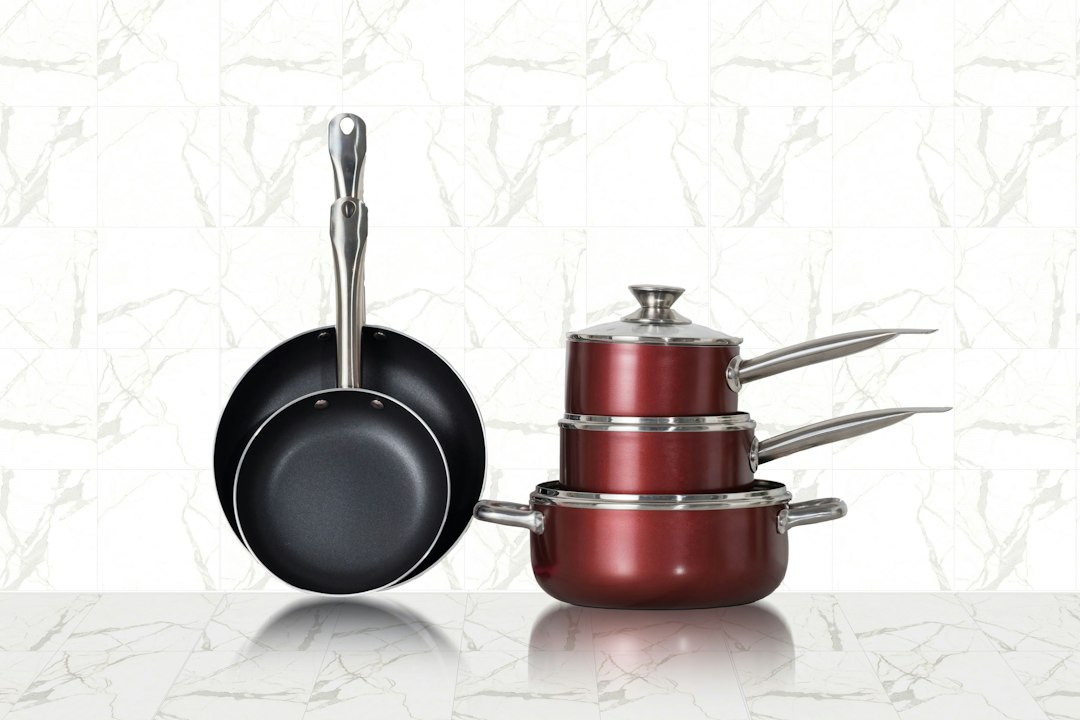
You’re standing in your kitchen, a shiny new induction cooktop gleaming under the lights. The aroma of freshly brewed coffee fills the air, and you’re ready to embark on a culinary adventure. But then you glance at your beloved collection of pots and pans, a symphony of stainless steel, cast iron, and perhaps a bit of non-stick. A nagging question surfaces: will they play nicely with your newfangled stove? You realize that not all cookware is created equal when it comes to induction. This is where the concept of induction compatibility becomes your guiding star.
The Magic of Magnetism: Understanding How Induction Works
Before you start rummaging through your cupboards, it’s crucial to understand the fundamental principle behind induction cooking. Unlike traditional electric or gas stoves that directly heat the cooktop’s surface, induction relies on a fascinating interplay of electromagnetism.
The Electromagnetic Field: Your Cooktop’s Hidden Power
At the heart of your induction cooktop lies a powerful electromagnetic coil. When you turn it on, this coil generates an alternating magnetic field. Think of it like an invisible, oscillating energy wave emanating from the cooktop’s surface. This field, however, doesn’t directly heat the pan.
The Eddy Currents: The Engine of Heat Transfer
Here’s where your cookware plays its starring role. For induction to work, your pots and pans need to be made of a material that can interact with this magnetic field. Specifically, they need to be ferromagnetic. When a ferromagnetic pan is placed on the energized cooktop, the alternating magnetic field induces electrical currents within the base of the pan. These currents are known as eddy currents.
Resistance Creates Heat: The Genesis of Cooking
These eddy currents, as they flow through the metal of your pan, encounter electrical resistance. It’s this resistance that generates heat – and it’s the heat that cooks your food. The beauty of induction lies in its efficiency: the heat is generated directly within the pan itself, minimizing energy loss and allowing for incredibly precise temperature control. This is why induction is often lauded for its speed and responsiveness.
If you’re curious about how to determine whether your cookware is compatible with induction cooktops, you might find it helpful to read a related article that provides detailed insights and tips. This article explains the science behind induction cooking and offers practical advice on testing your pans for induction compatibility. For more information, check out this link: How to Tell if a Pan Works on Induction.
The Magnet Test: Your First Line of Defense
The simplest and most definitive way to determine if your cookware is induction-compatible is the magnet test. This is a low-tech solution to a high-tech problem, and it’s surprisingly effective.
Gather Your Magnets: Small but Mighty
You’ll need a magnet. The stronger, the better. A refrigerator magnet is usually sufficient, but a stronger craft magnet or even a horseshoe magnet will provide even clearer results. Think of it as your trusty detective tool.
The Touchdown: Applying the Magnet
Now, take your magnet and place it on the base of the pot or pan you wish to test. Apply a gentle, firm pressure.
The Verdict: Attraction or Repulsion?
If the magnet sticks firmly to the base of the pan, congratulations! You’ve likely got an induction-compatible piece of cookware. This indicates that the material in the pan’s base is ferromagnetic, meaning it can be magnetized and thus interact with the induction cooktop’s electromagnetic field. If the magnet doesn’t stick at all, or only weakly adheres, that particular pan is probably not suitable for your induction hob.
Material Matters: Decoding Your Cookware’s Composition
The material your cookware is made from is the most significant factor determining its induction compatibility. While the magnet test is a great initial indicator, understanding the properties of different materials provides deeper insight.
Ferromagnetic Foundations: The Pillars of Induction
- Cast Iron: Ah, the venerable cast iron. This is the king of induction compatibility. Its inherent magnetic properties make it a perfect match for induction cooktops. Whether it’s a seasoned cast iron skillet or a Dutch oven, you can cook with confidence.
- Enameled Cast Iron: Many modern cast iron pieces are enameled. As long as the enamel coating doesn’t completely obscure a ferromagnetic base (which is rare), these will also be induction-friendly. The enamel serves as a protective layer and doesn’t interfere with the magnetic properties of the iron beneath.
- Magnetic Stainless Steel: Not all stainless steel is created equal. Standard 18/8 or 18/10 stainless steel might not be magnetic. However, many manufacturers now produce stainless steel cookware with a ferromagnetic core or base layer. This is often achieved by incorporating a layer of cast iron or a magnetic alloy.
- Clad Cookware with Ferromagnetic Core: Many high-quality clad stainless steel pots and pans (often with layers of aluminum or copper sandwiched between stainless steel) will have a magnetic stainless steel base. This ensures both excellent heat distribution from the core materials and induction compatibility from the outer magnetic layer.
- Carbon Steel: Similar to cast iron in its magnetic properties, carbon steel pans are also excellent candidates for induction cooking. They are lighter and more responsive than cast iron, making them a popular choice for stir-frying and searing.
Non-Ferromagnetic Companions: The Challenges for Induction
- Aluminum: Pure aluminum is not magnetic and therefore not induction-compatible. However, as mentioned, aluminum is often used in the core of clad cookware for its excellent heat conductivity. It’s the outer magnetic layer that makes these pans work on induction.
- Anodized Aluminum: While anodized aluminum is more durable and less reactive, it remains non-magnetic. If your anodized aluminum pan doesn’t have a magnetic base or core, it won’t work on an induction cooktop.
- Copper: Copper is another excellent conductor of heat but is not magnetic. Like aluminum, copper is often found as a core or outer layer in high-end cookware for its superior heat distribution. Induction compatibility will depend on the presence of a magnetic base layer.
- Glass and Ceramic: Glass and ceramic cookware, by their very nature, are not magnetic and will not work on an induction cooktop. These materials are designed for conventional ovens or direct heat sources that rely on radiant heat.
- Non-Stick Cookware: The presence of a non-stick coating doesn’t automatically disqualify a pan. The induction compatibility depends entirely on the material of the pan’s base. Many non-stick pans have a ferromagnetic base (often stainless steel or cast iron) to make them induction-compatible.
The Manufacturer’s Mark: Decoding Symbols and Labels
Manufacturers are increasingly aware of the importance of induction compatibility and often provide clear indications on their packaging or the cookware itself. Learning to recognize these symbols can save you a lot of guesswork.
The Induction Symbol: A Universal Sign
Look for a specific symbol that often resembles a series of horizontal loops or coils. This symbol is a universal indicator that the cookware is designed for induction cooktops. It’s usually found on the packaging, the bottom of the pan, or in the product manual.
Textual Clues: Reading Between the Lines
Beyond the symbol, manufacturers will often explicitly state “induction compatible,” “suitable for induction,” or “induction ready” on their labels or product descriptions. If you’re buying online, this information is usually prominently displayed in the product details.
Integrated Bases: The Hidden Technology
Many modern pots and pans are designed with integrated ferromagnetic bases. This means the magnetic material is not just a separate plate attached to the bottom, but rather a seamlessly incorporated layer that ensures optimal contact and heat transfer with the induction cooktop. This also helps prevent warping over time.
If you’re curious about how to determine if your cookware is suitable for induction cooking, you might find it helpful to explore a related article that provides detailed insights on this topic. Understanding the compatibility of your pans can significantly enhance your cooking experience. For more information, you can check out this informative guide on induction cookware at Freaky Science. This resource will help you identify the key features to look for in your kitchen essentials.
The “Spin Test”: A Practical (and Sometimes Humorous) Approach
If the magnet test is ambiguous or you’re in a pinch, you can try a slightly more hands-on approach. This is less scientifically rigorous but can still provide a good indication.
The Gentle Rotation: A Subtle Signal
Place your pan on the induction cooktop and turn the heat to a low setting. Don’t put any food in it! Carefully try to spin the pan gently.
The “Drag” Factor: What to Look For
If the pan resists spinning easily and feels like it’s being “dragged” or “gripped” by the cooktop, it’s a good sign that it’s induction-compatible. This subtle resistance is caused by the magnetic interaction between the pan and the induction field. If the pan spins freely with no resistance whatsoever, it’s likely not induction-compatible.
Important Caveats: Don’t Force It
Be cautious with this method. You’re not trying to forcefully twist the pan. The “drag” should be subtle. If you feel any significant resistance or hear scraping noises, stop immediately. This test is best performed on a clean, dry cooktop to avoid any misleading friction.
When in Doubt, Seek Professional Advice (or Just Buy New!)
There might be times when you’re still unsure, especially with older or less clearly labeled cookware. In these situations, it’s better to err on the side of caution.
Consult Your Cooktop Manual: The Ultimate Authority
Your induction cooktop’s user manual is an invaluable resource. It will often provide specific guidelines on compatible cookware materials and may even list recommended brands or types of pans.
Manufacturer’s Websites: A Wealth of Information
If you have a specific brand of cookware you’re questioning, visit the manufacturer’s website. Their product pages or FAQ sections often contain detailed information about induction compatibility.
Retailer’s Knowledge: Ask the Experts
If you’re at a kitchenware store, don’t hesitate to ask the sales staff. They are often well-versed in the nuances of cookware and can help you identify induction-compatible options.
The Investment in Induction-Ready Cookware: A Long-Term Solution
If you find that a significant portion of your existing cookware isn’t induction-compatible, consider investing in new pieces specifically designed for induction. High-quality induction-ready cookware can be a worthwhile investment, offering superior performance and longevity on your new cooktop. Look for reputable brands known for their quality and commitment to induction technology. This way, you can enjoy the full benefits of your induction cooktop without compromise.
In conclusion, understanding induction compatibility is not about being a culinary scientist; it’s about equipping yourself with a few simple tools and a bit of knowledge to ensure your cookware and your new induction cooktop work harmoniously. The magnet test is your primary diagnostic tool, material composition is your underlying understanding, and manufacturer markings are your helpful guides. By following these steps, you can confidently navigate the world of induction cooking and unlock its full potential, transforming your kitchen into a haven of efficient, precise, and delicious culinary creations. Happy cooking!
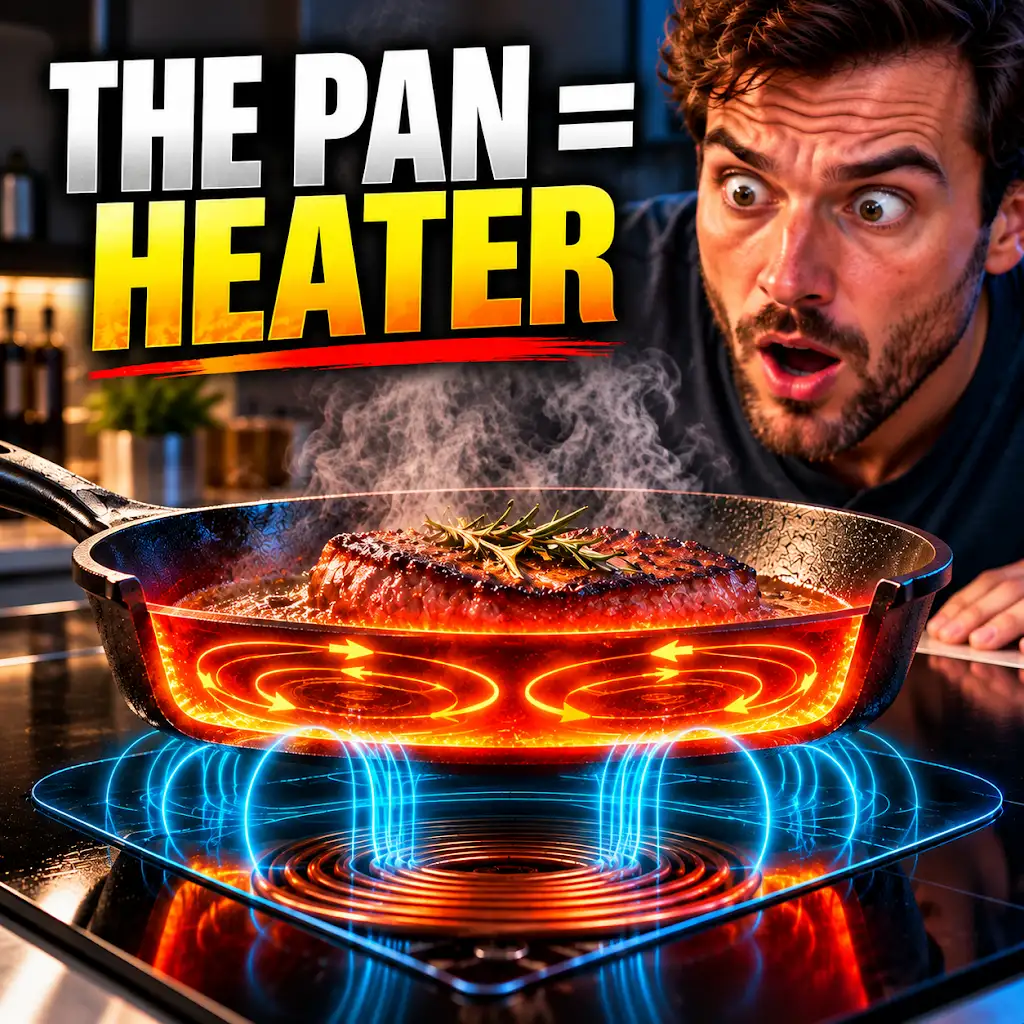
The Pan Is the Heater: How Induction Cooking Really Works
FAQs
1. What is induction cooking?
Induction cooking is a method of cooking that uses electromagnetic energy to heat pots and pans directly, rather than using a traditional heat source like gas or electric coils.
2. How can I tell if a pan works on induction?
To determine if a pan is compatible with induction cooking, you can perform a simple test by placing a magnet on the bottom of the pan. If the magnet sticks, the pan is induction-compatible.
3. What types of pans are suitable for induction cooking?
Pans made of ferrous materials such as cast iron, stainless steel, or certain types of magnetic stainless steel are suitable for induction cooking. Copper, glass, and aluminum pans are not compatible unless they have a magnetic base.
4. Are all stainless steel pans induction-compatible?
Not all stainless steel pans are induction-compatible. To ensure compatibility, look for pans that are specifically labeled as “induction-ready” or test them with a magnet to confirm.
5. Can I use a converter disk to make non-induction pans work on an induction cooktop?
Yes, you can use a converter disk, also known as an induction interface disk, to make non-induction pans work on an induction cooktop. The disk acts as a bridge between the pan and the induction cooktop, allowing heat to transfer effectively.