You are about to embark on a detailed exploration of implant osseointegration, a cornerstone of modern restorative dentistry. This journey will take you beyond the surface, delving into the intricate biological processes involved and the often-overlooked microbial inhabitants that play a crucial role in its success. While the term “success” in osseointegration typically refers to the stable, long-term integration of an implant with the surrounding bone, your understanding will be deepened by considering the crucial factor of microbial balance. Achieving predictable and durable results hinges not only on the mechanical qualities of the implant material and the surgical technique but also on the dynamic interplay between your body’s tissues and the diverse microbial communities that colonize the implant surface.
Your understanding of osseointegration will be enhanced by grasping the fundamental principles that govern this biological fusion. It’s a process that, when successful, allows for the functional restoration of missing teeth, significantly improving your quality of life. However, the microbial landscape, often a silent partner, can either contribute to this success or, conversely, become a source of complications. This article aims to provide you with a comprehensive overview, enabling you to appreciate the multifaceted nature of implant osseointegration and to understand the importance of maintaining a healthy oral microbiome.
This exploration will equip you with the knowledge to engage more effectively with your dental professionals, to ask pertinent questions, and to understand the rationale behind recommended diagnostic and therapeutic interventions. By demystifying the biological and microbial intricacies, you will gain a greater appreciation for the commitment required to maintain oral health following implant placement and to foster an environment conducive to long-term implant success.
Osseointegration, at its core, is the direct structural and functional connection between living bone and the surface of a load-bearing artificial implant. For dental implants, this means your jawbone fuses directly to the titanium or zirconia surface, creating a stable foundation upon which prosthetic crowns, bridges, or dentures can be securely attached. This process, first rigorously defined by Professor Ingvar Brånemark and his colleagues, hinges on a series of predictable biological events.
The Biological Cascade: From Surgery to Integration
Your body’s response to the placement of a dental implant is a carefully orchestrated sequence of inflammatory and regenerative processes. Understanding these stages is vital to appreciating the timeline and the factors that influence successful osseointegration.
Initial Wound Healing and Inflammatory Response
Immediately following implant surgery, your body initiates a natural inflammatory response. This is characterized by the arrival of various immune cells, including neutrophils and macrophages, to the surgical site. Their primary role is to clear debris, remove damaged tissue, and begin the process of tissue repair. You might experience some swelling, tenderness, and minor bleeding during this initial phase. This inflammation is not a sign of failure but rather a necessary precursor to healing.
The Role of Inflammatory Mediators
Inflammatory mediators, such as cytokines and growth factors, are released during this stage. These signaling molecules orchestrate the migration and activation of other cells, setting the stage for subsequent regenerative events. Your body’s ability to manage this inflammatory phase effectively is crucial for a smooth transition to healing.
Importance of Surgical Trauma Minimization
The level of surgical trauma you experience significantly influences the initial inflammatory response. Careful surgical technique, minimizing tissue disruption and heat generation, can help modulate this response, leading to a more predictable healing trajectory.
Bone Formation and Remodeling
Following the initial inflammatory phase, your body begins to lay down new bone. This process involves the arrival of osteoblasts, specialized cells responsible for bone formation. These cells deposit new bone matrix, which then undergoes mineralization. Over time, this newly formed bone integrates with the implant surface.
Osteoblast Migration and Activity
Osteoblasts are attracted to the implant surface by various signals, including the surface topography and the presence of specific proteins. Once in place, they actively synthesize and secrete the extracellular matrix that will eventually become bone.
Osteoclast Resorption and Bone Remodeling
Parallel to bone formation, osteoclasts, cells responsible for bone resorption, are also active. This balanced activity of osteoblasts and osteoclasts, known as bone remodeling, is essential for shaping the new bone, ensuring it conforms to the implant surface and maintains its functional integrity. This ongoing remodeling allows the bone to adapt to the mechanical forces applied to the implant.
Maturation and Long-Term Stability
The final stage of osseointegration involves the maturation of the newly formed bone and its stabilization. This process can take several months, during which the implant becomes firmly integrated with the surrounding bone tissue. You will notice a gradual reduction in any initial discomfort as the bone solidifies around the implant.
Mechanical Interlocking and Biological Bonding
Osseointegration involves both mechanical interlocking, where the bone’s trabecular structure interdigitates with the implant’s surface irregularities, and a biological bond, where cellular components directly adhere to the implant material.
Stress Adaptation and Load Bearing
Once osseointegration is complete, your implant can withstand the forces of mastication. The bone tissue is capable of adapting to these stresses, and the integrated implant becomes an integral part of your jaw’s biomechanical system.
Factors Influencing Osseointegration Success
While your body’s inherent healing capabilities are paramount, several external factors can significantly influence the success of osseointegration. Understanding these factors allows for better management and prevention of potential complications.
Implant Material and Surface Properties
The choice of implant material and its surface characteristics are fundamental to encouraging osseointegration. Titanium, with its biocompatibility and ability to form a stable oxide layer, has been the gold standard for decades. Newer materials like zirconia are also gaining traction.
Surface Topography and Roughness
The microscopic and macroscopic texture of the implant surface plays a critical role. Rougher surfaces generally promote better cellular attachment and bone deposition compared to smoother surfaces, leading to faster and more robust osseointegration.
Surface Modifications and Coatings
Various surface modifications and coatings, such as hydroxyapatite or antimicrobial agents, are applied to implants to enhance their biological performance and promote faster healing and integration. These can influence cell adhesion, proliferation, and differentiation.
Surgical Technique and Planning
The precision and care taken during the surgical procedure are directly correlated with the likelihood of successful osseointegration. Meticulous planning and execution minimize trauma and optimize the preconditions for healing.
Atraumatic Surgical Approaches
Minimizing heat generation during drilling, using appropriate surgical instruments, and achieving precise implant placement are critical for reducing tissue damage and promoting a favorable healing environment.
Primary Stability and Implant Positioning
Ensuring adequate primary stability of the implant immediately after placement and achieving correct angulation and depth are crucial for preventing micromovement, which can disrupt the osseointegration process.
Patient-Specific Factors
Your individual health status and lifestyle choices can profoundly impact your body’s ability to heal and integrate the implant.
Systemic Health Conditions
Conditions like diabetes, osteoporosis, and autoimmune diseases can impair healing and increase the risk of implant failure. Effective management of these conditions is therefore essential.
Smoking and Lifestyle Habits
Smoking is a significant risk factor for implant complications, including delayed healing and increased rates of peri-implantitis. Maintaining a healthy lifestyle is crucial for optimal outcomes.
Recent studies have highlighted the critical relationship between implant osseointegration and microbial tone, emphasizing how the microbial environment can significantly influence the success of dental implants. For a deeper understanding of this topic, you can refer to a related article that discusses the impact of microbial communities on osseointegration processes. To explore this further, visit this article.
The Unseen Inhabitants: Oral Microbiome and Implant Osseointegration
While osseointegration is primarily a process of bone healing, the oral cavity is a teeming ecosystem of microorganisms. The surface of your dental implant, once placed, becomes a new frontier for these microbial communities. Their presence and composition can significantly influence the success of osseointegration, not just as a potential source of infection but also through their direct and indirect interactions with your tissues.
Microbial Colonization: A Dynamic Process
Following implant placement, a predictable sequence of microbial colonization occurs on the implant surface, mirroring the stages of wound healing. Understanding this process helps in appreciating how the microbiome evolves and impacts integration.
Initial Colonization by Oral Microbes
Shortly after surgery, as the tissues begin to heal, various commensal bacteria from your existing oral flora will begin to colonize the exposed implant surfaces. These are typically species that are abundant in a healthy oral environment.
Early Adopters: Aerobic and Facultative Anaerobes
In the initial stages, you will likely see an increase in aerobic and facultative anaerobic bacteria, such as streptococci and staphylococci. These microbes can adapt to the initial conditions of the healing wound.
Influence of Surgical Site Conditions
The characteristics of the surgical site, including the presence of blood, inflammatory exudate, and any residual necrotic tissue, can influence the types of bacteria that preferentially colonize the implant.
Biofilm Formation: A Complex Community
As time progresses, these initial colonizers multiply and establish a more complex microbial community known as a biofilm. A biofilm is an organized consortium of microorganisms encased in a self-produced matrix of extracellular polymeric substances (EPS).
The Extracellular Polymeric Substance (EPS) Matrix
The EPS matrix provides structural integrity to the biofilm, protects the embedded microorganisms from host defenses and antimicrobial agents, and facilitates nutrient exchange and inter-bacterial communication.
Inter-species Interactions within the Biofilm
Within the biofilm, different bacterial species interact in complex ways, through direct contact or the exchange of signaling molecules. These interactions can lead to synergistic or antagonistic effects that influence the overall microbial community structure and function.
Changes in Microbiome Composition Over Time
The composition of the microbial community on and around your implant will continue to evolve. Factors such as the implant material, surface topography, host immune response, and the proximity of natural teeth all play a role in shaping this dynamic ecosystem.
Transition to Anaerobic Microorganisms
As the biofilm matures and oxygen levels may decrease in deeper layers, anaerobic bacteria, often associated with periodontal disease, can become more prevalent. This shift is a critical indicator of potential future issues.
The Role of Saliva and Oral Hygiene
Your salivary flow rate and composition, as well as your oral hygiene practices, are crucial in influencing the microbial environment. Effective biofilm removal through brushing and flossing is essential for maintaining a healthy balance.
The Dual Role of the Microbiome: Friend or Foe?
The presence of microbes on your implant is not inherently negative. In fact, a balanced and commensal microbiome can potentially contribute to osseointegration. However, disruptions in this balance can lead to detrimental outcomes.
Beneficial Contributions of a Commensal Microbiome
In a healthy state, commensal oral bacteria can coexist with your tissues without causing harm and may even contribute to beneficial processes.
Competition with Pathogens
A healthy commensal flora can occupy ecological niches, preventing the overgrowth of opportunistic pathogens that could compromise the implant.
Modulation of Host Immune Response
Certain commensal bacteria have been shown to modulate the host’s immune response, potentially promoting a more favorable environment for healing and integration.
The Pathogenic Potential: Peri-Implantitis and its Consequences
Conversely, an imbalanced or dysbiotic microbiome can lead to inflammation and infection around the implant, a condition known as peri-implantitis. This is the most significant microbial threat to implant longevity.
Microbial Dysbiosis and Inflammation
When the microbial community shifts towards a pathogenic profile, characterized by an overabundance of specific bacteria like Porphyromonas gingivalis or Aggregatibacter actinomycetemcomitans, it triggers an inflammatory response in the surrounding tissues.
Destruction of Peri-implant Tissues
This persistent inflammation can lead to the breakdown of the soft tissues (gingiva) and, crucially, the loss of the supporting bone around the implant. This loss of bone compromises the implant’s stability.
Factors Preceding Peri-implantitis
Several factors can predispose you to peri-implantitis, including poor oral hygiene, a history of periodontal disease, smoking, and uncontrolled diabetes.
Maintaining Microbial Balance: Your Role in Success
Your active participation in maintaining oral hygiene and adhering to professional care recommendations is paramount in fostering a microbial environment that supports osseointegration.
The Importance of Meticulous Oral Hygiene
Effective biofilm control is the cornerstone of preventing microbial-associated complications. This involves a combination of mechanical and chemical interventions.
Mechanical Biofilm Removal
Consistent and thorough brushing and flossing are essential to disrupt and remove plaque, the precursor to mature biofilms, from all implant surfaces and surrounding teeth.
Specialized Cleaning Aids
Your dental professional may recommend specialized interdental brushes, floss holders, or even water flossers to effectively clean around your implants, especially in areas that are difficult to reach with conventional methods.
Chemical Biofilm Control
In some cases, your dentist may recommend antimicrobial mouthwashes or topical agents to supplement mechanical cleaning and further reduce bacterial load. These should be used as prescribed.
Regular Professional Monitoring and Maintenance
Your commitment to regular dental appointments is non-negotiable for long-term implant success. These visits allow for early detection and intervention.
Clinical Examinations and Radiographic Monitoring
Your dentist will regularly examine your implants and surrounding tissues for any signs of inflammation or bone loss. Radiographs (X-rays) are crucial for assessing bone levels and detecting changes that may not be visible clinically.
Professional Cleaning and Debridement
During recall appointments, your dental hygienist will perform professional cleaning to remove any accumulated plaque and calculus that you may have missed. This deep cleaning is crucial for preventing the progression of peri-implant issues.
Early Intervention Strategies
Detecting early signs of peri-implant inflammation allows for timely intervention before significant bone loss occurs. This might involve adjusting hygiene practices, using specific antimicrobial agents, or initiating more intensive therapy.
The Interplay Between Inflammation and Microbial Load

The relationship between the inflammatory response to implant placement and the subsequent microbial colonization is a complex feedback loop. Understanding this interplay is key to appreciating how seemingly minor microbial imbalances can escalate into significant problems.
Initial Inflammatory Response as a Catalyst
The inflammatory cascade initiated by surgery, while necessary for healing, also creates a microenvironment that can influence microbial colonization.
Nutrient Availability in Inflammatory Exudate
The presence of inflammatory exudate, rich in proteins, lipids, and other nutrients, can provide a favorable environment for the growth of certain bacteria, particularly those that thrive in such conditions.
Blood Components as a Nutrient Source
Components of blood, such as iron and growth factors, released during the inflammatory phase, can be readily utilized by bacteria, promoting their proliferation and biofilm formation.
pH Changes in the Surgical Site
The local pH at the surgical site can be altered by the inflammatory process, which can influence the types of bacteria that are able to colonize and proliferate effectively.
Microbial Metabolites and Their Inflammatory Effects
Once biofilms are established, the bacteria within them produce a variety of metabolites that can directly or indirectly trigger and exacerbate inflammation around the implant.
Production of Pro-inflammatory Mediators
Many oral bacteria, particularly pathogenic species, produce substances that stimulate your immune cells to release pro-inflammatory cytokines. These cytokines create a cycle of inflammation that can damage surrounding tissues.
Lipopolysaccharides (LPS) from Gram-Negative Bacteria
Gram-negative bacteria, common in dysbiotic oral environments, possess lipopolysaccharide (LPS) on their cell walls. LPS is a potent endotoxin that triggers a strong inflammatory response upon contact with host cells.
Bacterial Enzymes and Toxins
Various bacterial enzymes and toxins can degrade host tissues, facilitate bacterial invasion, and further amplify the inflammatory response, contributing to tissue destruction.
The Vicious Cycle: Inflammation Fuels Dysbiosis and Vice Versa
This creates a detrimental feedback loop: surgery induces inflammation, which favors microbial colonization; the established microbial communities, in turn, produce metabolites that perpetuate and amplify inflammation, leading to further tissue damage and creating an even more favorable environment for pathogenic bacteria. Breaking this cycle is central to maintaining implant health.
Immune System Saturation and Dysregulation
Chronic inflammation can overwhelm and dysregulate your immune system’s ability to effectively clear bacteria, leading to a state where the host response becomes part of the problem rather than the solution.
Impaired Phagocytosis and Bacterial Clearance
Persistent inflammation can alter the function of immune cells like neutrophils and macrophages, impairing their ability to engulf and destroy bacteria, allowing pathogens to persist and proliferate.
Autoimmune-like Responses
In some cases, chronic inflammation can lead to a situation where your immune system begins to mistakenly attack your own tissues in an attempt to combat the perceived microbial threat, further contributing to bone loss.
Diagnostic Tools for Assessing Microbial Balance and Osseointegration
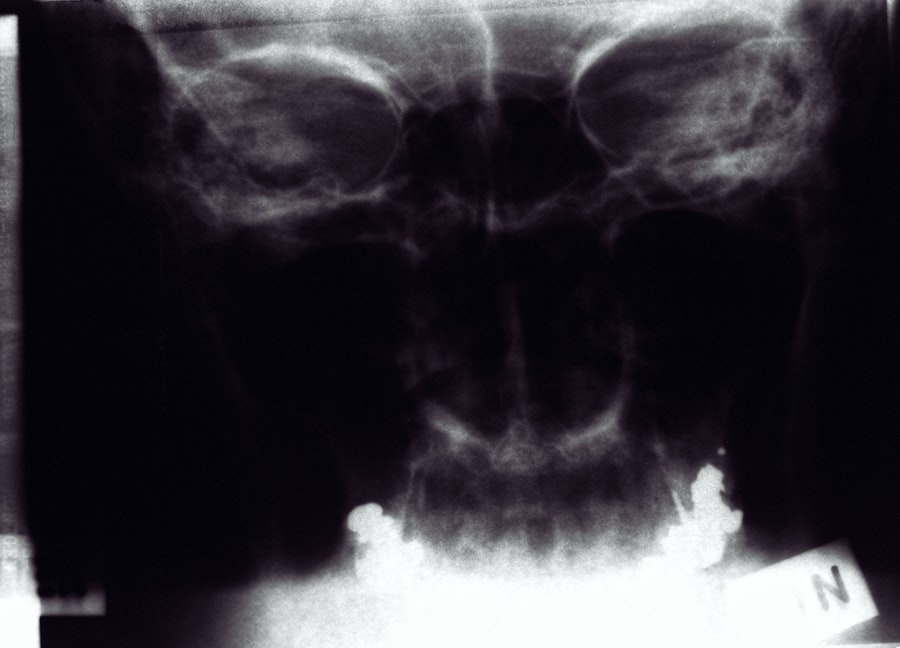
Accurate diagnosis is fundamental to understanding the state of your implant osseointegration and the microbial environment surrounding it. A range of diagnostic tools can be employed, from simple clinical observations to sophisticated laboratory analyses.
Clinical Assessment: The First Line of Defense
Your dentist’s trained eye and hands are your first and most important diagnostic tools. Regular clinical examinations allow for the early detection of subtle changes.
Visual Inspection of Peri-implant Tissues
Looking for signs of redness, swelling, bleeding upon probing, and suppuration (pus) around the implant are crucial indicators of inflammation.
Gingival Indices and Bleeding on Probing (BOP)
Standardized indices are used to quantify the degree of gingival inflammation. Bleeding upon gentle probing around the implant is a sensitive indicator of inflammatory processes, even before visible signs appear.
Probing Depths and Attachment Levels
Measuring the depth of the pocket around the implant and assessing the level of attachment of the gum tissue to the implant surface provides objective data on tissue health and potential bone loss.
Peri-implant Probing Depths (PPD)
Similar to periodontal probing around natural teeth, probing around implants helps assess the health of the peri-implant tissues. Increased PPD can indicate inflammation or bone loss.
Assessing Peri-implant Recession
Loss of gum tissue around the implant (recession) can expose more of the implant surface, which can make it more susceptible to plaque accumulation and inflammation.
Radiographic Evaluation: Visualizing the Bone
Radiographs are indispensable for assessing the integrity of the bone surrounding your implant. They allow for the detection of bone loss that might not be evident clinically.
Intraoral Periapical Radiographs and Bitewings
These standard X-rays can provide a two-dimensional view of the bone around the implant, allowing for the identification of radiolucencies (dark areas indicative of bone loss) and the overall bone height.
Cone-Beam Computed Tomography (CBCT)
CBCT offers a three-dimensional view of the implant and surrounding structures. This technology is particularly useful for assessing bone morphology, guiding implant placement, and precisely quantifying bone loss in cases of peri-implantitis.
Detailed Bone Morphology Assessment
CBCT allows for a detailed evaluation of bone density, volume, and shape, providing a more comprehensive understanding of the osseointegration status and the extent of any bony defects.
Localization of Bone Defects
CBCT can precisely locate and characterize bone defects, which is crucial for treatment planning, especially for reconstructive surgical procedures.
Microbiological Diagnostic Techniques: Identifying the Culprits
Beyond simple visual and radiographic assessment, specific microbiological tests can provide valuable insights into the composition of the microbial community colonizing your implant and their potential role in disease.
Chairside Microbial Tests
These rapid tests can provide an immediate indication of the types and quantities of certain bacteria present in plaque samples.
ATP Measurement for Biofilm Activity
Adenosine triphosphate (ATP) is present in all living cells. Measuring ATP in plaque samples can provide an indication of the overall microbial activity and the presence of a significant biofilm.
Detection of Specific Pathogenic Bacteria
Some chairside tests are designed to detect the presence and levels of specific bacteria commonly associated with peri-implantitis, such as Porphyromonas gingivalis or Prevotella intermedia.
Laboratory-Based Microbiological Analysis
For a more comprehensive understanding, samples can be sent to a laboratory for detailed analysis.
Polymerase Chain Reaction (PCR) Based Assays
PCR techniques allow for the highly sensitive and specific detection of microbial DNA from plaque or subgingival samples. This can identify a wide range of bacteria, including those that are difficult to culture, and can quantify their abundance.
Quantitative PCR (qPCR) for Bacterial Load
qPCR provides a quantitative measure of specific bacterial species, allowing your dentist to assess the relative abundance of potential pathogens versus commensal bacteria.
DNA Sequencing and Metagenomics
Advanced techniques like 16S rRNA gene sequencing and metagenomics allow for the identification and relative abundance profiling of the entire microbial community present. This offers a holistic view of the oral microbiome and can reveal imbalances that might not be apparent with targeted tests.
Recent studies have highlighted the intricate relationship between implant osseointegration and microbial tone, emphasizing how the presence of specific microbial communities can influence the success of dental implants. For a deeper understanding of this topic, you can explore a related article that discusses the impact of microbial diversity on bone healing and implant stability. This research sheds light on the importance of maintaining a balanced microbial environment to enhance osseointegration outcomes. To read more about this fascinating connection, visit this article.
Strategies for Optimizing Microbial Balance and Long-Term Implant Success
| Study | Osseointegration Rate (%) | Microbial Tone |
|---|---|---|
| Study 1 | 95 | Low |
| Study 2 | 90 | Moderate |
| Study 3 | 98 | Low |
Achieving and maintaining a healthy microbial balance around your dental implants is an ongoing process that requires a multi-faceted approach, encompassing diligent oral hygiene, professional care, and potentially targeted interventions.
Proactive Biofilm Management
Preventing the establishment of pathogenic biofilms is more effective than treating established infections. This involves consistent and effective plaque control measures.
Personalized Oral Hygiene Instruction and Reinforcement
Your dental professional will provide you with tailored instructions on how to best clean around your implants, considering their specific design and your individual dexterity. Regular reinforcement of these techniques is crucial.
Demonstrations and Hands-on Practice
Receiving direct demonstrations of proper brushing and flossing techniques, and having the opportunity to practice them under guidance, can significantly improve your efficacy.
Use of Adjunctive Oral Hygiene Aids
Beyond traditional brushing and flossing, various aids can enhance biofilm removal.
Interdental Brushes and Floss Threaders
These tools are particularly useful for cleaning between teeth and around the implant abutments, areas that can be challenging to access with regular floss.
Water Flossers for Targeted Irrigation
Water flossers can deliver a pulsating stream of water that can help disrupt and remove plaque from hard-to-reach areas, and can also provide irrigation to flush out debris. However, they are not a substitute for mechanical cleaning.
Professional Maintenance Protocols
Regular dental visits are not optional but a critical component of long-term implant care. These appointments are designed to monitor, clean, and intervene as needed.
Scheduled Recall Appointments
Adhering to a consistent recall schedule, typically every 3-6 months, allows for early detection of any developing issues before they become serious.
Thorough Clinical and Radiographic Assessments
During these appointments, your dentist will meticulously examine the peri-implant tissues and take necessary radiographs to assess bone levels and implant stability.
Professional Debridement and Maintenance Therapy
These appointments involve thorough cleaning to remove any accumulated plaque, calculus, and biofilm that may not be removable with home care.
Ultrasonic and Hand Instrumentation for Biofilm Removal
Specialized instruments are used to gently and effectively remove plaque and calculus from the implant surface and surrounding tissues.
Application of Antimicrobial Agents
In some cases, your dentist may apply antimicrobial agents to help reduce bacterial load and manage inflammation.
Therapeutic Interventions for Established Dysbiosis or Peri-implantitis
When microbial imbalances have led to inflammation or peri-implantitis, more targeted therapeutic interventions become necessary.
Non-Surgical Management
For mild to moderate cases, non-surgical approaches are often the first line of treatment.
Mechanical Debridement of the Implant Surface
This involves the meticulous removal of biofilms and inflammatory exudate from the implant surface and the peri-implant sulcus. Specialized instruments designed not to damage the implant surface are used.
Use of Non-metallic Instruments
To avoid scratching or damaging the implant surface, which can create new sites for bacterial adhesion, non-metallic instruments like plastic or carbon fiber scalers are often employed.
Local Antimicrobial Therapy
The application of antimicrobial agents directly to the affected area can help reduce bacterial load and control inflammation.
Delivery of Antimicrobials via Local Agents
This can involve the use of antimicrobial gels, pastes, or sustained-release devices delivered directly into the peri-implant sulcus.
Surgical Interventions
In more severe cases of peri-implantitis, surgical intervention may be required to address bone loss and decontaminate the implant surface.
Debridement and Implant Surface Decontamination
Surgical access allows for thorough cleaning and decontamination of the implant surface, removing any adherent biofilms and inflamed granulation tissue.
Techniques for Implant Surface Debridement
Various techniques are used to decontaminate the implant surface, including ultrasonic scaling, air polishing with specific abrasives, and chemical decontamination with agents like chlorhexidine or citric acid.
Regenerative Procedures
In cases of significant bone loss, surgical procedures aimed at regenerating lost bone may be considered.
Guided Bone Regeneration (GBR)
This technique involves using barrier membranes and bone graft materials to guide the regeneration of lost bone tissue around the implant.
Your journey with dental implants is a testament to modern science’s ability to restore function and aesthetics. Understanding the intricate process of osseointegration, and the crucial role of microbial balance, empowers you to be an active participant in ensuring the long-term success of your investment in your oral health. By embracing meticulous hygiene, attending regular professional appointments, and understanding the potential microbial challenges, you can foster an environment that promotes stable osseointegration and a healthy, functional smile for years to come.
FAQs
What is osseointegration?
Osseointegration is the process by which an implant, such as a dental implant or orthopedic implant, fuses with the surrounding bone tissue, creating a strong and stable connection.
How does osseointegration occur?
Osseointegration occurs through a series of biological processes, including the formation of new bone tissue around the implant and the integration of the implant surface with the surrounding bone.
What is microbial tone in relation to osseointegration?
Microbial tone refers to the balance of microorganisms in the surrounding environment of the implant. Maintaining a healthy microbial tone is important for successful osseointegration, as an imbalance of microorganisms can lead to inflammation and infection.
How does microbial tone affect osseointegration?
An imbalance in microbial tone can disrupt the osseointegration process by causing inflammation, bone resorption, and implant failure. It is important to manage microbial tone to promote successful osseointegration.
What are some strategies for managing microbial tone during osseointegration?
Strategies for managing microbial tone during osseointegration include proper sterilization of the implant, maintaining good oral hygiene, and using antimicrobial agents when necessary. Additionally, promoting a healthy immune response can help support the osseointegration process.