
In recent years, the consumption of music has shifted significantly. High-resolution audio (HRA) has expanded the listening experience by providing greater detail and clarity than standard audio formats. As streaming services and digital downloads have become prevalent, demand for higher quality sound has increased.
High-resolution audio encompasses formats with sample rates and bit depths that exceed CD-quality standards, allowing listeners to hear details that standard compression removes. When listening to HRA formats, listeners often notice previously undetectable layers of instrumentation and vocal performance in familiar recordings. This increased interest in high-fidelity sound reflects a broader change in how people engage with music, moving beyond traditional formats to access more complete audio information.
Experience the clarity and depth of sound like never before with
The benefits of high-resolution audio extend beyond mere sound quality; they encompass a richer, more engaging listening experience. When you choose high-res formats, you are investing in an auditory journey that allows you to appreciate the artistry behind the music. You may find that the increased detail in high-res recordings brings out the subtleties in vocal performances, instrumental textures, and production techniques.
This level of clarity can transform your understanding of a song, revealing layers of complexity that were previously hidden. Moreover, high-resolution audio can enhance your overall well-being. Studies have shown that listening to music can have therapeutic effects, reducing stress and improving mood.
When you immerse yourself in high-res audio, the emotional impact of the music can be amplified, leading to a more profound sense of relaxation and enjoyment. You might discover that certain tracks resonate with your emotions in ways you never expected, allowing you to connect with the music on a personal level.
The High-Res Audio Experiment
If you’re curious about the impact of high-resolution audio on your listening experience, consider conducting a personal experiment. Start by selecting a few of your favorite tracks in both standard and high-res formats. As you listen, pay close attention to the differences in sound quality and detail.
You may find that certain elements stand out more prominently in high-res versions, such as background vocals or intricate instrumental passages. This hands-on approach will allow you to appreciate the nuances of high-resolution audio firsthand. As you delve deeper into this experiment, take notes on your emotional responses to each version of the track.
Do you feel more engaged with the high-res version? Are there moments that evoke stronger feelings or memories? By documenting your experiences, you’ll gain valuable insights into how high-resolution audio affects your perception and enjoyment of music.
This experiment can serve as a powerful reminder of the transformative potential of sound when experienced at its highest quality.
Setting the Stage: The Immersive Listening Environment
| Metric | Description | Typical Value | Notes |
|---|---|---|---|
| Sample Rate | Number of samples per second in audio | 44.1 kHz, 96 kHz, 192 kHz | Higher sample rates used in high-res audio |
| Bit Depth | Number of bits per audio sample | 16-bit, 24-bit | 24-bit provides greater dynamic range |
| Listening Environment | Acoustic conditions during experiment | Quiet room, Anechoic chamber | Minimizes external noise and reflections |
| Listener Training | Experience level of participants | Trained, Untrained | Trained listeners often detect subtle differences |
| Test Method | Type of listening test conducted | ABX, MUSHRA, Paired Comparison | ABX commonly used for discrimination tests |
| Detection Rate | Percentage of correct identifications | Varies (e.g., 50%-80%) | Depends on test difficulty and listener skill |
| Latency | Delay between audio playback and perception | Typically < 10 ms | Low latency important for real-time tests |
| Equipment Used | Playback devices and headphones/speakers | High-end DACs, Studio monitors, Reference headphones | Quality equipment reduces coloration |
Creating an immersive listening environment is crucial for maximizing your high-resolution audio experience. The space where you listen can significantly influence how sound is perceived, so consider optimizing your surroundings for the best possible experience. Start by choosing a quiet room where external noise is minimized.
You might also want to invest in acoustic treatments or soundproofing materials to enhance the clarity and richness of the audio. Additionally, consider your seating arrangement and positioning relative to your speakers or headphones. The ideal setup will allow for optimal soundstage and imaging, enabling you to fully appreciate the depth and detail of high-res audio.
You may find that sitting at an appropriate distance from your speakers or using quality headphones can dramatically enhance your listening experience. By taking these steps to create an immersive environment, you’ll be better equipped to enjoy the full benefits of high-resolution audio.
The Impact of High-Res Audio on the Listener
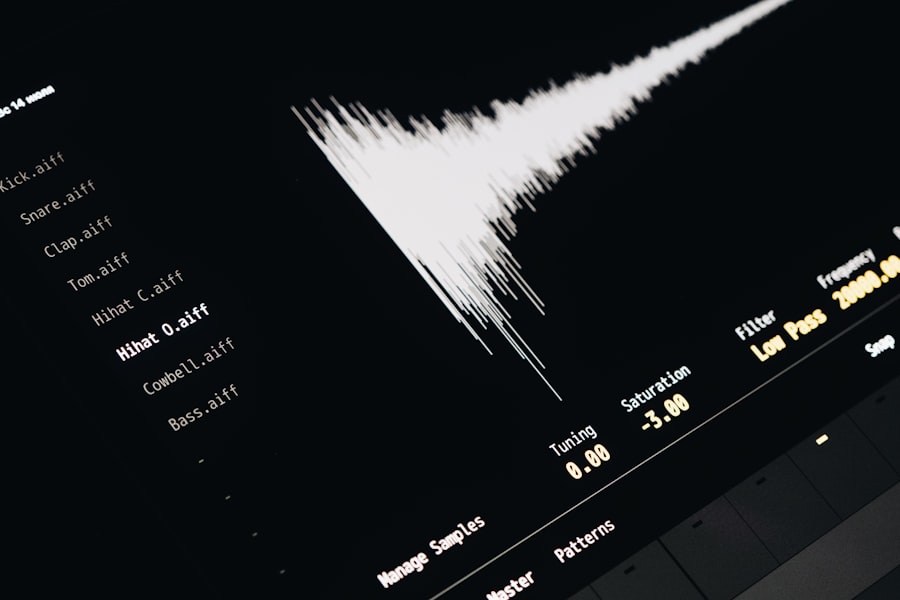
The impact of high-resolution audio on listeners is profound and multifaceted. As you engage with music through high-res formats, you may find that your emotional responses are heightened. The clarity and detail provided by HRA can evoke memories and feelings that resonate deeply within you.
This connection can lead to a more fulfilling listening experience, allowing you to explore the emotional landscape of each track in ways that standard formats may not facilitate. Moreover, high-resolution audio can foster a sense of community among listeners who share a passion for quality sound.
This shared enthusiasm can deepen your appreciation for music as an art form and create lasting bonds with fellow audiophiles who understand the transformative power of sound.
Comparing High-Res Audio to Standard Audio Formats
When comparing high-resolution audio to standard audio formats, it becomes clear that there are significant differences in quality and experience. Standard formats like MP3 or CD-quality audio often involve compression techniques that sacrifice detail for convenience. While these formats may be suitable for casual listening, they fall short when it comes to capturing the full essence of a recording.
You might notice that certain frequencies are lost or muddied in standard formats, detracting from the overall enjoyment of the music. In contrast, high-resolution audio preserves the integrity of the original recording by maintaining higher sample rates and bit depths. This means that every nuance is captured with precision, allowing you to experience music as it was intended by the artist.
As you explore various tracks in both formats, you’ll likely find that high-res audio offers a richer and more immersive experience that enhances your connection to the music.
The Role of Technology in Immersive Listening
Technology plays a pivotal role in shaping the immersive listening experience. Advances in digital audio processing and playback equipment have made it easier than ever for you to access high-resolution audio content. From dedicated digital-to-analog converters (DACs) to high-quality headphones and speakers, there are numerous options available to enhance your listening experience.
As technology continues to evolve, so too does your ability to enjoy music in its highest fidelity. Streaming services have also embraced high-resolution audio, providing subscribers with access to vast libraries of HRA content at their fingertips. This accessibility allows you to explore new genres and artists while enjoying superior sound quality.
As you navigate these platforms, you’ll likely discover hidden gems that resonate with your musical tastes, further enriching your listening journey.
The Future of High-Res Audio
The future of high-resolution audio looks promising as more listeners recognize its value and demand continues to grow. With advancements in technology and increased accessibility through streaming services, HRA is poised to become a standard rather than an exception in music consumption. As artists continue to embrace high-res formats for their recordings, you’ll likely find an expanding catalog of music available for your enjoyment.
Moreover, as awareness around sound quality increases, more audiophiles are advocating for better production practices within the industry. This shift could lead to a renaissance in how music is recorded and produced, ultimately benefiting listeners like yourself who seek an authentic auditory experience. The future holds exciting possibilities for high-resolution audio as it continues to evolve alongside technological advancements.
Tips for Creating an Immersive Listening Experience
To fully embrace the power of high-resolution audio, consider implementing some practical tips for creating an immersive listening experience. First and foremost, invest in quality playback equipment that can accurately reproduce high-res formats. Whether it’s a dedicated DAC or premium headphones, having the right tools will significantly enhance your listening journey.
Next, curate playlists that showcase a variety of genres and styles within high-res formats. This diversity will allow you to explore different sonic landscapes and appreciate how various artists utilize sound in unique ways. Additionally, consider setting aside dedicated time for focused listening sessions where distractions are minimized—this will enable you to fully immerse yourself in the music without interruptions.
Embracing the Power of High-Res Audio
As you navigate the world of high-resolution audio, it’s essential to recognize its potential to transform your listening experience profoundly. By embracing HRA, you’re not just enhancing sound quality; you’re opening yourself up to a richer emotional connection with music that transcends mere entertainment. The rise of high-res audio represents an opportunity for you to engage more deeply with the art form while enjoying all its intricacies.
In conclusion, as technology continues to advance and access to high-resolution content becomes more widespread, now is the perfect time for you to explore this exciting realm of sound. By creating an immersive listening environment and investing in quality equipment, you’ll be well on your way to experiencing music like never before—vibrant, detailed, and emotionally resonant. Embrace the power of high-res audio and let it elevate your musical journey into new dimensions.
In recent discussions about the impact of high-resolution audio on listening experiences, a fascinating article on Freaky Science delves into the nuances of auditory perception and the science behind sound quality. For those interested in exploring this topic further, you can read the article [here](https://www.freakyscience.com/sample-page/). This resource provides valuable insights into how high-res audio can enhance our listening experiments and overall enjoyment of music.
WATCH THIS! Can You Really Hear High-Res Audio? 🎶
FAQs
What is a listening experiment in the context of high-resolution audio?
A listening experiment in high-resolution audio is a controlled test designed to evaluate whether listeners can perceive differences between high-resolution audio files and standard audio formats, such as CD-quality or compressed audio.
What defines high-resolution audio?
High-resolution audio refers to audio files that have a higher sampling rate and bit depth than standard CD-quality audio (44.1 kHz/16-bit). Common high-res formats include 96 kHz/24-bit or 192 kHz/24-bit, which theoretically provide more detailed sound reproduction.
Why are listening experiments conducted for high-resolution audio?
Listening experiments are conducted to determine if the increased technical specifications of high-resolution audio translate into a perceptible improvement in sound quality for listeners, and to assess the validity of claims made by high-res audio proponents.
How are listening experiments typically structured?
Listening experiments often use blind or double-blind testing methods where participants listen to audio samples without knowing which format they are hearing. They may be asked to identify differences, rate quality, or choose preferences between high-res and standard audio samples.
Can most people hear the difference between high-resolution audio and standard audio?
Research and listening experiments have shown mixed results. Some trained listeners or audiophiles report perceiving differences, while many casual listeners do not reliably distinguish high-resolution audio from standard CD-quality audio in blind tests.
What factors can influence the outcome of a high-resolution audio listening experiment?
Factors include the quality of playback equipment (headphones, speakers, DACs), the listening environment, the listener’s hearing ability and experience, the type of music or audio material, and the specific formats and bit rates used.
Are there any scientific standards for conducting high-resolution audio listening experiments?
Yes, scientific listening tests often follow standards such as those outlined by the International Organization for Standardization (ISO) or the Audio Engineering Society (AES), which recommend controlled environments, proper randomization, and statistical analysis of results.
What is the significance of the results from high-resolution audio listening experiments?
The results help consumers, manufacturers, and audio professionals understand whether investing in high-resolution audio formats and equipment provides a meaningful improvement in listening experience, guiding purchasing and production decisions.