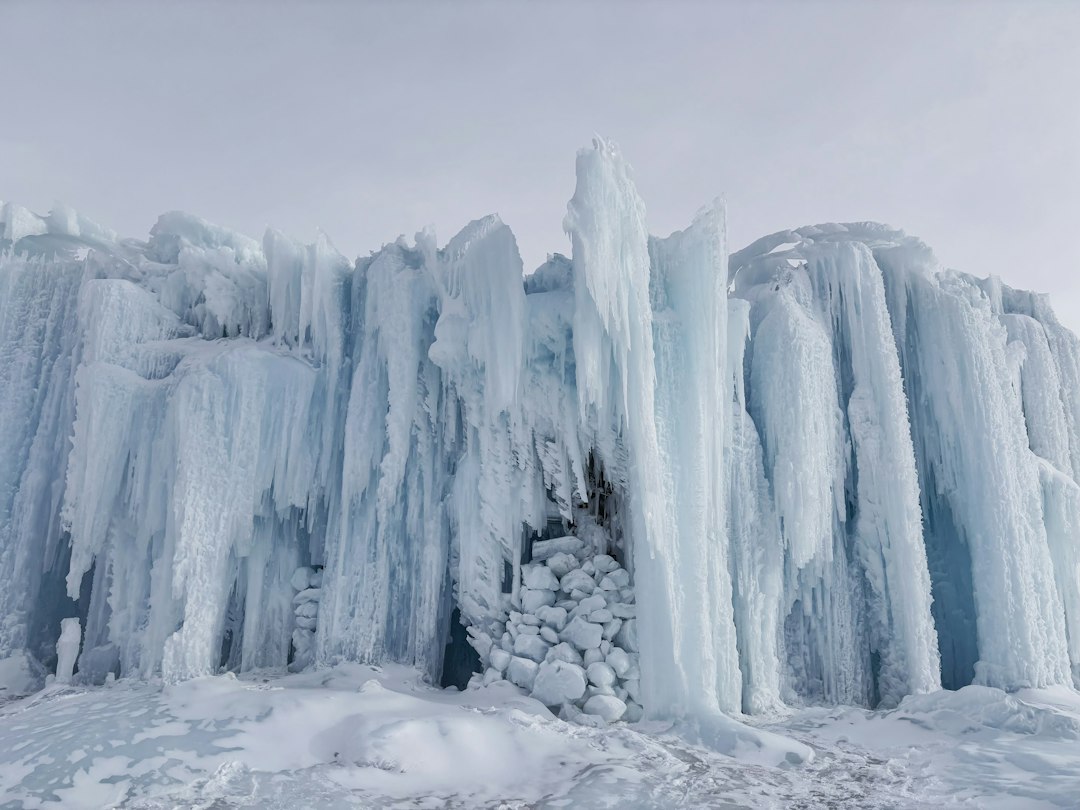
The biting winds had carried whispers of an anomaly for weeks, a story dismissed by most as folklore or exaggeration. Yet, as the mercury plunged and the days grew short, the whispers solidified into undeniable reality. A colossal ice structure, unlike anything witnessed in recent memory, was not merely forming but actively growing, its crystalline tendrils reaching skyward with astonishing speed. What began as a curious gathering of frost on a remote mountainside had, in a matter of days, blossomed into a natural edifice of staggering proportions, now measuring in meters and showing no signs of abatement. This monumental ice formation, a breathtaking testament to the raw power of winter, was captivating the attention of scientists, adventurers, and the merely curious alike.
The Genesis of a Frozen Titan
The tale of this colossal ice structure begins not with a dramatic event, but with a confluence of precise atmospheric conditions. For weeks leading up to its spectacular growth, a peculiar microclimate had been established in a secluded valley. This region, known for its extreme winter temperatures, was experiencing an unusually high concentration of atmospheric moisture, coupled with a persistent, gentle breeze. These factors, often overlooked in the vastness of winter, were the perfect ingredients for a slow, steady accumulation of ice.
Unraveling the Atmospheric Recipe
Scientists point to a rare combination of meteorological phenomena as the primary catalyst. A prolonged period of sub-zero temperatures, consistently hovering around -20 degrees Celsius, had frozen the very air into a state of readiness. Simultaneously, a nearby glacial outflow, usually a source of dense fog, was experiencing an increased rate of sublimation. This process, where ice turns directly into water vapor without melting, released an extraordinary amount of moisture into the already frigid atmosphere. The gentle, consistent wind acted as a conduit, transporting this super-saturated air towards the valley where the formation began. It wasn’t a sudden blizzard, but a patient, relentless deposition of ice crystals, each one latching onto its predecessor with crystalline tenacity.
The Role of Topography and Terrain
The specific location of the burgeoning ice structure played a crucial role in its rapid ascent. The valley floor, a natural amphitheater of sorts, was shielded from harsher winds that might have dispersed the forming ice. Instead, the topography funneled the moist, frigid air directly towards a prominent, jutting rock face. This rock face, with its rough and uneven surface, provided an ideal anchor for the ice. Its porous nature allowed water molecules to adhere more effectively, creating a nucleation point for the ice crystals. Over time, this initial adherence transformed into a dense matrix, acting as a scaffold for the continuous deposition of new ice. The sheer scale of the rock face also meant there was an immense surface area for the ice to cling to, facilitating its rapid expansion upwards and outwards.
The Speed of Crystallization
The astonishing speed at which the ice structure grew is attributed to the efficiency of the ice crystal formation process under these specific conditions. Ice crystals, under ideal circumstances, can grow quite rapidly. The presence of abundant supercooled water droplets in the air meant that as soon as these droplets encountered the existing ice surface, they would freeze almost instantaneously. This constant supply of unfrozen water, coupled with the ideal temperature, created a self-perpetuating cycle of growth. Imagine a microscopic cascade of freezing water, each droplet adding a tiny fraction to the overall mass, but doing so at an unprecedented rate due to the favorable environment. This seemingly slow, incremental process, when occurring over an extensive surface area and sustained for days, resulted in the meter-high formation.
Recent studies have revealed fascinating insights into how ice structures can grow to impressive sizes, reaching several meters in height. This phenomenon is not only a spectacle of nature but also has implications for understanding climate change and its effects on polar regions. For more in-depth information on this topic, you can read the related article on ice structures at Freaky Science.
A Spectacle of Natural Artistry
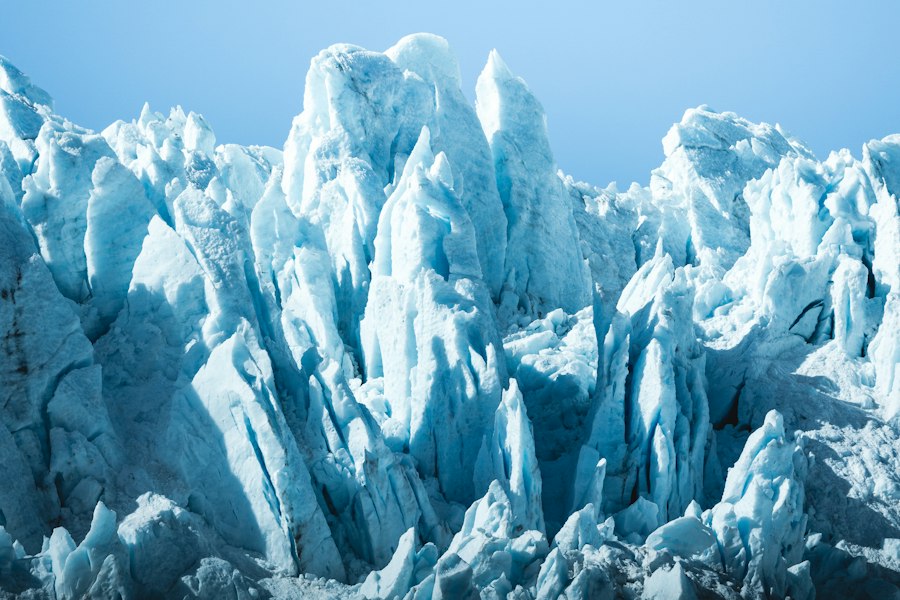
The resulting ice structure is not merely a mass of frozen water; it is a work of art sculpted by the forces of nature. Its forms are intricate and varied, a testament to the subtle shifts in wind, temperature, and moisture that have guided its development. The visual impact is profound, drawing awe and wonder from all who behold it.
Crystalline Formations and Textures
As the structure reached its current impressive size, a remarkable diversity of crystalline formations began to emerge. Along its leading edges, where the wind-blown moisture was most concentrated, delicate feathery ice crystals, known as dendrites, formed intricate lace-like patterns. These were often interspersed with larger, more robust columnar ice crystals, giving the outer surfaces a textured and multifaceted appearance. Deeper within the structure, where conditions were more stable and less exposed to the direct flow of air, smoother, more compact ice layers were evident, indicating a slower, more consolidated growth. The overall effect was a dynamic interplay of delicate filigree and solid mass, a visual symphony of frozen water.
The Play of Light and Color
The interaction of sunlight with the ice structure created a breathtaking visual spectacle. On clear days, the countless ice crystals acted as prisms, scattering sunlight into a dazzling array of colors. The structure shimmered with hues of sapphire blue, emerald green, and even faint violet, particularly in areas where the ice was densest and the light penetration was limited. Sunlight filtering through the thinner, more delicate formations would cast ethereal glows, creating an almost otherworldly atmosphere around the edifice. Even on overcast days, the sheer brilliance of the ice, reflecting the diffused light, offered a striking, luminous presence against the muted winter landscape.
Scale and Imposing Presence
The sheer scale of the formation is perhaps its most captivating feature. Reaching several meters in height, it dominates the surrounding terrain, a stark, white monument against the backdrop of snow-laden trees and rocky outcrops. Its imposing presence commands attention, drawing the eye and sparking the imagination. It is a reminder of nature’s capacity for grandeur, a fleeting masterpiece that exists only for the duration of the winter’s grip. The juxtaposition of its immense size with the delicate, ephemeral nature of ice imbues it with a profound sense of awe.
Scientific Scrutiny and Explanations
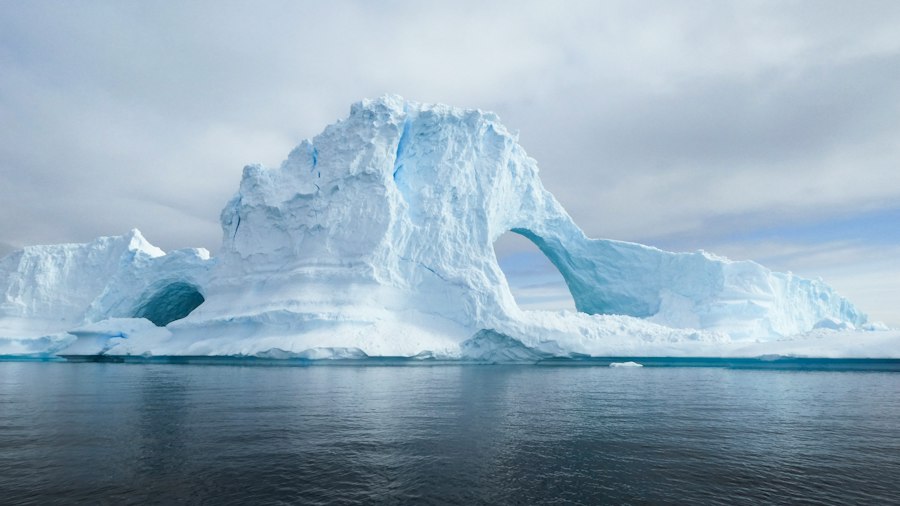
Scientists have descended upon the site, their initial skepticism replaced by a keen interest in understanding the precise mechanisms behind this extraordinary phenomenon. Samples are being collected, atmospheric data is being meticulously analyzed, and theories are being debated in an effort to unlock the secrets of its rapid, monumental growth.
Analyzing the Environmental Variables
Researchers are meticulously examining the data collected from weather stations deployed in the vicinity. They are focusing on minute fluctuations in temperature, humidity, wind speed and direction, and atmospheric pressure. Understanding the specific thresholds and durations of these variables is crucial. For instance, identifying the exact dew point at which condensation began to occur in such significant quantities, or the optimal wind speed for efficient crystal deposition, are key areas of investigation. The presence of any unusual atmospheric gases or particulate matter that might have acted as nucleation sites is also being scrutinized.
The Physics of Ice Accretion
At the heart of the scientific inquiry lies the physics of ice accretion. Researchers are applying principles of thermodynamics and fluid dynamics to model the growth process. This involves understanding how supercooled water droplets behave in the presence of ice, the rate at which energy is released during freezing, and how this energy release influences further accretion. The concept of crystal habit – the characteristic shape of ice crystals under different conditions – is also being explored to understand the diverse textures observed in the formation. Mathematical models are being developed to simulate the growth, allowing scientists to test hypotheses about the driving forces behind the rapid expansion.
Comparative Studies and Historical Data
To contextualize this event, scientists are delving into historical weather records and geological data. They are searching for similar, albeit perhaps less dramatic, ice formations in the region or in other parts of the world. Comparing the current environmental conditions with those that may have triggered past ice phenomena can provide valuable insights. This comparative approach helps determine whether this formation is a truly unprecedented event or a rare, amplified instance of a more common natural process. Understanding the frequency and scale of such formations in the past can shed light on the long-term climatic patterns that might contribute to their development.
The Human Element: Awe and Exploration
The ice structure has become a magnet for human activity, drawing in those who seek to witness its grandeur and those who wish to understand it. The remote location, once a barrier, has become a destination, albeit one that requires careful preparation and respect for the unforgiving environment.
Adventurers and Photographers Drawn to the Site
News of the colossal ice formation has spread like wildfire through social media and outdoor enthusiast communities. Experienced mountaineers and intrepid photographers are making the arduous journey to witness the spectacle firsthand. For many, it represents an unparalleled photographic opportunity, capturing the ephemeral beauty of the ice against the stark winter landscape. For others, it is a physical challenge, a chance to test their skills and resilience in a remote, frozen environment. The stories and images emerging from the site speak of both the immense beauty and the inherent dangers of such expeditions.
Local Community Reactions and Folklore
For the local communities living in the vicinity, the ice structure has ignited a mixture of awe and a touch of apprehension. Generations of residents have lived with the harsh realities of winter, but this formation transcends typical winter phenomena. Some view it as a blessing, a unique natural wonder that brings attention and potential tourism to their remote area. Others, steeped in local folklore, interpret it through ancient tales of winter spirits or powerful elemental forces. The stories shared around hearths and in village gatherings speak to the deep connection between human life and the powerful, often unpredictable, forces of nature.
The Ethics of Visitation and Preservation
As interest in the ice structure grows, so too does the conversation around responsible visitation. Scientists and environmentalists are urging caution, emphasizing the fragility of the formation and the need to minimize human impact. The desire to explore and document is understandable, but the potential for damage to this delicate natural artwork is a significant concern. Discussions are underway regarding designated viewing areas and guidelines for visitors to ensure that the formation can be appreciated without being inadvertently harmed, preserving its integrity for as long as its natural lifespan allows.
Recent studies have shown that ice structures can grow to impressive sizes, reaching several meters in height under specific conditions. This fascinating phenomenon is not only a subject of scientific inquiry but also has implications for understanding climate change and its effects on polar environments. For more insights into this topic, you can read a related article that explores the intricacies of ice formation and its environmental significance at Freaky Science.
The Ephemeral Nature of a Frozen Marvel
| Metric | Description | Typical Values | Units |
|---|---|---|---|
| Growth Rate | Speed at which ice structure increases in height | 0.1 – 1.5 | meters per day |
| Maximum Height | Maximum observed height of ice structures | 1 – 10 | meters |
| Temperature Range | Ambient temperature range for ice growth | -20 to 0 | °C |
| Humidity | Relative humidity affecting ice formation | 70 – 100 | percent |
| Ice Density | Density of the formed ice structure | 0.8 – 0.92 | g/cm³ |
| Structural Stability | Resistance to collapse or melting | Variable based on temperature and wind | Qualitative |
Despite its current impressive scale, the ice structure is a transient masterpiece. Its existence is entirely dependent on the continuation of the specific environmental conditions that fostered its growth. As the seasons inevitably turn, the forces that created it will also begin its dissolution.
The Slow Process of Thawing
As spring approaches, or if even a slight warming trend occurs, the ice structure will begin its inevitable process of decay. The meticulous crystal formations will soften, and water will begin to drip and flow. This thawing is often a slow, gradual process, with sections collapsing or melting away over days or weeks. The once sharp, defined edges will become rounded, and the intricate details will be lost as the structure recedes. It is a stark reminder of the impermanence of such natural wonders, a fleeting display of power and beauty.
The Impact of Changing Seasons
The transition from winter to spring will bring about a dramatic shift in the forces acting upon the ice. Increased solar radiation will directly contribute to melting, while warmer air temperatures will accelerate sublimation. Even rainfall, if it occurs before the complete melt, can have a significant erosive effect on the ice. The gentle breeze that nourished its growth will be replaced by potentially stronger, warmer winds that will contribute to its disintegration. The entire ecosystem around the formation will begin to shift, signaling the end of its dominance.
Legacy and Scientific Understanding
While the ice structure itself will eventually vanish, the knowledge gained from its study will endure. The data collected by scientists will contribute to a deeper understanding of glaciology, meteorology, and the complex interplay of environmental factors that shape our planet. The photographs and accounts of its grandeur will serve as a lasting testament to nature’s artistry, inspiring future generations to marvel at the wonders of the natural world. The memory of this colossal ice formation, even after it has melted back into the earth, will continue to reside in the annals of scientific discovery and the collective human imagination.

Water Boiled While Ice Formed. Could a Lander Sink Into It?
FAQs
How does an ice structure grow to meters?
An ice structure can grow to meters through a process called ice accretion, where water freezes on the surface of the structure layer by layer, gradually increasing its size.
What factors contribute to the growth of an ice structure to meters?
Factors such as temperature, humidity, wind speed, and the presence of water droplets in the air can all contribute to the rapid growth of an ice structure to meters.
Can an ice structure growing to meters pose any risks?
Yes, an ice structure growing to meters can pose risks such as structural damage, increased weight load, and potential hazards to people and property in the vicinity.
How is the growth of an ice structure to meters monitored and managed?
The growth of an ice structure to meters is monitored using various techniques such as visual inspections, sensors, and de-icing methods to manage and control the growth process effectively.
Are there any benefits to having an ice structure grow to meters?
While there may be aesthetic appeal in having a large ice structure, the potential risks and hazards associated with its growth typically outweigh any perceived benefits.