The Enigmatic Genesis of Ice Crusts
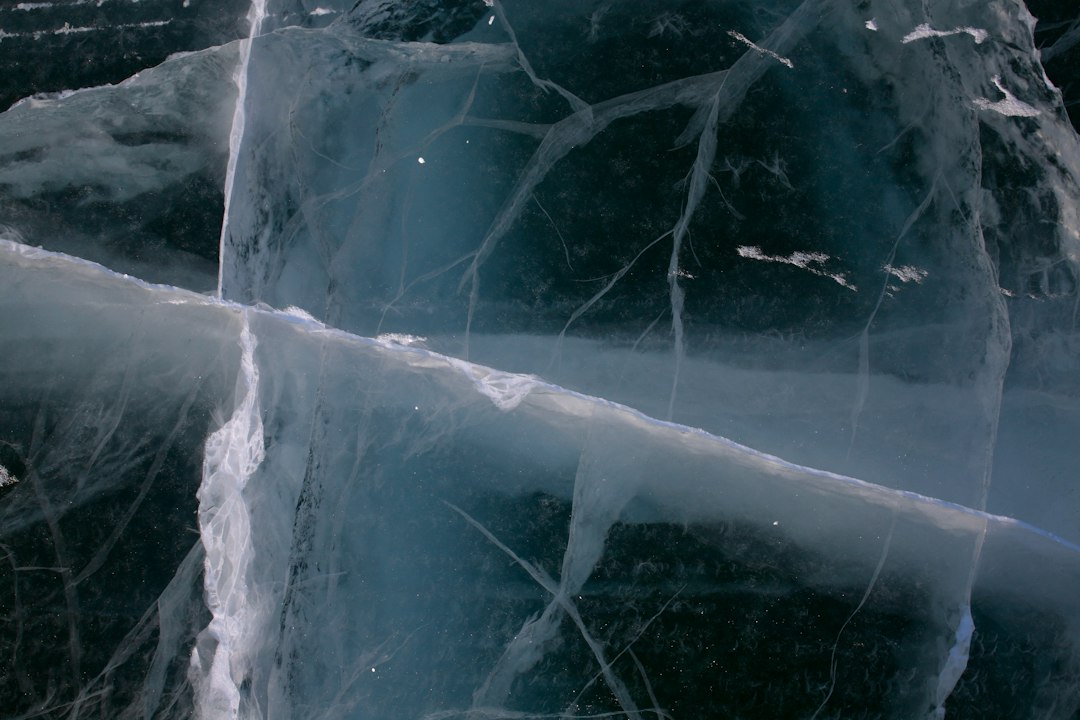
The stillness of a frigid morning often reveals a spectacle of nature’s quiet artistry: a thin, glassy layer of ice, meticulously crafted, spanning the surface of lakes, ponds, and rivers. This phenomenon, known as ice crust formation, is far from a simple freezing process. It is a complex interplay of physics, thermodynamics, and environmental factors that sculpts these frozen expanses, influencing everything from aquatic life to human activity. Understanding how these frozen layers grow over water surfaces offers a fascinating glimpse into the delicate balance of our planet’s colder climates and the subtle yet powerful forces that shape them.
The formation of an ice crust is a journey that begins with the subtle chilling of water. It’s a process that doesn’t occur instantaneously but rather unfolds over time, influenced by a confluence of atmospheric conditions and the inherent properties of water itself. This article will delve into the multifaceted aspects of ice crust formation, exploring the underlying scientific principles, the various stages of its development, the environmental factors that dictate its characteristics, and the significant roles these frozen surfaces play in the broader ecosystem.
Recent studies have shown that the formation of ice crusts over water bodies can significantly impact local ecosystems and climate patterns. For a deeper understanding of this phenomenon, you can read a related article that explores the science behind ice formation and its effects on aquatic life. Check it out here: Freaky Science.
The Fundamental Principles of Freezing
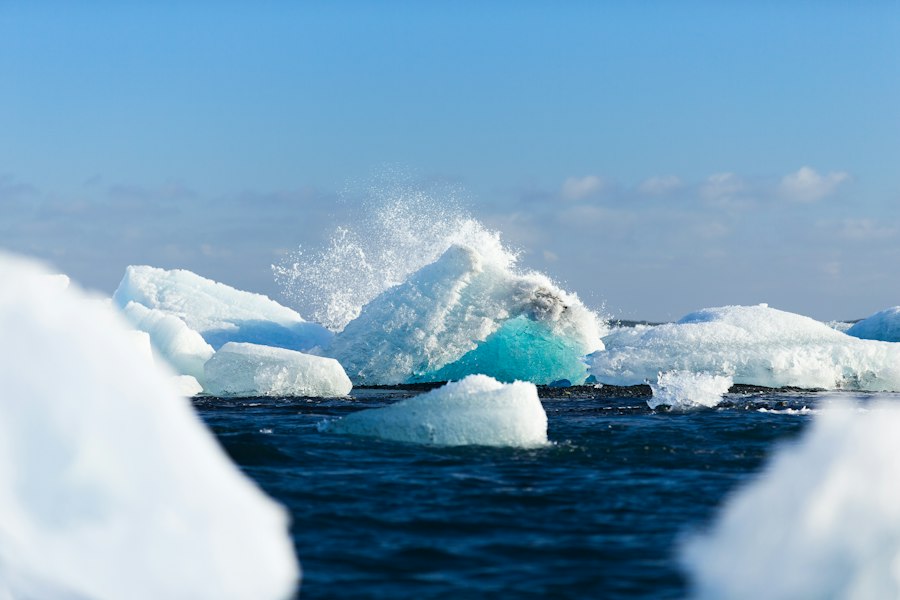
At the heart of ice crust formation lies the remarkable behavior of water as it approaches and crosses its freezing point. Unlike most substances that contract as they cool, water exhibits an anomaly: it expands as it cools from its warmest state down to about 4 degrees Celsius (39.2 degrees Fahrenheit). Below this temperature, the water molecules begin to slow down and arrange themselves into a more ordered crystalline structure. This molecular rearrangement is the crucial precursor to ice formation.
The transition from liquid water to solid ice is driven by the removal of heat. When the surface water loses heat to the colder atmosphere, its temperature drops. As the molecules lose kinetic energy, they begin to settle into a hexagonal lattice structure. This structure is less dense than the liquid form, which is why ice floats. The floating aspect is critical for many aquatic ecosystems, as it insulates the water below from the coldest air temperatures, preventing complete freezing and allowing aquatic life to survive.
The Molecular Dance: From Disordered to Ordered
The journey from liquid to solid begins at a molecular level. In liquid water, molecules are in constant, chaotic motion, colliding and rearranging themselves. As the temperature decreases, this motion slows. When the water reaches 0 degrees Celsius (32 degrees Fahrenheit) at standard atmospheric pressure, the molecules have lost enough energy that attractive forces between them can start to dominate.
This is where nucleation, the initial formation of tiny ice crystals, becomes paramount. Nucleation can be homogeneous, occurring spontaneously within pure water, or heterogeneous, initiated by the presence of impurities or foreign particles like dust or dissolved salts. Heterogeneous nucleation is far more common in natural environments. These minuscule ice crystals act as seeds, around which more water molecules can attach and organize, initiating the growth of larger ice structures. The rate of cooling significantly influences the nucleation process; rapid cooling can lead to the formation of many small crystals, while slower cooling allows for fewer, larger crystals to grow.
Latent Heat of Fusion: The Energy Barrier
A crucial thermodynamic principle governing ice formation is the latent heat of fusion. This is the amount of energy that must be removed from water at its freezing point to convert it into ice, without any change in temperature. Conversely, the same amount of energy must be absorbed to melt ice back into water.
When water freezes, this latent heat is released into the surrounding environment. This release of energy can temporarily slow down the freezing process, especially in larger bodies of water. As the surface cools and begins to form ice, it releases this heat. If the rate of heat loss to the atmosphere is slower than the rate of latent heat release from freezing, the surface temperature might hover around the freezing point for a while, even if the air is colder. This is why a very cold night might not immediately result in a thick layer of ice; the energy released by the initial freezing has to dissipate first.
The Stages of Ice Crust Development

The formation of an ice crust is not a monolithic event but rather a progression through distinct stages, each with its own characteristics and influencing factors. From the initial whisper of frost to the solid, often opaque, expanse, these stages reflect the ongoing battle between heat loss and the water’s inherent properties.
The thickness, clarity, and structural integrity of the ice crust are all determined by the conditions prevailing during these developmental phases. Understanding these stages allows for a more nuanced appreciation of the ice itself and the environment that produced it.
Initial Freezing and Nucleation
The very first sign of ice crust formation is the appearance of tiny ice crystals, often microscopic, on the water’s surface. This is the nucleation stage. If the air temperature drops below the freezing point of the water, heat begins to radiate away from the surface. As the surface layer cools, water molecules lose kinetic energy and start to align into the hexagonal crystal lattice.
In natural settings, impurities like dissolved minerals, organic matter, or even air bubbles can act as nucleation sites. These act as surfaces onto which water molecules can more easily attach and begin to form ice crystals. If the water is very pure and the cooling is uniform, homogeneous nucleation can occur, but it requires significantly lower temperatures. The initial crystals are often small and dispersed, creating a shimmering or milky appearance on the water. This delicate layer is easily disturbed by wind or wave action, and if the temperature fluctuates, it can melt and reform.
Crystal Growth and Layering
Once nucleation has occurred, the ice crystals begin to grow. This growth is driven by the continuous loss of heat from the surface to the atmosphere. Water molecules from the liquid phase attach themselves to the existing ice crystals, extending the lattice structure. The shape and orientation of these growing crystals are influenced by the rate of cooling and the flow of water.
Initially, the ice formed is often clear and transparent, composed of relatively pure water. This is because as water molecules freeze, they tend to leave dissolved impurities behind in the remaining liquid. However, as the ice layer thickens and the temperature continues to drop, the ice can trap air bubbles. These bubbles, along with trapped impurities, contribute to the opaque, white, or milky appearance often seen in thicker ice. The crystalline structure can also become more complex, forming interlocking plates or needles, depending on the specific freezing conditions.
Progressive Thickening and Toughening
As time progresses and the freezing conditions persist, the ice crust continues to thicken. This thickening is a cumulative process, with each new layer of ice forming on top of the existing one. The rate of thickening is directly related to the temperature difference between the ice surface and the air, and the thermal conductivity of the ice itself.
During this phase, the ice crust becomes more robust. The interlocking crystalline structure, combined with any trapped air and impurities, provides structural integrity. The ice can become strong enough to support weight, though the exact load-bearing capacity depends on many factors, including thickness, temperature, and the presence of any cracks or weaknesses. The surface of the ice might also become rougher, with the formation of frost or snow accumulations further altering its texture and thermal properties.
Environmental Determinants of Ice Crust Characteristics
The appearance, thickness, and durability of an ice crust are not solely dictated by the principles of freezing; they are profoundly shaped by the surrounding environment. A multitude of external factors conspire to influence how the frozen layer develops, leading to a wide spectrum of ice formations across different locations and conditions.
From the gentle breeze that can sculpt intricate patterns to the lingering warmth of the sun that can induce melting, the environment plays a dynamic role in the life cycle of an ice crust. Recognizing these influences is key to understanding why one ice-covered lake might be a skater’s paradise while another remains a treacherous, unpredictable surface.
Air Temperature and Wind Speed
Perhaps the most direct influences on ice crust formation are air temperature and wind speed. Colder air temperatures accelerate the rate at which heat is lost from the water surface, thus promoting faster ice growth. The magnitude of the temperature difference between the water and the air is a critical factor; a significant and sustained sub-freezing temperature will lead to more rapid and substantial ice formation.
Wind, on the other hand, has a dual effect. While it can initially help to cool the surface by increasing convection, strong winds can also disrupt the formation of a stable ice crust. Turbulent winds can break up newly formed ice crystals, preventing them from coalescing into a solid sheet. In very windy conditions, especially during the initial stages of freezing, the surface might remain open water or develop only a patchy, fragmented layer of ice. However, once a solid crust has formed, wind can contribute to the deposition of snow or frost on its surface, altering its texture and insulating properties.
Sunlight and Radiation
The sun’s radiant energy plays a significant role in the melting and erosion of ice crusts, but it can also influence their formation. During clear, cold days, solar radiation, even when the air temperature is below freezing, can warm the surface of the ice. This warming can lead to surface melting, creating slushy conditions or even temporary breaks in the ice.
Conversely, on extremely cold, clear nights, the absence of solar radiation allows for more efficient heat loss from the water surface. This maximized radiative cooling can accelerate the freezing process, leading to thicker and stronger ice. The angle of the sun and the presence of clouds also play a part; a low winter sun and persistent cloud cover will contribute to slower melting and more stable ice conditions.
Water Properties: Salinity and Dissolved Solids
The inherent properties of the water itself are crucial determinants of ice formation. One of the most significant factors is salinity. Saltwater freezes at a lower temperature than freshwater. This is because dissolved salt ions interfere with the formation of the ice crystal lattice, requiring more energy to be removed for freezing to occur.
For example, ocean water typically freezes around -1.8 degrees Celsius (28.8 degrees Fahrenheit), while freshwater freezes at 0 degrees Celsius (32 degrees Fahrenheit). This difference explains why rivers and lakes freeze much more readily than oceans. Dissolved solids, even in freshwater, can also lower the freezing point slightly. Therefore, a body of water with a higher concentration of dissolved minerals will form ice more slowly and at a slightly lower temperature compared to very pure water.
Recent studies have shown that the phenomenon of ice crust growing over water can significantly impact local ecosystems and climate patterns. For a deeper understanding of this process and its implications, you can explore a related article that delves into the science behind ice formation and its effects on aquatic life. This insightful piece can be found here, providing valuable information for those interested in environmental science and climate change.
The Ecological Significance of Ice Crusts
| Parameter | Unit | Typical Range | Description |
|---|---|---|---|
| Ice Thickness Growth Rate | cm/day | 0.1 – 2.0 | Rate at which ice crust thickens over water under freezing conditions |
| Water Temperature | °C | 0 to -2 | Temperature of water beneath the ice crust |
| Air Temperature | °C | -10 to -30 | Ambient air temperature influencing ice formation |
| Ice Density | kg/m³ | 900 – 920 | Density of the ice crust formed over water |
| Thermal Conductivity of Ice | W/m·K | 2.1 – 2.3 | Ability of ice to conduct heat, affecting growth rate |
| Salinity of Water | ppt (parts per thousand) | 0 – 35 | Salt concentration in water, affects freezing point and ice structure |
| Ice Surface Temperature | °C | -15 to -40 | Temperature at the ice-air interface |
| Ice Growth Duration | days | 1 – 30 | Length of time ice crust has been growing over water |
Ice crusts are more than just a visual manifestation of cold weather; they are integral components of the ecosystems they inhabit. Their presence has profound implications for aquatic life, terrestrial animals, and even the biogeochemical cycles within and around these frozen environments. The impact of these frozen layers extends far beyond their physical boundaries.
Understanding the ecological roles of ice crusts reveals a complex web of interactions where the frozen surface acts as both a shield and a bridge, influencing survival, migration, and nutrient cycling in a frozen world.
Insulation for Aquatic Life
One of the most vital ecological functions of an ice crust is its role as an insulator. As mentioned earlier, ice is less dense than water and floats. This layer of ice on the surface acts as a thermal barrier, significantly slowing down the rate of heat loss from the water below to the frigid atmosphere.
Beneath the ice, the water temperature, especially at greater depths, remains relatively stable and often above freezing. This insulation is crucial for the survival of fish, invertebrates, and other aquatic organisms. Without this insulating layer, the entire water column could freeze solid, leading to the demise of most aquatic life. The presence of ice, therefore, creates a habitable environment throughout the winter, allowing these organisms to survive until the spring thaw.
A Platform for Terrestrial and Avian Activity
Once sufficiently thick and stable, ice crusts transform aquatic environments into terrestrial ones, at least temporarily. This creates new opportunities and challenges for terrestrial and avian wildlife. For many land mammals, such as deer, foxes, and wolves, the frozen surface of lakes and rivers becomes a valuable highway, allowing them to travel more efficiently across landscapes.
Birds, particularly waterfowl and shorebirds, also utilize ice-covered water bodies. While they may not be able to feed in open water, the edges of the ice can provide access to food sources or resting places. In some cases, the ice can even serve as a nesting platform for certain species. However, the unpredictability of ice thickness and the risk of breaking through can also pose dangers to wildlife venturing onto these frozen surfaces.
The Multifaceted Impact on Human Endeavors
Beyond its natural roles, the formation of ice crusts has historically and continues to have a significant impact on human activities. From providing essential transportation routes to presenting potential hazards, the frozen water surfaces have shaped human interaction with the environment in numerous ways. The predictability, or lack thereof, of ice formation directly influences a wide range of pursuits.
The study of ice crusts, therefore, is not just an academic exercise; it is intrinsically linked to safety, recreation, and even the historical development of communities in colder regions.
Transportation and Recreation
Historically, frozen rivers and lakes have served as vital transportation routes in many parts of the world. Before the widespread development of roads and railways, ice provided a smooth and efficient surface for moving goods and people. This remains true in some remote regions today.
In more modern times, ice crusts have become synonymous with winter recreation. Ice skating, ice fishing, hockey, and snowmobiling are popular activities that depend on the formation of stable, thick ice. The development of ice roads for resource extraction and logistical support in polar regions also relies heavily on the creation and maintenance of substantial ice crusts. However, the safety of these activities is paramount, and a thorough understanding of ice thickness and its properties is essential.
Hazards and Safety Considerations
The formation of ice crusts also presents inherent hazards. Thin or unstable ice can lead to accidental falls, resulting in injuries or even fatalities. This is particularly relevant for individuals engaged in winter recreation or those who might venture onto frozen water bodies without adequate knowledge or preparation.
The predictability of ice formation is a significant concern for safety. Factors like fluctuating temperatures, hidden currents, and variations in water depth can all affect ice thickness and strength, making it difficult to assess safety. Consequently, warnings and advisories regarding ice conditions are crucial in regions where ice crusts form, emphasizing the need for caution and informed decision-making before venturing onto frozen surfaces. The study of ice mechanics and the development of techniques for assessing ice safety are ongoing areas of research.

Water Boiled While Ice Formed. Could a Lander Sink Into It?
FAQs
What causes an ice crust to form over water?
An ice crust forms over water when the temperature drops below freezing, causing the water to freeze and create a layer of ice on the surface.
How thick can an ice crust grow over water?
The thickness of an ice crust over water can vary depending on factors such as temperature, wind conditions, and the duration of freezing temperatures. It can range from a thin layer to several inches thick.
Is it safe to walk on an ice crust over water?
Walking on an ice crust over water can be dangerous as the thickness of the ice may not be consistent across the surface. It is important to check the ice thickness and quality before venturing out onto it to ensure safety.
Can an ice crust over water support the weight of a vehicle?
It is not recommended to drive a vehicle on an ice crust over water as the weight of the vehicle can put too much pressure on the ice, causing it to crack and potentially lead to the vehicle falling through the ice.
How can one safely enjoy activities on an ice crust over water?
To safely enjoy activities on an ice crust over water, it is important to check the ice thickness regularly, avoid areas with visible cracks or thin ice, wear appropriate safety gear such as a life jacket, and always go with a buddy in case of emergencies.