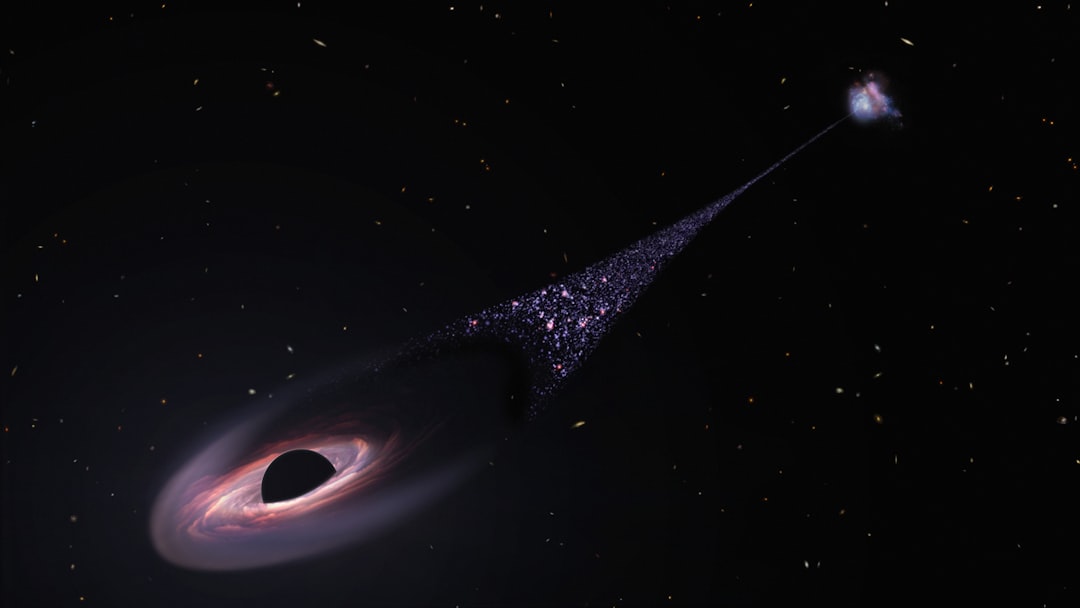
The Hubble Space Telescope has operated continuously since its launch in 1990, providing detailed observations of distant galaxies, nebulae, and other celestial objects that have advanced scientific understanding of the universe. The telescope faces operational challenges, including effects from the South Atlantic Anomaly (SAA), a geographic region where Earth’s magnetic field is significantly weaker than elsewhere. As satellites pass through the SAA, they experience elevated radiation levels that can cause temporary operational interruptions.
These periodic blackouts reduce Hubble’s data collection capacity and observation capabilities. Managing SAA-related blackouts requires careful planning to maintain the telescope’s operational lifespan and ensure the quality of scientific data. The Hubble operations team must account for these interruptions when scheduling observations and maintaining equipment.
Understanding how the SAA affects telescope performance is essential for optimizing current operations and informing the design of future space-based observatories. Hubble’s continued functionality depends on the technical expertise of its operations team in adapting procedures to accommodate the radiation environment in which the telescope operates.
Key Takeaways
- The South Atlantic Anomaly (SAA) causes periodic blackouts affecting Hubble’s data collection and operations.
- Hubble’s team faces significant challenges during SAA blackouts, including data loss and operational interruptions.
- NASA and ESA have implemented solutions to mitigate blackout impacts and ensure continued telescope functionality.
- Collaborative efforts with international space agencies enhance strategies to manage and reduce SAA blackout effects.
- Lessons from the SAA blackout improve resilience and inform future space mission planning and operations.
Understanding the South Atlantic Anomaly (SAA) and its impact on Hubble
The South Atlantic Anomaly is a region that stretches from South America to the southern Atlantic Ocean, characterized by a significant dip in the Earth’s magnetic field. This anomaly occurs due to the tilt of the Earth’s magnetic axis and the presence of the Van Allen radiation belts, which trap charged particles from solar winds. As satellites, including Hubble, pass through this area, they encounter heightened levels of radiation that can interfere with their electronic systems.
The SAA is particularly concerning for space missions because it can lead to data corruption, instrument malfunctions, and even complete system failures if not managed properly. For Hubble, traversing the SAA means that its instruments must be carefully monitored and protected during these periods. The telescope’s sensitive detectors are vulnerable to radiation-induced noise, which can compromise the quality of the data collected.
As a result, Hubble’s operations are often adjusted to minimize exposure during these critical moments. Understanding the SAA’s characteristics and its potential impact on Hubble is essential for developing strategies to mitigate its effects and ensure that the telescope continues to deliver high-quality scientific results. The Earth’s Magnetic Field plays a crucial role in protecting our planet from solar radiation.
Impact of the SAA blackout on Hubble’s operations and data collection
The impact of SAA blackouts on Hubble’s operations is multifaceted. During these periods, the telescope must enter a safe mode to protect its instruments from radiation damage. This safe mode limits Hubble’s ability to conduct observations and collect data, which can disrupt planned scientific programs and delay important research initiatives.
The frequency and duration of these blackouts can vary, but they pose a significant challenge to maintaining a consistent observational schedule. Moreover, the data collected during SAA blackouts may be compromised due to increased noise levels and potential instrument errors. This can lead to gaps in scientific datasets or necessitate additional calibration efforts to ensure that the data remains usable.
For astronomers relying on Hubble’s observations for their research, these interruptions can hinder progress and complicate analyses. The cumulative effect of SAA blackouts can thus have far-reaching implications for ongoing studies and future discoveries.
Challenges faced by the Hubble team during the blackout
The challenges faced by the Hubble team during SAA blackouts are both technical and operational. On a technical level, engineers must constantly monitor the telescope’s systems to ensure that they remain within safe operating parameters while traversing the anomaly. This requires real-time data analysis and quick decision-making to respond to any anomalies that may arise during observations.
The complexity of Hubble’s instruments adds another layer of difficulty, as each component must be carefully managed to prevent damage from radiation exposure. Operationally, the team must also navigate scheduling conflicts caused by SAA blackouts. With a limited amount of time available for observations each year, any disruption can lead to delays in scientific programs.
The team must prioritize which observations are most critical and adjust their plans accordingly, often at short notice. This requires flexibility and collaboration among scientists, engineers, and mission planners to ensure that Hubble continues to meet its scientific objectives despite these challenges.
Solutions implemented to mitigate the impact of the blackout on Hubble
| Metric | Value | Description |
|---|---|---|
| Event | SAA Blackout | South Atlantic Anomaly (SAA) causes temporary data blackout for Hubble Space Telescope |
| Frequency | ~15 times per day | Number of times Hubble passes through the SAA daily |
| Duration per Pass | ~10 minutes | Typical blackout duration during each SAA transit |
| Impact on Data | Data loss or corruption | Increased radiation causes noise and data quality degradation |
| Mitigation | Instrument shutdown or safe mode | Hubble instruments are powered down to protect from radiation |
| Orbit Altitude | ~540 km | Hubble’s low Earth orbit altitude where SAA effects are significant |
| Radiation Increase | Up to 10x background levels | Radiation levels spike inside the SAA region |
In response to the challenges posed by SAA blackouts, the Hubble team has implemented several solutions aimed at mitigating their impact on operations. One key strategy involves adjusting observation schedules to avoid periods when Hubble is expected to pass through the SABy carefully planning when and how long the telescope will operate in this region, scientists can minimize data loss and maintain a more consistent flow of observations. Additionally, engineers have developed software updates that enhance Hubble’s ability to detect and respond to radiation events in real time.
These updates allow for quicker transitions into safe mode when necessary, reducing potential damage to sensitive instruments. Furthermore, ongoing research into radiation shielding techniques may provide additional protection for Hubble’s systems in the future. By continuously adapting their strategies and technologies, the Hubble team demonstrates a commitment to overcoming the challenges posed by SAA blackouts.
The role of NASA and ESA in managing the SAA blackout
NASA and the European Space Agency (ESA) play crucial roles in managing Hubble’s operations and addressing the challenges posed by SAA blackouts.
This partnership allows for shared resources, expertise, and knowledge that enhance Hubble’s resilience against environmental challenges.
NASA’s Goddard Space Flight Center is responsible for overseeing Hubble’s engineering and technical operations, while ESA contributes through its scientific expertise and support for mission planning. Together, they work on developing strategies to mitigate the effects of SAA blackouts, including refining observation schedules and implementing software updates. This collaborative approach ensures that both agencies remain aligned in their goals for Hubble’s continued success.
Future plans to prevent or minimize the impact of SAA blackouts on Hubble
Looking ahead, NASA and ESA are actively exploring future plans aimed at preventing or minimizing the impact of SAA blackouts on Hubble’s operations. One potential avenue involves enhancing radiation shielding for critical components of the telescope. By incorporating advanced materials or designs that better protect against radiation exposure, engineers hope to reduce the risk of instrument malfunctions during SAA encounters.
Additionally, ongoing research into satellite technology may yield new insights into how best to navigate regions like the SABy leveraging advancements in materials science and engineering practices, future missions could be better equipped to handle similar challenges. As part of this forward-thinking approach, both agencies are committed to continuous improvement in operational protocols and technological innovations that will safeguard Hubble’s legacy as a premier astronomical observatory.
Collaborative efforts with other space agencies to address SAA blackout challenges
Collaboration extends beyond NASA and ESA as other space agencies also recognize the significance of addressing SAA blackout challenges. Agencies such as JAXA (Japan Aerospace Exploration Agency) and ISRO (Indian Space Research Organisation) have expressed interest in sharing knowledge and experiences related to operating satellites in radiation-prone environments. By fostering international partnerships, these agencies can pool resources and expertise to develop more effective strategies for managing radiation exposure.
Joint workshops and conferences provide platforms for scientists and engineers from various organizations to discuss their findings and share best practices regarding SAA management. Such collaborative efforts not only enhance individual missions but also contribute to a broader understanding of how space agencies can work together to tackle common challenges in space exploration.
The significance of Hubble’s continued operations despite SAA blackout
Despite the challenges posed by SAA blackouts, Hubble’s continued operations hold immense significance for both science and society at large. The telescope has revolutionized our understanding of fundamental astrophysical processes, from galaxy formation to exoplanet discovery. Each observation made by Hubble contributes valuable data that informs ongoing research across multiple disciplines within astronomy.
Moreover, Hubble serves as an inspiration for future generations of scientists and engineers. Its ability to overcome obstacles like SAA blackouts demonstrates resilience in the face of adversity—a lesson that resonates beyond space exploration into various fields of human endeavor. As long as Hubble remains operational, it will continue to inspire curiosity about our universe while providing critical insights into its workings.
Lessons learned from the SAA blackout and their implications for future space missions
The experiences gained from managing SAA blackouts have yielded valuable lessons applicable not only to Hubble but also to future space missions. One key takeaway is the importance of proactive planning when designing satellite systems intended for long-term operation in challenging environments. Understanding potential hazards early on allows engineers to incorporate protective measures into their designs from inception rather than retrofitting solutions later.
Additionally, fostering collaboration among international space agencies enhances knowledge sharing regarding best practices for managing environmental challenges like radiation exposure. By learning from one another’s experiences—both successes and failures—agencies can develop more robust strategies that benefit all missions operating in similar conditions.
The resilience of Hubble and the ongoing efforts to overcome SAA blackout challenges
In conclusion, while SAA blackouts present significant challenges for the Hubble Space Telescope, they also highlight the resilience and adaptability of both its engineering team and scientific community. Through careful planning, innovative solutions, and collaborative efforts among various space agencies, Hubble continues to thrive despite these obstacles. The lessons learned from managing SAA blackouts will undoubtedly inform future missions as humanity ventures further into space exploration.
As long as Hubble remains operational—delivering stunning images and groundbreaking discoveries—it will serve as a testament not only to human ingenuity but also our unwavering quest for knowledge about the cosmos. The ongoing efforts to mitigate SAA blackout challenges exemplify a commitment not just to preserving this iconic observatory but also advancing our understanding of the universe we inhabit.
For those interested in understanding the implications of this event and exploring more about the Hubble’s mission, you can read a related article on the topic at Freaky Science. This article delves into the technical challenges faced by the telescope and the potential impact on ongoing astronomical research.
WATCH THIS! 💡 NASA KNEW: The Magnetic Field Secret They Didn’t Tell You
FAQs
What is the Hubble Space Telescope SAA blackout?
The Hubble Space Telescope SAA blackout refers to periods when the telescope suspends scientific observations while passing through the South Atlantic Anomaly (SAA), a region where Earth’s inner Van Allen radiation belt comes closest to the surface, exposing satellites to increased radiation.
Why does the Hubble Space Telescope experience blackouts in the South Atlantic Anomaly?
The increased radiation in the SAA can interfere with Hubble’s sensitive instruments and electronics. To protect the telescope and ensure data quality, Hubble temporarily halts observations during each pass through this region.
How often does the Hubble Space Telescope pass through the South Atlantic Anomaly?
Hubble orbits Earth approximately every 96 minutes, and it passes through the South Atlantic Anomaly multiple times each day, resulting in several blackout periods during its orbit.
How long do the SAA blackout periods last for Hubble?
The blackout periods typically last for a few minutes during each orbit, corresponding to the time Hubble spends within the boundaries of the South Atlantic Anomaly.
Does the SAA blackout affect the overall mission of the Hubble Space Telescope?
While the blackout periods temporarily interrupt observations, they are accounted for in mission planning. The impact on Hubble’s overall scientific output is minimal, as observation schedules are adjusted to avoid data collection during these times.
Are other satellites affected by the South Atlantic Anomaly?
Yes, many satellites and spacecraft that pass through the SAA experience increased radiation exposure, which can affect their instruments and electronics. Operators often implement protective measures similar to Hubble’s blackout strategy.
Can the effects of the South Atlantic Anomaly on Hubble be mitigated?
Hubble’s operational procedures include powering down or putting sensitive instruments into safe modes during SAA passages. Additionally, data collected near the SAA is carefully processed to remove any radiation-induced noise.
Is the South Atlantic Anomaly a permanent feature?
The South Atlantic Anomaly is a persistent but slowly changing region caused by variations in Earth’s magnetic field. Its size and intensity can fluctuate over time due to geomagnetic changes.
How does the SAA blackout impact data analysis from Hubble?
Data collected during or near SAA passages may contain increased noise or artifacts. Scientists exclude or correct such data during analysis to ensure the accuracy of scientific results.
Where can I find more information about Hubble’s operations and the South Atlantic Anomaly?
Detailed information is available on NASA’s official Hubble Space Telescope website and scientific publications related to space weather and satellite operations.