Assess the Situation Before You Even Touch the Door
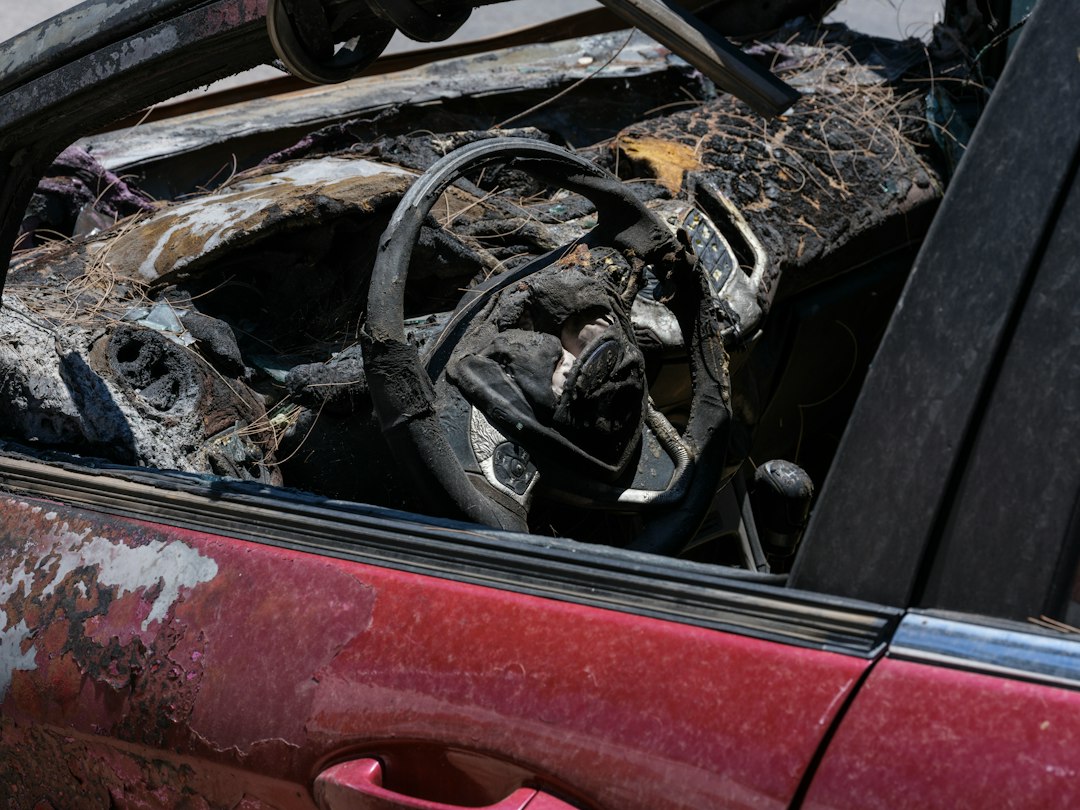
The jarring crunch of metal, the shattering of glass – these are the immediate, terrifying sounds that follow a car crash. Your first instinct, after the shock subsides, is likely to get out of the vehicle. This is a natural and often necessary urge, especially if there’s a risk of fire, further collisions, or if you feel trapped. However, rushing blindly to open the door can put you in even greater danger. Before you even consider reaching for that handle, you must engage your brain and conduct a rapid but thorough assessment of your surroundings and your vehicle’s condition. This preliminary evaluation is not about panicking; it’s about prioritizing your safety and making informed decisions.
Prioritize Your Immediate Well-being
Your personal safety is paramount. Take a moment to check yourself for injuries. Are you bleeding? Is anything broken? Do you have any difficulty breathing? If you are seriously injured, moving might exacerbate your condition. In such cases, your priority shifts to alerting others to your situation and waiting for professional help. However, if you are able to move, even with minor discomfort, you need to consider the immediate environment. Is there smoke billowing from the engine? Can you smell gasoline? Is there any sign of fire? If the answer to any of these is yes, then the urgency to exit the vehicle increases dramatically. Even without visible flames, if you detect a strong odor of fuel, assume a potential fire hazard and act with haste.
Evaluate the External Environment
Look out the windows, if they are intact. What do you see? Are you in the middle of a busy intersection? Are other vehicles approaching rapidly? If you’re on a highway, are you in a lane of traffic? Being on the wrong side of the road or in the path of oncoming vehicles presents an immediate and significant danger. Assess the road surface. Are you on a steep incline or decline? Is there a risk of your vehicle rolling further? Are you near a body of water, and if so, is the vehicle submerged or in danger of becoming so? Consider the weather conditions. Is it raining heavily, making visibility poor for other drivers? Is there fog? Are you in an area prone to flash floods? These external factors will heavily influence your decision-making process regarding how and when to exit.
Inspect Your Vehicle’s Structural Integrity
After a significant impact, the structural integrity of your vehicle can be compromised. Look around you, within the confines of the car. Are there any visible signs of major damage to the doors, frame, or roof? Is the roof caved in? Are the doors visibly buckled or twisted? Even if the doors appear to be intact, the frame around them might be warped, making them difficult or impossible to open. Are any of the vehicle’s components dislodged in a way that could obstruct your exit? For example, has a wheel detached and lodged against the door? This visual inspection, as much as you can do from your seat, is crucial. It helps you anticipate potential difficulties with opening the door and prepares you for alternative escape routes if necessary.
In the aftermath of a car crash, knowing how to safely open your car door can be crucial for your safety and the safety of others. For detailed guidance on this topic, you can refer to a related article that provides essential tips and techniques. To learn more, visit this informative article which covers various scenarios and safety measures to consider when exiting a vehicle after an accident.
Understanding the Mechanics of a Car Door After a Crash

Car doors are complex mechanisms designed for convenience and safety in normal conditions. However, a car crash can severely disrupt these mechanisms, rendering them inoperable or even dangerous to operate. Understanding how car doors are designed to open and how a crash can affect them will empower you to approach the situation with more knowledge and less apprehension. It’s not just about pulling a handle; it’s about understanding the forces at play and the potential failure points.
The Standard Door Opening System
In most vehicles, opening a car door involves a two-part system: the interior door handle and the exterior door handle, connected by a series of rods and cables to the latch mechanism. When you pull the interior handle, it actuates a lever that disengages the latch, allowing the door to swing open. The exterior handle works similarly, but it’s designed to be less accessible for security reasons. Inside the door, these components are held together by a relatively delicate frame. During a crash, the impact can bend, break, or detach these rods and cables. The latch itself can become jammed or deformed. The door frame, which provides the rigidity for the latch to function correctly, can be bent or twisted, preventing the door from aligning properly and opening.
How Crashes Disrupt Door Mechanisms
The force of a collision can exert immense pressure on the entire vehicle structure, including the doors. If the impact is directly on the door, the metal can crumple, bending the door inward or outward. This bending can misalign the door with the car’s frame, creating friction and making it difficult to move. Even if the impact isn’t directly on the door, the shockwave can travel through the vehicle’s chassis, twisting the frame and causing the door to bind. Electrical systems are also often affected. Modern cars have electronic door locks and sometimes even electronic door releases. A crash can sever wiring, blow fuses, or damage the control modules, rendering these electronic systems useless. In severe side impacts, the B-pillar (the pillar between the front and rear doors) can be compressed, pushing the doors inward and making them incredibly difficult to open.
The Role of Safety Features and Their Impact
Modern vehicles are equipped with numerous safety features, some of which can impact door operation after a crash. For example, many cars have automatic door locking systems that engage in certain types of collisions to prevent occupants from falling out. While intended for safety, this can become a hindrance if you need to exit quickly. Airbags, while crucial for occupant protection, can also deploy with significant force, potentially obstructing door movement or damaging internal components. Seatbelt pretensioners, which tighten the seatbelts in a crash, can also contribute to a feeling of being trapped, although they don’t directly affect door operation. It’s important to remember that these systems are designed to work in concert for your protection, but in a post-crash scenario, their presence requires an understanding of how they might interact with your ability to exit.
The Step-by-Step Process for Opening a Car Door Safely
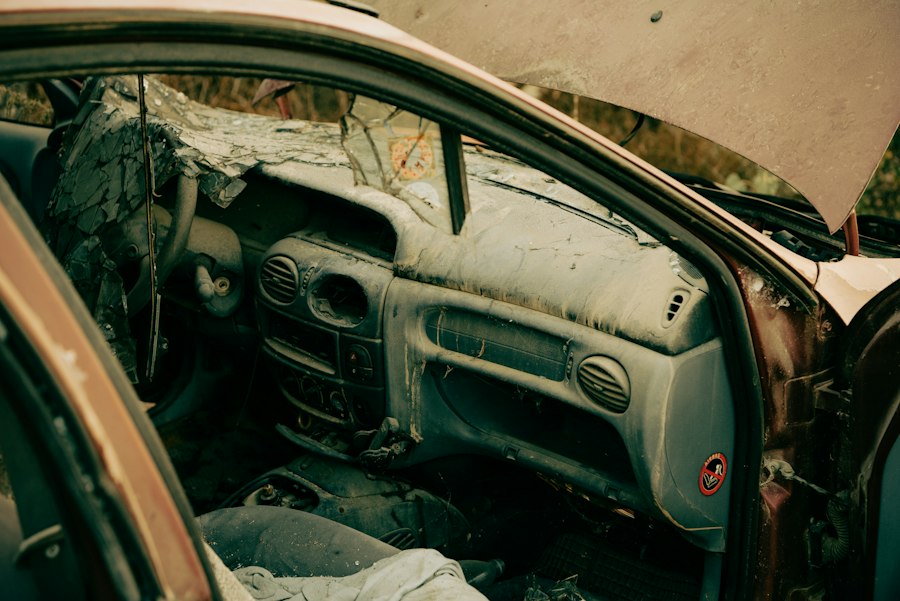
Once you’ve assessed the situation and have a basic understanding of how car doors function, you can proceed with attempting to open them. This is where careful, deliberate action is crucial. Rushing or forcing the door can lead to further injury or make the situation worse. The following steps are designed to maximize your chances of a safe and successful exit.
Attempting the Interior Door Handle
Start with the simplest and most direct method. Remain calm and try to pull the interior door handle. Apply firm, steady pressure. If it operates normally, great! Pull it towards you and then push or pull the door open. However, be prepared for it not to work. If the handle feels loose, jammed, or doesn’t engage anything, do not keep yanking on it forcefully, as you could break it completely, making a manual override even more difficult. Try wiggling it slightly while applying pressure. Sometimes a small shift in angle can help dislodge a stuck mechanism. If you have power windows, try lowering the window slightly before attempting to open the door; sometimes the slight movement can relieve pressure on the door seal.
Exploring Alternative Manual Release Mechanisms
If the primary interior handle fails, your next step is to look for any secondary or manual release mechanisms. Some vehicles have a child safety lock that can be engaged from the outside, preventing the door from opening from the inside. Ensure this is not engaged. In some older vehicles, or as a backup, there might be a manual override lever or cable accessible from within the cabin, though these are less common now. More importantly, examine the door itself. If the handle is completely unresponsive, you might need to apply direct pressure to the door. Look for any gaps or areas where you might be able to get leverage. Sometimes, pushing or pulling on specific points of the door panel can help dislodge a jammed latch.
Utilizing the Exterior Door Handle (If Accessible and Feasible)
If you can safely reach the exterior door handle and it appears undamaged, you can try using that. This requires you to be able to maneuver within the car to access the outside of the door. Again, apply steady pressure. If the exterior handle operates, it suggests the internal linkage might be intact, but the interior handle or its connection might be the issue. If neither handle works, and the door appears jammed due to structural deformation, then you may need to consider more forceful methods, but only as a last resort and with extreme caution.
The Importance of Gentle but Firm Force
When attempting to open a jammed door, remember that “gentle but firm” is the mantra. Avoid wild, uncontrolled movements. Instead, apply steady, increasing pressure. If you’re pushing the door open, brace yourself against something stable and push with your legs and core, not just your arms. If you’re pulling, try to get a good grip and use your body weight. If the door is slightly ajar but stuck, try rocking it back and forth gently to dislodge it. Never repeatedly slam your shoulder or foot against the door with full force without a clear understanding of what might be causing the jam. This can lead to serious injury and might not even budge a severely deformed door.
When the Door Won’t Budge: Exploring Other Escape Routes
Despite your best efforts, there will be times when the car doors are simply jammed shut due to significant structural damage. In these situations, panicking is your enemy. Your focus must shift to identifying and utilizing alternative escape routes. Modern vehicles, while designed for occupant protection, also recognize the need for egress in emergencies.
The Power of the Windows
Windows are often your most viable alternative escape route when doors are compromised. If the power windows are functional, try lowering them completely. If they are not functional, or if they are already shattered, this becomes a more challenging but still possible option. You will need a tool to break the glass. Many cars come equipped with a small emergency hammer and seatbelt cutter, often found in the glove compartment or mounted on the driver’s side. If you don’t have one, a sturdy, pointed object – like the metal base of a headrest (if removable), a heavy flashlight, or even a sturdy shoe heel – can be used to break tempered glass.
Breaking Car Glass Safely and Effectively
Tempered glass, used in most car side and rear windows, is designed to shatter into small, relatively dull pieces when broken, minimizing the risk of severe cuts. However, even these pieces can be sharp. The windshield, made of laminated glass, is designed not to shatter. Breaking it is much more difficult and generally not recommended for escape. When breaking a side or rear window, aim for a corner or edge. These points are weaker than the center. Strike with a sharp, decisive blow using your chosen tool. Once the glass is broken, carefully clear away any remaining shards from the frame before attempting to climb through. Always be mindful of where the glass fragments are falling.
Utilizing the Windshield as a Last Resort
Breaking the windshield is a significantly more difficult and dangerous task. It is laminated, meaning it has a plastic layer between two panes of glass. This makes it incredibly strong and resistant to shattering. While it can be broken with extreme force and the right tools (like a specialized windshield removal tool), it’s generally not a practical or safe escape route for an individual in a post-crash scenario. The risk of serious injury from flying debris and the sheer effort required make it a last-ditch option. If you are considering this, you are likely in a dire situation where no other option is available.
The Unseen but Important Roof and Sunroof
While less common, some vehicles offer an escape route through the roof or sunroof. In some SUVs and vans, there might be an emergency escape hatch. Similarly, a sunroof, if it can be opened or broken, can provide an escape route, especially for smaller individuals. However, many sunroofs are made of laminated glass similar to the windshield and are difficult to break. If the roof of your vehicle has been significantly compromised, this might also present an unexpected opening, though it’s unlikely to be a planned escape route and could be unstable.
In the unfortunate event of a car crash, knowing how to safely open your car door can be crucial for your safety and the safety of others. For more detailed guidance on this topic, you can refer to a related article that provides essential tips and techniques. Understanding the proper methods can help you escape quickly and avoid further injury. To explore these valuable insights, check out this informative piece on Freaky Science.
Post-Escape Actions and Seeking Assistance
| Step | Action | Details | Estimated Time | Safety Tips |
|---|---|---|---|---|
| 1 | Assess the Situation | Check for injuries and hazards before attempting to open the door. | 10-20 seconds | Ensure the vehicle is stable and no fire or fuel leaks are present. |
| 2 | Try Door Handle | Attempt to open the door normally using the handle. | 5-10 seconds | Use gentle force to avoid further damage or injury. |
| 3 | Use Manual Lock Release | If electronic locks fail, try manual lock release inside the car. | 10-15 seconds | Be cautious of broken glass or sharp edges. |
| 4 | Push or Pull Door Frame | Apply pressure to the door frame to create space for opening. | 15-30 seconds | Use body weight carefully to avoid injury. |
| 5 | Break Window (if necessary) | Use a window-breaking tool to break side window if door won’t open. | 10-20 seconds | Cover eyes and hands; break corner of window for easier exit. |
| 6 | Exit Vehicle Safely | Carefully climb out through the opened door or broken window. | Varies | Watch for traffic and debris; move to a safe location immediately. |
Successfully exiting your vehicle is a monumental achievement. However, your safety and well-being are not yet fully secured. The immediate aftermath of a crash requires further actions to ensure your continued safety and to get the help you need. This phase is about transitioning from immediate escape to securing your position and seeking appropriate aid.
Moving to a Safe Location Away from the Crash Site
Once you are out of the vehicle, your immediate priority is to move to a safe location. If you are on a roadway, this means getting as far away from moving traffic as possible. If you are on a highway, aim for the shoulder, and then move further off the road if there is a ditch or embankment that provides better protection. If you are in a parking lot, move to an area where you are not in the path of other vehicles. If there is any sign of fire or the smell of fuel, move uphill and upwind from your vehicle. Do not linger near the crashed car, as there is always a risk of secondary explosions, fires, or further collisions.
Assessing Your Condition and Administering Basic First Aid
After exiting, take another moment to reassess your physical condition. You may have sustained injuries that were not immediately apparent due to the adrenaline rush. If you have any visible bleeding, try to apply pressure to control it. If you are with other passengers, check on their condition and offer assistance if you are able. Do not attempt any complex medical procedures unless you have the training to do so. Your primary goal is to stabilize yourself and others until professional medical help arrives.
Calling for Emergency Services and Providing Critical Information
As soon as you are in a safe location and have assessed your immediate needs, you must call for emergency services. Dial 911 (or your local emergency number). Speak clearly and calmly. Provide your exact location, including street names, highway markers, or any identifiable landmarks. Describe the nature of the crash and any injuries you or others have sustained. If there are any hazards present, such as leaking fuel, downed power lines, or traffic obstructions, be sure to report them. Do not hang up until the dispatcher tells you to do so.
Waiting for Professional Help and Securing the Scene (If Safe)
Once you have contacted emergency services, remain in your safe location and wait for help to arrive. If it is safe to do so, and you have reflective triangles or flares, you can deploy them to warn oncoming traffic of the hazard. However, do not put yourself at further risk to do this. If there are witnesses, try to get their contact information if it is safe and feasible. Conserve your phone battery if possible, as it will be crucial for communication with emergency responders. Cooperate fully with law enforcement and medical personnel when they arrive, providing them with all necessary information about the crash and your condition. Your actions after exiting the vehicle are just as critical as the steps you took to open the door.

Your Car Window Can Keep You In—Even When You Need Out
FAQs
1. How can I open a car door after a crash if it’s jammed?
If the car door is jammed after a crash, try using the emergency escape tool to break the window or cut the seatbelt to exit the vehicle. If you don’t have a tool, try kicking out the window or using any hard object to break it.
2. What should I do if the car door won’t open from the inside after a crash?
If the car door won’t open from the inside after a crash, try unlocking it manually if possible. If that doesn’t work, try rolling down the window and opening the door from the outside handle if accessible.
3. Is it safe to open a car door after a crash if there is smoke or fire present?
If there is smoke or fire present after a crash, it is important to assess the situation carefully. If it is safe to do so, open the car door cautiously and exit the vehicle. If there is too much smoke or fire, stay low to the ground and try to find an alternative exit.
4. What should I do if the car door is stuck shut after a crash?
If the car door is stuck shut after a crash, try using a tool like a crowbar or a strong object to pry it open. If that doesn’t work, try pushing the door from the inside while someone pulls from the outside to release the latch.
5. Can I use the power locks to open a car door after a crash?
If the car’s power locks are still functioning after a crash, you can try using them to unlock the doors. However, if the electrical system is damaged or the locks are not responding, you may need to resort to manual methods to open the door.