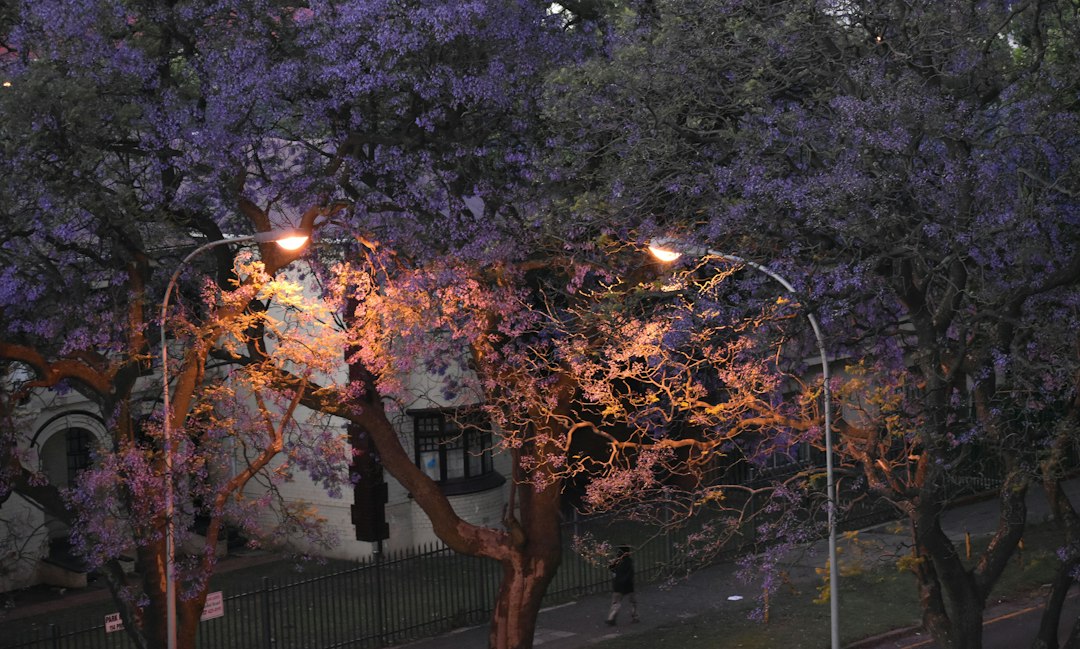
So, you’ve noticed a streetlight has gone all moody and turned a strange shade of purple. It’s not just you; this is a common issue, and thankfully, it usually points to a specific culprit. In most cases, a purple streetlight means the bulb is nearing the end of its life. It’s a visual cue that the internal components, particularly the gas mixture, have shifted, causing that distinct color change. While you can’t personally go up and swap out a city-owned streetlight bulb, understanding why it’s happening is the first step. This guide will walk you through what’s going on, what you can do about it, and what to expect from the process of getting it fixed.
The Science Behind the Purple Glow
Let’s break down why that familiar white or warm light from a streetlight suddenly decides to embrace its inner eggplant. It’s all about the technology inside.
How High-Pressure Sodium (HPS) Lights Work
Most older streetlights, and even some newer ones, use a type of lamp called High-Pressure Sodium (HPS). Think of them as glorified lightbulbs on steroids. Inside a quartz arc tube, there’s a mix of gases and vaporized sodium. When you zap it with electricity, it gets incredibly hot, causing the sodium to emit its characteristic bright, yellowish-orange light. This has been the go-to for years because it’s relatively efficient and provides good visibility.
The Aging Process and Gas Shifts
Over time, like anything with a finite lifespan, these HPS bulbs start to degrade. The arc tube is designed to contain a specific mixture of gases that help it ignite and maintain its light output. As the bulb ages, and after thousands of hours of operation, the chemical composition within the arc tube begins to change. The sodium vapor can react with the materials in the tube, or the other buffer gases can start to deplete. This shift in the gas mixture alters how the light is refracted and emitted. Instead of that familiar warm glow, you start seeing more of the blue and red end of the spectrum, which, when combined, appear as purple. It’s a bit like a dimmer switch that’s not just dimming, but also changing the color balance.
Why Not All Lights Turn Purple
You might wonder why one streetlight turns purple while its neighbor stays bright. It comes down to individual bulb lifespans. Each bulb is manufactured and installed separately, and they all have their own unique operational hours and eventual breakdown points. Factors like manufacturing variations, minor electrical fluctuations, or even environmental conditions can slightly affect how quickly one bulb ages compared to another. So, seeing a purple streetlight is usually a sign of an individual bulb nearing retirement, not a widespread municipal problem (unless, of course, an entire batch of bulbs from a specific manufacturer had a known issue, which is less common for this particular symptom).
In recent news, a peculiar incident involving a streetlight that turned purple has garnered attention, prompting discussions about the possible causes and necessary repairs. For those interested in exploring this topic further, a related article can be found at Freaky Science, which delves into the science behind streetlight malfunctions and the implications of unusual color changes in urban lighting systems.
Identifying the Problem: More Than Just Aesthetics
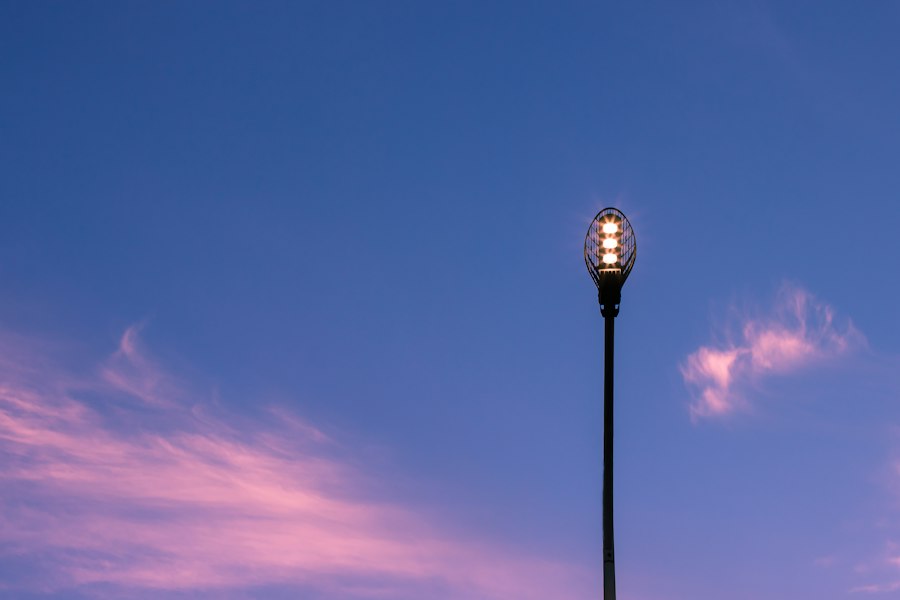
That purple light isn’t just an eyesore; it’s a functional issue that impacts safety and can indicate deeper problems.
Reduced Light Output and Visibility Issues
The most practical consequence of a purple streetlight is that it simply doesn’t illuminate the area as well as it should. The light it does produce is less effective for drivers, pedestrians, and cyclists. Poor visibility increases the risk of accidents, makes it harder to see obstacles, and can create areas of shadow that make people feel less safe. This is the primary reason why these lights need to be fixed – they are a public safety feature.
Potential for Complete Failure
The purple hue is a strong indicator that the bulb is on its last legs. It’s a warning sign that it could fail completely at any moment. When an HPS bulb finally gives up the ghost, it goes dark, leaving that section of street without any illumination. This sudden darkness can be disorienting and even more dangerous than a dimly lit purple street.
What Purple Doesn’t Usually Mean
It’s important to distinguish the purple light phenomenon from other potential streetlight problems. A purple light almost exclusively points to an aging HPS bulb. It doesn’t typically indicate a wiring issue, a faulty ballast (the component that regulates electricity to the bulb), or a power supply problem. Those issues would usually result in the light flickering, not turning on at all, or having a different color cast like a dim, flickering white. This specificity makes the purple hue a relatively straightforward diagnostic clue.
Your Role: Reporting the Purple Menace

Since you can’t climb up there yourself and change the bulb, your main action is to report the issue. Thankfully, most municipalities have streamlined this process.
Finding Your Local Authority
The first step is to figure out who is responsible for streetlights in your area. In most cities and towns, this falls under the public works department, the transportation department, or a dedicated street lighting division of the local government. If you live in a larger city, there might even be a specific online portal or phone number just for reporting street light issues. For smaller towns, the general city hall or town hall number is usually a good starting point.
How to Report Effectively
When you contact them, be prepared with specific information. The more details you can provide, the easier it will be for them to locate and fix the problem.
- Precise Location: This is crucial. Give the exact street address, street name, and even cross-streets. If it’s in a complex area, note landmarks. For example, “The streetlight on Elm Street, about 50 feet east of the intersection with Oak Avenue, in front of house number 123.”
- The Problem: Clearly state that the streetlight is emitting a “purple light.” Mention if it’s dim or flickering, but the primary issue is the color.
- Pole Number (If Visible): Many streetlight poles have a small metal tag or sticker with a unique identification number on them. If you can safely see and record this number, it’s an invaluable piece of information for the city to pinpoint the exact pole. It’s usually located a few feet up from the base of the pole.
- Your Contact Information (Optional but Recommended): Providing your name and a phone number or email address can be helpful if they need clarification or want to inform you when the repair is made. Many systems allow for anonymous reporting, but sometimes having a contact helps ensure follow-up.
Reporting Methods: Online, Phone, or App
Most municipalities now offer multiple ways to report these issues:
- Online Portals: This is often the most efficient method. Search your city or town’s official website for terms like “report street light out,” “street light issue,” or “public works request.” You’ll likely find a form to fill out.
- Dedicated Apps: Some cities have their own mobile apps for citizen reporting, which can be very convenient for reporting issues on the go.
- Phone Numbers: If online reporting isn’t available or you prefer to speak to someone, look for a specific non-emergency line for public works or street maintenance. Avoid calling 911 unless it’s an emergency situation that poses an immediate danger, like a streetlight falling down.
What Happens Next: The Repair Process
Once you’ve reported the purple streetlight, it enters the municipal system. Here’s what you can generally expect to happen behind the scenes.
Dispatch and Prioritization
Your report will be logged by the relevant department. They will then typically dispatch a crew to investigate. The repair will be prioritized based on factors like the severity of the issue (a completely dark street might take precedence over a purple one, though both are important), the volume of reports, and crew availability. They often group repairs in specific geographic areas to be more efficient.
The Replacement of the Bulb
The most common fix for a purple streetlight is a bulb replacement. The crew will arrive with the necessary equipment, which usually includes a bucket truck or a lift to reach the top of the pole. They will carefully remove the old HPS bulb and install a new one. Depending on the municipality’s policy, this new bulb might be another HPS lamp or, increasingly, an LED (Light Emitting Diode) lamp. LEDs are more energy-efficient, have a longer lifespan, and provide a different quality of light (often a cooler, whiter hue).
What if it’s Not Just the Bulb?
While rare for the purple light issue specifically, sometimes the problem might be more complex. If the crew determines the issue isn’t just the bulb, they might need to replace other components like the ballast, the socket, or even check the wiring. If the problem is more significant, like damage to the pole itself, it might require a more extensive repair or replacement, which could take longer.
Tracking Your Report
Some cities offer a way to track the status of your report online. You might receive a confirmation email with a ticket number, which you can then use to check for updates. Even without this, knowing you’ve done your part by reporting it is the main thing.
Recently, there has been an intriguing incident involving a streetlight that turned purple, sparking curiosity and concern among local residents. The unusual color change was attributed to a malfunction in the LED lighting system, which led to discussions about the importance of regular maintenance for streetlights. For those interested in learning more about similar occurrences and the science behind streetlight technology, you can check out this related article on Freaky Science. Understanding these phenomena can help communities better address such issues in the future.
Looking Ahead: The Shift Towards LED Lighting
| Metric | Value | Unit | Notes |
|---|---|---|---|
| Number of Purple Streetlights Reported | 45 | Units | Reported within the last month |
| Average Repair Time | 3 | Days | From report to resolution |
| Common Cause | LED Driver Malfunction | N/A | Most frequent issue identified |
| Repair Success Rate | 92 | Percent | Successful fixes on first attempt |
| Average Cost per Repair | 120 | Units | Excluding labor |
| Number of Repeat Issues | 5 | Units | Streetlights requiring multiple repairs |
The purple streetlight phenomenon is largely a characteristic of older HPS technology. As municipalities upgrade their infrastructure, you’ll see fewer and fewer of these purple lights.
Advantages of LED Streetlights
LED streetlights offer a range of benefits that are driving their adoption:
- Energy Efficiency: They consume significantly less electricity than HPS lamps, leading to substantial cost savings for municipalities.
- Longer Lifespan: LEDs can last much longer than HPS bulbs, meaning fewer replacements and less maintenance over time.
- Better Light Quality: While some people prefer the warm glow of HPS, LEDs typically provide a brighter, whiter light that many find improves visibility and color rendering. This can be particularly beneficial for security and detail perception.
- Directional Light: LEDs can be designed to direct light precisely where it’s needed, reducing light pollution and wasted energy shining upwards.
- Smart City Integration: Many modern LED streetlight systems can be integrated with smart city technology, allowing for remote monitoring, dimming capabilities, and even data collection for traffic management or environmental sensors.
The Transition Period
As cities transition, you might notice a mix of lighting types. Some streets might have brand-new, crisp white LED lights, while others still have the older, warm HPS lamps. Occasionally, you might even see a new HPS lamp installed as a temporary replacement if the full LED upgrade for that area hasn’t happened yet. The purple hue is becoming less common as the old infrastructure is retired.
What to Do if You See a Purple Light with New LEDs
If you see a purple light coming from a fixture that looks like a modern LED streetlight, that’s a different scenario. This usually indicates a manufacturing defect or a failure in the LED’s internal components, which is much less common than the HPS bulb aging. In such a case, you would report it the same way, but the cause and repair method might be slightly different, likely involving replacing the entire LED fixture or its driver. But for the classic purple glow, it’s almost always the HPS bulb’s farewell tour.
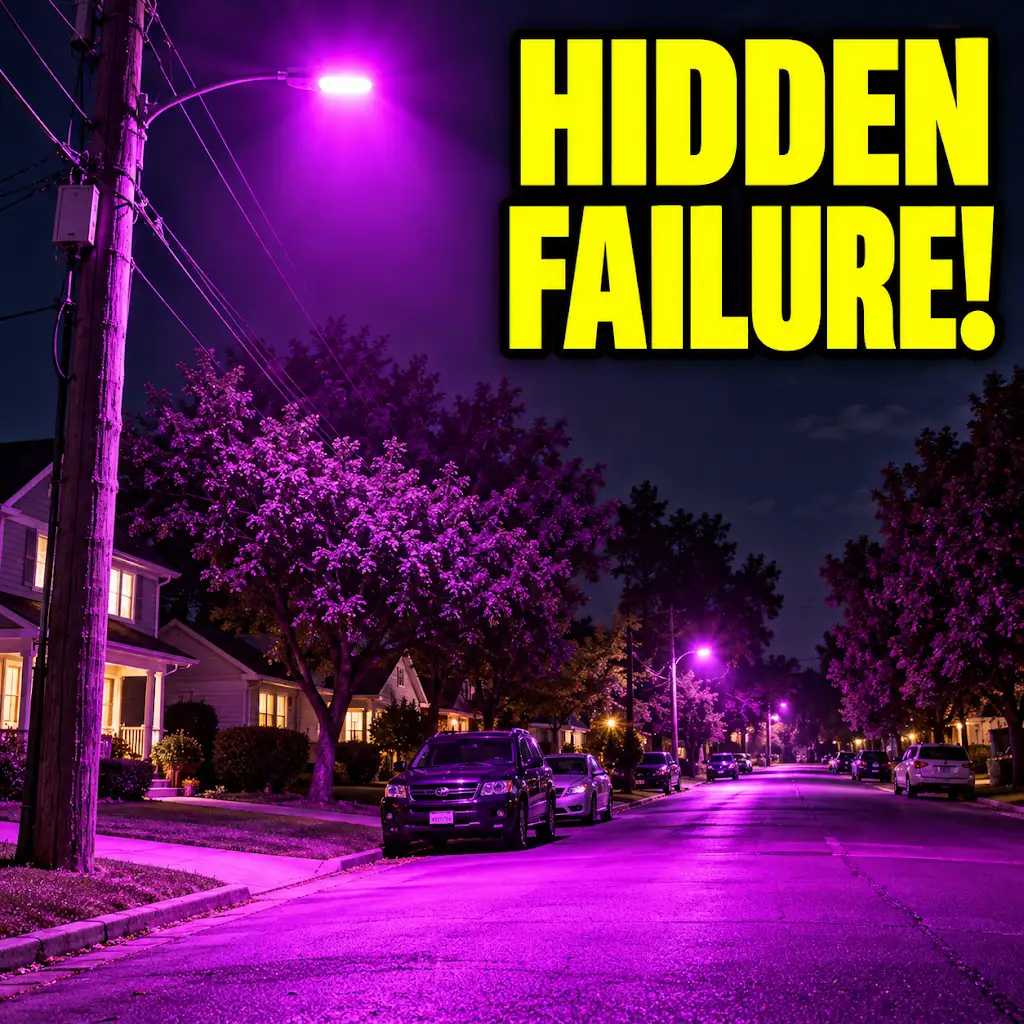
Why The Streetlights Are Turning Purple
FAQs
1. Why did the streetlight turn purple?
The streetlight turned purple due to a malfunction in the LED lighting system, causing it to emit a different color than the intended white light.
2. How long will it take to repair the purple streetlight?
The repair time for the purple streetlight will depend on the extent of the issue. Typically, it may take a few days to a week for the repair to be completed.
3. Who is responsible for fixing the purple streetlight?
The local municipality or city’s public works department is usually responsible for fixing streetlights, including addressing any color changes like the purple hue in this case.
4. Will the purple streetlight be fixed during the day or at night?
Streetlight repairs, including fixing the purple hue, are typically done during the day to ensure the safety of the workers and to allow for better visibility while working on the light.
5. Is there a safety concern with a purple streetlight?
While a purple streetlight may not pose an immediate safety risk, it is important to repair it promptly to maintain proper lighting conditions for pedestrians and drivers in the area.