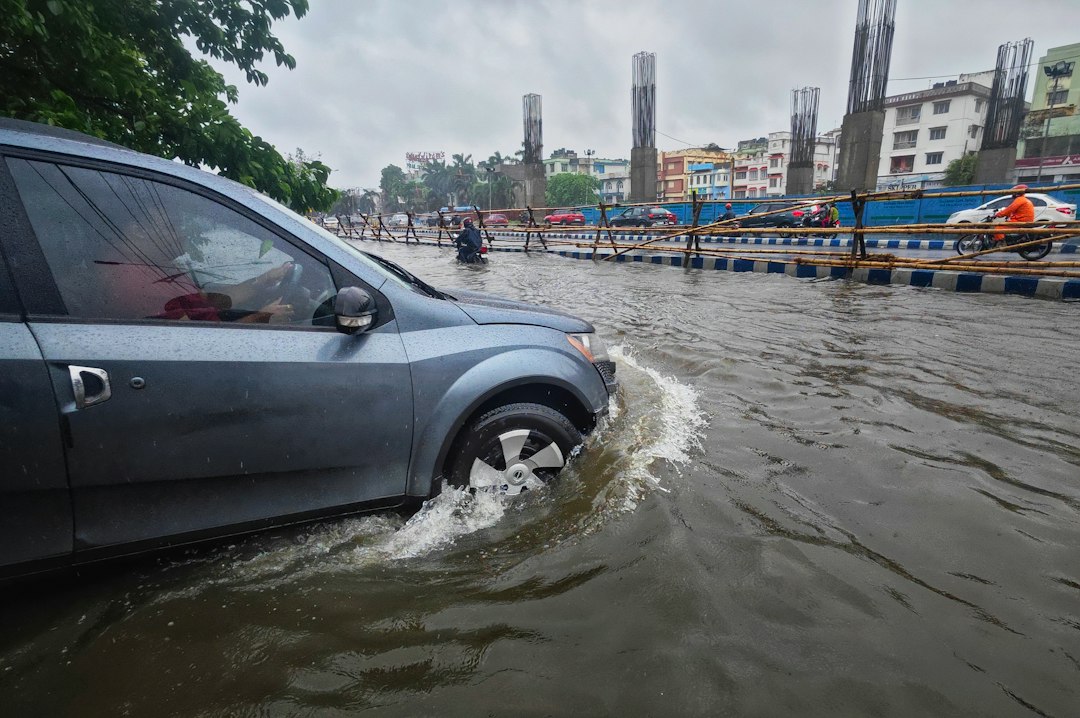
You’re driving, perhaps on a familiar road, or maybe exploring somewhere new. The weather might be clear, or a storm could be brewing. Suddenly, your car veers off the road. The world turns upside down, and the chilling reality sinks in: your vehicle is submerged in water. Panic is an immediate and understandable reaction, but in this terrifying scenario, clear thinking and swift action are your greatest allies. Knowing precisely what to do when your car goes into water can be the difference between life and death. This guide will equip you with the essential knowledge to escape a sinking car quickly and safely, increasing your chances of survival.
Understanding the Immediate Threat
The moment your car hits the water, a race against time begins. It’s not just about getting out; it’s about getting out before the car becomes too heavy and waterlogged to open the doors, and before the pressure difference makes egress impossible. Your primary goal is to stay calm and act decisively. The water rushing in will be cold, disorienting, and frightening, but succumbing to fear will hinder your ability to execute the necessary steps. Understanding the physics at play can help demystify the situation and reinforce the importance of immediate action. As the car sinks, water pressure will build up on the outside, making it increasingly difficult to open the doors. The electrical systems will also fail, rendering power windows and locks inoperable. This is why acting within the first 30 to 60 seconds is absolutely critical.
The Initial Impact and Your First Steps
The instant your car breaks the surface and begins to descend, your mind must shift into survival mode. Resist the urge to thrash or scream. Take a deep, controlled breath. Your seatbelt is your immediate priority. You need to release it as quickly as possible. If it’s a manual buckle, practice releasing it until it’s second nature. If it’s an electric buckle, understand that it might fail. Many modern cars have quick-release mechanisms. Familiarize yourself with yours before you ever need it. Once the seatbelt is undone, the next crucial step is to assess the situation, but without delay. Is the car upright, or has it rolled? Are there other passengers, especially children, who need immediate assistance? Your actions will be dictated by these initial observations, but the overarching principle remains: get out.
The Sinking Process: What to Expect
As your vehicle fills with water, you’ll notice a few things. The car will initially float for a short period, often upside down or sideways. This is your window of opportunity. The water will begin to seep in through door seals and any openings. The cabin will fill from the lowest points first. The pressure outside the car will increase as it sinks deeper, making it harder to force open doors. Electrical systems, including power windows and door locks, will likely fail as water inundates them. Understanding this progression reinforces the urgency of your escape. Do not wait for the car to be completely submerged to attempt an escape. The longer you delay, the slimmer your chances become.
If you’re looking for practical advice on how to escape a sinking car, you might find it helpful to read a related article that provides essential tips and techniques for surviving such a situation. For more detailed information, check out this informative piece on safety measures and escape strategies at Freaky Science.
Prioritizing Your Escape Route
With the initial shock of submersion, your mind must immediately focus on the exit strategy. The most direct and often safest route is through a door, but this becomes exponentially harder as water fills the cabin and external pressure mounts. Therefore, exploring alternative egress points becomes paramount. Your goal is to get yourself and any passengers out of the vehicle before it’s too late. This requires a calm assessment of your options and a willingness to act decisively, even if it means breaking a window.
The Power of Windows: Your Primary Egress
When your car hits the water, the first instinct should be to try and open the windows. In the initial moments, the electrical system may still function, allowing you to operate power windows. If you have manual windows, crank them down as fast as you can. These are your most likely escape routes. If the power is already out, or the windows are stuck, you’ll need to consider breaking them. The side windows are generally made of tempered glass, which is designed to shatter into small pieces when struck with sufficient force. This is preferable to laminated windshields, which are designed not to shatter. Aim for a corner of the window for maximum effect.
When Doors Won’t Budge: The Window Breaking Strategy
If you can’t get a window down quickly, or if the doors are already proving too difficult to open due to water pressure, breaking a window becomes your next vital step. Many people freeze at this thought, but it’s a necessary action. You’ll need a tool for this. A dedicated car escape tool, often called a life hammer or a rescue tool, is an invaluable item to keep in your vehicle. These are compact devices that typically have a hardened steel tip for breaking glass and a concealed blade for cutting seatbelts. If you don’t have a dedicated tool, other sturdy objects might work in a pinch, such as the headrest posts (though these can be difficult to detach and use effectively) or even a heavy shoe heel. Aim for the corner of the side window, applying firm, consistent pressure. Once the glass breaks, clear away any sharp shards as best you can and then push the rest of the glass out.
Considering the Windshield as a Last Resort
While side windows are designed to shatter, windshields are typically made of laminated glass. This means there are two layers of glass with a layer of plastic in between. This design prevents the windshield from shattering into small pieces, making it much more difficult to break. Attempting to break a windshield should be considered a last resort, only to be undertaken if all other avenues of escape are exhausted. Even with a dedicated tool, it can be extremely challenging to create an opening large enough to escape through. If you must attempt it, focus your force on the edges, where the glass is thinner. However, prioritize the side windows for your escape.
Evacuating Passengers: A Priority for Safety

In a sinking car, your own survival is paramount, but if you have passengers, particularly children or elderly individuals, their safety becomes an equally pressing concern. The limited time available for escape means you must act quickly and efficiently to ensure everyone gets out. This requires a clear plan and, if possible, a pre-determined order of evacuation. The goal is to get the most vulnerable passengers out first, while maintaining your own ability to escape.
Children First: The Most Vulnerable
Children are naturally more susceptible to panic and can struggle with the physical act of escaping a submerged vehicle. If you have children in the car, they should be your absolute priority. Immediately after unbuckling yourself, unbuckle them. If they are very young, you may need to physically assist them in getting through the window opening. It’s often recommended to pass younger children out of the vehicle to another adult if possible, or to push them through the escape opening first, followed by yourself. Children can also be more susceptible to hypothermia, so getting them to safety as quickly as possible is crucial.
Assisting Other Passengers
Beyond children, consider other passengers who might require assistance. Elderly individuals, those with disabilities, or even someone in shock might need help to navigate the escape process. If you have multiple adults in the car, assign roles if the situation allows, but in a true emergency, you may have to rely on your own judgment and speed. Once you have opened or broken a window, help them through. If the car is tilted, the water will be pressing against the doors and windows differently, so be aware of the angle. Always ensure you have a clear path for yourself to follow.
The Importance of Staying Together (When Possible)
While speed is of the essence, if you can safely stay with your passengers, do so. The disorientation and fear of the water can be overwhelming. Having a familiar face and voice can provide reassurance. However, this is a delicate balance. If staying with a passenger significantly impedes your ability to escape, you may have to make the difficult decision to exit yourself first and then assist them from the outside if possible. The primary objective is for everyone to get out of the vehicle.
Post-Escape Actions: Survival Beyond the Vehicle
Once you have successfully escaped the sinking car, your ordeal is not yet over. You are now in the water, potentially in cold temperatures, and you need to ensure your continued safety and the safety of your passengers. This phase requires immediate action to orient yourself, assess your surroundings, and get to a place of safety. The shock of the experience can be immense, but maintaining composure will be critical for the next steps.
Reaching Safety: The Shore and Beyond
Your immediate goal after escaping the vehicle is to swim to the nearest shore or a stable floating object. If you are in a shallow area, wading might be an option. If you are in deeper water, you will need to swim. Conserve your energy as much as possible. If you have passengers, try to guide them towards safety and encourage them to stay together. Once you reach land, assess everyone for injuries and try to get them warm and dry as quickly as possible. If you are in a remote area, signalling for help should be a priority.
Dealing with Cold Water Shock and Hypothermia
Cold water shock is a dangerous physiological response that can occur when you suddenly enter cold water. It can cause involuntary gasping, hyperventilation, and a rapid increase in heart rate and blood pressure. This can be disorienting and even lead to drowning if you gasp in water. The best way to combat cold water shock is to try and remain calm, control your breathing, and avoid thrashing. Once you are out of the water, hypothermia becomes the next major concern. Hypothermia is a dangerous drop in body temperature. If you can, remove wet clothing and replace it with dry layers. Huddle together with others for warmth. Seek medical attention immediately if you suspect hypothermia, even if symptoms seem mild.
Seeking Help and Assessing Injuries
After you are safely out of the water and have addressed immediate cold-related dangers, it’s essential to assess yourself and your passengers for any injuries sustained during the accident or the escape. Even if injuries seem minor, it’s advisable to seek medical attention as soon as possible, especially if you’ve experienced significant trauma or been exposed to cold water for an extended period. If you are in a location where you can’t easily reach help, use any available means to signal for assistance – shout for help, use a whistle, or wave brightly colored clothing. If you have a mobile phone that survived and is still functional, call emergency services immediately.
If you ever find yourself in the terrifying situation of a sinking car, knowing how to react quickly can save your life. A related article that provides valuable insights on this topic can be found here, where you can learn essential tips and techniques for escaping a submerged vehicle. Understanding the importance of remaining calm and acting swiftly can make all the difference in such emergencies. For more detailed information, check out the article on Freaky Science.
Preparation is Your Best Defense
| Step | Action | Details | Estimated Time | Safety Tips |
|---|---|---|---|---|
| 1 | Stay Calm | Take deep breaths to keep a clear mind and avoid panic. | Immediate | Focus on controlled breathing to reduce stress. |
| 2 | Unbuckle Seatbelt | Remove your seatbelt quickly to prepare for exit. | Within 5 seconds | Do not delay; unbuckle as soon as water is detected. |
| 3 | Open or Break Window | Open the window immediately or break it if it won’t open. | Within 10-20 seconds | Use a window-breaking tool if available; avoid doors as water pressure may prevent opening. |
| 4 | Exit Through Window | Climb out through the window before the car sinks too deep. | Within 30-60 seconds | Exit feet first to avoid injury; help others if possible. |
| 5 | Swim to Safety | Swim to the surface and move to a safe location. | Varies | Stay calm, swim with the current if present, and seek help immediately. |
The best way to survive a sinking car scenario is to be prepared before it ever happens. This involves understanding the risks, equipping your vehicle appropriately, and practicing the essential steps so that they become instinctive when faced with a terrifying emergency. Complacency can be a dangerous enemy; a few minutes of preparation can save your life.
Equipping Your Vehicle for Emergencies
Consider investing in a car escape tool and keeping it in an easily accessible location, such as the driver’s side door pocket or attached to the visor. Ensure it’s visible and easy to grab in a panic. You might also consider a small waterproof bag containing essentials like a basic first-aid kit, a flashlight, and a signalling device. If you have young children, ensuring their car seats are properly installed and that you know how to quickly release them is also crucial. A good quality seatbelt cutter is also a vital component of your emergency kit.
Practicing Your Escape Plan
While you can’t perfectly simulate a sinking car, you can practice some of the core actions. Regularly practice releasing your seatbelt until it becomes an automatic action. If you have an escape tool, familiarize yourself with its operation. Discuss escape plans with your family members, especially children, in simple, clear terms. Knowing what to do and who to assist can reduce panic and improve reaction time. Even a brief conversation about the steps involved can make a significant difference. Imagine the scenario and talk through the actions you would take.
Staying Calm Under Pressure: The Mental Game
The mental aspect of surviving a sinking car is perhaps the most challenging, yet most critical. Panic is your enemy. By understanding the steps involved and by having practiced them, you can build a sense of preparedness that helps to override the instinct to freeze. Deep breathing exercises, even in everyday life, can help you train your body to respond more calmly to stressful situations. The more you mentally rehearse the escape, the more likely you are to perform the necessary actions effectively when faced with the real thing. Remember that the first few seconds are the most critical, so a clear, focused mind is your greatest asset.

Your Car Window Can Keep You In—Even When You Need Out
FAQs
What should I do if my car is sinking in water?
If your car is sinking in water, remain calm and unbuckle your seatbelt. Open the window or break it if necessary to escape. Exit through the window and swim to the surface.
Should I wait until the car is fully submerged before trying to escape?
No, it is crucial to act quickly and escape as soon as possible. Once the car is fully submerged, it may be difficult to open the doors or windows due to water pressure.
Is it better to call for help from inside the car or try to escape first?
It is recommended to try to escape first. Calling for help while trying to escape is ideal, but escaping should be the priority to ensure your safety.
What is the best way to prepare for a potential car sinking emergency?
It is important to always wear your seatbelt properly and keep a window-breaking tool, such as a hammer or a specialized car escape tool, within reach in case of emergencies. Familiarize yourself with how to open the windows and doors manually in case of power failure.
Are there any specific techniques to follow when escaping a sinking car?
When escaping a sinking car, remember to stay calm, unbuckle your seatbelt, open the window or break it if needed, and swim to the surface while pushing off the car. Avoid panicking and conserve your energy for swimming to safety.