Assessing the Urgency of the Situation
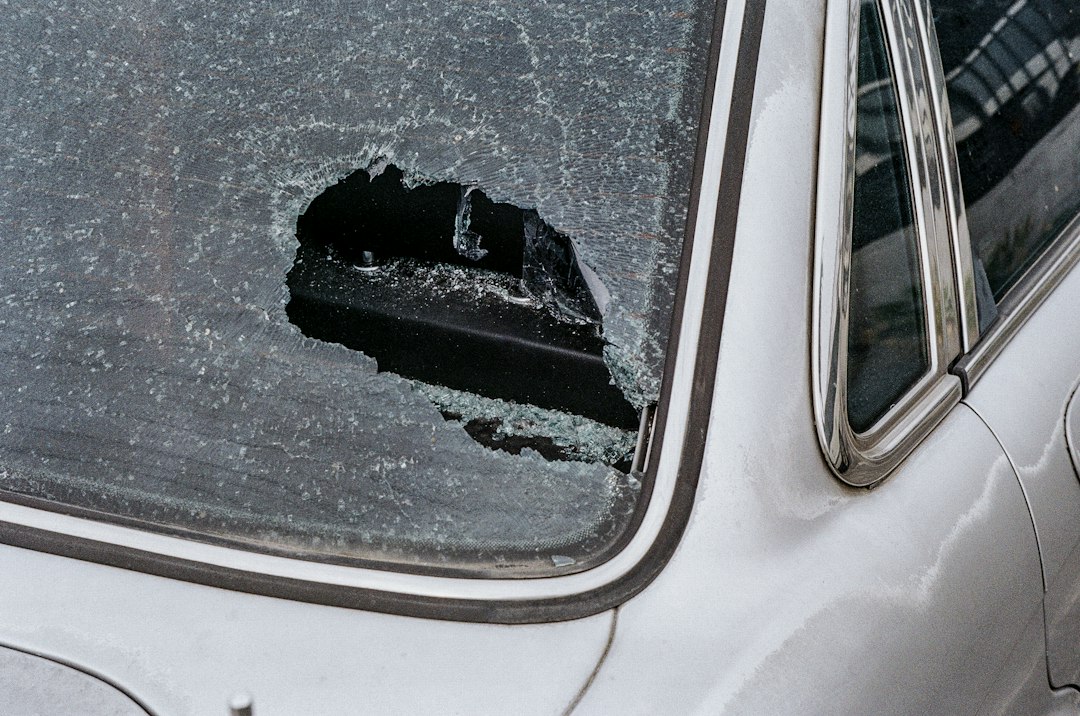
Before you even consider breaking a car window, you must be absolutely certain that it’s necessary. This isn’t a decision to be made lightly. Imagine the scene: the heat is oppressive, and a child or a vulnerable pet is trapped inside, showing signs of distress like panting, lethargy, or disorientation. Or perhaps there’s the acrid smell of smoke, and you can see flames licking at the edges of the vehicle, with someone inside unable to escape. These are clear-cut emergencies where immediate action is paramount. However, you must also consider the potential for misjudgment. Is the car truly locked, or is there a chance the door is simply stuck? Have you tried all other avenues, like honking the horn repeatedly to attract attention, or checking if a window is slightly ajar? Remember, breaking a car window incurs damage, and you’ll need to be prepared to explain your actions and potentially face consequences if your intervention wasn’t truly justified. Think about the environment, too. If it’s a remote area and you have time, calling emergency services might be a better first step, allowing them to handle the situation with appropriate tools and protocols. Your primary responsibility is to ensure the safety of the person or animal trapped, but also to avoid causing unnecessary damage or putting yourself in danger. This initial assessment is critical, setting the stage for whether and how you proceed.
Recognizing True Emergencies
You’ve seen the scenarios: a sweltering car with a gasping dog, a child left unattended on a dangerously hot day, or a vehicle engulfed in flames with someone trapped inside. These are the hallmarks of a genuine emergency. You’re not just observing a situation; you’re witnessing immediate danger to life or well-being. The key indicator is the rapid escalation of risk. For a person or animal inside a hot car, the temperature can rise to deadly levels within minutes. Observe for signs of heatstroke: excessive panting, drooling, lethargy, vomiting, or unresponsiveness. If you see any of these, the urgency is undeniable. Similarly, in a fire scenario, time is of the essence. Smoke inhalation can incapacitate quickly, and burns can be severe. The inability of the occupant to exit the vehicle, either due to locked doors, unconsciousness, or being physically trapped, elevates the situation to one requiring immediate, forceful intervention. It’s not about a minor inconvenience; it’s about preventing a tragedy.
Considering Alternatives and Legalities
Before you resort to breaking glass, exhaust all other options. Have you tried to unlock the car using any available means? Perhaps a spare key is accessible nearby, or a family member or friend can bring one. If it’s a modern car, you might consider contacting roadside assistance, though this will likely take too long in a critical situation. You should also be aware of your local Good Samaritan laws. In many places, if you act reasonably and in good faith to rescue someone from an imminent danger, you are protected from liability. However, “reasonably” is the operative word. If there was a less destructive way to achieve the same outcome, or if your actions were reckless, you might face legal repercussions. This means you should only break the window as a last resort, when there is no other viable option and the danger is immediate and severe. Documenting your actions, if possible, or having witnesses present, can also be beneficial should you need to justify your decision later.
If you’re looking for practical advice on emergency situations, you might find the article on how to break a car window particularly useful. This guide provides step-by-step instructions and safety tips for effectively breaking a car window in case of an emergency, ensuring that you can assist someone in need without causing unnecessary harm. For more detailed information, check out the article here: How to Break a Car Window.
Identifying the Right Tool for the Job
Once you’ve determined that breaking a window is unavoidable, the next crucial step is selecting the appropriate tool. You don’t want to be fumbling with inadequate equipment when every second counts. The ideal tool is one that concentrates force into a small area, maximizing its ability to fracture glass. Think about what you might have readily available or can quickly acquire. Certain items are far more effective than others, and using the wrong tool can be frustratingly ineffective and even dangerous to yourself. The goal is to create a clean break or shatter the glass so it can be removed, not to simply dent the car or cause superficial damage. Consider the type of glass you’re dealing with, as this can influence the effectiveness of your chosen tool.
Specialized Emergency Tools
The most effective tools are those specifically designed for this purpose. These are often small, portable devices that you can keep in your car or home for quick access. One common type is the “emergency hammer” or “window breaker.” These typically have a hardened metal point that can be pressed against the glass to create a stress point and shatter it. Many also include a seatbelt cutter, which is invaluable if the occupant is trapped by their restraints. These tools are designed for maximum impact with minimal effort, making them ideal for someone who might be panicking or under immense stress. They are relatively inexpensive and widely available online or at automotive stores, making them a sensible addition to your emergency preparedness kit.
Improvised Tools and Their Effectiveness
If you don’t have a dedicated emergency tool, you’ll need to improvise. The principle remains the same: concentrate force on a small point. A sturdy metal object with a pointed or sharp edge is your best bet. A metal flashlight with a pointed end, a metal tire iron, or even a heavy, pointed stone can work in a pinch. Avoid using soft materials like your fist or a regular hammer unless it’s the absolute last resort, as these are less likely to be effective and can cause injury. The key is to apply significant, focused pressure. You’re looking for something that can withstand the force you’ll need to exert without bending or breaking itself. Be mindful of the weight and grip of your improvised tool; you need to be able to swing it with some force and accuracy. Remember, the goal is to break the glass, not to damage the car’s frame or injure yourself in the process.
Understanding Different Glass Types
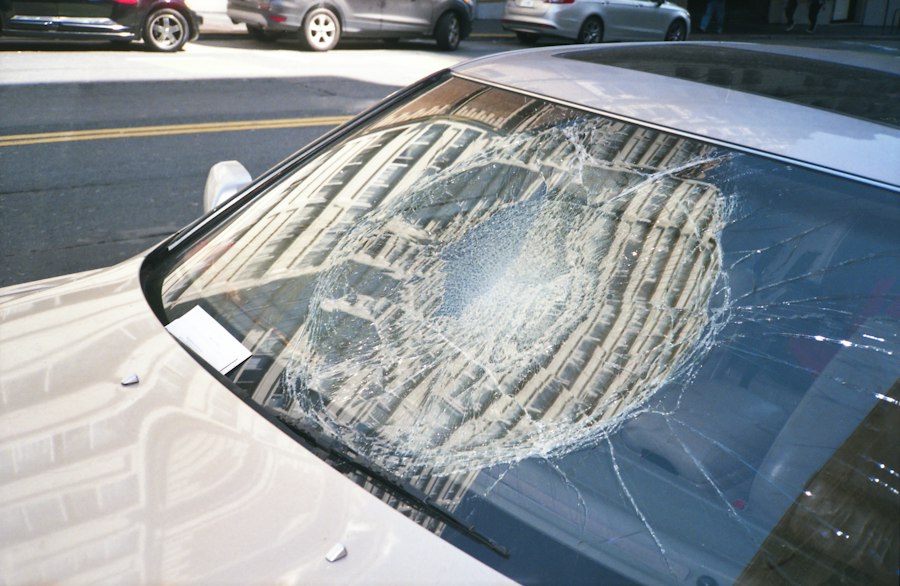
Modern cars are equipped with different types of glass, and this affects how they break. The most common type in side and rear windows is tempered glass. This glass is heat-treated to be much stronger than standard glass. When it breaks, it shatters into thousands of small, relatively blunt pieces, which is a safety feature designed to prevent serious lacerations. Tempered glass is relatively easy to break with a concentrated impact. In contrast, the windshield and sometimes rear windows are made of laminated glass. This consists of two layers of glass with a plastic interlayer in between. Laminated glass is much stronger and is designed to crack rather than shatter, preventing occupants from being ejected in an accident. Breaking laminated glass is significantly more difficult and usually requires repeated, forceful blows to create a large enough opening. For emergency situations involving a trapped occupant, side or rear windows made of tempered glass are the primary targets due to their easier fracture.
Executing the Break Safely and Effectively
Now that you have your tool and have assessed the urgency, it’s time to act. The process of breaking the window requires precision, strength, and a clear understanding of where to strike. Safety for yourself and any potential onlookers is paramount, as is minimizing the risk of injury to the person inside. You want to break the glass quickly and decisively, creating an opening that allows for immediate access. This isn’t about brute force alone; it’s about technique and knowing the vulnerabilities of the glass. The goal is to shatter the glass effectively so it can be removed, not to create a dangerous cascade of sharp shards.
Choosing the Strike Point
The optimal place to strike a car window is typically in a corner. Tempered glass, found in side and rear windows, is weakest at its edges and corners. Applying force to these areas creates a concentrated stress that propagates rapidly through the glass, causing it to shatter. Aim for the lower corner of the window, furthest from the occupant if possible, to minimize the risk of them being hit by flying glass. Avoid striking the center of the window, as this is its strongest point and will require significantly more force, increasing the risk of the tool breaking or you injuring yourself. If you are using an emergency hammer with a pointed tip, a single, firm press in the corner is often all that’s needed. If you’re improvising with a less specialized tool, you might need to strike the corner with a forceful, swinging motion.
The Technique of Breaking
With your chosen strike point identified, it’s time to apply force. If you’re using a dedicated window breaker, place the hardened tip firmly against the chosen corner and apply steady, strong pressure. You may hear a cracking sound as the glass begins to fracture. Continue to apply pressure until the glass shatters. If you are using an improvised tool, such as a metal flashlight or tire iron, grip it firmly and swing with controlled but significant force. The aim is to deliver a sharp, impactful blow to the corner. Don’t be timid; hesitation can lead to less effective breaks and increase your risk of injury. If the first attempt doesn’t shatter the glass completely, be prepared to strike again. Remember to keep your body positioned safely, away from the path of potential flying glass.
Clearing the Opening
Once the window has shattered, it’s crucial to clear the opening to create a safe path for rescue. The remaining glass shards can be extremely sharp and pose a significant danger. Carefully remove any large, loose pieces of glass from the frame. You can use your tool or your gloved hand (if available) to pry away larger fragments. Be cautious of the razor-sharp edges. If possible, try to clear enough space to allow someone to safely reach in and unlock the door from the inside or to assist the occupant in exiting. Be mindful of the jagged edges that will remain. If there are multiple layers of glass (as in a laminated windshield), you may need to work more persistently to create a large enough opening. In such cases, repeated, forceful blows may be necessary. Your primary goal is to create an unhindered and as safe as possible passage for extraction.
Ensuring Post-Break Safety for Occupants and Rescuer
Breaking a car window, while sometimes necessary, introduces new hazards. The primary concern shifts from the initial emergency to the immediate aftermath: ensuring the safety of the rescued individual and yourself from the residual dangers of shattered glass. This is not a step to be rushed or overlooked. The sharp edges and scattered fragments of glass can cause serious injuries if not handled with care. You are now responsible for mitigating these new risks and facilitating a safe transition to further assistance.
Minimizing Exposure to Shards
Once the window is broken and an opening is created, the immediate priority is to protect the occupant and yourself from being cut by the remaining glass. If the occupant is conscious and able, instruct them to remain still and avoid touching the broken window area. If you are reaching into the car, be aware of where the jagged edges are. If possible, use a piece of clothing or a towel to shield the occupant from any dangling shards as you reach for them or the door handle. If you have gloves, wear them. When helping someone out of the vehicle, guide them carefully through the opening, being mindful of the sharp edges. It might be necessary to sweep away some loose glass from the frame with a gloved hand or a suitable object before assisting them.
Providing Immediate Care and Waiting for Professionals
After the occupant has been safely extricated, their well-being remains your top concern. Assess their condition immediately. If they were trapped due to heat, move them to a shaded, cooler area and offer them water if they are conscious and able to drink. If they are injured, particularly from the glass, try to control any bleeding with pressure. Do not attempt to remove deep-seated glass fragments yourself; this should be done by medical professionals. Reassure them and stay with them until emergency services arrive. If the situation involved a fire, ensure they are at a safe distance from the vehicle and any potential hazards. Your role has shifted from rescuer to first responder, providing comfort and initial care until trained medical personnel can take over.
If you ever find yourself in a situation where you need to break a car window, it’s important to know the safest and most effective methods to do so. For a detailed guide on this topic, you can check out a related article that provides valuable insights and techniques. Understanding the right approach can make a significant difference in emergencies, so be sure to read more about it in this helpful resource.
Understanding the Aftermath and Legal Considerations
| Method | Tools Needed | Effectiveness | Safety Considerations | Time Required |
|---|---|---|---|---|
| Using a Center Punch or Hard Object | Center punch, hammer, or hard metal object | High – concentrates force on a small point | Wear gloves and eye protection to avoid injury from glass shards | Less than 1 minute |
| Using a Car Emergency Hammer | Car emergency hammer with pointed tip | Very High – designed specifically for breaking windows | Use protective gloves and cover face to avoid glass cuts | Less than 30 seconds |
| Using a Screwdriver and Hammer | Screwdriver and hammer or heavy object | Moderate – requires precision and force | Wear gloves and eye protection; risk of slipping | 1-2 minutes |
| Using a Rock or Heavy Object | Rock or heavy blunt object | Variable – depends on object weight and force applied | High risk of injury; wear gloves and eye protection | 1-3 minutes |
| Using a Spring-Loaded Center Punch Tool | Spring-loaded center punch | High – designed to shatter tempered glass easily | Wear gloves and eye protection | Less than 30 seconds |
Your actions, though taken with the best intentions, may have legal ramifications. It’s important to be prepared for questions and to understand your rights and responsibilities. The aftermath of breaking a car window in an emergency extends beyond the immediate rescue. Being informed about what to expect can help you navigate the situation with confidence and clarity.
Reporting Your Actions and Liability
In most jurisdictions, you are legally protected if you break a car window to rescue a person or animal from immediate danger and act reasonably and in good faith. However, it’s prudent to report your actions to the authorities. If you’ve called emergency services, they will likely document the incident. If not, consider contacting the local police non-emergency line to inform them of what happened. This creates an official record of your intervention. You may be asked to provide a statement explaining your actions and the circumstances that led you to break the window. This documentation is crucial for demonstrating that your actions were justified and necessary. While Good Samaritan laws are designed to protect you, understanding your local regulations is always advisable.
Documenting the Incident
If possible and safe to do so, document the incident. This could involve taking photos of the car, the condition of the occupant, and the broken window. If there are any witnesses, try to get their contact information. This evidence can be invaluable if any questions arise about the necessity of your actions. A clear and factual record can serve as your defense and demonstrate that you acted responsibly and with a genuine concern for the safety of others. This documentation is not about assigning blame but about providing a clear account of events that supports your decision to intervene.
Repair and Insurance
Once the immediate emergency has passed, the damage to the car will need to be addressed. If the car belongs to someone else, you will likely be responsible for the cost of repair. Many insurance policies have provisions for damage caused during rescue attempts, but this can vary. It’s often a good idea to discuss the situation with your own insurance provider as well, especially if you believe your actions prevented a more significant loss. If you have collected witness information or documented the incident thoroughly, this can help in any insurance claims or discussions regarding repair costs. The priority remains the well-being of the rescued individual, but addressing the logistical and financial aspects of the damage is a necessary part of the process.

Your Car Window Can Keep You In—Even When You Need Out
FAQs
1. Can I break a car window with my bare hands?
It is extremely difficult to break a car window with bare hands due to the strength of the glass. It is not recommended to attempt this as it can result in injury.
2. What tools can be used to break a car window in an emergency?
In an emergency situation, tools such as a spring-loaded center punch, a glass breaker tool, or a ceramic hammer can be used to effectively break a car window.
3. Where is the best place to strike a car window to break it?
The corners or edges of a car window are the weakest points and the best places to strike in order to break the glass. Aim for these areas when attempting to break a car window.
4. Is it legal to break a car window to rescue a pet or child trapped inside?
In many places, it is legal to break a car window to rescue a pet or child trapped inside if there is a genuine concern for their safety. However, it is important to check local laws and regulations regarding this matter.
5. What precautions should be taken when breaking a car window?
When breaking a car window, it is important to protect your hands and eyes from flying glass shards. Wear gloves and safety glasses if possible, and make sure to stand clear of the window once it shatters.