You stand before a sleek, modern microwave oven, a commonplace appliance in your kitchen. You might not realize it, but this unassuming box owes a significant debt to a technology born out of necessity during wartime: radar. The principles that allow your microwave to heat your leftovers with such speed and efficiency are deeply intertwined with the evolution of radar. It’s a story of innovation, serendipity, and a profound shift in how we interact with food, all thanks to the invisible waves that once guided ships and aircraft.
The story of how radar technology revolutionized microwaves begins not in a kitchen, but on the battlefields of World War II. Your understanding of microwaves as a heating tool is a direct descendant of a technology that was crucial for detecting enemy forces.
The Urgent Need for Detection: Radar’s Early Development
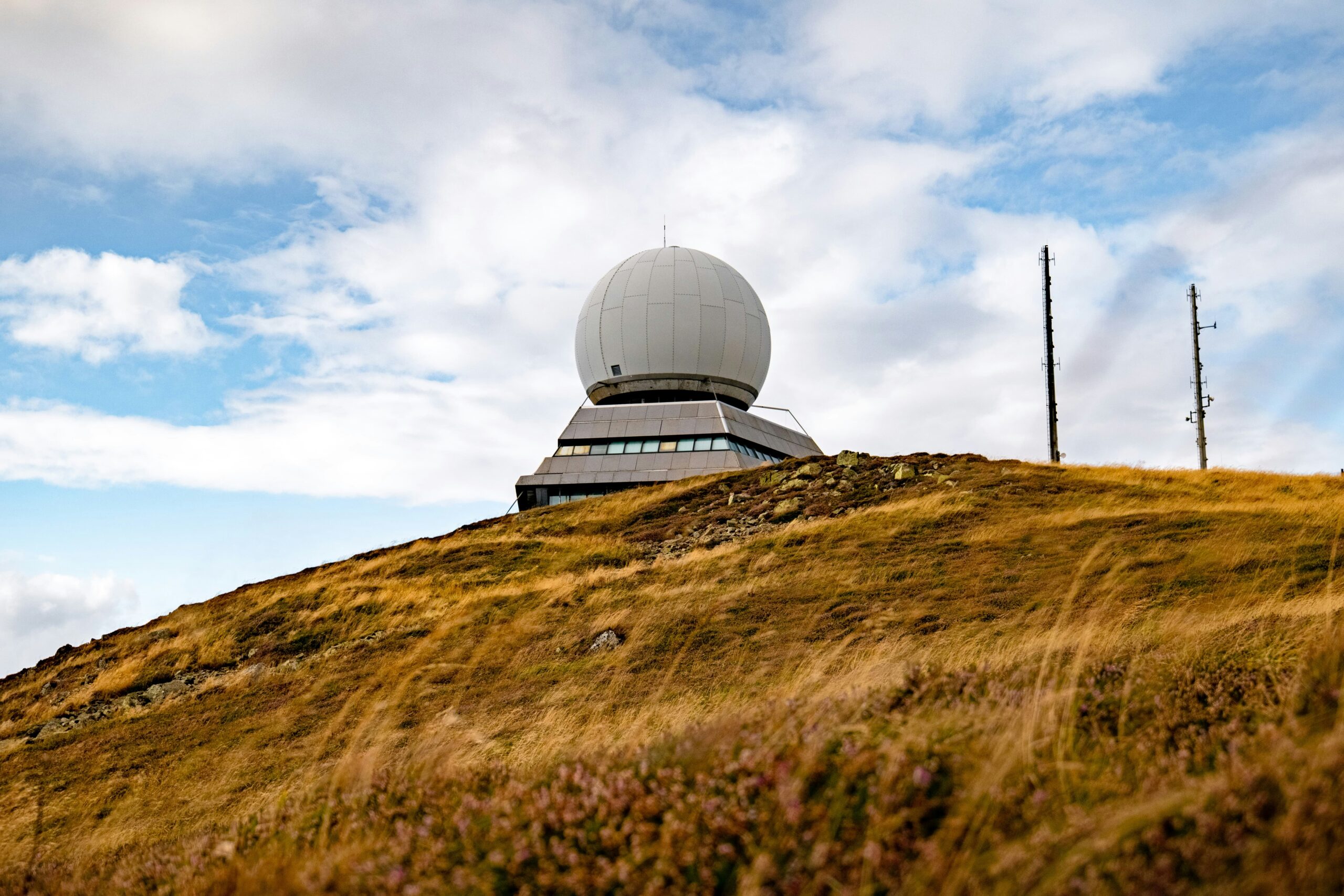
Before you could even imagine a microwave oven, the world was grappling with a desperate need for early warning systems. The rumble of approaching aircraft and the silhouette of submarines lurking beneath the waves posed existential threats. This urgency spurred rapid advancements in a nascent technology: radar. The acronym itself, RAdio Detection And Ranging, tells you its fundamental purpose. It uses radio waves to detect objects and determine their distance, direction, and speed.
The Principles of Radio Waves and Reflection
You see, radar works by emitting radio waves. These waves travel outwards, and when they encounter an object, a portion of them is reflected back towards the radar antenna. The time it takes for the wave to travel to the object and return, combined with the known speed of radio waves (the speed of light), allows the radar system to calculate the distance to the object. Sophisticated processing of these returning echoes provides further information, painting a picture of the surrounding environment.
Early Radar Systems: A Glimpse into the Invisible
The early radar systems were crude by today’s standards, massive and complex machines requiring significant power. But they were revolutionary. They allowed the Allies to detect incoming bomber raids long before they were visible, giving precious time to scramble fighter planes. They enabled the detection of submarines, changing the tide of naval warfare. You can appreciate the sheer impact of seeing what was previously invisible, a capability that directly foreshadows how microwaves would make the unseen process of heating food visible and controllable.
The Unexpected Discovery: The Magnetron and its Heating Power
The true turning point, the serendipitous moment that bridged the gap between radar and your kitchen, lies in a crucial component of radar systems: the magnetron. This ingenious device is responsible for generating the high-frequency radio waves used in radar. And it was while working with a magnetron that a remarkable discovery was made.
Percy Spencer and the Melting Chocolate Bar
The legend, which you might have heard, centers on Percy Spencer, an engineer working at the Raytheon Manufacturing Company in the 1940s. While experimenting with a new, powerful magnetron for radar applications, Spencer noticed something peculiar. He had a candy bar in his pocket, and it had melted. Intrigued, he experimented further, placing popcorn kernels near the magnetron. To his amazement, they popped. This was the first inkling that the high-frequency radio waves emitted by the magnetron could, in fact, generate heat.
Understanding the Mechanism of Microwave Heating
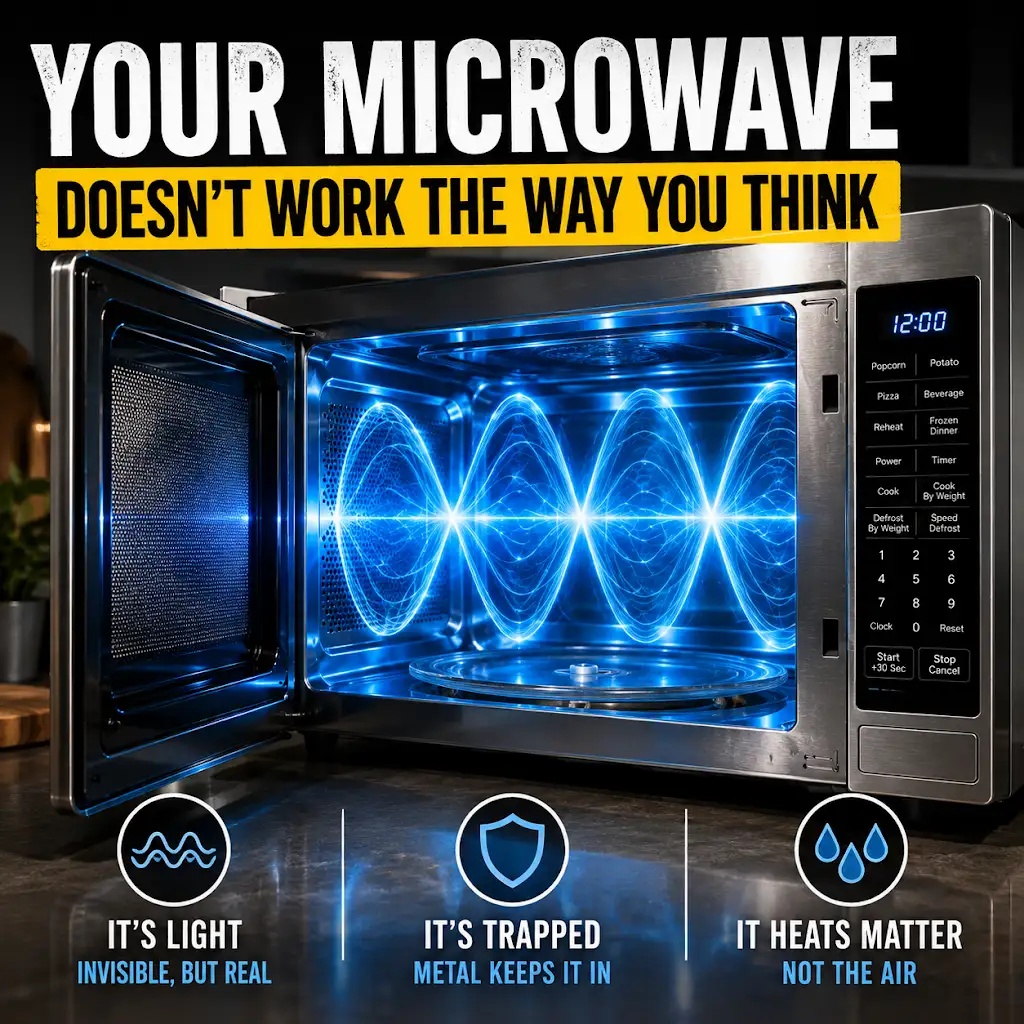
This realization was monumental. You see, the microwaves generated by the magnetron have a specific frequency – typically around 2.45 gigahertz. At this frequency, water molecules, which are abundant in most foods, are particularly susceptible to absorbing the microwave energy. When the microwaves interact with these water molecules, they cause them to vibrate rapidly. This rapid vibration creates friction between the molecules, and this friction is what generates heat, cooking the food from within.
Radar technology, originally developed for military applications during World War II, inadvertently paved the way for the invention of microwave ovens. The discovery that microwave radiation could heat food led to the development of the first commercial microwave oven in the late 1940s. For a deeper understanding of how this fascinating transition occurred, you can read more in the article available at Freaky Science. This article explores the unexpected connections between radar technology and the culinary convenience we enjoy today.
From Radar Waves to Culinary Waves: Adapting the Technology
The discovery of microwave heating was a revelation, but transforming a powerful military radar component into a safe and user-friendly kitchen appliance was a significant engineering challenge. This is where the revolutionary aspect of radar technology truly shines through in its adaptation.
The First Microwave Ovens: Giants of the Kitchen
The initial microwave ovens were far from the compact units you see today. They were enormous, industrial-sized machines designed for commercial use, particularly in places like ships and military bases where fast cooking was a priority. These early models were expensive, bulky, and required dedicated water-cooling systems.
The “Radarange”: A Precursor to Modern Appliances
One of the earliest commercially produced microwave ovens was the “Radarange,” also developed by Raytheon. This was not a microwave oven as you know it. It was a behemoth, weighing over 750 pounds and standing nearly six feet tall. It was primarily used in restaurants and galleys. Imagine trying to fit that in your kitchen! Its design was a direct adaptation of radar technology, emphasizing power and functionality over aesthetics and user-friendliness.
Safety Considerations and Early Challenges
Ensuring the safety of these early devices was paramount. Microwaves, when improperly contained, can be harmful. Engineers had to develop robust shielding to prevent the microwave radiation from escaping the oven. This involved intricate door seals, metal cavities, and careful design to absorb and reflect the waves internally. These early challenges paved the way for the safety standards that are now ingrained in all microwave ovens.
Miniaturization and Domestic Application: Making it Accessible
The dream of bringing this revolutionary cooking method into every home required significant miniaturization and cost reduction. This is where the ingenuity spurred by radar technology continued to be applied.
The Development of Smaller, More Efficient Magnetrons
Engineers worked tirelessly to develop smaller, more efficient magnetrons that could produce the necessary microwave power without the massive size and cooling requirements of their radar counterparts. This miniaturization was a direct technological leap, driven by the desire to make this powerful heating method accessible to the general public.
Redesigning for the Home Kitchen
Beyond the magnetron, the entire oven design had to be re-envagined. The bulky industrial units were replaced with more compact, aesthetically pleasing appliances. Features like turntables were introduced to ensure more even cooking, addressing one of the initial limitations of early microwave ovens. The focus shifted from raw power to controlled, efficient, and safe heating for domestic use.
The Science Behind the Speed: How Radar Principles Translate to Fast Cooking

The speed and efficiency with which your microwave cooks are not magic; they are a direct result of applying the principles of electromagnetic radiation that underpin radar technology.
Penetration and Volumetric Heating: Cooking from the Inside Out
Unlike conventional ovens that heat food from the outside in through conduction and convection, microwaves cook food differently. You can observe this by how evenly and quickly your food heats up.
The Dielectric Heating Mechanism
As mentioned earlier, the microwaves are absorbed by water molecules within the food. This process, known as dielectric heating, causes the water molecules to oscillate at very high frequencies. This rapid oscillation creates friction at a molecular level, generating heat throughout the food almost simultaneously. This volumetric heating is the key to the microwave’s speed.
Contrast with Conventional Cooking Methods
Think about baking a cake in a conventional oven. The heat from the oven elements transfers through the air to the outside of the cake, gradually cooking its way inwards. This takes time. Your microwave, on the other hand, excites the water molecules within the cake, leading to much faster cooking times. This principle, derived from understanding how radio waves interact with matter, is what makes your microwave so revolutionary.
Microwave Cavity Design and Wave Propagation: Directing the Energy
The metal interior of your microwave oven is not just for aesthetics; it plays a crucial role in directing and containing the microwave energy. This design is directly influenced by the principles of wave propagation learned from radar.
The Faraday Cage Effect
The metal walls of your microwave oven act as a Faraday cage. This means that any electromagnetic waves produced inside the oven are contained within it. This is essential for both safety, preventing radiation from escaping, and efficiency, ensuring that the energy is focused on heating your food.
Waveguides and Reflectors: Optimizing Energy Distribution
In more sophisticated radar systems, waveguides are used to direct the emitted radio waves. While not as complex in a microwave oven, the metal cavity itself, along with the placement of the magnetron and the stirrer fan (or turntable), are designed to distribute the microwave energy as evenly as possible throughout the cooking chamber. This ensures that your food is cooked more uniformly, minimizing hot and cold spots, a refinement that builds upon the understanding of how to control and direct electromagnetic waves.
Beyond the Kitchen: Radar’s Influence on Other Microwave Applications

The revolution brought about by radar technology’s adaptation to microwaves extends far beyond your kitchen. The fundamental understanding of microwave energy and its applications has spawned a range of technologies that you might encounter in various aspects of your life.
Industrial and Scientific Applications: Expanding the Reach
The principles that make your microwave cook food so quickly have been harnessed for a variety of industrial and scientific purposes.
Microwave Sterilization and Pasteurization
In the food industry, microwaves are used for rapid sterilization and pasteurization of food products. This can be a more efficient and less time-consuming method than traditional heat treatments, preserving more of the food’s nutritional value and flavor. Imagine the implications for food safety and shelf life, all stemming from the same fundamental understanding of microwave energy.
Material Processing and Curing
Microwaves are also employed in various material processing applications, such as curing polymers and ceramics, drying materials, and even in some forms of welding. The ability to rapidly and precisely heat materials opens up new possibilities in manufacturing and research.
Medical Applications: A Healing Touch
Perhaps one of the most profound impacts of this technology lies in the medical field.
Microwave Ablation Therapy
One of the most significant medical applications is microwave ablation therapy. This non-invasive procedure uses microwaves to heat and destroy cancerous tumors or other abnormal tissues. The precise control over microwave energy allows surgeons to target specific areas with minimal damage to surrounding healthy tissue. This is a life-saving application born from the very same principles that heat your popcorn.
Hyperthermia Treatment
Microwaves are also used in hyperthermia treatment, where the body is heated to specific temperatures to help fight diseases like cancer. This can enhance the effectiveness of other treatments like radiation therapy and chemotherapy. The ability to precisely control and deliver heat through microwave energy is a testament to the advanced understanding developed through radar research.
Radar technology has played a significant role in the development of everyday appliances, most notably the microwave oven. The invention of the microwave oven was a serendipitous result of radar engineers experimenting with high-frequency electromagnetic waves during World War II. These engineers discovered that the microwaves emitted from radar equipment could heat food quickly and efficiently. For a deeper understanding of this fascinating connection between radar and cooking, you can explore this related article on Freaky Science, which delves into the science behind microwave technology and its impact on modern culinary practices.
The Enduring Legacy: A Revolution Built on Invisible Waves
“`html
| Year | Event |
|---|---|
| 1945 | Percy Spencer discovers microwave heating effect from radar equipment |
| 1947 | Raytheon introduces the first commercial microwave oven, the “Radarange” |
| 1967 | Sharp introduces the first microwave oven with a turntable |
| 1970s | Microwave ovens become more affordable and popular in households |
“`
You might never have considered the intricate history behind your microwave oven, but its existence is a testament to a remarkable journey of scientific discovery and technological adaptation. Radar, born out of wartime necessity, unexpectedly gifted us a revolutionary way to cook.
The Interconnectedness of Innovation: From Warfare to Wellness
The story of radar and microwaves highlights the interconnectedness of scientific fields. An innovation developed for one purpose can have unforeseen and transformative applications in entirely different domains. You benefit daily from this cross-pollination of ideas, a testament to human ingenuity.
The Unforeseen Benefits of Military Research
Much of the fundamental research that underpins modern technologies, including radar and subsequently microwaves, was driven by military necessity. While the initial applications were for defense, the advancements often lead to significant civilian benefits, improving our quality of life in ways that were unimaginable at the time of their inception.
The Future of Microwave Technology: Continued Evolution
The evolution of microwave technology is far from over. Researchers are continually exploring new ways to refine and expand its applications.
Enhancing Efficiency and Precision
Future microwave ovens might become even more energy-efficient, with smarter sensors that can detect the moisture content of food and adjust the heating process accordingly for optimal results. The precision with which microwave energy can be delivered will likely continue to improve, leading to even more controlled and nuanced cooking.
New Frontiers in Microwave Applications
As our understanding of microwave physics deepens, we can expect to see even more innovative applications emerge in various sectors, from advanced manufacturing to new forms of medical treatment. The invisible waves that once helped us detect distant threats are now integral to how we live, eat, and even heal. You can thank radar technology for that revolution.
Your Microwave Doesn’t Work the Way You Think
FAQs
What is radar technology and how does it work?
Radar technology is a system that uses radio waves to detect the presence, direction, distance, and speed of objects such as aircraft, ships, and weather formations. It works by emitting radio waves and then detecting the reflected waves from the target object.
How did radar technology lead to the creation of microwave ovens?
During World War II, radar technology was being developed and used extensively. Percy Spencer, an engineer working on radar equipment, noticed that a candy bar in his pocket had melted while he was working with a radar magnetron. This observation led to the development of the first microwave oven.
What is a microwave oven and how does it work?
A microwave oven is a kitchen appliance that cooks or heats food by using microwave radiation to excite the water, fat, and sugar molecules in the food. This excitation causes the molecules to vibrate and generate heat, which cooks the food quickly and efficiently.
What are the benefits of using microwave ovens in the kitchen?
Microwave ovens offer several benefits, including faster cooking times, energy efficiency, and the ability to heat or cook food without heating up the surrounding environment. They are also convenient for reheating leftovers and defrosting frozen foods.
Are there any safety concerns associated with microwave ovens and their use of radar technology?
When used according to the manufacturer’s instructions, microwave ovens are safe for cooking and heating food. However, it is important to follow safety guidelines, such as using microwave-safe containers and avoiding metal objects in the oven, to prevent accidents or damage to the appliance.