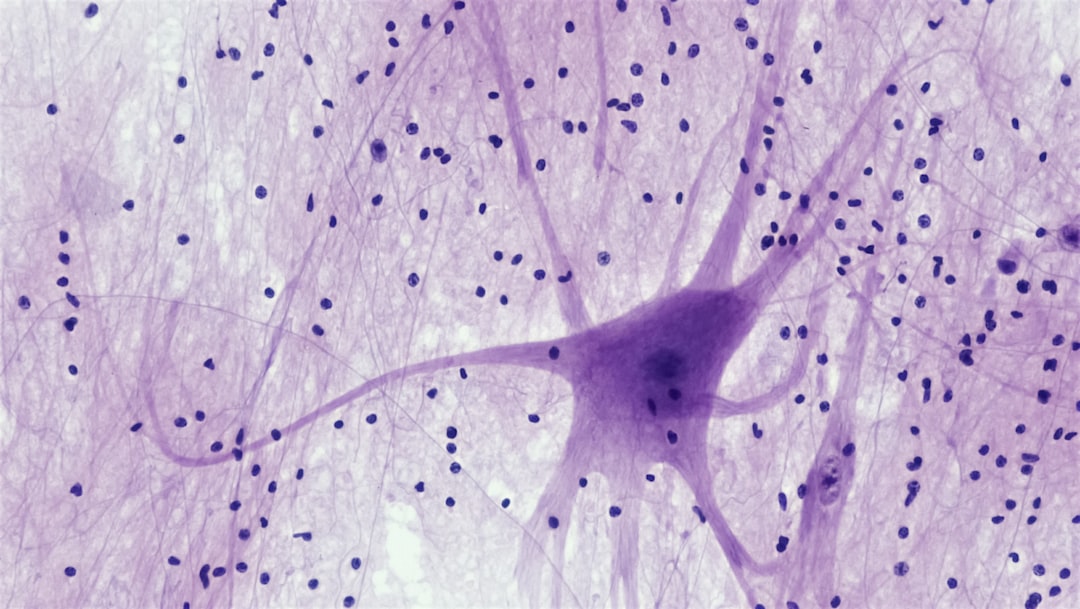
The insidious spread of prions within the brain represents a profound challenge to neurological health. These infectious agents, unlike conventional pathogens such as bacteria or viruses, are misfolded proteins that possess the remarkable ability to induce conformational changes in their normally folded counterparts. This self-perpetuating cycle of misfolding can lead to an accumulation of abnormal prion proteins, ultimately triggering neuronal dysfunction and death. Unraveling the intricate mechanisms by which prions embark on their destructive journey through the brain is crucial for developing effective therapeutic strategies. This article delves into the current understanding of prion propagation, exploring the key pathways and molecular players involved.
The life cycle of a prion begins with a protein that exists in a healthy, functional form within the body.
The Cellular Prion Protein ($PrP^C$): A Biological Enigma
- The cellular prion protein, or $PrP^C$, is a naturally occurring glycoprotein found on the surface of neurons and other cells. Its precise physiological function remains a subject of active research, but it is believed to play roles in synaptic plasticity, neuronal development, and copper metabolism. $PrP^C$ possesses a well-defined three-dimensional structure characterized by alpha-helices and few beta-sheets. This specific folding pattern renders it soluble and susceptible to degradation by cellular proteases.
- The gene encoding $PrP^C$ is known as the PRNP gene. Variations within this gene can predispose individuals to certain prion diseases, highlighting a genetic component in susceptibility.
The Transformative Event: Misfolding and the Birth of a Prion
- The crucial step in prion formation is the conversion of the normal $PrP^C$ into its abnormally folded isoform, denoted as $PrP^{Sc}$ (scrapie form). This conversion process is not driven by replication, as seen with genetic material, but rather by a templating mechanism. A single $PrP^{Sc}$ molecule acts as a seed, inducing a conformational change in adjacent $PrP^C$ molecules.
- The structural hallmark of $PrP^{Sc}$ is a significant increase in beta-sheet content. This alteration renders the protein insoluble, resistant to enzymatic degradation, and prone to aggregation. Think of it as a perfectly functioning cog in a machine encountering a warped counterpart; the warped cog then begins to deform the cogs it touches, disrupting the entire mechanism.
Recent research has shed light on the mechanisms by which prions spread in the brain, revealing the intricate processes that allow these misfolded proteins to propagate and cause neurodegenerative diseases. For a deeper understanding of this phenomenon, you can read a related article that discusses the latest findings in prion research and their implications for brain health. To explore this topic further, visit Freaky Science.
Mechanisms of Prion Propagation: A Cascade of Corruption
Once generated, the misfolded $PrP^{Sc}$ begins its insidious spread throughout the brain, a process that is far from random.
Direct Templating: The Primary Engine of Replication
- The dominant mechanism for prion propagation is believed to be direct templating. In this model, a $PrP^{Sc}$ molecule interacts with a $PrP^C$ molecule, forcing the latter to refold into the $PrP^{Sc}$ conformation. This newly formed $PrP^{Sc}$ can then go on to convert more $PrP^C$, leading to an exponential increase in the abnormal prion protein.
- This process can be visualized as a chain reaction, where each misfolded protein acts as a catalyst for the misfolding of others. The efficiency of this templating process is influenced by factors such as the specific prion strain, the cellular environment, and the relative abundance of $PrP^C$.
The Role of Proteolytic Resistance
- A key characteristic of $PrP^{Sc}$ is its resistance to degradation by cellular proteases, enzymes that normally break down proteins. This resistance is a direct consequence of its altered structure, particularly the increased beta-sheet content, which shields it from enzymatic attack.
- This resistance allows $PrP^{Sc}$ to accumulate within cells and in the extracellular space, forming aggregates that can disrupt cellular function. Imagine a dam that resists the natural flow of water; the water (cellular proteins) builds up, causing pressure and potential collapse.
Aggregation and Fibril Formation: Building Blocks of Neurodegeneration
- As $PrP^{Sc}$ molecules accumulate, they begin to self-associate, forming oligomers, protofibrils, and eventually, larger fibrillar structures. These aggregates can range in size and morphology, and their formation is a critical step in the pathogenesis of prion diseases.
- These aggregates are thought to exert their toxic effects through multiple mechanisms, including disrupting cellular membranes, interfering with protein trafficking, and inducing oxidative stress. The sheer physical presence of these insoluble protein deposits can choke cellular processes.
Cellular Pathways of Prion Spread: Navigating the Neuronal Landscape
The journey of prions within the brain is not confined to a single neuronal compartment; rather, it involves a complex interplay of intracellular and intercellular transport mechanisms.
Endocytosis and Exocytosis: The Cellular Highway
- Prions are known to interact with cell membranes, and endocytosis – the process by which cells take in material from their external environment – is believed to be a significant route for prion entry into cells.
- Once inside the cell, prions can be transported within endosomal compartments. The mechanisms by which they then egress from cells to infect neighboring neurons remain an active area of research, but exocytosis, the process of releasing substances from a cell, is a plausible pathway for extracellular prion release.
Synaptic Transmission: The Neuronal Connector
- Neurons communicate with each other at specialized junctions called synapses. Prions have been observed to accumulate at synapses, suggesting that these crucial connection points play a vital role in their spread.
- The unidirectional nature of synaptic signaling may facilitate the directional propagation of prions from one neuron to another. As an electrical signal travels across the synapse, carrying neurotransmitters, a “packet” of prions could potentially hitch a ride.
Intercellular Highways: Beyond the Synapse
- While synaptic transmission is a key route, prions are not limited to this pathway. Evidence suggests that prions can also spread between neurons from their cell bodies or axons, a process that might occur more slowly but still contributes to widespread neurodegeneration.
- Mechanisms such as retrograde transport along axons or passage through the extracellular space are being investigated as potential routes for non-synaptic spread. This highlights that the brain is not a collection of isolated islands but a connected continent, and prions can navigate various terrains.
The Impact of Prions on Neuronal Function: A Slow Decay
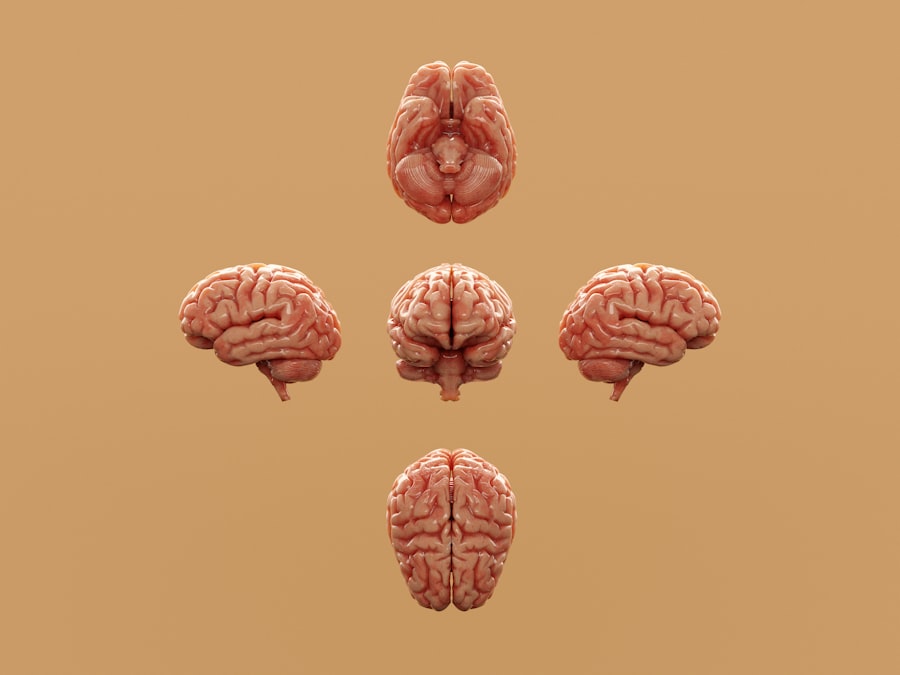
The accumulation of misfolded prions triggers a cascade of detrimental events that ultimately lead to neuronal death and the characteristic spongiform changes seen in prion diseases.
Disruption of Cellular Homeostasis: A System Under Siege
- The aggregation of $PrP^{Sc}$ can interfere with essential cellular processes, including protein degradation pathways, calcium homeostasis, and mitochondrial function. This disruption of the cell’s internal balance creates a hostile environment for neuronal survival.
- When a cell’s internal systems are thrown into disarray, it becomes vulnerable to collapse, much like a meticulously organized library in which books are piled haphazardly.
Oxidative Stress and Inflammation: The Body’s Response Gone Awry
- The presence of misfolded proteins can trigger oxidative stress, a state of imbalance between the production of reactive oxygen species and the cell’s ability to neutralize them. This can lead to damage to cellular components, including DNA and proteins.
- Furthermore, the accumulation of prions can elicit an inflammatory response within the brain, involving activation of glial cells. While inflammation is a protective mechanism, chronic activation can contribute to neuronal damage.
Neuronal Death: The Inevitable Outcome
- The cumulative effects of prion-induced cellular dysfunction, oxidative stress, and inflammation ultimately lead to programmed cell death (apoptosis) or other forms of neuronal demise.
- As neurons die, characteristic vacuolation, or sponge-like holes, appears in the brain tissue, a hallmark pathological feature of transmissible spongiform encephalopathies (TSEs). This loss of brain tissue results in the progressive neurological decline observed in affected individuals.
Recent studies have shed light on the mechanisms by which prions spread in the brain, revealing how these misfolded proteins can induce similar changes in neighboring healthy proteins. This fascinating process not only contributes to our understanding of neurodegenerative diseases but also opens up potential avenues for therapeutic interventions. For more detailed insights into this topic, you can explore a related article that discusses the implications of prion behavior in the brain. Check it out here.
Therapeutic Strategies: A Fight Against a Formidable Foe
| Metric | Description | Value/Range | Unit | Notes |
|---|---|---|---|---|
| Prion propagation rate | Speed at which prions convert normal proteins into misfolded form | 0.1 – 1.0 | per day | Varies by prion strain and brain region |
| Axonal transport speed | Rate of prion movement along neurons | 1 – 10 | mm/day | Depends on neuron type and direction (anterograde/retrograde) |
| Incubation period | Time from infection to clinical symptoms | months to years | variable | Influenced by prion strain and host genetics |
| Prion concentration in brain regions | Amount of prion protein aggregates | 10^3 – 10^6 | particles/mg tissue | Higher in affected regions like hippocampus and cortex |
| Synaptic transmission involvement | Role of synapses in prion spread | High | qualitative | Prions spread trans-synaptically between neurons |
The unique nature of prions, being misfolded proteins rather than replicating organisms, presents significant challenges for therapeutic intervention.
Targeting $PrP^C$ Expression: Reducing the Substrate
- One strategy under investigation is to reduce the expression of the normal cellular prion protein, $PrP^C$. If there is less substrate available for conversion, the replication of $PrP^{Sc}$ could be slowed or halted.
- This can be approached through techniques such as RNA interference (RNAi) or the development of antisense oligonucleotides, which can selectively degrade messenger RNA molecules that encode $PrP^C$.
Inhibiting Prion Conversion: Blocking the Templating Machinery
- Another avenue of research focuses on developing inhibitors that can block the interaction between $PrP^C$ and $PrP^{Sc}$, thereby preventing the templating process.
- Small molecules and antibodies are being explored for their ability to bind to either $PrP^C$ or $PrP^{Sc}$, interfering with the conformational conversion. This is akin to developing a special lock that prevents the warped cog from engaging with the healthy ones.
Enhancing Proteostasis: Aiding Cellular Cleanup
- Given the role of protein aggregation in prion pathogenesis, strategies aimed at enhancing the cell’s natural protein quality control mechanisms, known as proteostasis, are also being investigated.
- This could involve promoting the activity of chaperone proteins, which assist in proper protein folding, or stimulating cellular pathways responsible for clearing misfolded and aggregated proteins. It’s like bolstering the janitorial staff of the cell to deal with the accumulating mess.
The fight against prion diseases is a complex and ongoing battle. Continued research into the fundamental mechanisms of prion propagation in the brain, from their genesis to their devastating impact on neuronal function, offers the most promising path toward developing effective therapies and ultimately, overcoming these devastating neurodegenerative disorders.
FAQs
What are prions and how do they affect the brain?
Prions are misfolded proteins that can induce other normal proteins in the brain to also misfold, leading to brain damage. They are responsible for a group of fatal neurodegenerative diseases known as transmissible spongiform encephalopathies (TSEs), which include Creutzfeldt-Jakob disease in humans and mad cow disease in cattle.
How do prions spread within the brain?
Prions spread in the brain by converting normal prion proteins into the misfolded, disease-causing form. This process propagates the abnormal protein structure, which accumulates and causes neuronal damage. The spread occurs through neural pathways, moving from one brain region to another.
Can prions spread from one individual to another?
Yes, prions can be transmitted between individuals through contaminated tissue, medical procedures, or consumption of infected material. However, natural transmission between humans is extremely rare, and most cases arise from inherited mutations or spontaneous misfolding.
What symptoms result from prion diseases in the brain?
Prion diseases typically cause rapid neurodegeneration, leading to symptoms such as memory loss, personality changes, impaired coordination, and dementia. As the disease progresses, it results in severe brain damage and is ultimately fatal.
Are there any treatments to stop prion spread in the brain?
Currently, there are no effective treatments to halt or reverse prion diseases. Research is ongoing to understand prion propagation mechanisms better and to develop therapies that can prevent prion replication or protect brain cells from damage.