
Unlocking Culinary Speed: The Physics Behind a Faster Feast
The humble pressure cooker, often relegated to the back of the cupboard, is a marvel of applied physics, a culinary alchemist that can dramatically reduce cooking times. Its transformative power lies in a fundamental scientific principle: the relationship between pressure and the boiling point of water. By trapping steam, a pressure cooker creates an environment of significantly higher pressure than the ambient atmosphere. This elevated pressure, in turn, elevates the boiling point of water from its standard 100°C (212°F) to well over 120°C (250°F). This seemingly simple alteration has profound implications for the cooking process. Water, when heated to these higher temperatures, becomes a far more efficient heat transfer medium. The superheated water and steam penetrate food more rapidly, breaking down tough fibers and tenderizing ingredients at an accelerated rate. Consider the difference between a slow braise that might take hours and a pressure-cooked stew that achieves similar tenderness in a fraction of the time. This isn’t magic; it’s thermodynamics at play. The increased kinetic energy of water molecules at higher temperatures means they collide more vigorously with food particles, facilitating the breakdown of complex carbohydrates and proteins. This rapid molecular interaction is the core of why pressure cooking is so effective. It allows for the swift execution of dishes that traditionally demand extended periods of simmering or braising, opening up a world of weeknight-friendly gourmet meals. The science is elegant: a confined space, a phase change of water to steam, and the resulting surge in temperature and cooking efficiency.
The Thermodynamics of Trapped Steam
At the heart of the pressure cooker’s efficiency is the behavior of steam. When water is heated within a sealed vessel, it begins to evaporate, turning into steam. In an open pot, this steam would escape into the atmosphere, carrying heat with it and allowing the water to remain at its normal boiling point. However, in a pressure cooker, the lid is designed to seal tightly, preventing the steam from escaping. As more water turns to steam, the volume of the vessel starts to fill with this gaseous state of water. Since the steam cannot escape, it begins to compress, and this compression leads to an increase in pressure inside the cooker. According to Dalton’s Law of Partial Pressures, the total pressure in a closed system is the sum of the partial pressures of all the gases present. In this case, the primary gas is steam. As the pressure builds, it exerts a force on the surface of the liquid water. This increased external pressure makes it more difficult for water molecules to escape into the gaseous phase. To overcome this greater resistance, the water needs to absorb more energy, meaning its temperature must rise above the standard boiling point of 100°C. This concept is directly related to the Clausius-Clapeyron relation, which describes the relationship between vapor pressure and temperature. The higher the pressure, the higher the temperature required for boiling.
Accelerating Molecular Interactions
The consequence of this elevated boiling point is a dramatic acceleration of chemical and physical changes within the food. At temperatures above 100°C, the breakdown of connective tissues in meats, the softening of vegetables, and the rehydration of dried ingredients occur at a significantly faster pace. For instance, collagen, the primary protein in connective tissue, begins to break down into gelatin at temperatures around 70°C. However, at the higher temperatures achievable in a pressure cooker, this process is considerably hastened. This rapid gelatinization contributes to the succulence and tenderness of meats. Similarly, starches in grains and legumes absorb water and swell more readily at higher temperatures, leading to quicker cooking times for dishes like beans and rice. The increased kinetic energy of the water molecules at these elevated temperatures allows them to penetrate the food matrix more effectively, delivering heat and facilitating the chemical reactions that transform raw ingredients into cooked ones. This isn’t just about heat; it’s about heat delivered more intensely and efficiently. The trapped steam acts as a powerful conduit for this energy, permeating the food from all sides.
The fascinating science behind pressure cooking not only transforms the way we prepare meals but also reshapes our understanding of culinary techniques. By harnessing the principles of physics and chemistry, pressure cookers allow us to cook food faster while preserving nutrients and enhancing flavors. For a deeper dive into the science that underpins this innovative cooking method, you can read a related article that explores the intricacies of pressure cooker technology and its impact on modern cooking practices. Check it out here: Freaky Science.
Mastering the Mechanism: How Pressure Cookers Work
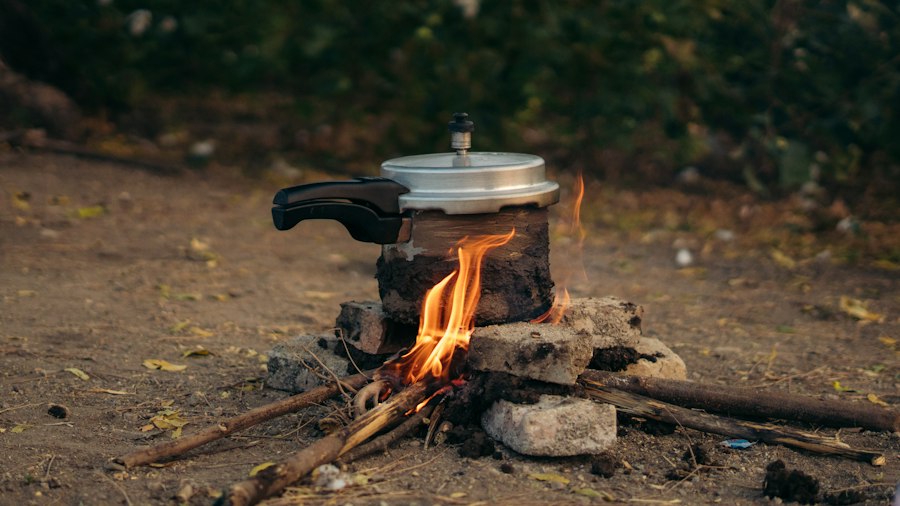
Understanding the basic components and their functions within a pressure cooker is crucial to appreciating its scientific prowess. These appliances are engineered with specific features to safely and effectively harness the power of steam under pressure. The core of the device is the sealed pot, typically made of robust metal like stainless steel or aluminum, designed to withstand significant internal pressure. The lid, also a critical component, features a locking mechanism that ensures a tight seal during operation. Integrated into the lid are safety valves, which are paramount for the cooker’s safe use. These valves are designed to release excess steam if the pressure exceeds a predetermined safe limit, preventing catastrophic failure. The pressure regulator, often a weight or a spring-loaded valve, is another key element that controls the internal pressure, maintaining it at the desired level for optimal cooking. The interplay of these components creates a controlled environment where the magic of pressure cooking can unfold.
The Sealed Vessel: A Controlled Environment
The fundamental principle of a pressure cooker relies on its ability to create a sealed environment. The pot itself is constructed from durable materials that can tolerate the increased pressure without deforming or rupturing. This is not simply a pot with a lid; it’s an engineered system designed for high-pressure operation. The lid of a pressure cooker is not just a cover; it’s an integral part of the pressure-building mechanism. It fits snugly and is secured with a robust locking system, often involving clamps or a bayonet-style closure. This seal is what prevents steam from escaping. As water inside the cooker is heated, it turns into steam, which occupies a larger volume than the liquid water. Because the steam is trapped within the sealed vessel, its volume is constrained. According to Boyle’s Law of Gases, at a constant temperature, the pressure and volume of a gas are inversely proportional. Therefore, as the steam tries to expand but is confined, the pressure inside the cooker begins to rise significantly above atmospheric pressure. This controlled confinement is the first step in creating the high-temperature cooking environment.
Safety Valves and Regulators: The Guardians of Pressure
The operation of a pressure cooker involves inherent risks if not managed properly, and this is where the safety mechanisms come into play. The most visible safety feature is the pressure-release valve. This valve is typically a spring-loaded mechanism that is calibrated to open and vent steam when the internal pressure reaches a critical point. This prevents the pressure from building to dangerous levels that could compromise the integrity of the cooker. Another crucial component is the pressure regulator. This can take various forms, from a simple weighted valve that jiggles to indicate pressure, to a more sophisticated spring-loaded mechanism. The regulator’s primary function is to maintain a consistent cooking pressure. Once the desired pressure is reached, the regulator allows excess steam to escape at a controlled rate, keeping the pressure steady. This steady pressure is what allows for consistent cooking temperatures. Without these safety features, the uncontrolled buildup of steam could lead to a potentially hazardous situation. Their presence transforms the pressure cooker from a dangerous device into a reliable and efficient culinary tool.
The Gasket: The Unsung Hero of the Seal
The gasket, often made of rubber or silicone, is a critical yet often overlooked component in a pressure cooker’s operation. Its role is to provide a flexible, airtight seal between the pot and the lid. Without a perfect seal, steam would leak out, preventing the necessary pressure buildup and defeating the purpose of the appliance. The gasket compresses when the lid is locked in place, filling any microscopic gaps and ensuring that the steam generated during heating remains contained. The material of the gasket is important; it must be able to withstand high temperatures and pressures without degrading or losing its sealing properties. Over time, or with improper care, gaskets can become worn, brittle, or damaged, leading to steam leaks. This is why regular inspection and replacement of the gasket are essential for the safe and effective functioning of a pressure cooker. A worn gasket can not only compromise cooking performance but also pose a safety risk by allowing steam to escape erratically.
Transforming Culinary Horizons: Speed, Versatility, and Flavor

The scientific principles at play in a pressure cooker translate directly into tangible benefits for the home cook, extending far beyond mere speed. The ability to cook ingredients faster opens up new possibilities for meal planning and preparation, while the unique cooking environment can enhance flavors and textures in ways that traditional methods often cannot. From tenderizing tough cuts of meat to perfectly cooking grains and legumes, the pressure cooker proves to be an incredibly versatile tool that can elevate everyday cooking. Its efficiency also makes it an environmentally conscious choice, consuming less energy due to reduced cooking times.
Rapid Reduction of Cooking Times
The most immediate and obvious benefit of pressure cooking is the dramatic reduction in cooking times. This is a direct consequence of the elevated temperatures achieved within the sealed environment. For example, dishes that might normally take several hours to braise, such as pot roasts or beef stew, can often be prepared in under an hour under pressure. Dried beans, which typically require overnight soaking and lengthy simmering, can be cooked to perfection in a fraction of the time. Grains like brown rice or steel-cut oats, which can be notoriously slow to cook, become surprisingly quick. This speed is invaluable for busy individuals and families who want to enjoy home-cooked meals without spending hours in the kitchen. It empowers cooks to tackle more ambitious recipes on weeknights, transforming once time-prohibitive dishes into accessible options. This is not about sacrificing quality for speed; it’s about leveraging science to achieve culinary excellence efficiently.
Enhanced Flavor and Texture Development
The high-pressure, high-temperature environment of a pressure cooker can actually enhance the development of flavors and textures. The rapid cooking process locks in moisture and nutrients, resulting in more succulent meats and vibrant vegetables. The intense heat also promotes the Maillard reaction, a complex chemical process responsible for the browning and delicious savory flavors in cooked foods, at an accelerated rate. For meats, the rapid breakdown of connective tissues creates a tender, melt-in-your-mouth texture that is difficult to achieve through other methods without extended cooking times. In dishes like soups and stews, the sealed environment allows aromatic compounds to meld and intensify, leading to a richer, more complex flavor profile. Furthermore, the efficient cooking of legumes and grains ensures they are perfectly tender and creamy, rather than mushy or undercooked. This culinary transformation is a direct result of the scientific conditions created within the cooker, allowing ingredients to reach their optimal flavor and textural potential more quickly.
Unlocking New Culinary Possibilities: From Grains to Greens
The versatility of the pressure cooker extends to a wide array of ingredients and dishes. Beyond the common applications of meats and stews, it excels at cooking grains and legumes to perfection. Quinoa, farro, lentils, and even tougher beans like chickpeas and black beans are transformed from time-consuming to effortlessly prepared. This makes it an invaluable tool for those seeking to incorporate more plant-based proteins and whole grains into their diet. Vegetables also benefit from pressure cooking. While it’s crucial not to overcook them, a brief period under pressure can tenderize even fibrous vegetables like broccoli stalks or asparagus, retaining their vibrant color and nutrients. Soups and broths are another area where pressure cookers shine. The rapid infusion of flavors from bones and aromatics results in a deeply flavorful and satisfying broth in significantly less time. Even desserts can benefit; custards and cheesecakes can be cooked gently and evenly, resulting in a silky smooth texture. The pressure cooker’s ability to handle such a diverse range of ingredients truly expands the home cook’s culinary repertoire.
Navigating the Pressure Cooker: Safety and Best Practices
While the science behind pressure cooking is fascinating, safety is paramount. These appliances operate under pressure, and understanding proper usage is essential to prevent accidents. This involves familiarizing oneself with the specific model, ensuring all components are in good working order, and following established guidelines for filling, cooking, and releasing pressure. By adhering to these best practices, cooks can confidently harness the power of pressure cooking to create delicious meals safely and efficiently.
Understanding Your Specific Model: The User Manual is Key
Every pressure cooker is designed with its own unique set of features and operating procedures. The user manual is not merely a suggestion; it is the definitive guide to safe and effective use for your specific appliance. It will detail how to correctly assemble the cooker, the proper way to lock the lid, the function of each valve and regulator, and the recommended cooking times for various ingredients. It will also outline the specific procedures for natural pressure release, quick release, and when to use each. Familiarizing yourself with these instructions before your first use, and referring back to them as needed, is the most critical step in ensuring safety. Many models have visual cues or audible signals to indicate pressure levels or readiness, and understanding these signals is part of mastering your cooker. Neglecting to read and understand the manual can lead to improper use, inefficient cooking, and potentially dangerous situations.
Filling and Sealing: The Foundation of Success
The way a pressure cooker is filled and sealed directly impacts its performance and safety. Most pressure cookers have a minimum and maximum fill line. It is crucial not to overfill the pot, as this can block the pressure release valves and prevent proper steam circulation, leading to dangerous pressure buildup. Conversely, underfilling can result in food drying out or scorching. When sealing the lid, ensure it is properly aligned and locked according to the manufacturer’s instructions. A loose or improperly sealed lid will prevent the pressure from building, rendering the cooking process ineffective and potentially allowing steam to escape in uncontrolled bursts. Before locking the lid, it’s also good practice to check the gasket for any debris or damage that might impede a perfect seal. Many cookers will have a distinct “click” or a visual indicator to confirm that the lid is securely locked.
Pressure Release: A Controlled Transition
Once cooking is complete, the method of releasing the pressure is as important as the cooking process itself. There are typically two primary methods: natural release and quick release. Natural release involves allowing the pressure to dissipate on its own as the cooker cools. This is often recommended for foods that benefit from continued gentle cooking, such as tough cuts of meat or beans, as it helps to tenderize them further and prevent them from falling apart. Quick release, on the other hand, involves manually opening the pressure release valve to vent steam rapidly. This is generally used for foods that can become overcooked if left to sit under pressure, such as vegetables or delicate grains. It is essential to understand which release method is appropriate for your dish and to exercise extreme caution during quick release, as the escaping steam is very hot and can cause severe burns. Always stand back and keep hands and face away from the steam vent during this process. Some cookers also offer a “cold water” release, where cold water is run over the lid to rapidly cool the pot and reduce pressure. Always consult your manual for the recommended and safest release methods for your specific model.
Understanding the science behind pressure cooking can significantly alter your perception of culinary techniques and efficiency in the kitchen. For instance, the article on Freaky Science delves into the fascinating principles of pressure cooking, revealing how it not only speeds up cooking times but also enhances flavors and preserves nutrients. This newfound knowledge can inspire home cooks to experiment with various ingredients and methods, ultimately transforming their approach to meal preparation.
Beyond the Kitchen: The Environmental and Economic Impact
| Aspect | Traditional Cooking | Pressure Cooker Science | Impact on Cooking Perspective |
|---|---|---|---|
| Cooking Time | Long (e.g., 1-3 hours for stews) | Significantly reduced (e.g., 20-40 minutes) | Highlights efficiency and time-saving potential |
| Temperature | Boiling point of water (~100°C / 212°F) | Higher than boiling point due to pressure (~120°C / 250°F) | Shows how pressure increases temperature, speeding up cooking |
| Energy Usage | Higher due to longer cooking times | Lower overall energy consumption | Encourages energy-efficient cooking methods |
| Flavor and Nutrient Retention | Some nutrient loss due to long exposure to heat | Better retention due to shorter cooking time and sealed environment | Changes view on preserving food quality |
| Food Texture | Varies, often softer with long cooking | Consistently tender and well-cooked | Demonstrates control over texture through pressure and time |
| Safety Considerations | Minimal risk with traditional pots | Requires understanding of pressure and safety valves | Increases awareness of science and safety in cooking |
The benefits of pressure cooking extend beyond the individual meal, offering a more sustainable and economical approach to cooking. The reduced cooking times translate to lower energy consumption, making it a more environmentally friendly choice. Economically, the ability to tenderize cheaper, tougher cuts of meat and to cook dried beans and grains efficiently can lead to significant savings on grocery bills.
Energy Efficiency: A Greener Way to Cook
The scientific principle of accelerated cooking directly translates to energy savings. Because pressure cookers cook food much faster than conventional methods, they require less time on the stovetop or in the oven. This means less electricity or gas is consumed. For example, cooking dried beans in a pressure cooker might take 15-20 minutes compared to several hours on the stovetop. Similarly, a tough cut of meat that would normally require 2-3 hours of braising can be tenderized in under an hour. This reduction in cooking time, multiplied over numerous meals, can lead to a noticeable decrease in a household’s energy footprint. Furthermore, the sealed nature of the pressure cooker means that less heat escapes into the kitchen compared to an open pot or oven, further contributing to energy efficiency, especially during warmer months when one might wish to avoid heating up the kitchen.
Economic Advantages: Making the Most of Your Budget
The economic benefits of pressure cooking are also substantial. The appliance’s ability to tenderize cheaper, tougher cuts of meat makes them more palatable and enjoyable. Cuts like chuck roast, brisket, or even less expensive shanks can be transformed into incredibly tender and flavorful dishes, allowing home cooks to enjoy gourmet-style meals without the premium price tag. Moreover, pressure cooking is an excellent method for cooking dried beans and legumes from scratch. These are significantly cheaper than their canned counterparts and are a rich source of protein and fiber. The time saved in cooking dried beans makes them a convenient and budget-friendly alternative to processed options. Similarly, cooking whole grains like brown rice or steel-cut oats from scratch in a pressure cooker is both economical and healthier than relying on pre-packaged convenience foods. By making these staples more accessible and enjoyable, the pressure cooker empowers cooks to stretch their food budget further.

Why This Water Doesn’t Boil at 100°C
FAQs
1. How does a pressure cooker work?
A pressure cooker works by trapping steam produced from boiling water, which increases the pressure inside the pot. This higher pressure raises the boiling point of water, allowing food to cook faster and more efficiently.
2. What are the benefits of using a pressure cooker?
Pressure cookers can significantly reduce cooking time, retain more nutrients in food, and tenderize tough cuts of meat. They also help save energy and can be used to cook a wide variety of dishes.
3. Is it safe to use a pressure cooker?
When used correctly and following the manufacturer’s instructions, pressure cookers are safe to use. Modern pressure cookers come with built-in safety features to prevent accidents, such as pressure release valves and locking mechanisms.
4. How does pressure cooking affect the taste of food?
Pressure cooking can enhance the flavors of food by allowing ingredients to cook together under high pressure, which helps meld the flavors. It also helps retain the natural colors and nutrients of the ingredients.
5. Can any recipe be adapted for a pressure cooker?
While many recipes can be adapted for a pressure cooker, some adjustments may be needed in terms of cooking times and liquid amounts. It’s important to follow pressure cooker recipes or guidelines until you become familiar with how the cooker works.